
 Обновлено: 04/05/2026
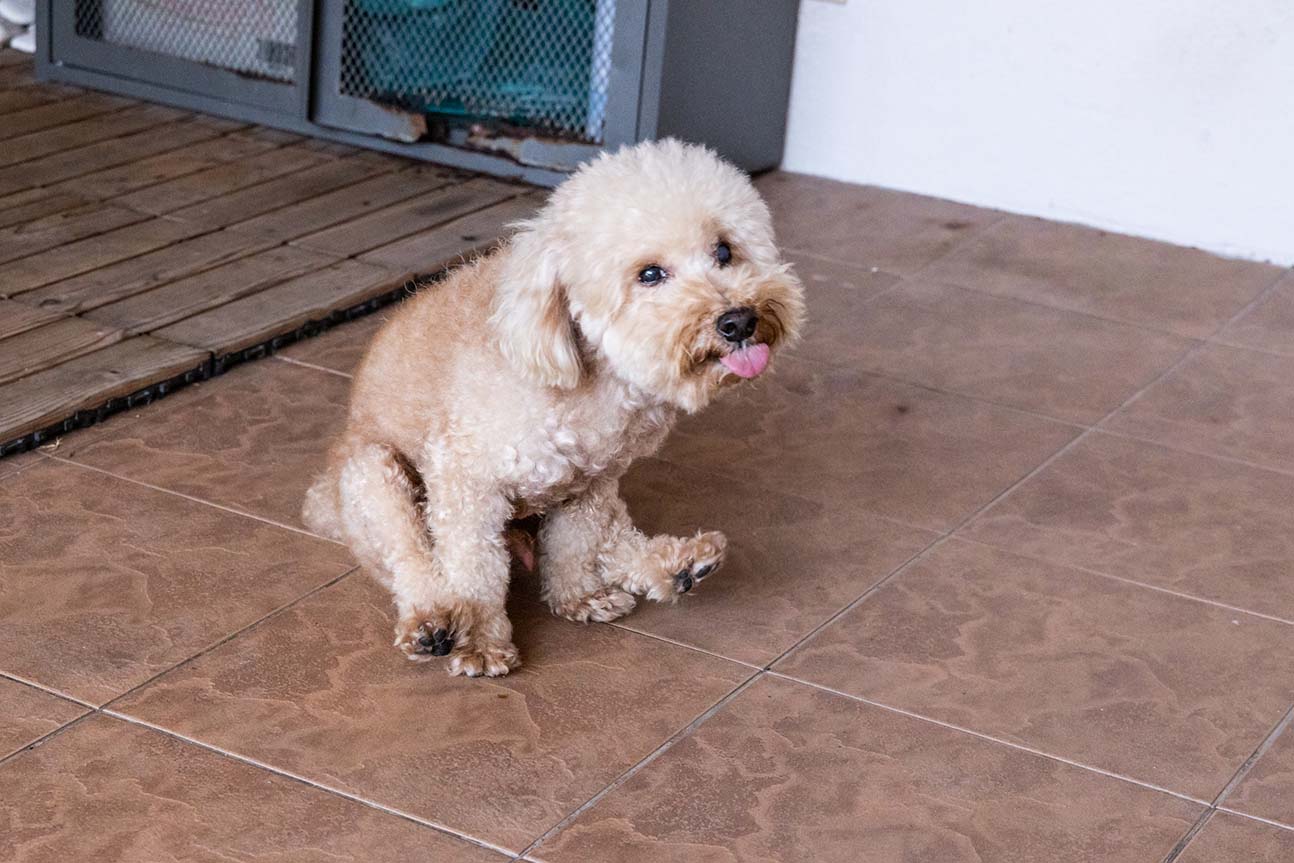
Почему собака катается задом на полу?
Если вы когда-либо видели, как ваша собака «катается» — тянет зад по полу — это могло показаться забавным. Однако, если поведение повторяется, это часто указывает на раздражение или медицинскую проблему, которую должен оценить ветеринар.
 Обновлено: 01/05/2026
Признаки панкреатита у собак: что должен знать каждый владелец
Панкреатит — это потенциально опасное для жизни заболевание у собак, при котором поджелудочная железа воспаляется. Этот небольшой, но крайне важный орган отвечает за пищеварение и контроль уровня сахара в крови.
 Обновлено: 04/05/2026
Внезапная потеря веса у собак — возможные причины
Внезапная потеря веса у собак — это всегда тревожный сигнал. Хотя небольшие колебания массы могут быть связаны с активностью или диетой, резкое или необъяснимое снижение веса говорит о возможных проблемах со здоровьем.
 Обновлено: 01/05/2026
Признаки потери зрения у пожилых собак
С возрастом у собак могут развиваться различные проблемы со здоровьем, и потеря зрения — одна из них. Постепенное или внезапное ухудшение зрения может существенно повлиять на качество жизни животного.
 Обновлено: 04/05/2026
Почему у моей собаки громко урчит в животе?
Поздний вечер, в доме тишина — и вдруг вы слышите урчание и бульканье в животе вашей собаки. Некоторые звуки в желудке — это нормально, но в некоторых случаях они могут сигнализировать о проблемах с пищеварением.
 Обновлено: 01/05/2026
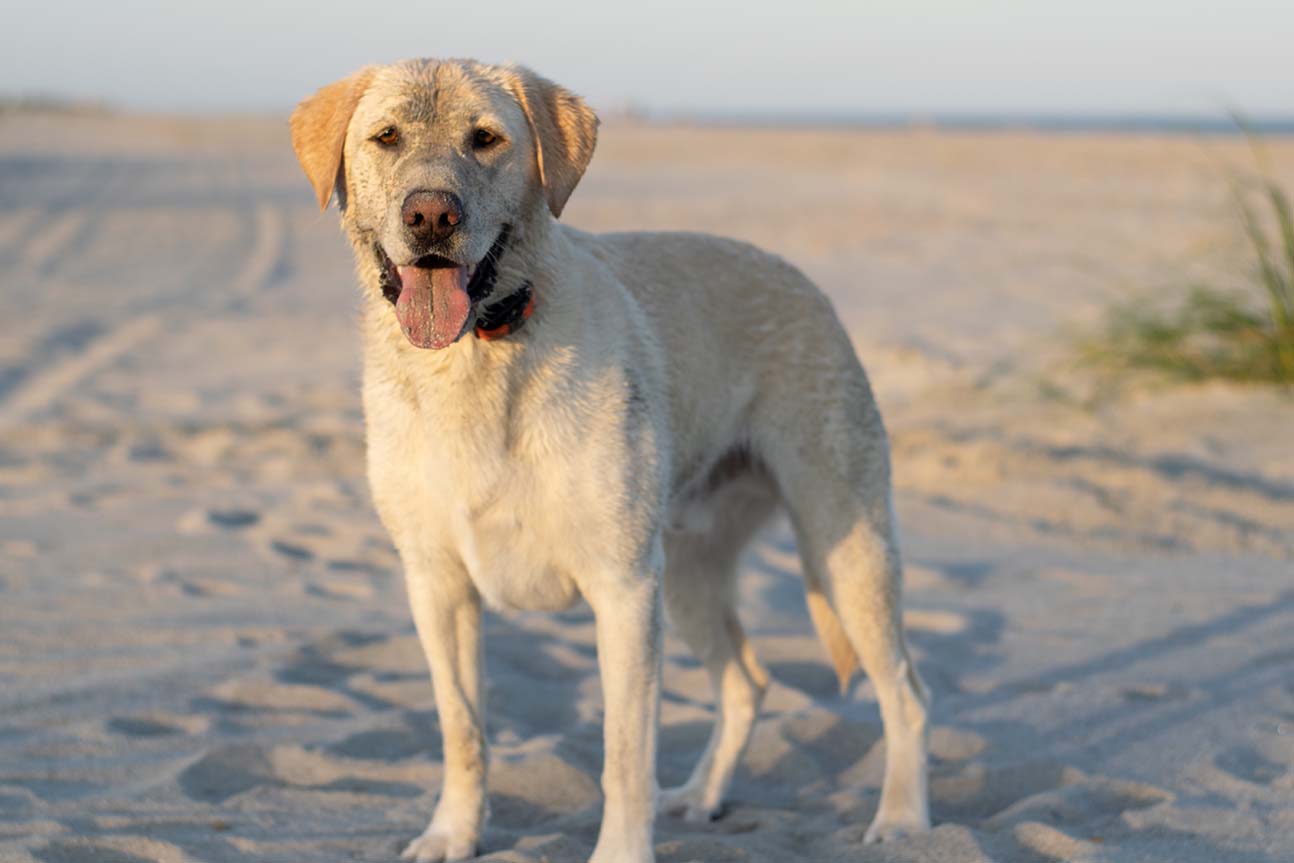
Лучшие пляжи Дубая, где разрешено находиться с питомцами
Дубай — это не только роскошный курорт, но и всё более открытое пространство для владельцев домашних животных, особенно тех, кто любит проводить время на свежем воздухе со своими собаками.
 Обновлено: 04/05/2026
Почему у моей собаки кашель и позывы к рвоте?
Кашель и рвотные позывы — частые симптомы у собак, которые могут свидетельствовать о различных проблемах. Они варьируются по степени тяжести и требуют внимания владельца.
 Обновлено: 01/05/2026
Признаки депрессии у собак
Собаки — игривые, преданные и эмоционально чувствительные животные. Подобно людям, они могут испытывать широкий спектр эмоций: от радости и возбуждения до страха и даже грусти.
 Обновлено: 01/05/2026
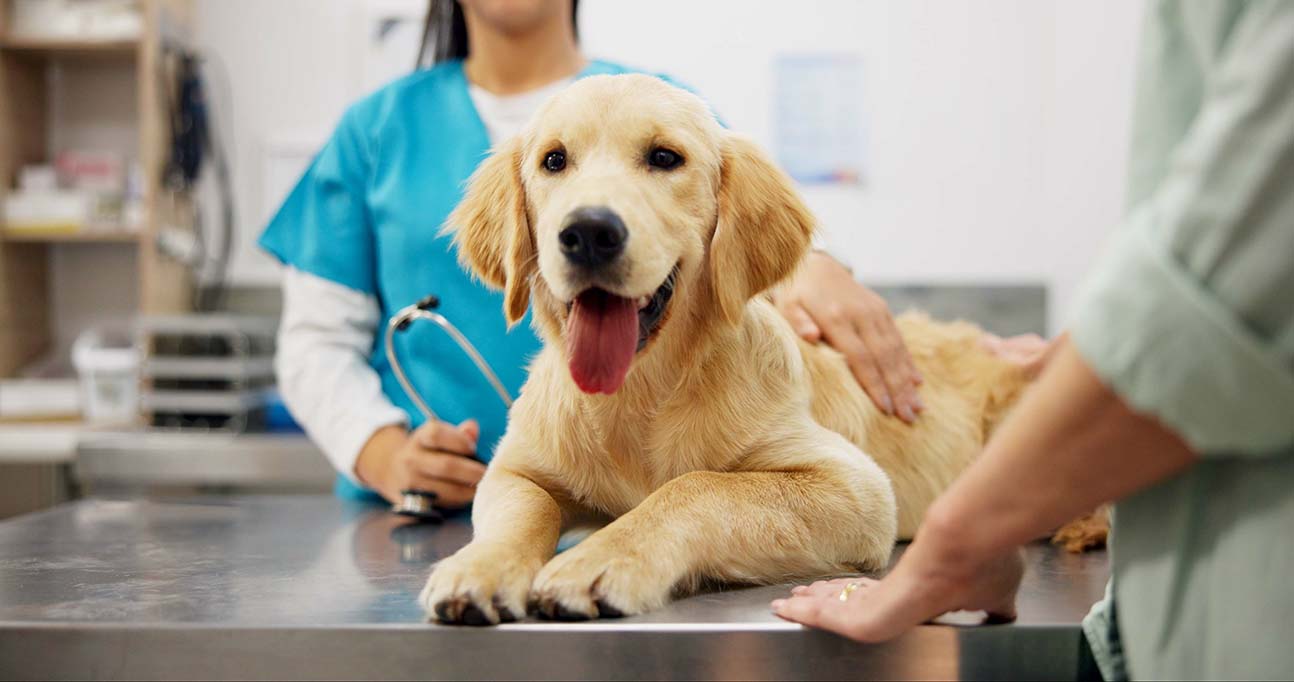
Как часто нужно водить собаку к ветеринару?
Как ответственный владелец собаки, вы должны ставить здоровье и благополучие своего питомца в приоритет. Регулярные ветеринарные осмотры помогают предотвратить болезни, выявлять их на ранней стадии и обеспечивать собаке активную и счастливую жизнь.
 Обновлено: 01/05/2026
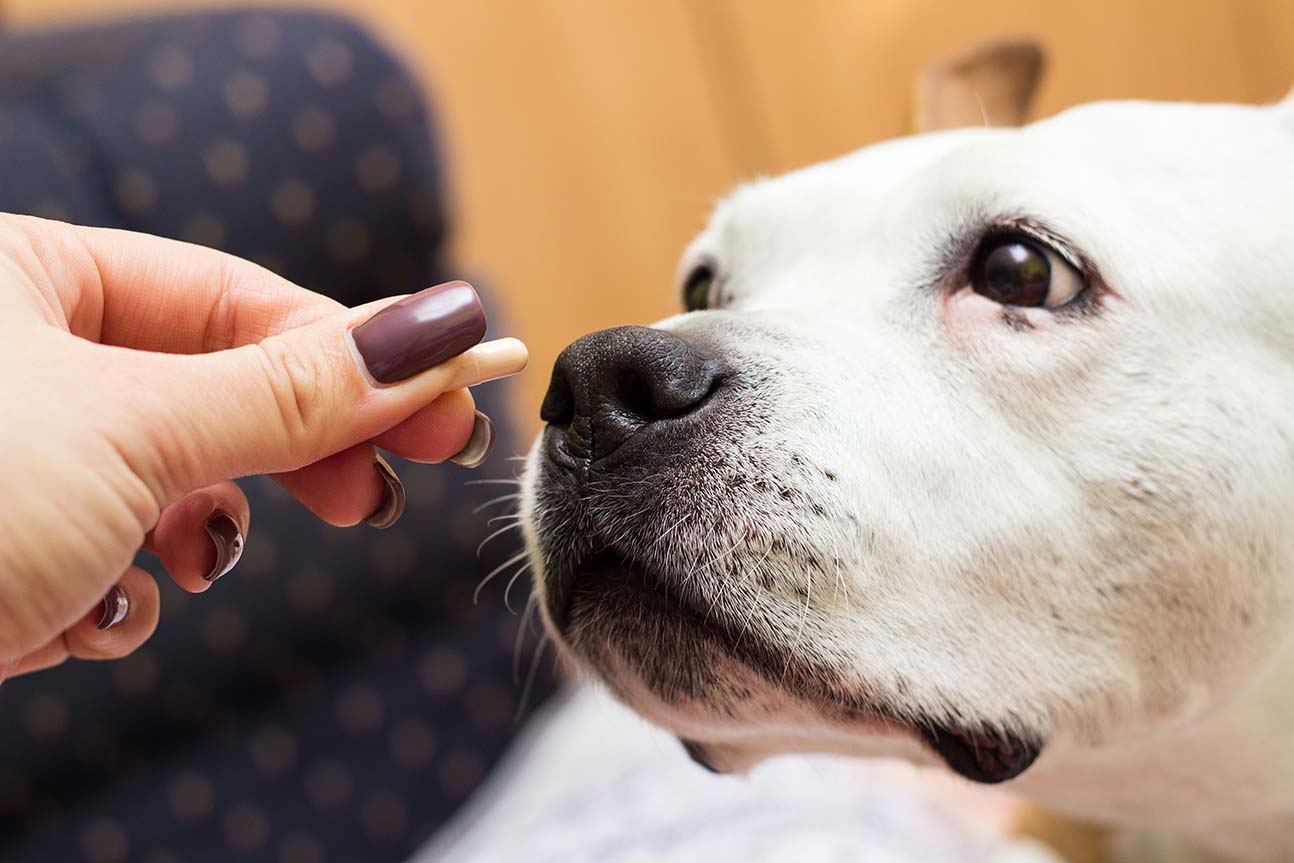
Лучшие витамины для пожилых собак: Полное руководство
С возрастом потребности собаки в питательных веществах меняются. Им может потребоваться дополнительная поддержка для сохранения активности, здоровья и комфорта.
 Обновлено: 01/05/2026
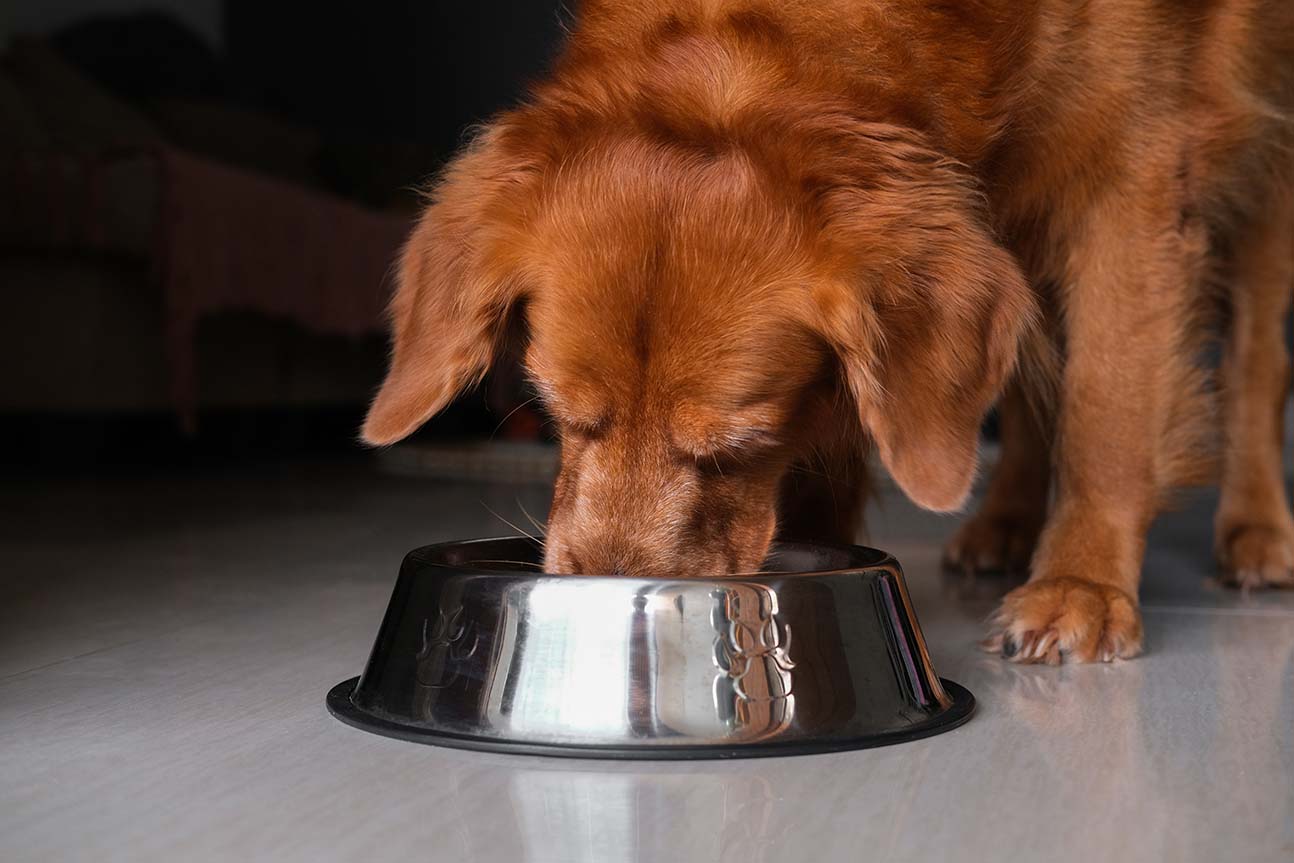
Лучшая диета для здоровых собак: Полное руководство
Сбалансированная и питательная диета — основа счастливой и здоровой жизни собаки. Как и люди, собаки нуждаются в правильной комбинации питательных веществ для поддержания роста, иммунитета, уровня энергии и общего состояния здоровья.
 Обновлено: 04/05/2026
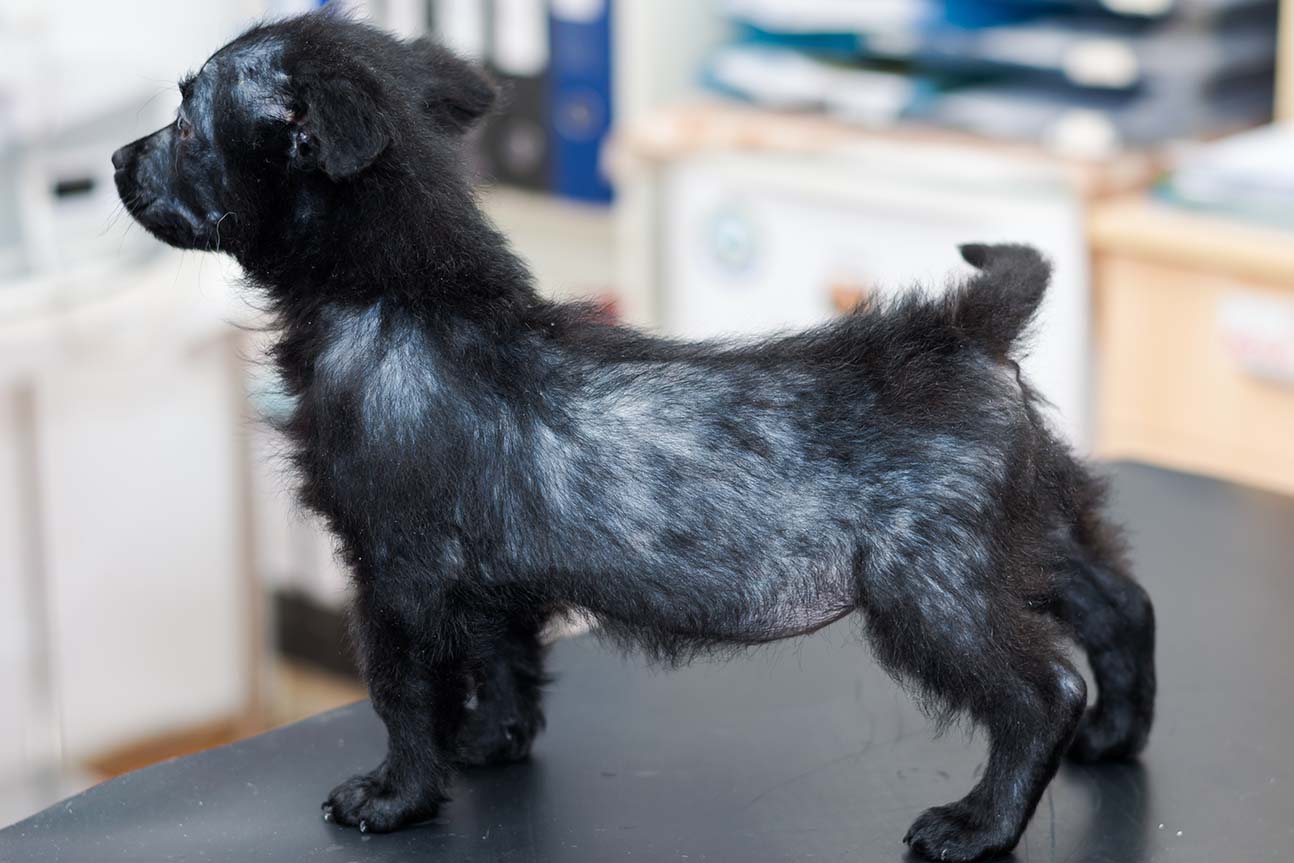
Почему у моей собаки выпадает шерсть пятнами?
Выпадение шерсти (алопеция) у собак — частая причина беспокойства для владельцев. Помимо внешнего дефекта, это может быть симптомом серьёзного заболевания. Если у собаки начинают появляться залысины, важно определить причину и проконсультироваться с ветеринаром, чтобы предотвратить ухудшение состояния.
 Обновлено: 01/05/2026
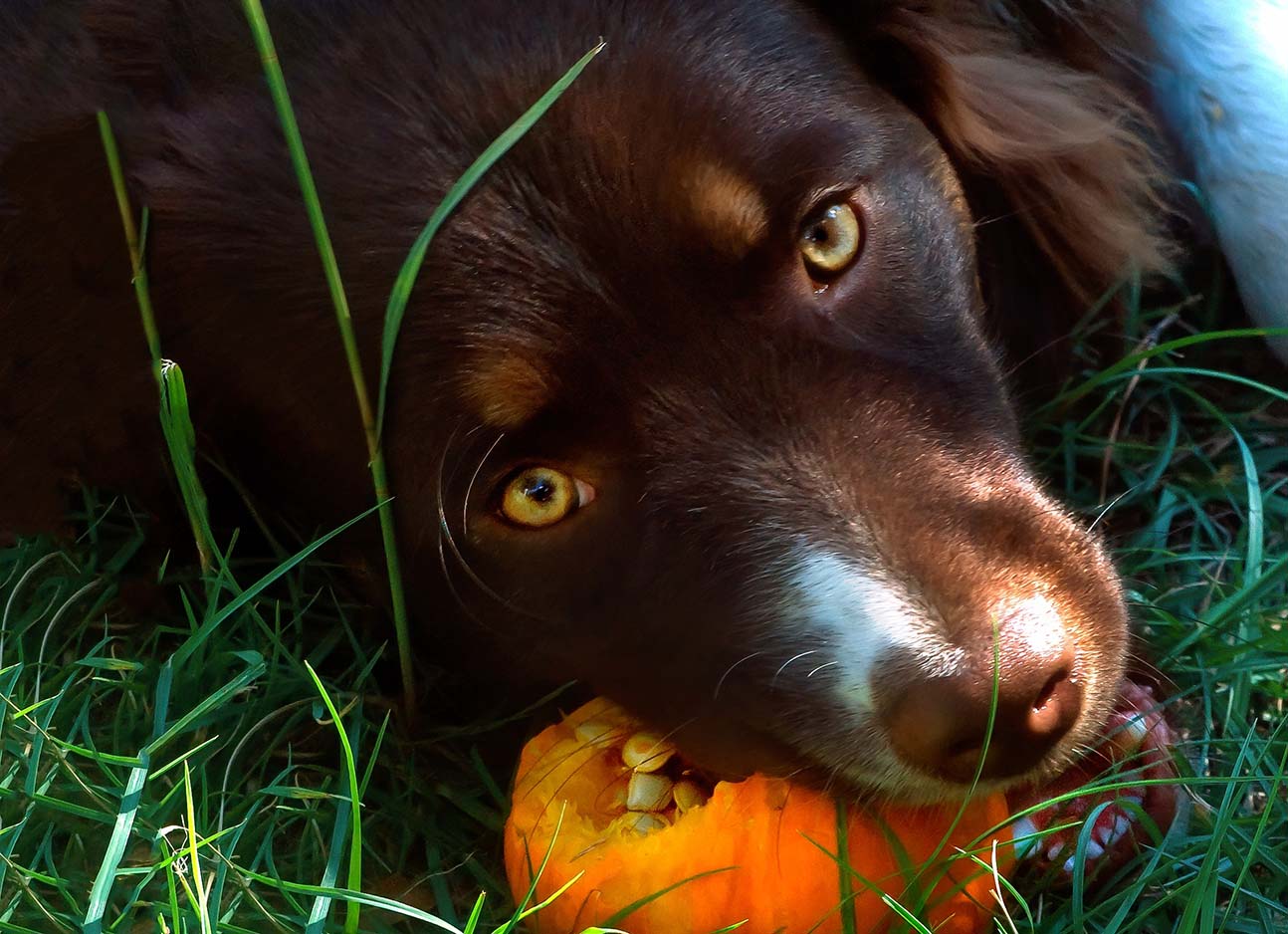
Можно ли давать собаке тыкву при расстройстве желудка?
Если вы являетесь владельцем собаки, скорее всего, вы сталкивались с тревогой, возникающей при расстройстве желудка у вашего питомца. От рвоты до диареи — проблемы с желудочно-кишечным трактом у собак довольно обычны и могут быть вызваны чем угодно:
 Обновлено: 04/05/2026
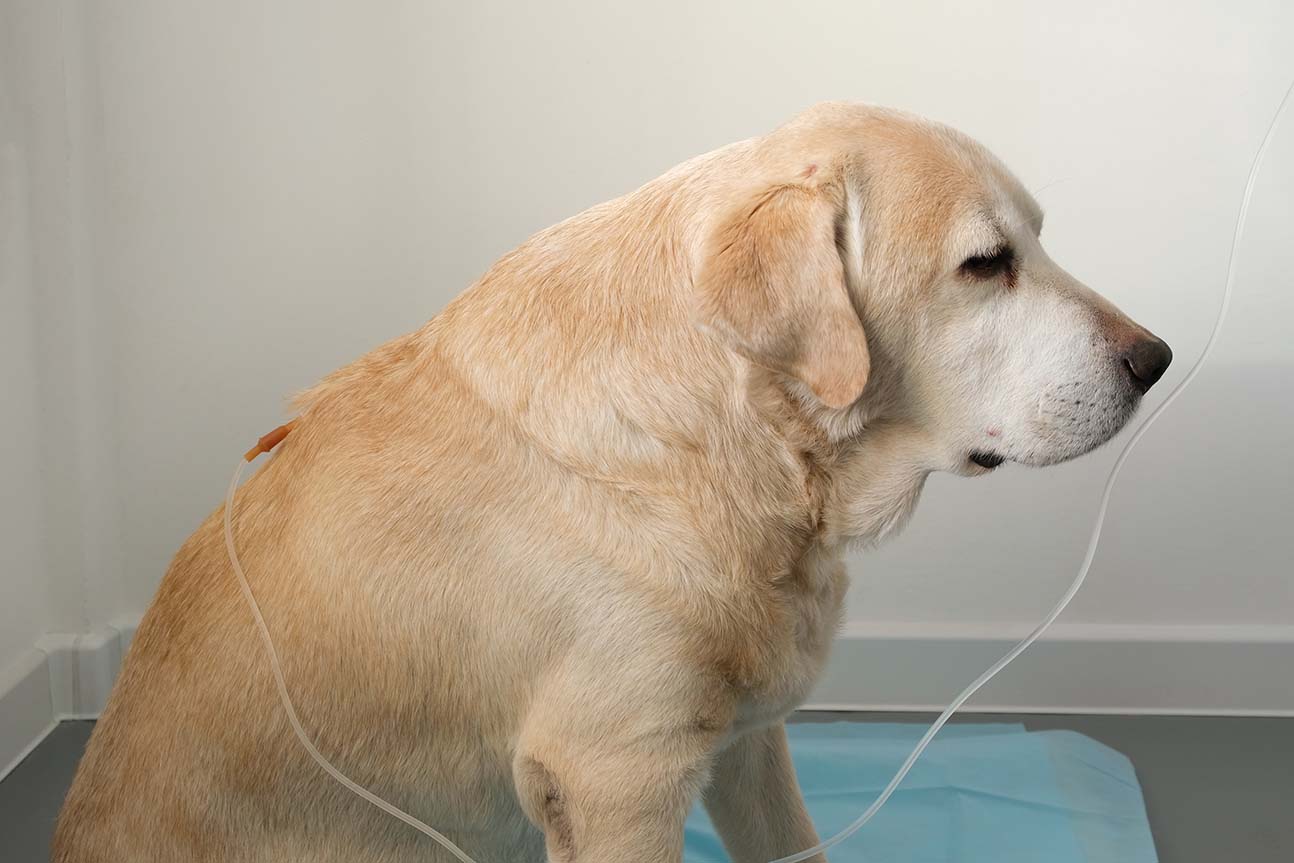
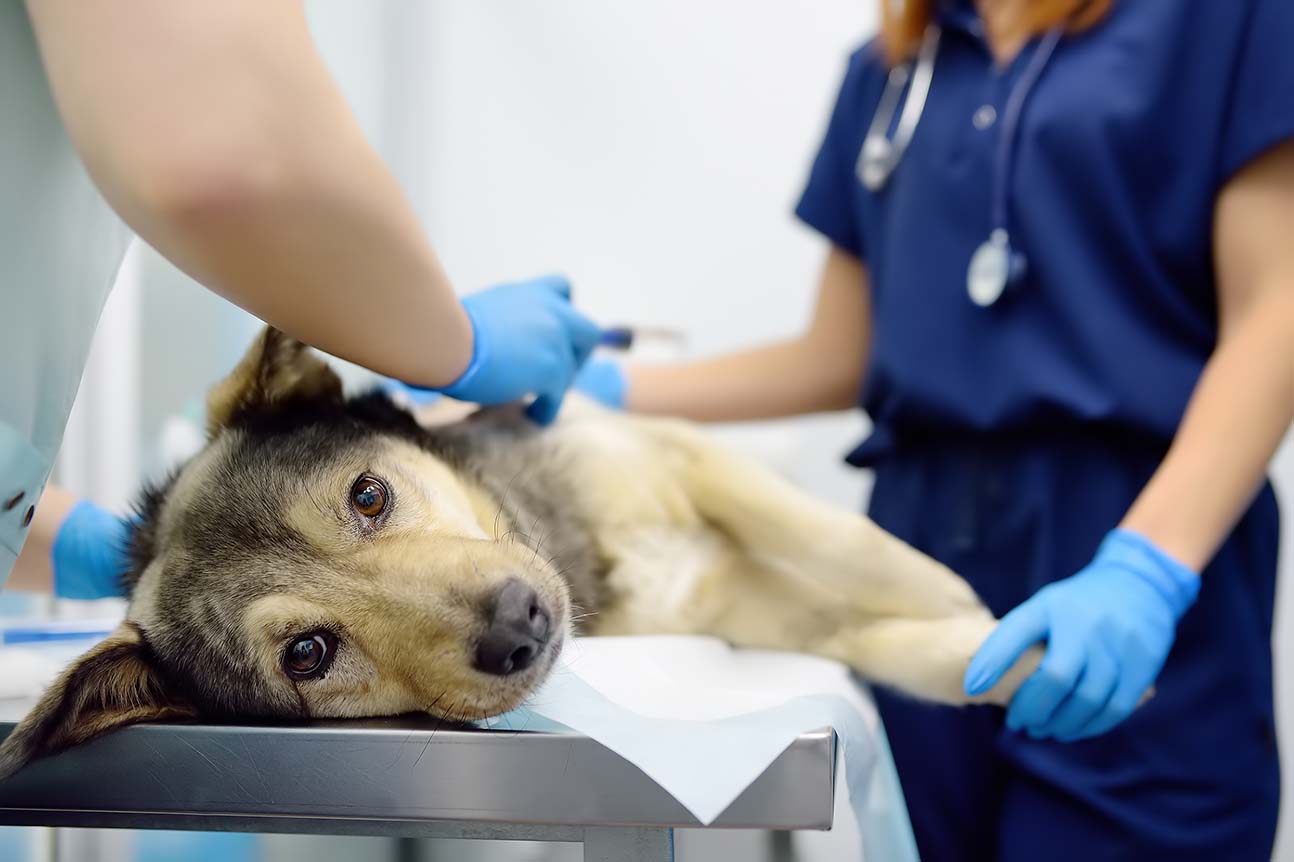
Симптомы почечной недостаточности у собак
Почечная недостаточность — это опасное для жизни состояние, которое может возникнуть у собак любого возраста или породы. Почки удаляют продукты обмена из крови, поддерживают водный баланс организма и регулируют баланс жизненно важных питательных веществ.
 Обновлено: 01/05/2026
Признаки заболевания печени у собак
Заболевание печени у собак — это состояние, которое может серьезно повлиять на здоровье вашего питомца. Печень играет жизненно важную роль в детоксикации организма, пищеварении и хранении питательных веществ.
 Обновлено: 30/04/2026
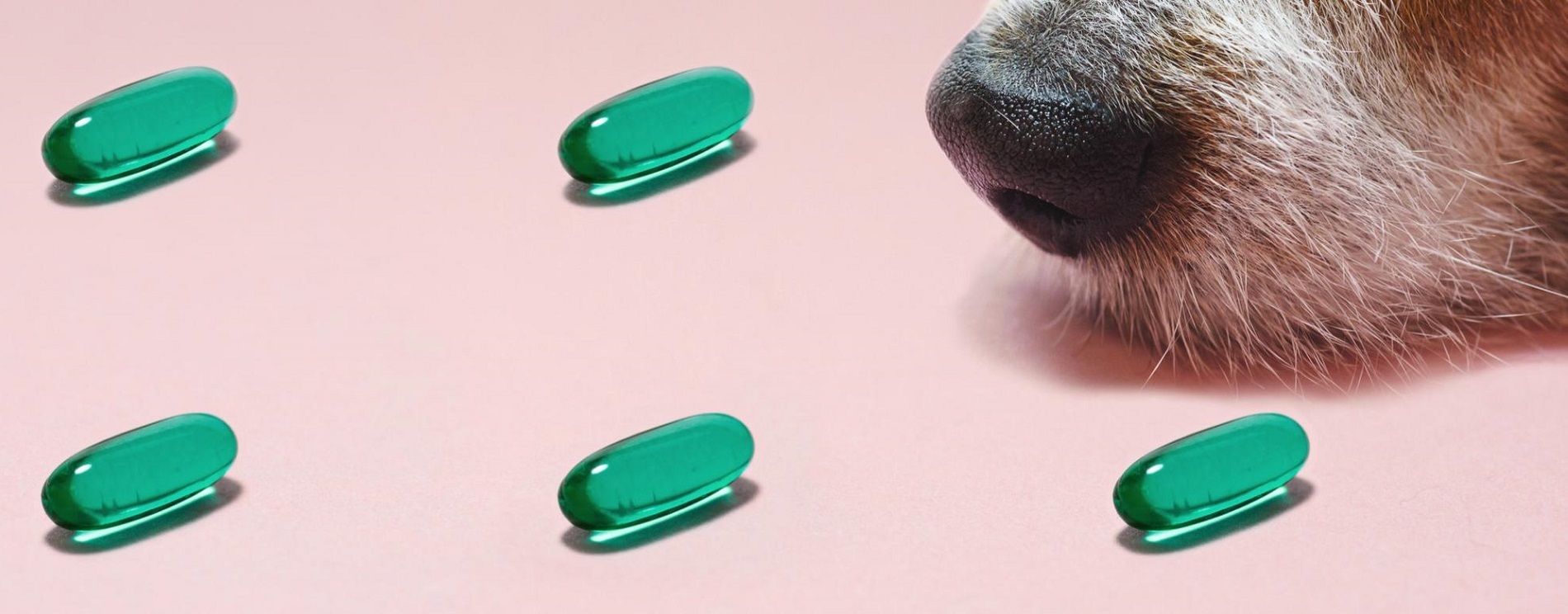
Можно ли собаке есть авокадо?
Авокадо — это плоды дерева авокадо. Они вкусны в сыром виде, но вы также можете приготовить из них гуакамоле и другие блюда. Но слышали ли вы о петухе авокадо? Это термин для владельцев собак, которые говорят, что их питомцы любят авокадо.
 Обновлено: 04/05/2026
Нужны ли витамины и пищевые добавки домашним животным
Витамины — группа низкомолекулярных органических соединений, которые необходимы для нормальной работы всех органов и систем наших любимцев. Большинство из них содержится в кормах, что очень удобно!
 Обновлено: 01/05/2026
Кролик для ребенка
Характер кроликов также определяется наследственностью и породой. Независимо от данных факторов, этим пушистикам в разной степени свойственна обидчивость, пугливость и злобность.
 Обновлено: 01/05/2026
Можно ли кормить собаку костями?
Поедание костей может нанести огромный вред здоровью питомца и даже привести к летальному исходу. Владельцу собаки важно понимать, какие кости можно давать, а какие нет.
 Обновлено: 01/05/2026
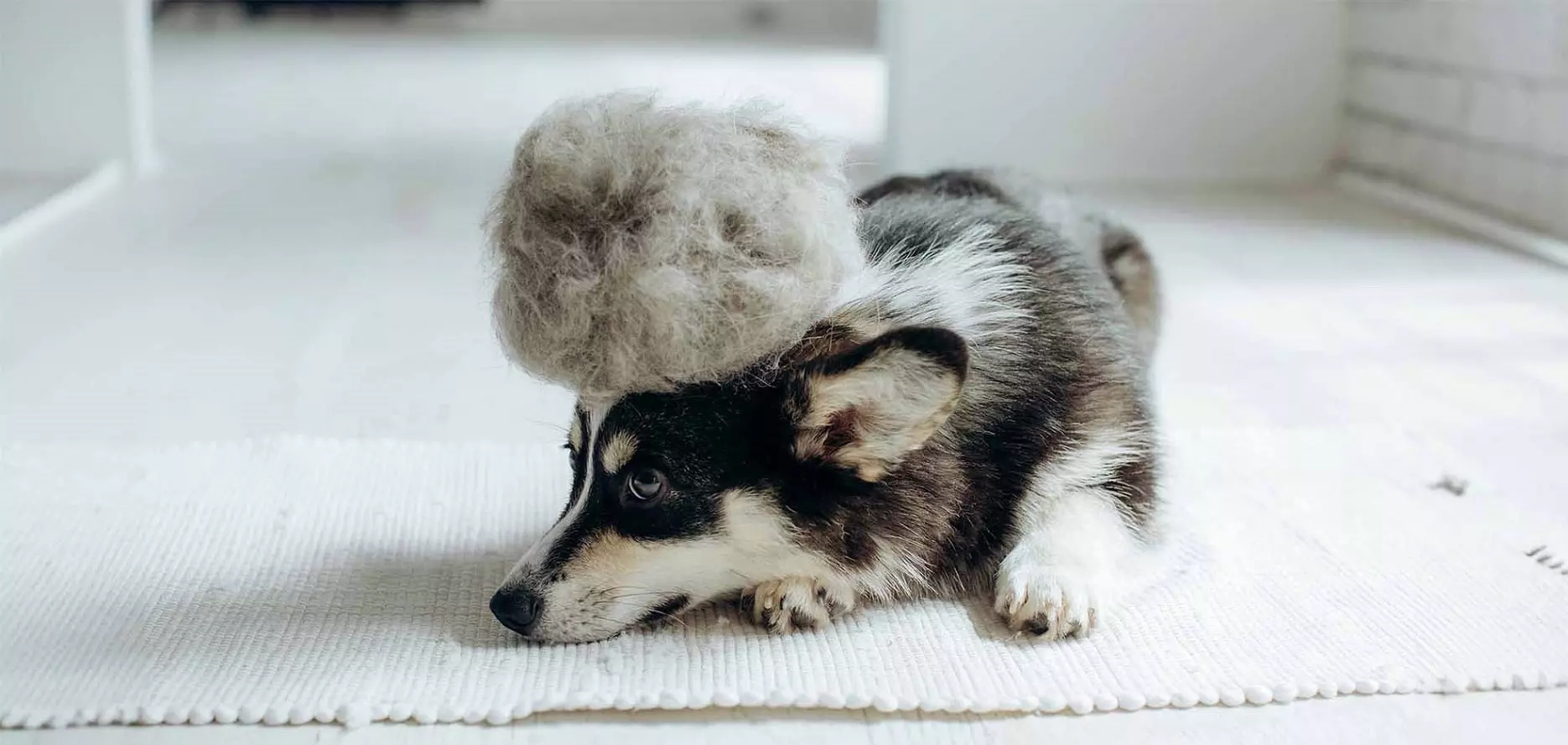
Линька у животных
У всех животных происходит замена старой шерсти на новую - линька. Она бывает патологической и физиологической. Важно учитывать, что все породы кошек и собак линяют в разных масштабах.
 Обновлено: 01/05/2026
Как защитить животное от эндопаразитов и выбрать подходящий антигельминтик?
Гельминты – черви, которые обитают внутри живых организмов, в т.ч. домашних животных, паразитируя на них. Гельминтоз, согласно статистике, присутствует у каждой третьей собаки или кошки.
 Обновлено: 04/05/2026
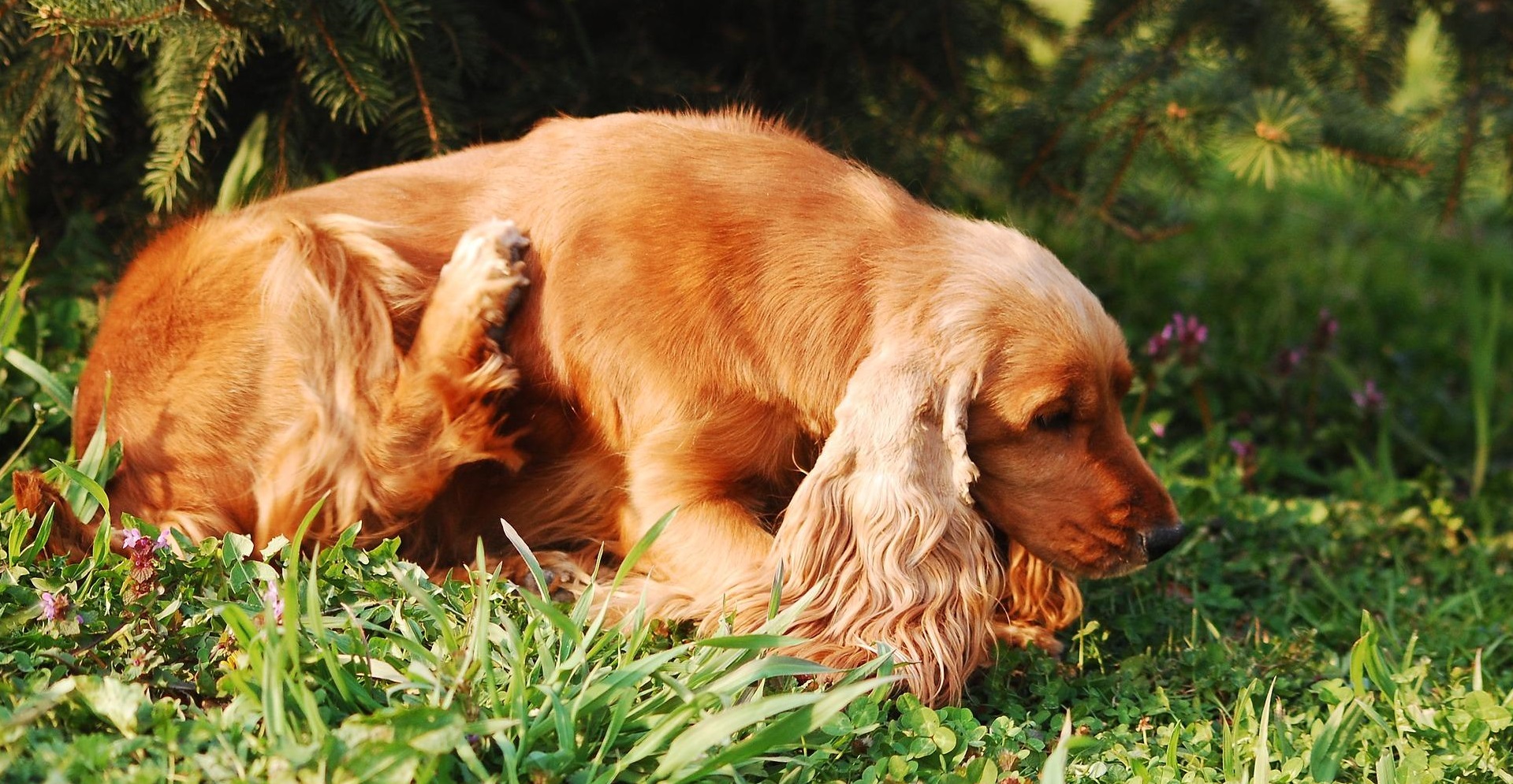
Что поможет снять зуд у собаки?
Лечение, профилактика и другие меры при зуде принимаются для каждого животного индивидуально. В терапии учитываются возраст животного, состояние здоровья, сезонность и другие индивидуальные особенности.
 Обновлено: 04/05/2026
Почему собака чешется, лижет или грызет себя?
Одна из самых распространенных причин беспокойства и повод обращения к ветеринарам у владельцев собак - сильный зуд у питомца. Зуд сопровождает большинство кожных заболеваний животных, поэтому стоит обратиться за профессиональной помощью к ветеринару.
 Обновлено: 01/05/2026
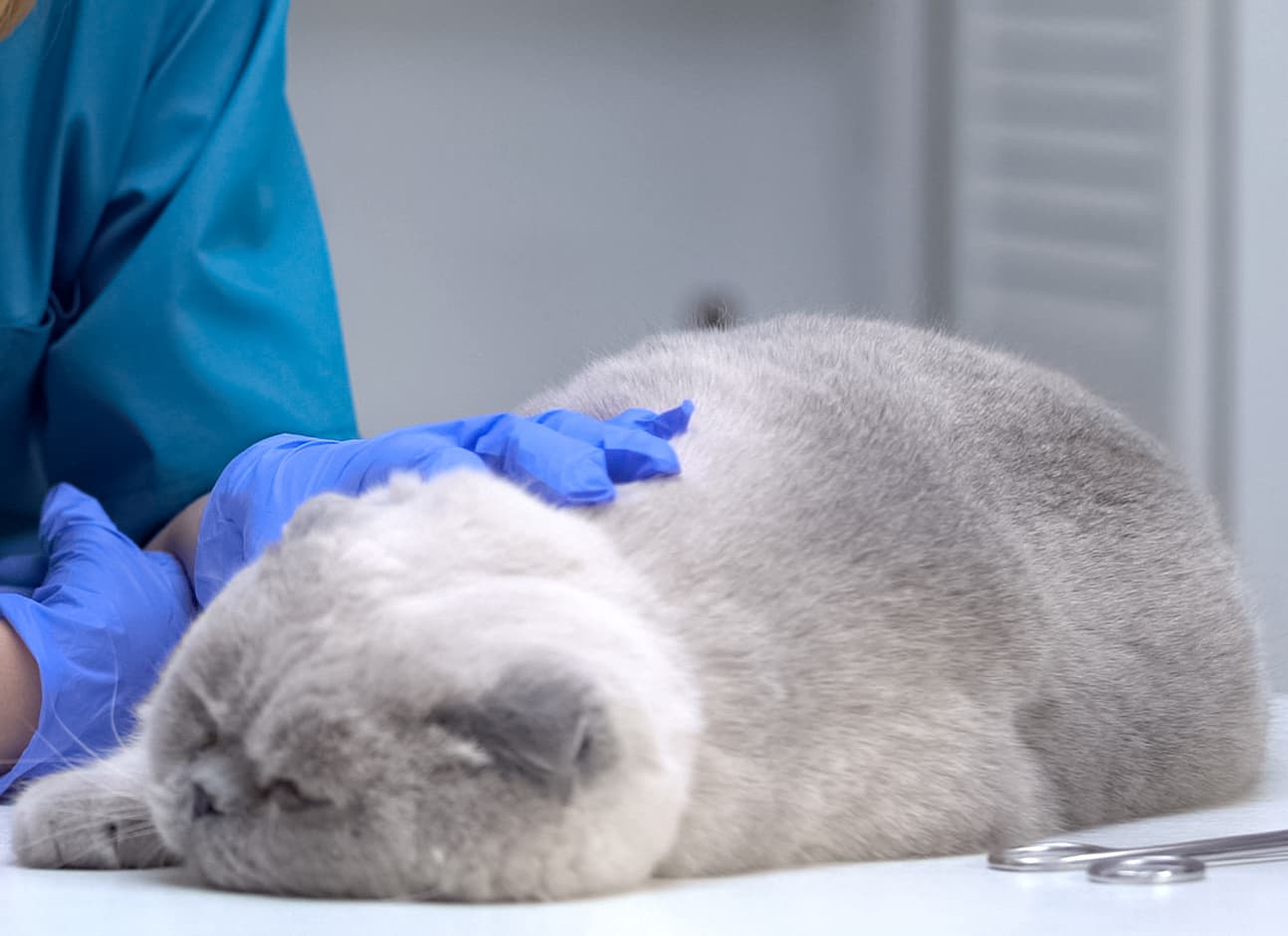
ГИПЕРТИРЕОЗ У КОШЕК
Гипертиреоз, также известный как тиреотоксикоз, вызывается увеличением синтеза гормонов щитовидной железы (Т3 и Т4) при увеличении щитовидной железы в шее кошки. Наиболее распространенной причиной увеличения щитовидной железы является аденома - нераковое образование.