
 Updated: 13/01/2026
Intoxication in dogs: recognising and responding to poisoning in Dubai pets
Dogs may suffer Intoxication (poisoning) when they ingest, inhale, or come into contact with a harmful substance. Dogs are naturally curious and often explore the world with their mouths, which increases their risk of exposure to toxins. Puppies and young dogs are particularly at risk, though any age or breed can be affected.
 Updated: 08/01/2026
Food allergies in dogs: symptoms, diagnosis and treatment in Dubai
Food allergies in dogs are surprisingly common. Around 10% of all allergies in dogs are linked to food. They can appear at any stage of your dog’s life and even if your dog has been eating the same diet for years. The most frequent signs include itchy skin, repeated ear infections, and digestive upsets such as vomiting or diarrhoea.
 Updated: 30/12/2025
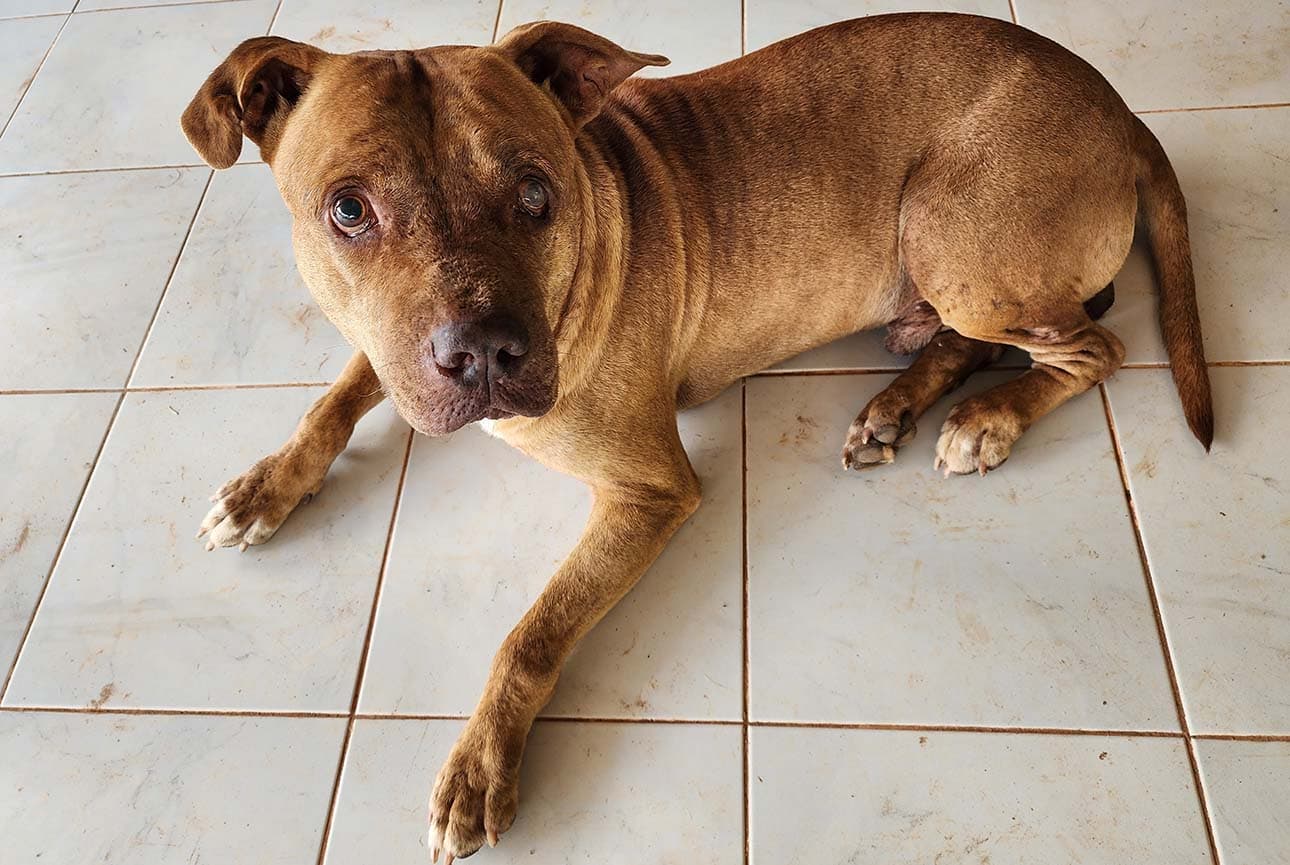
Torn nails in dogs: causes, symptoms and treatment in Dubai
Torn nails are a common injury in dogs of all ages and breeds. They may not be life-threatening, but they can be extremely painful and distressing for your pet. Most cases heal quickly with the right care. But sometimes it takes a vet visit to remove the damaged nail or prevent infection.
 Updated: 23/12/2025
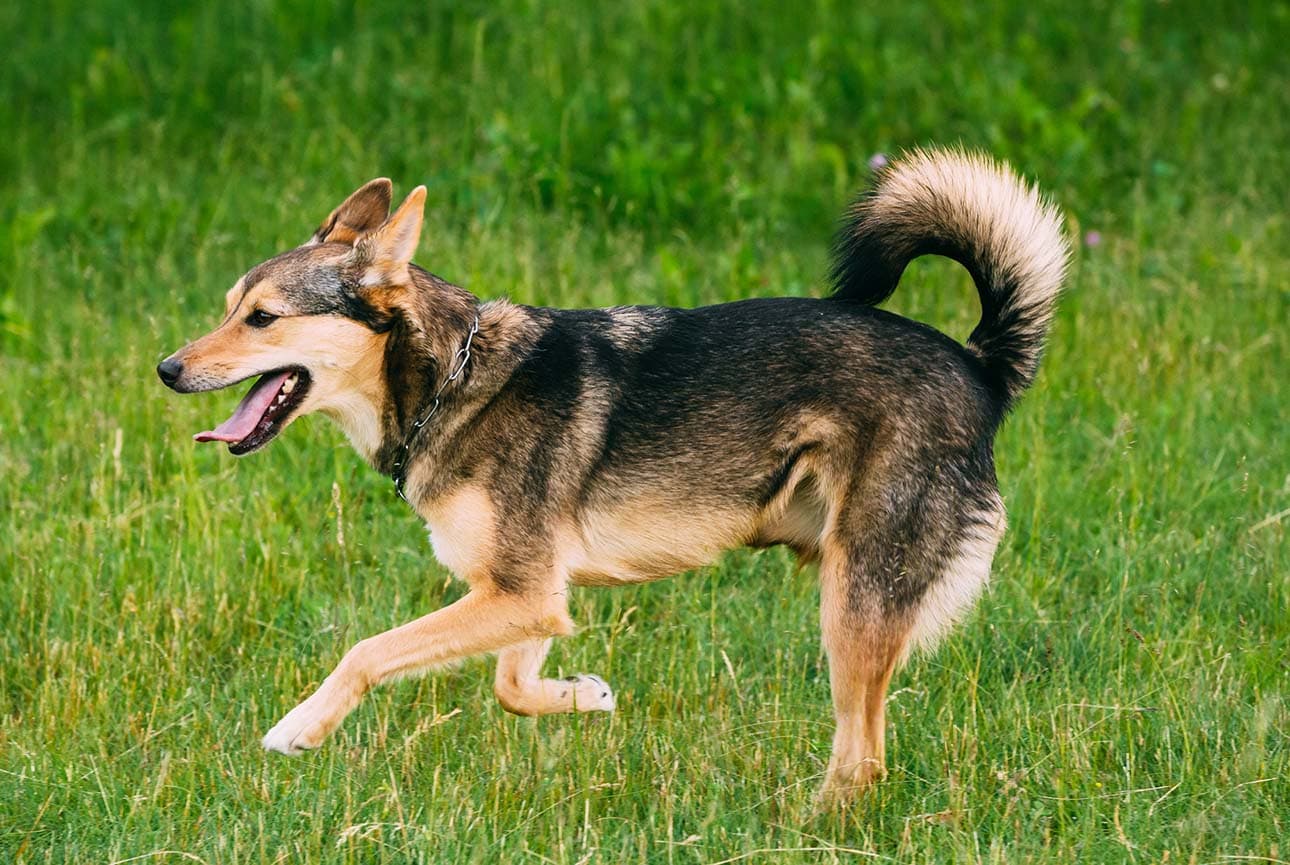
Dog Limping in Dubai: Causes, Treatment & When to See a Vet
Limping (also called lameness) is when a dog avoids putting weight on one or more legs due to pain, injury, or weakness. It can be sudden or gradual, mild or severe. Limping is a symptom, not a diagnosis, and can stem from many underlying issues.
 Updated: 15/12/2025
Dog Sprains and Strains in Dubai | Symptoms, Treatment & Prevention Guide
Sprains and strains are common soft tissue injuries that can affect dogs of any age or breed. With prompt attention and proper care, most dogs recover well. In Dubai, extra precautions are important, such as avoiding hot pavements and providing safe spaces for exercise to prevent injuries.
 Updated: 10/12/2025
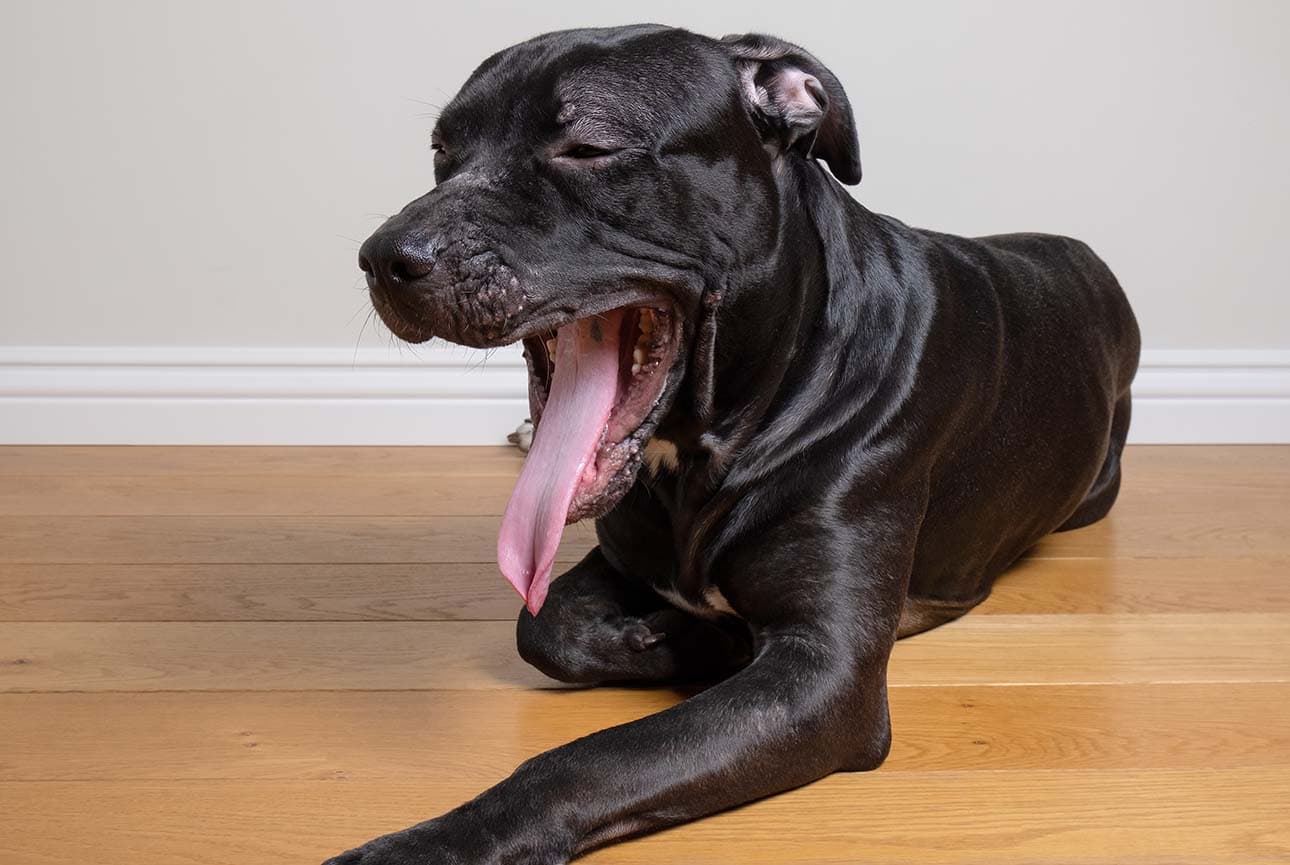
Bad Breath in Dogs Dubai | Causes, Treatment & Prevention Tips
Bad breath in dogs, also called 'halitosis', is more than just an unpleasant cuddle experience - it's often a warning sign of underlying health issues that need veterinary attention. This common condition can affect dogs of any age or breed and may signal anything from minor dental hygiene issues to more serious medical concerns.
 Updated: 08/12/2025
Cleaning wounds in dogs Dubai – Professional and home care guide for pet owners
Wounds are common injuries in dogs, ranging from small cuts and grazes to deep lacerations that require immediate veterinary attention. Common causes include bite injuries, burns from Dubai's hot pavements, cuts from sharp objects, and trauma from accidents.
 Updated: 27/11/2025
Dog Spaying : Complete Guide to Spay Surgery & Recovery
Spaying offers significant health and behavioural benefits for most female dogs, particularly when performed at the optimal age for your pet's breed and size. The procedure is routine, safe, and can prevent serious health conditions later in life.
 Updated: 27/11/2025
Dog Castration in Dubai
Castration is one of the most common surgeries performed in veterinary practice. It’s normal for dog owners to have questions before deciding if it’s the right step for their pet.
 Updated: 27/11/2025
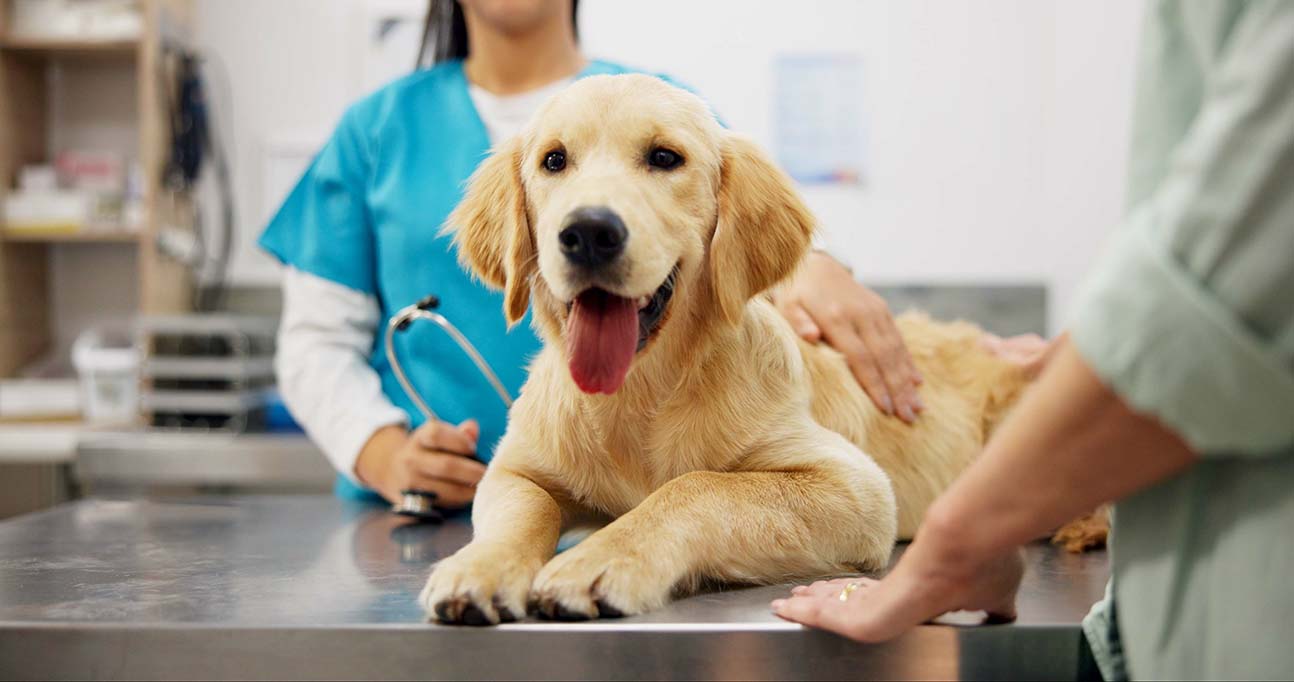
How Often Should You Take Your Dog to the Vet?
As a responsible dog owner, your pet's well-being and good health must be a priority. Proper veterinary check-ups are important in the prevention of diseases, detection of medical ailments at an early stage, and your pet's overall happiness and activity.
 Updated: 26/11/2025
Best Diet for Healthy Dogs: A Comprehensive Guide
A well-balanced and nutritious diet forms the core of a happy and healthy dog. Dogs, much like humans, require the appropriate combination of nutrients to maintain their growth, immune system, level of energy, and overall health.
 Updated: 25/11/2025
What can help relieve itching in a dog
Treatment, prevention and other measures are taken for each animal individually. Therapy takes into account the animal's age, health condition, seasonality and other individual characteristics.