
 Updated: 05/06/2026
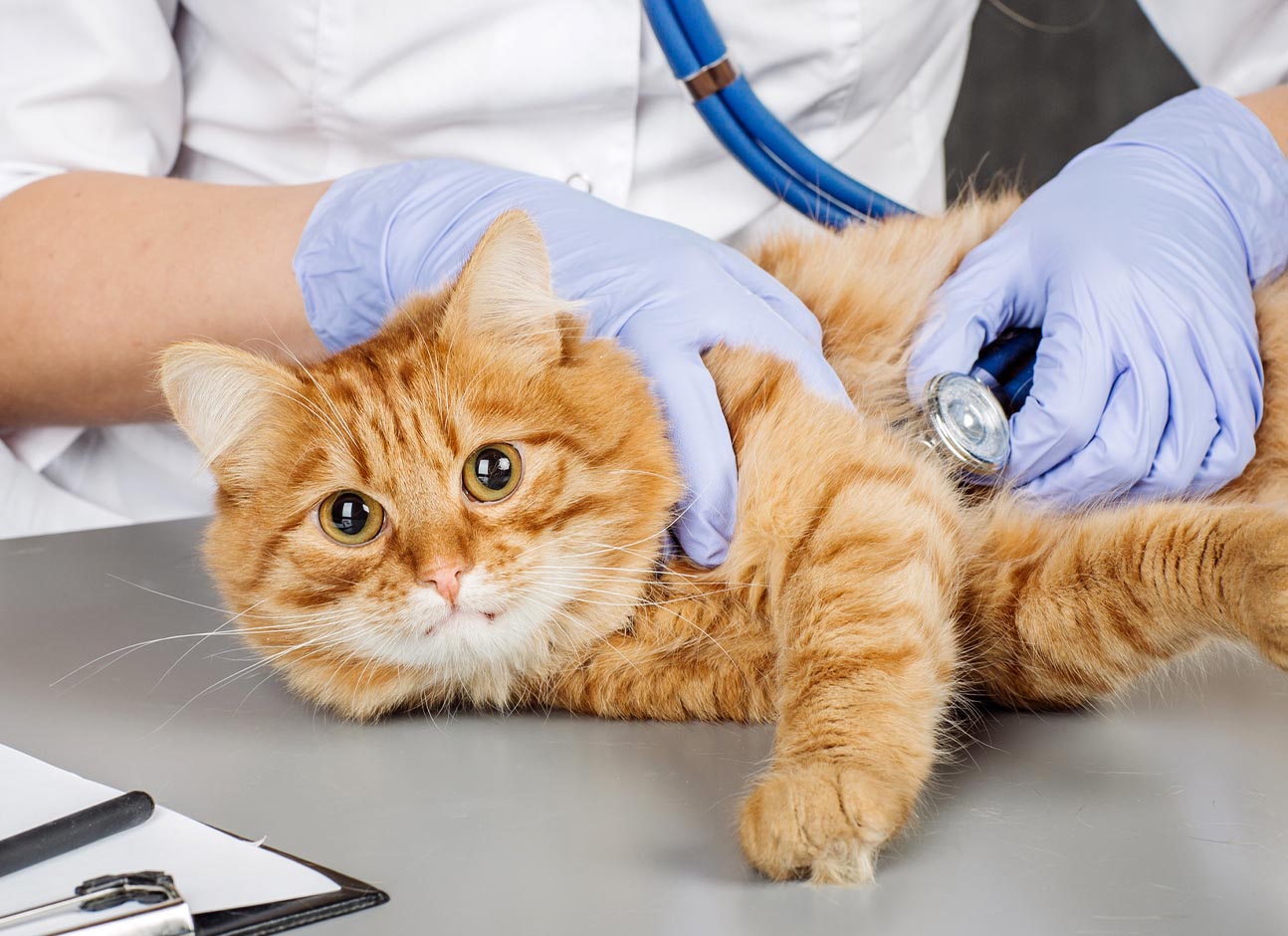
INFECTIOUS DISEASES IN CATS
Infectious diseases in cats are primarily caused by viruses, fungi, bacteria, and various microorganisms. Although cats encounter these pathogens daily, infection depends on the strength of the cat's immune system.
 Updated: 05/06/2026
HOW TO ENSURE YOUR CAT’S HEALTH?
To keep your cat healthy, it's essential to monitor its well-being closely. Identifying abnormalities early can lead to more successful treatment outcomes.
 Updated: 30/06/2026
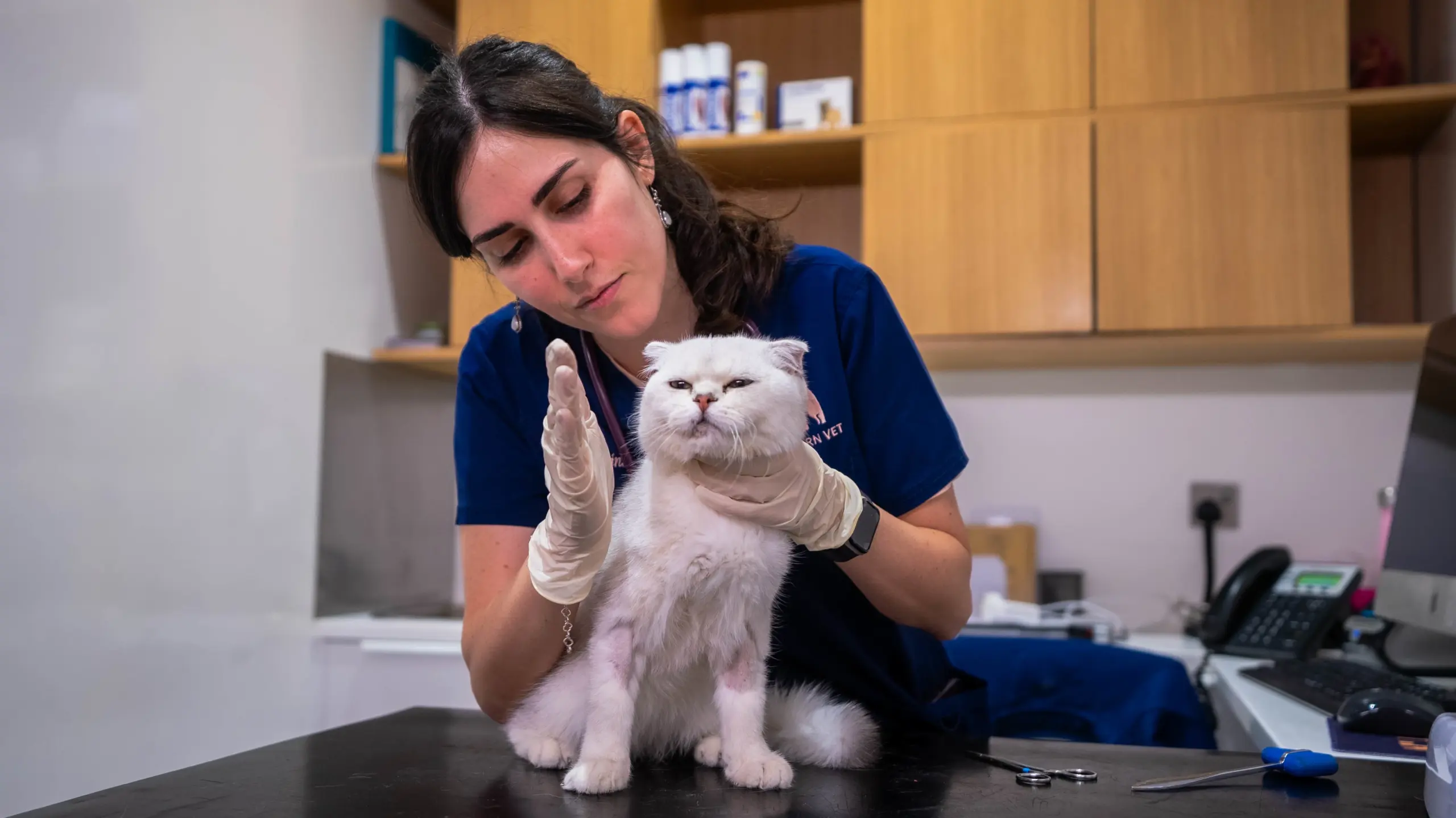
EPILEPSY IN CATS
Epilepsy is a functional disorder of the brain characterized by convulsions that are typically short in duration. There are two categories of seizures in cats: idiopathic (true epilepsy) and symptomatic (false epilepsy).
 Updated: 05/06/2026
Allergy to Cats and Dogs: Symptoms and Treatment
An allergic reaction to pets is due to a genetic predisposition and is never acquired. Allergic reactions typically occur upon contact with animals and often start with sneezing and tearing, intensifying over the next three hours.
 Updated: 05/06/2026
Purchasing a Cat
When deciding to buy a pet, approach the decision with great responsibility and understanding, as a pet is a living creature requiring attention and care. Before purchasing, thoroughly inspect the animal, paying particular attention to its health
 Updated: 05/06/2026
How to Teach a Cat to Use the Litter Tray in Designated Areas
To teach a cat to use a litter tray, it's helpful to understand their natural instincts. Cats are predators that rely on stealth and a keen sense of smell to hunt their prey, whether in the wild or urban environments.
 Updated: 05/06/2026
Toxoplasmosis in Cats: Symptoms, Causes, Diagnosis, and Treatment
Toxoplasma reproduction occurs intracellularly within the host's body, forming a focus of destruction. The immune system's response halts reproduction, resulting in the formation of an intracellular cyst containing Toxoplasma.
 Updated: 05/06/2026
Fleas in Cats: Risks of Infection and How to Eliminate Parasites
Fleas are blood-sucking, wingless parasites that can infest cats. Their narrow, smooth bodies allow them to move efficiently and stay within a cat's fur. Fleas can be found in the environment, on bedding, and even on other animals.
 Updated: 05/06/2026
Cat Pregnancy: Duration and Signs of Pregnancy
Most cat owners who do not breed their pets opt for sterilization, which prevents unwanted behaviors and the challenges of caring for and finding homes for kittens. However, if you have not sterilized your cat and suspect pregnancy, it is essential to know the duration of the pregnancy process. Cat pregnancy typically lasts around two months, but the exact duration can vary depending on the breed and other factors.
 Updated: 05/06/2026
Babesiosis (Piroplasmosis) in Animals: Symptoms, Diagnosis, and Treatment
Babesiosis, also known as piroplasmosis, is a parasitic disease caused by the blood parasite Babesia and transmitted by ticks from the Rhipicephalus species. The tick infects the animal through its saliva during a bite, usually in areas with thin skin. The parasite settles in the red blood cells, multiplying and destroying them, which leads to anemia, degenerative processes, and clogging of the vascular system.
 Updated: 05/06/2026
Urolithiasis in Cats: Symptoms, First Aid, and Treatment
Urolithiasis, a condition involving the formation of stones in the urinary system, is relatively common in cats. Due to their anatomy, cats are more susceptible to this disease, which is often chronic and can develop for months or years without symptoms.
 Updated: 05/06/2026
Dirofilariasis in Dogs and Cats
Dirofilariasis primarily affects the pulmonary and cardiac systems. In most cases, the helminths complicate blood circulation and cause heart valve problems. Less commonly, the helminths settle in the abdomen, eyes, brain, and spinal cord. The helminths grow for seven to eight months and have a lifespan of about three years, during which they can lay up to 30,000 microfilariae per day.