
 Updated: 05/06/2026
Can dogs eat honey buns?
Honey buns are a famous dog treat but are not the healthiest option. If you're wondering whether or not your dog can eat honey buns, this article will help clear things up!
 Updated: 05/06/2026
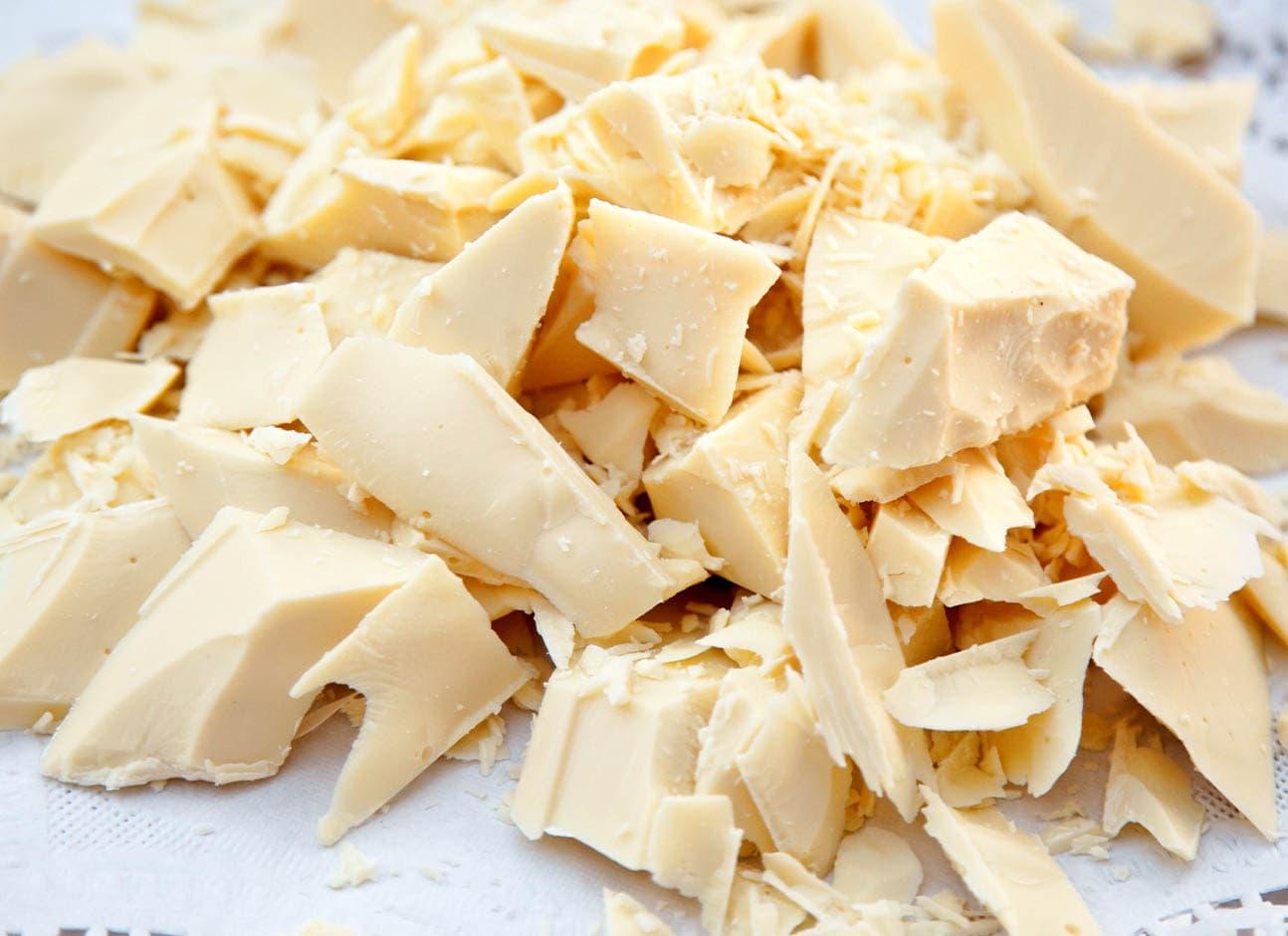
Can white chocolate kill dogs?
As a dog owner, you undoubtedly understand the importance of ensuring the safety and well-being of your furry companion. A query that many pet owners often pose is, "can white chocolate kill dogs?" The concise answer is affirmative - white chocolate can be toxic to dogs.
 Updated: 05/06/2026
IF YOUR ANIMAL IS POISONED: SYMPTOMS, TREATMENT, AND COMMON POISONS
Poisoning is a dangerous event for both humans and animals. Poisons can enter an animal's body in various ways, such as through ingestion, inhalation, or skin contact. Depending on the type of poison, the effects can be immediate or delayed.
 Updated: 05/06/2026
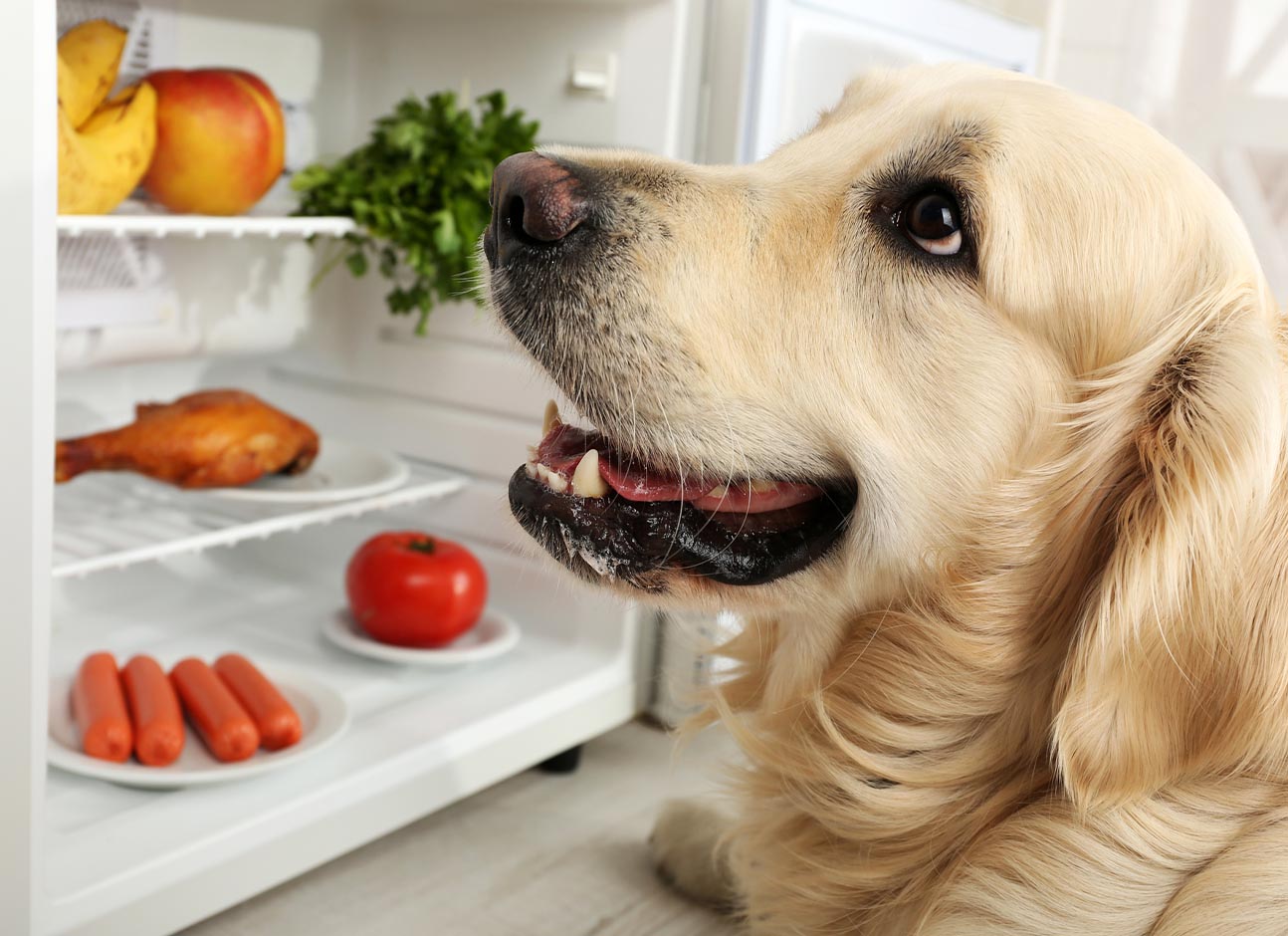
Proper Nutrition for Your Dog
When you first get a puppy, numerous questions arise about their living arrangements, feeding habits, and more. One essential aspect to address is your dog's nutrition.
 Updated: 22/06/2026
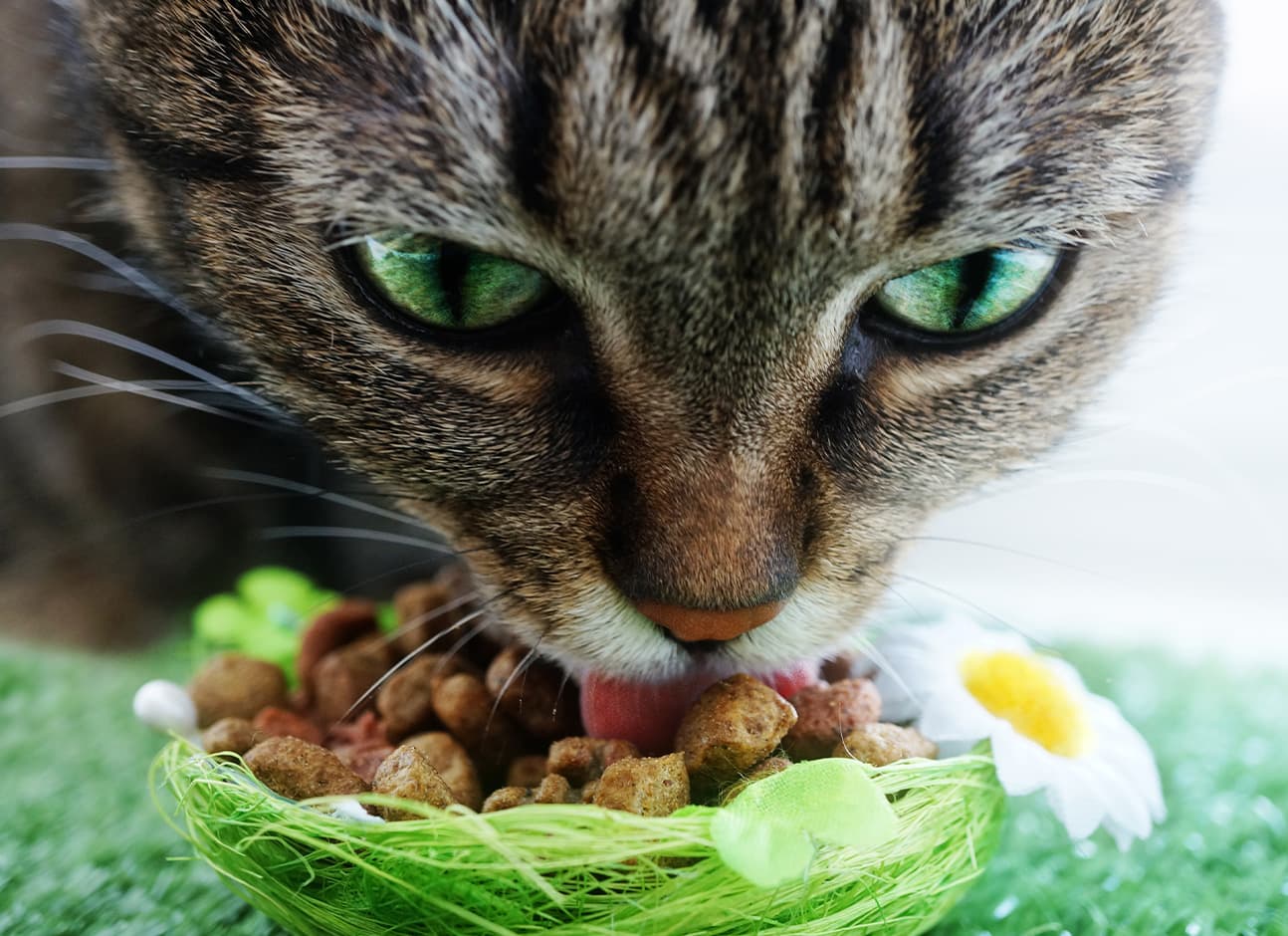
NUTRITION FOR CATS
Adequate nourishment is essential for the continued sustenance of life on earth. The same goes for cats as well. Feeding your cat the right kind of foods containing the required nutrients is a major way by which you can ensure their continued health and happiness.
 Updated: 13/01/2026
Intoxication in dogs: recognising and responding to poisoning in Dubai pets
Dogs may suffer Intoxication (poisoning) when they ingest, inhale, or come into contact with a harmful substance. Dogs are naturally curious and often explore the world with their mouths, which increases their risk of exposure to toxins. Puppies and young dogs are particularly at risk, though any age or breed can be affected.
 Updated: 12/01/2026
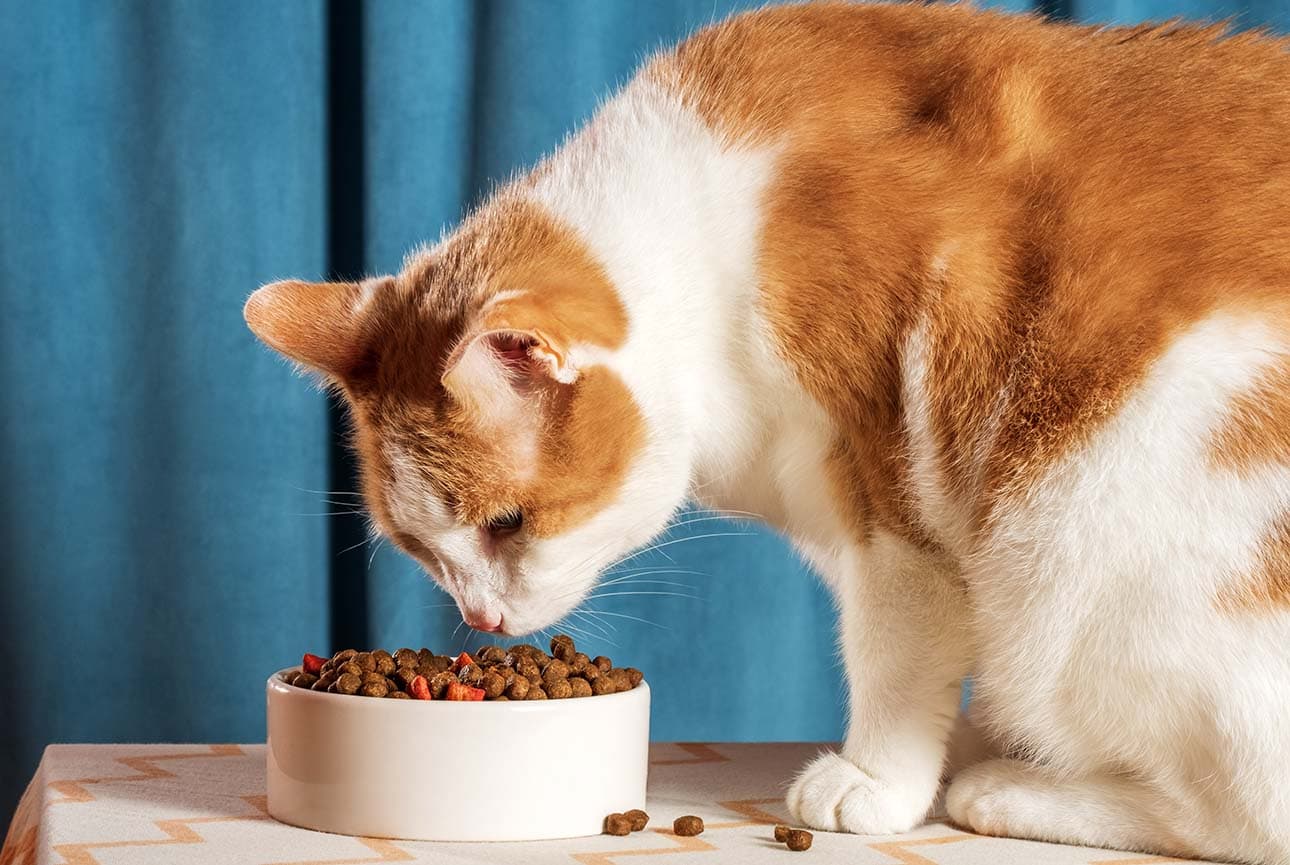
Food allergies in cats: signs, diagnosis & treatment in Dubai
Cats can develop food allergies at any time in their lives, even if they’ve been eating the same diet for years. Around 1% of all cats, and up to 15% of itchy cats, are affected. The most common signs are itchy skin, ear infections, vomiting, and diarrhoea.
 Updated: 08/01/2026
Food allergies in dogs: symptoms, diagnosis and treatment in Dubai
Food allergies in dogs are surprisingly common. Around 10% of all allergies in dogs are linked to food. They can appear at any stage of your dog’s life and even if your dog has been eating the same diet for years. The most frequent signs include itchy skin, repeated ear infections, and digestive upsets such as vomiting or diarrhoea.
 Updated: 25/11/2025
Grape and Raisin Poisoning in Dogs Dubai | Emergency Vet Care
Grapes and raisins are highly toxic to dogs, even in small amounts, and can trigger sudden kidney failure. The exact cause of this toxicity is still unknown, but the effects can be devastating, making immediate veterinary care critical.
 Updated: 25/11/2025
Xylitol Poisoning in Cats Dubai | Symptoms, Prevention & Treatment Guide UAE
Xylitol poisoning affects cats very differently from dogs. While even small amounts can be life-threatening for dogs, cats appear naturally resistant, except at extremely high doses. This resistance is thought to come from both their lack of interest in sweet foods and the way their bodies process the chemical. However, individual cats may still be vulnerable. While xylitol poisoning in cats is uncommon and typically less severe than in dogs, certain situations warrant immediate veterinary attention.
 Updated: 25/11/2025
Allium Toxicity in Dogs Dubai | Onion Garlic Poisoning
Allium toxicity is one of the more serious forms of food poisoning observed in dogs and, unfortunately, is relatively common here in Dubai, where many beloved dishes are rich in these aromatic ingredients.
 Updated: 25/11/2025
Xylitol Poisoning in Dogs Dubai | Symptoms, Treatment & Prevention Guide
Xylitol poisoning is one of the most serious emergencies in dogs, particularly as sugar-free and low-sugar products become increasingly common across the world. This artificial sweetener, found in everyday items like chewing gum, mints, toothpaste and diabetic-friendly snacks, can trigger a sudden, dangerous drop in blood sugar (hypoglycaemia) in dogs, and even liver failure, within hours.