

Role of a Veterinary Cardiologist
A veterinary cardiologist is a veterinarian who has received advanced education and/or training in the diagnosis and treatment of heart and vascular disease in animals. A veterinary cardiologist will conduct in-depth evaluations of the cardiovascular system, review and interpret specific testing (e.g., echocardiography, electrocardiograms), formulate individualized treatment plans, and monitor pets with chronic or ongoing cardiovascular conditions.
Our cardiologist at TVRC works collaboratively with your regular veterinarian to provide comprehensive and coordinated care for your pets, allowing them to live healthier and longer lives.


Common Heart Conditions
in Dogs and Cats
01
Acquired Heart Diseases
Heart conditions that develop over time,
commonly in adult or older pets.
Degenerative Valvular Disease (DVD) – Common in small breeds and older dogs; the mitral and/or tricuspid valves get thickened and leak, which can lead to heart enlargement and heart failure.
Dilated Cardiomyopathy (DCM) – Seen mostly in large breed dogs; the heart chambers enlarge and weaken, reducing the heart’s pumping ability.
Hypertrophic Cardiomyopathy (HCM) – Most common heart disease in cats; thickening of the heart muscle restricts proper blood flow causes blood clots formation and breathing difficulties.
02
Congenital Heart Diseases
Heart defects that are
present at birth.
Patent Ductus Arteriosus (PDA) – A vessel that should close after birth remains open, affecting normal blood circulation.
Pulmonic Stenosis – Narrowing of the pulmonary valve or artery that restricts blood flow from the heart to the lungs.
Septal Defects – Abnormal openings between heart chambers that affect normal circulation.
03
Systemic Heart Conditions
Conditions affecting the heart rhythm or blood pressure that can impact overall heart function
Arrhythmias – Abnormal heart rhythms such as tachycardia, bradycardia, or atrial fibrillation that can cause weakness, fainting, or exercise intolerance. Could be related to a primary heart problem or secondary to many systemic diseases.
High Blood Pressure (Hypertension) – Often associated with kidney disease or hyperthyroidism and may lead to heart damage, stroke, or organ complications.
04
Infectious & Vector-Borne Heart Diseases
Diseases affecting the heart caused by parasites or infections transmitted by vectors like mosquitoes
Heartworm Disease – Transmitted by mosquito bites; parasites live in the heart and lungs and can cause severe heart and lung disease in dogs and, less commonly, cats.

Signs and Symptoms
of Heart Disease
- Breathing Difficulties or Coughing
- Exercise Intolerance
- Lethargy and Fatigue
- Abnormal Heart Sounds
- Fatigue or Fluid Build-Up in chest/abdomen
- Fainting Spells (Syncope)
- Gums / Tongue color turns blue
Comprehensive Cardiac
Care for Pets
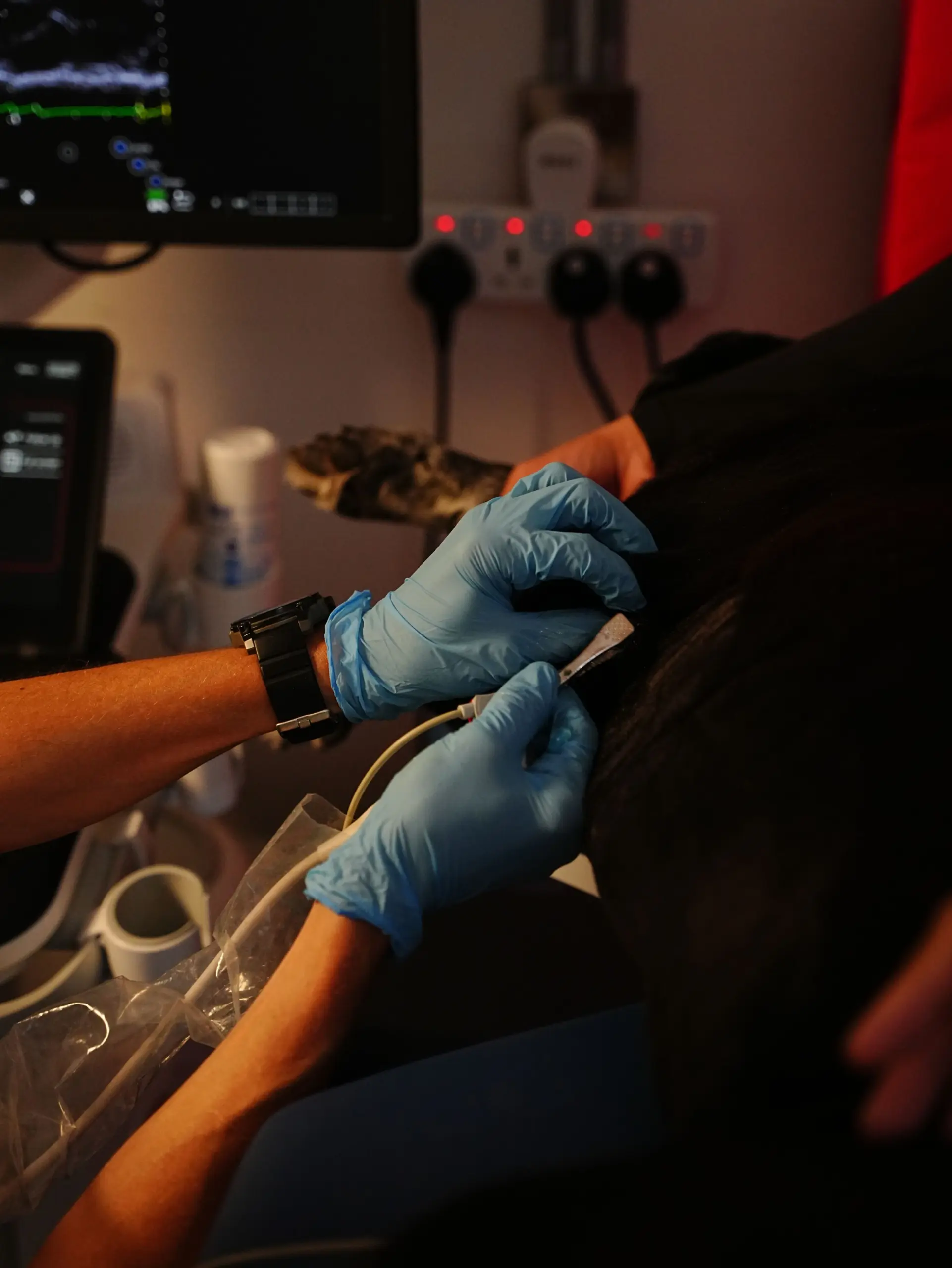
Each dog and cat receives a full examination to identify abnormal heart sounds, arrhythmias,
and potential indicators of heart disease so that we can provide an opportunity to intervene
quickly.
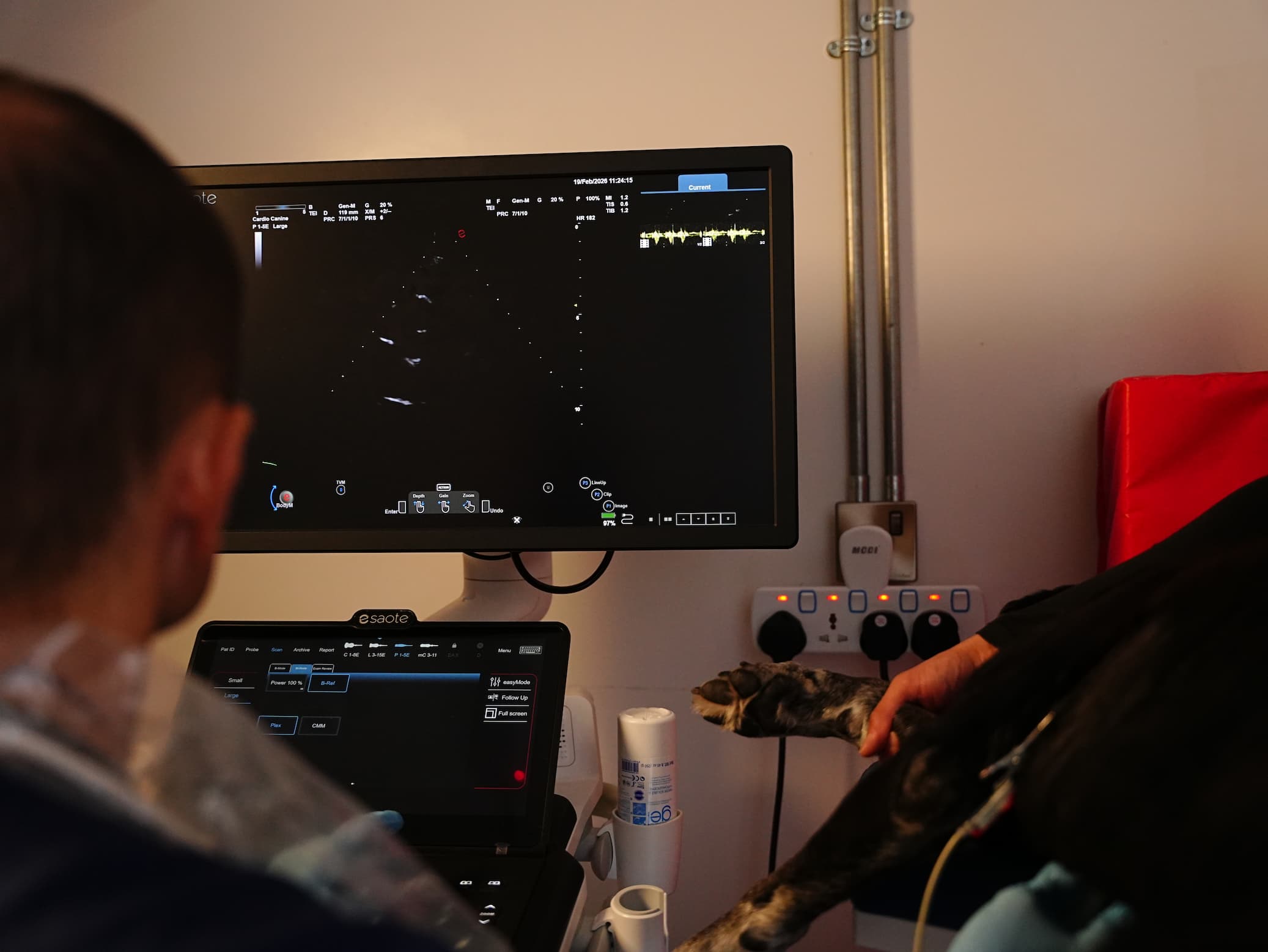
Using ultrasound technology and chest x-rays, our veterinarians are able to evaluate the heart’s structure and function and assess the lung tissue to help us determine if your pet has structural heart problems or is experiencing fluid accumulation in the lungs (pulmonary edema) or around the heart (pleural effusion).
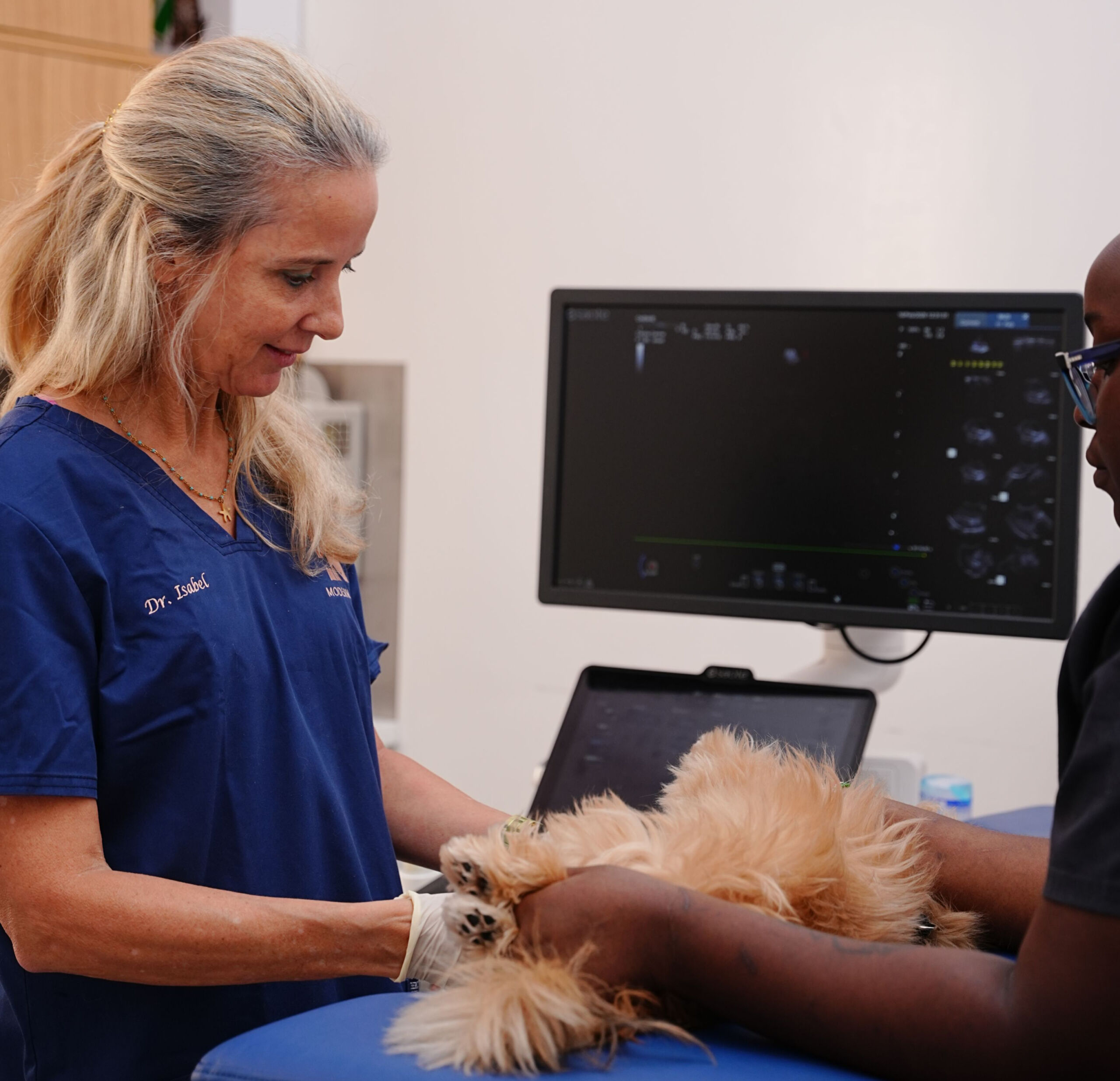
Our veterinarians may use both Holter monitors and ECGs to monitor your pet’s heart rhythm for 24 to 48 hours at home with a Holter or as a short term, in clinic recording with an ECG under with/without sedation for the purpose of identifying abnormal heart rhythms or detecting hidden heart rhythm abnormalities.
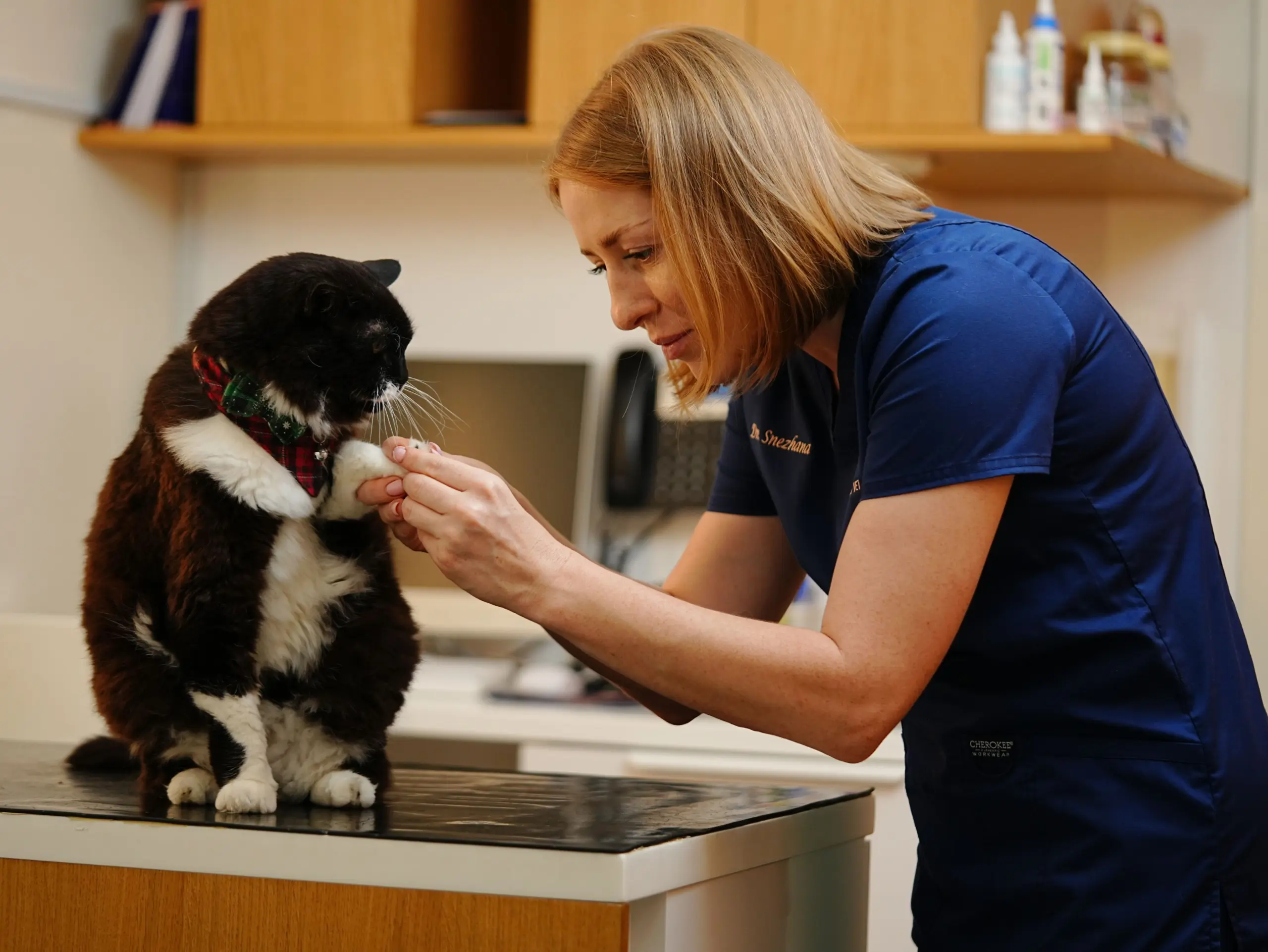
By evaluating your pet’s blood pressure, we can prevent organ damage caused by elevated
blood pressure on the heart, kidneys, etc.
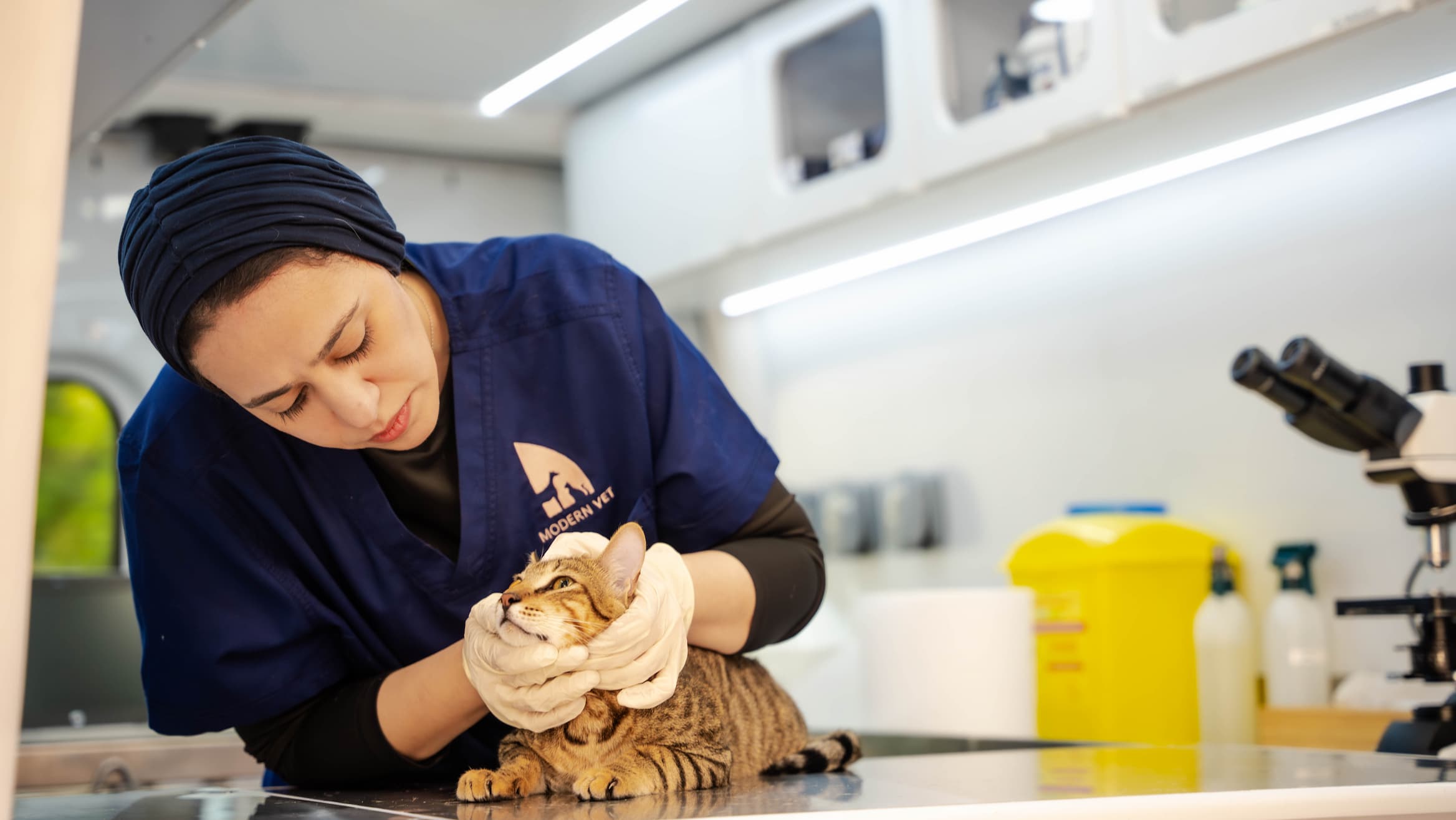
We run laboratory tests on your pet to evaluate cardiac function biomarkers (such as canine/feline specific NT-proBNP and canine/feline specific cardiac troponin-I) and to determine how the presence of heart disease may affect their internal organs; this helps us develop a treatment plan for them and to continually monitor their health status.

Through early diagnosis and treatment of congenital heart disease (such as PDA, pulmonic stenosis), we have various options available to treat these conditions, including medical therapy, surgery or interventional catheter procedures such as balloon valvuloplasty for pulmonic stenosis and PDA closure.
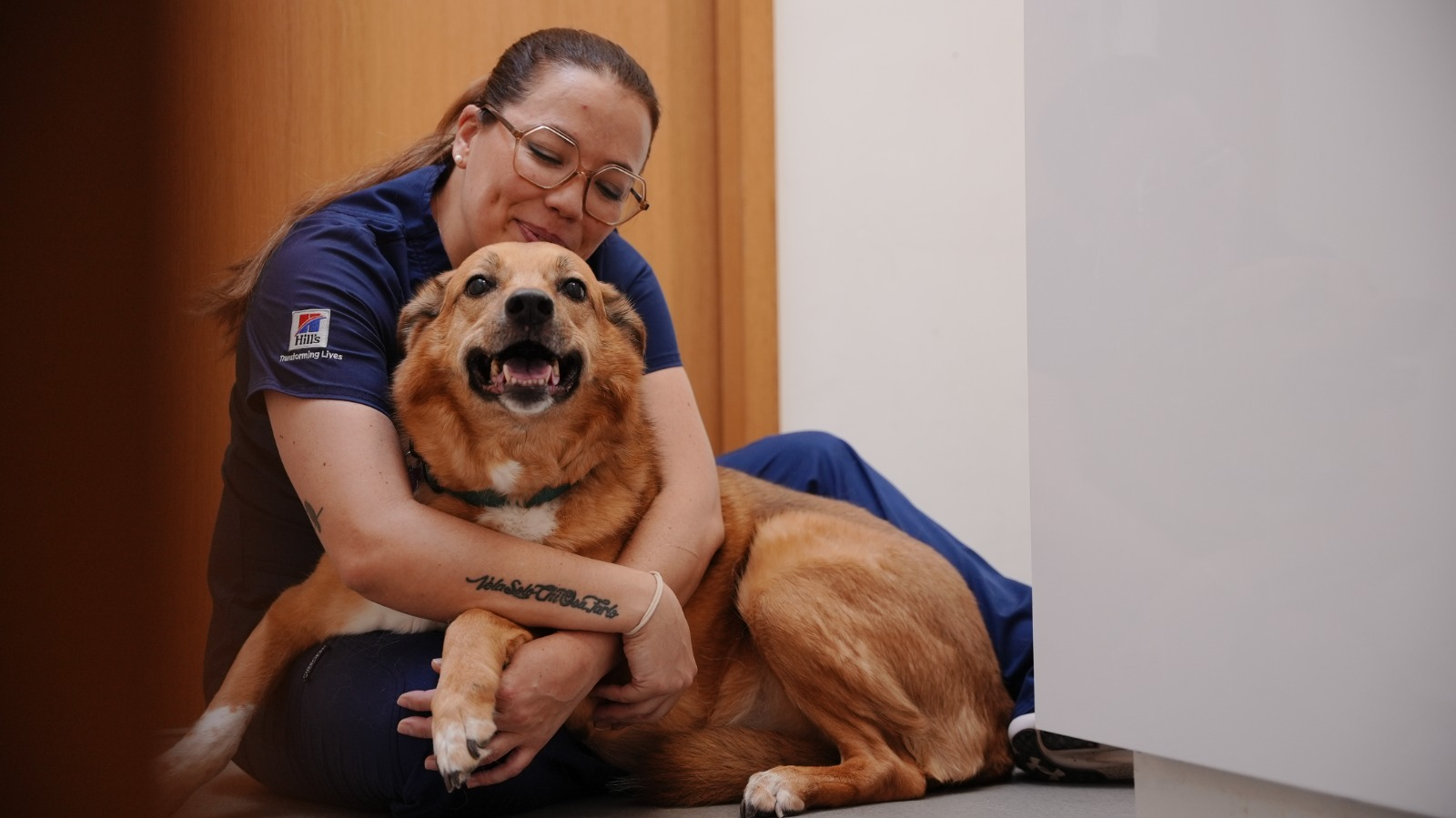
In addition to providing each of our heart failure patients with a personalized care plan, we also provide them with information about medication therapy, fluid management and dietary recommendations to help improve their quality of life.
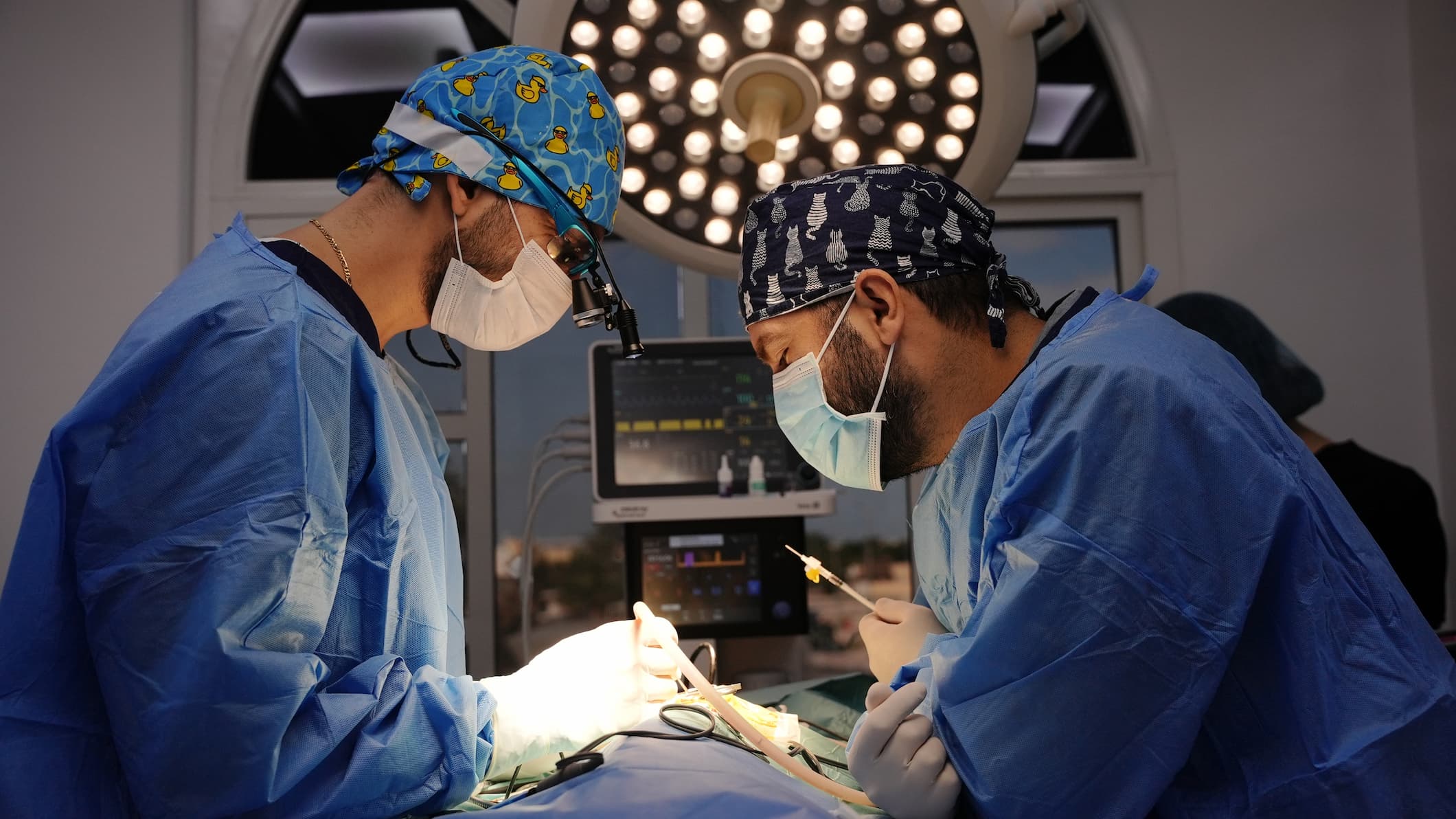
Through specialized procedures such as mitral valve repair through V-Clamp / Transcatheter edge-to-edge mitral valve repair, PDA closure, pacemaker placement or catheter-based therapies, we can address serious heart disease in your pet safely and effectively.
What to Expect During a Pet
Cardiac Checkup


The first step is to determine your pet’s medical history and lifestyle. We will also want to know any symptoms you have observed in your pet, such as coughing, tiredness, difficult breathing, changes in appetite or unusual behavioral patterns.


Our veterinarian will then perform a gentle complete physical examination of your pet, checking for problems with heart and lungs by measuring pulse and breath rate as well as evaluating your pet’s body condition and comfort level.


If needed, additional tests will be ordered. These may include blood work, urine analysis, electrocardiogram (ECG), echocardiography, chest X-rays, Holter monitoring, or blood pressure checks to provide a thorough assessment of your pet’s heart health.


Our veterinarian will clearly describe the results of all tests performed so that you can have a full understanding of your pet’s heart condition, potential complications, expected course of the illness and best care plan for future care.


Based on all findings, our veterinarian creates individualized treatment plan which may involve prescription medications, regular monitoring, adjustments to their lifestyle and/or advanced treatment options for long term support.
How Is Pet Heart Disease Treated?


We use a range medicine depending on the clinical scenario to improve heart function and manage arrhythmias, and treat thromboembolic events or congestive heart failure.

Low salt diet, managing your pets' weight, and modest exercise to decrease the load on the heart.

V-Clamp/TEER surgery to repair mitral valve, Catheter based left atrial decompression, PDA closure, balloon valvuloplasty, and pacemaker implantation for specific arrhythmias.

Regular follow-up appointments to monitor how well your pet is responding to treatment, to make adjustments to their medication regimen if needed, and to identify potential problems early.

Annual exams, breed specific testing, proper nutritional balance and chronic disease management can help maintain a healthy heart for life.
Learn More About “Cardiology”
Book Your Pet’s Heart
Check Today
Frequently Asked Questions
Our services include advanced diagnostics, 24 hour cardiac urgent care, multiple locations in dubai and free client education to help ensure that you receive accurate treatment and support for both your pet and yourself.
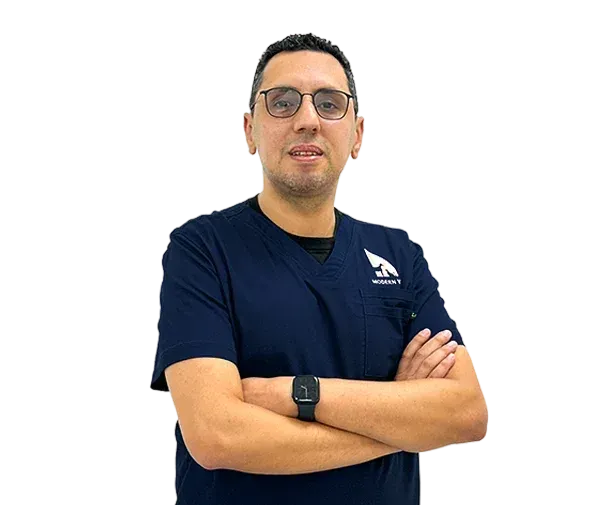
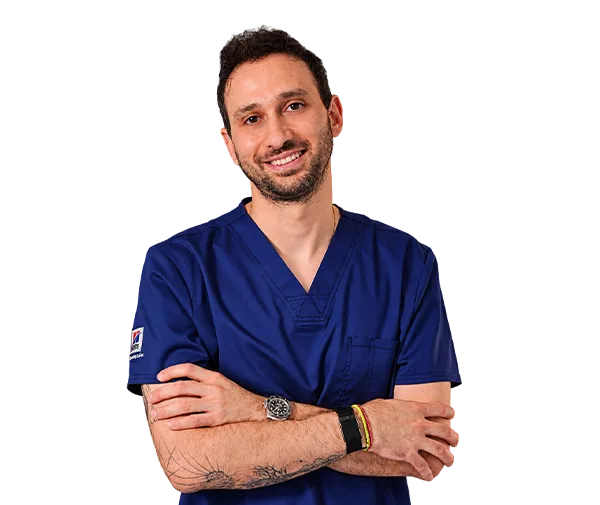
Meet the Team and Schedule your Appoinment
Modern Veterinary Clinic is the UAE’s only 24-hour multi-specialty vet hospital. What truly sets us apart is our team of highly qualified specialists, all dedicated to one goal, keeping your pets healthy. With a multinational team, years of experience, and many successful treatments, you can trust that your pet is in safe hands with us.
What our customers say


Posted on Google
 Kaoutar T
Trustindex verifies that the original source of the review is Google.
Many thanks to all the staff at the clinic, especially Emy for her professionalism and kindness, she always receives us with a big smile!Posted on Google LBK Agency InfiniVery goodPosted on Google
 Fatima zahra LemrabetI had a great experience at the vet clinic. The receptionist emmy was very helpful, kind, and efficient. They made the check-in process smooth and answered all my questions patiently. It really helped reduce the stress of the visit. Thank you for the excellent service!Posted on Google
 Irene EnriquezFantastic experience at Modern Vet! Joan was welcoming and efficient, and Nurse Paul was so gentle and patient with my cat. They made the whole visit stress-free — highly recommend! Thank you for an excellent service 👍Posted on Google
 Darwin EnriquezGood service and all the staff are approachable specially JM and nurse Paul


Discover your Nearest
Modern Vet Clinic in Dubai.
Book Your Pet’s Heart
Check Today