What Is Veterinary Oncology?

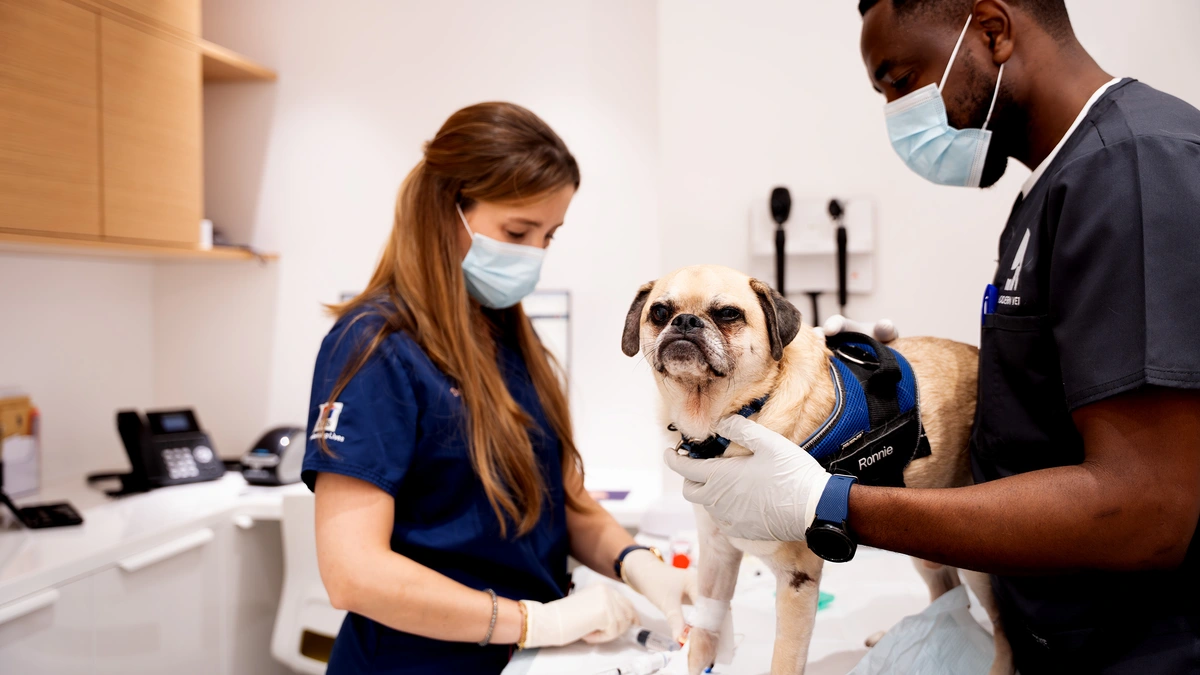
Veterinary oncology at our clinic focuses on how we diagnose, treat, and manage cancer to improve outcomes and quality of life. Veterinary oncology is a branch of veterinary medicine that concentrates solely on diagnosing and treating cancers in animals. The common treatments we provide are surgical interventions, chemotherapy, targeted therapies and palliative care. Our veterinary oncology team has experience working as vet oncology consultants and there is also a specialist dog cancer doctor in Dubai that pet owners can depend on for the best treatment options.

Our main goal is to maximize your pet’s quality of life for as long as possible. As such, our focus is on improving or maintaining your pet’s comfort level, ability to be active and enjoyment of daily activities during the course of their treatment.

Book A Comprehensive
Oncology Consultation

Most Common Cancers
Found in Pets

At Modern Vet, we have veterinarians who are able to provide a diagnosis and treatment for a wide variety of different cancers found in pets. Our dog oncology specialist in Dubai and the cat oncology team focus on early detection and immediate treatment planning to improve survival rates. Early detection and treatment can greatly improve both the outcome and overall quality of life for your pet.

Lymphoma

The most common cancer of the lymphatic system in dogs and cats that causes swollen lymph nodes, lethargy, and loss of appetite. Lymphoma is commonly treated with chemotherapy; this type of treatment has been successful in achieving remission in many cases.

Mast Cell Tumors (MCTs)

One of the most common skin tumors found in dogs can look like a lump or mass on the skin. Surgery to remove the tumor is typically the first course of treatment and chemotherapy may also be recommended in certain cases.

Osteosarcoma

An aggressive form of bone cancer that primarily affects larger breeds of dogs. Dogs suffering from osteosarcoma will experience lameness and swelling of the legs where the tumor is located. The typical treatment options include surgery to remove the tumor followed by chemotherapy.

Soft Tissue Sarcomas

This type of sarcoma originates in the body’s connective tissue and typically presents itself as a firm mass under the skin. Surgery is the most common treatment option.

Hemangiosarcoma

This is an aggressive form of blood vessel cell cancer that often develops in either the spleen or the heart. Hemangiosarcoma can result in sudden internal bleeding. A combination of surgery and chemotherapy is a possible treatment.

Mammary Tumors

Very common in unspayed female dogs and also seen in cats, where tumors are more likely to be malignant. Mammary tumors are either benign or malignant and early surgical removal of the tumor offers the best prognosis.

Oral Tumors

Cancerous tumors found in the mouth or gums can cause symptoms such as bleeding, bad breath, and difficulty eating. Possible treatment options include surgery and chemotherapy depending on the case.

Transitional Cell Carcinoma (TCC)

Transitional Cell Carcinoma (also called urothelial carcinoma) of the bladder and urinary tract, this is a type of cancer that can cause blood in the dog’s urine or difficulty urinating. Chemotherapy and targeted therapy are possible treatment options.

Early Warning Signs of
Cancer in Pets

Recognizing early warning signs of cancer in animals will greatly increase the positive treatment outcome. Getting early advice from a professional veterinary oncology expert will lead to quicker identification and a higher likelihood of success of the chosen therapy. The pet owner should be on the lookout for the following warning signs in their pet:

Any unexplained lumps or swellings

Sores or wounds that don’t heal

Unexplained loss of weight or decrease in appetite

Trouble with eating, chewing or swallowing

Bleeding or an abnormal
discharge coming from
the nose, mouth, etc.

Persistent lameness, stiffness or swelling in one or more limbs

Difficulty breathing, urinating or defecating

Lethargic, weak or less active than normal.

Advanced Cancer Diagnostics
for Pets

Detailed Physical Examination

All oncology evaluations start by conducting a full body examination of the animal. The oncology vet will evaluate all lumps, lymph nodes, etc., throughout the animal’s body for any abnormality that could be indicative of cancer or an additional condition. This detailed assessment helps identify areas requiring further investigation and provides valuable information for planning the most appropriate diagnostic tests and treatment.

Diagnostic Imaging

The Modern Vet utilizes state-of-the-art diagnostic imaging techniques to create images of tumors inside the body to determine the tumor’s size and location, as well as the extent of its spread. Our imaging services include digital X-rays, high-resolution ultrasound, CT scans and MRI technology. These detailed images allow our veterinary specialists to make faster, more accurate diagnoses and develop the most effective treatment plan for your pet.

Cytology and Biopsy

Cytology and biopsy are two diagnostic methods used to confirm cancerous conditions. During cytology, our veterinary staff will use a fine needle to collect cellular material from a mass or lesion for rapid evaluation. During a biopsy procedure, we will collect tissue samples from a mass, lymph node, or organ to examine under a microscope to make a final determination of the presence of cancer.

In-House Laboratory

Each of the MV Clinics is equipped with an in-hospital laboratory designed to perform a variety of diagnostic tests on an animal, including blood analysis, biochemical testing, cytology preparation, and many other important screening tests. If the veterinarian requires additional testing to be done outside of the clinic, the samples are sent to IDEXX reference laboratories located in the United Kingdom to analyze the samples further.

Blood and Urine Tests

It is very common for veterinarians to run a series of blood and urine tests before beginning a course of treatment such as chemotherapy or surgery to evaluate the animal’s overall health, detect any metabolic problems, and to see if there is any indication of organ damage. The results help ensure therapies are safe, effective, and tailored to your pet’s individual health status and medical needs.

Staging of Cancer

After cancer is confirmed by your veterinarian, it is necessary to stage the cancer to determine where the cancer is located in the body and how extensive the cancer is. Staging typically involves some combination of imaging studies, laboratory tests and/or tissue sampling. Proper staging of cancer enables vet oncology consultants to provide you with the most effective and individualized treatment plan for your pet.

Comprehensive Oncology Treatment Options

MV Clinics provides specialized veterinary oncology services provided by Dr Beatriz that include but are not limited to chemotherapy, surgical oncology and palliative care to help improve the quality of life of your pet and their long term survival of cancer.

01
Treatment Planning

Each pet's cancer diagnosis is unique in that there are many different types of tumors. Treatment options for your pet will be based on the type of tumors your pet has, the stage of your pet's cancer, and your pet's overall health. Most importantly, all decisions are made to preserve and enhance your pet's quality of life as you move through each part of their care process.

02
Surgical Oncology

Surgery is the primary treatment for many solid tumors. Our team performs pet tumor removal Dubai using advanced surgical techniques to remove tumors while sparing as much surrounding healthy tissue as possible.

03
Chemotherapy

Chemotherapy is commonly used for systemic cancers (such as lymphoma) or in conjunction with surgery. Veterinary chemotherapy is designed to control cancer maintaining a good quality of life for your pet throughout treatment.

04
Targeted Therapy

Targeted therapies address only the targeted area in which the cancer resides. Thus, treatments will have a reduced effect on normal tissue. This method may result in better clinical responses for your pet as well as support their quality of life during treatment.

05
Palliative and Supportive Care

If there are no longer any viable options available for treating your pet's cancer, supportive care focuses on making your pet as comfortable as possible using pain relief, controlling nausea, promoting your pet's appetite, and providing hospice care.

Learn More About “Oncology in Pets ”

Advanced Cancer Care
With Compassion

Frequently Asked Questions

Veterinary cancer diagnosis is often accomplished with a physical examination, radiographs or ultrasound, lab tests, and cytological or biopsy testing. Our pet cancer diagnosis UAE approach focuses on fast, accurate and complete evaluation to begin treatment without delay.

Yes, Veterinary chemotherapy is typically well tolerated in pets and is developed to focus on quality of life during the time of treatment. The vet cancer specialist who develops the plan for treatment works to find a balance of how effective the treatment will be and how much it will affect the quality of life of your pet.

Many cancers can be cured with successful treatment. However, when diagnosed at an early stage by a dog cancer doctor dubai, the chances of either curing your pet’s cancer or having it under control for the rest of its natural lifespan increase dramatically. Other times, the goal of treatment will focus on managing the cancer and maintaining a good quality of life for the pet for as long as possible.

Some signs of pain in pets may include loss of appetite, lack of mobility, lethargy, whining or meowing, restless pacing, and changes in behavior. Pets’ veterinarians watch these changes very closely and treat your pet for pain when it is deemed necessary.

It is estimated that approximately 50% of all dogs and 30% of all cats will develop cancer before they reach the age of 10.

If you have discovered a new lump, mass, or swelling on your pet, if your pet has lost weight without reason, if your pet is lame without explanation, or if your pet is eating less than usual or acting differently, schedule an appointment with an oncology vet, so he/she can properly diagnose your pet.

Meet the Team and Schedule your Appoinment

Modern Veterinary Clinic is the UAE’s only 24-hour multi-specialty vet hospital. What truly sets us apart is our team of highly qualified specialists, all dedicated to one goal, keeping your pets healthy. With a multinational team, years of experience, and many successful treatments, you can trust that your pet is in safe hands with us.

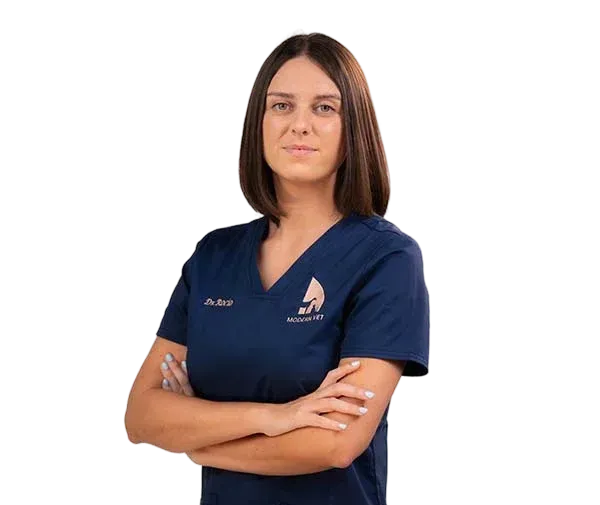
Dr. Rocio Mena
DVM
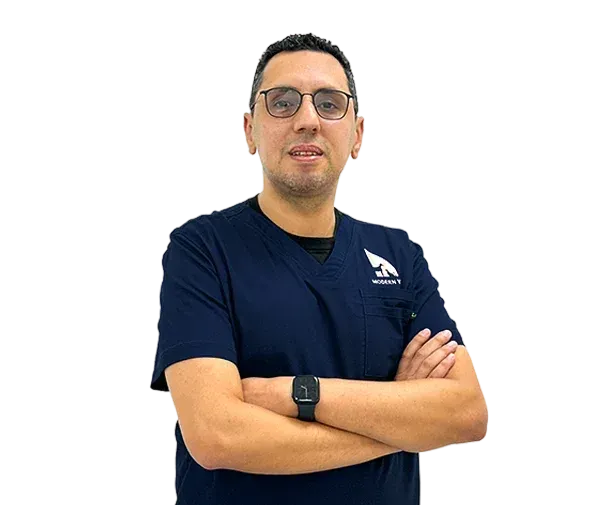
Dr. Moustafa Hafez
DVM
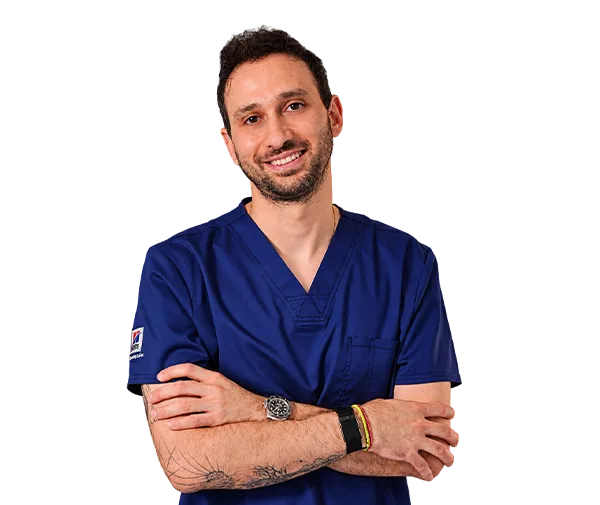
Dr. Roy Hassoun
DVM, MVSC, BVSc, DISAMS, DSAS

What our customers say

4.9 Rating from 1800 Reviews
5 stars
Write a Review

Discover your Nearest
Modern Vet Clinic in Dubai.

Modern Vet JLT
  • Fortune Tower, Cluster C, Dubai, UAE

  • 97145971000

  • 7 am – 10 pm

Modern Vet JVC
  • Platinum Residences, Dubai, UAE

  • 97145971000

  • 7 am – 10 pm

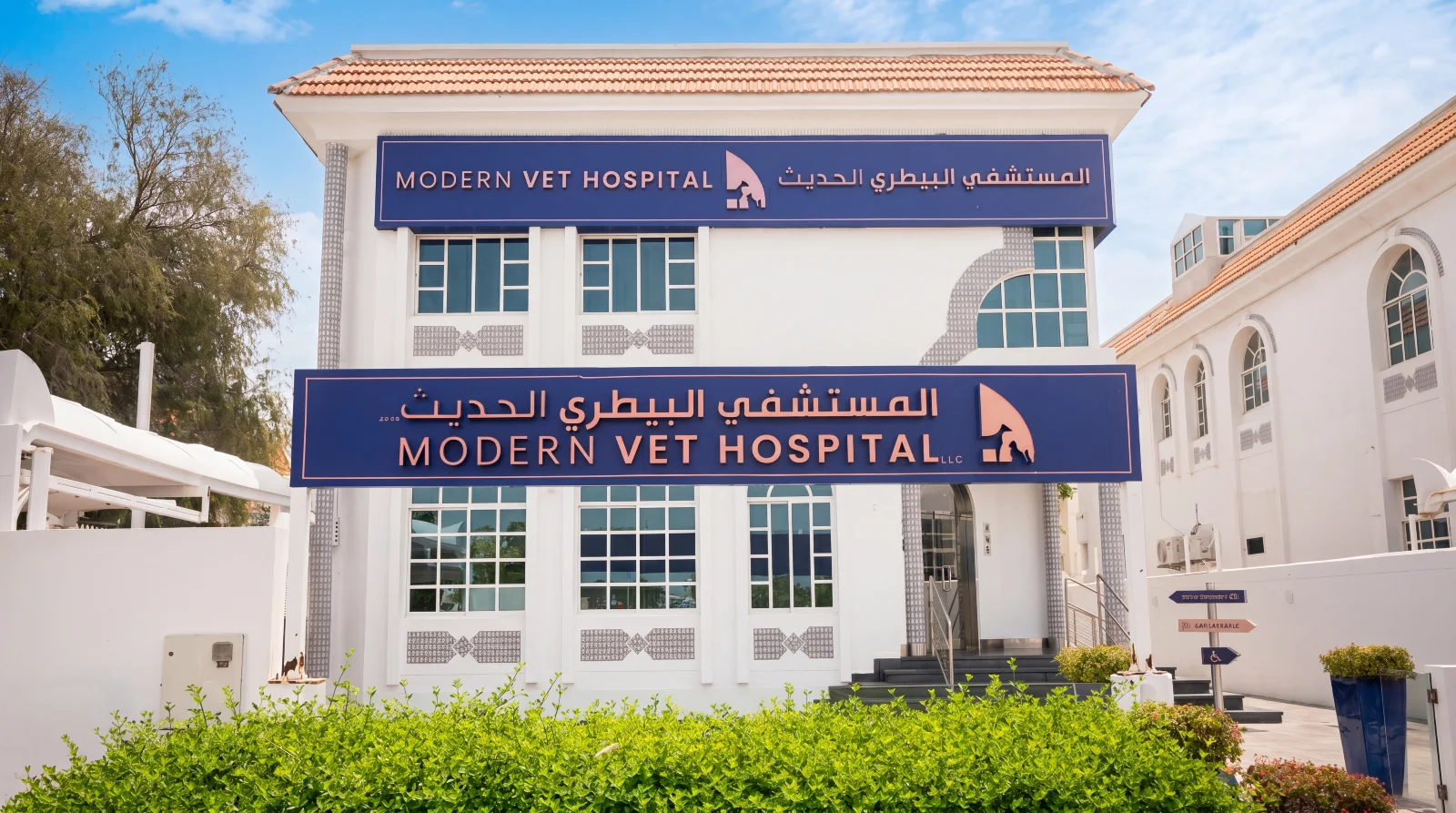
Modern Vet Hospital
  • Umm Suqeim, Al Wasl Road, Villa #793, Dubai, UAE

  • 97145971000

  • 24 hours

Modern Vet Downtown
  • South Ridge Tower – Downtown – Dubai, UAE

  • 97145971000

  • 7 am – 10 pm

Modern Vet Palm
  • Golden Mile Galleria 4, Palm Jumeirah, UAE
  • 97145971000

  • 7 am – 10 pm

Modern Vet Azizi
  • Azizi Reviera 28, Al Merkadh, Nad Al Sheba 1, Dubai, UAE
  • 97145971000

  • 10 am – 6 pm

Protect Your Pet
With Early Screening