
 Updated: 05/06/2026
Can Dogs Get Fleas from Grass?
As an owner of a four-legged companion, you may ponder the possibility of your pup getting fleas from the grass. Fleas are parasites that nourish themselves on the blood of canines and other animals and can produce a range of medical difficulties, including skin irritation, allergic reactions, and even anemia
 Updated: 05/06/2026
Allergy to Cats and Dogs: Symptoms and Treatment
An allergic reaction to pets is due to a genetic predisposition and is never acquired. Allergic reactions typically occur upon contact with animals and often start with sneezing and tearing, intensifying over the next three hours.
 Updated: 05/06/2026
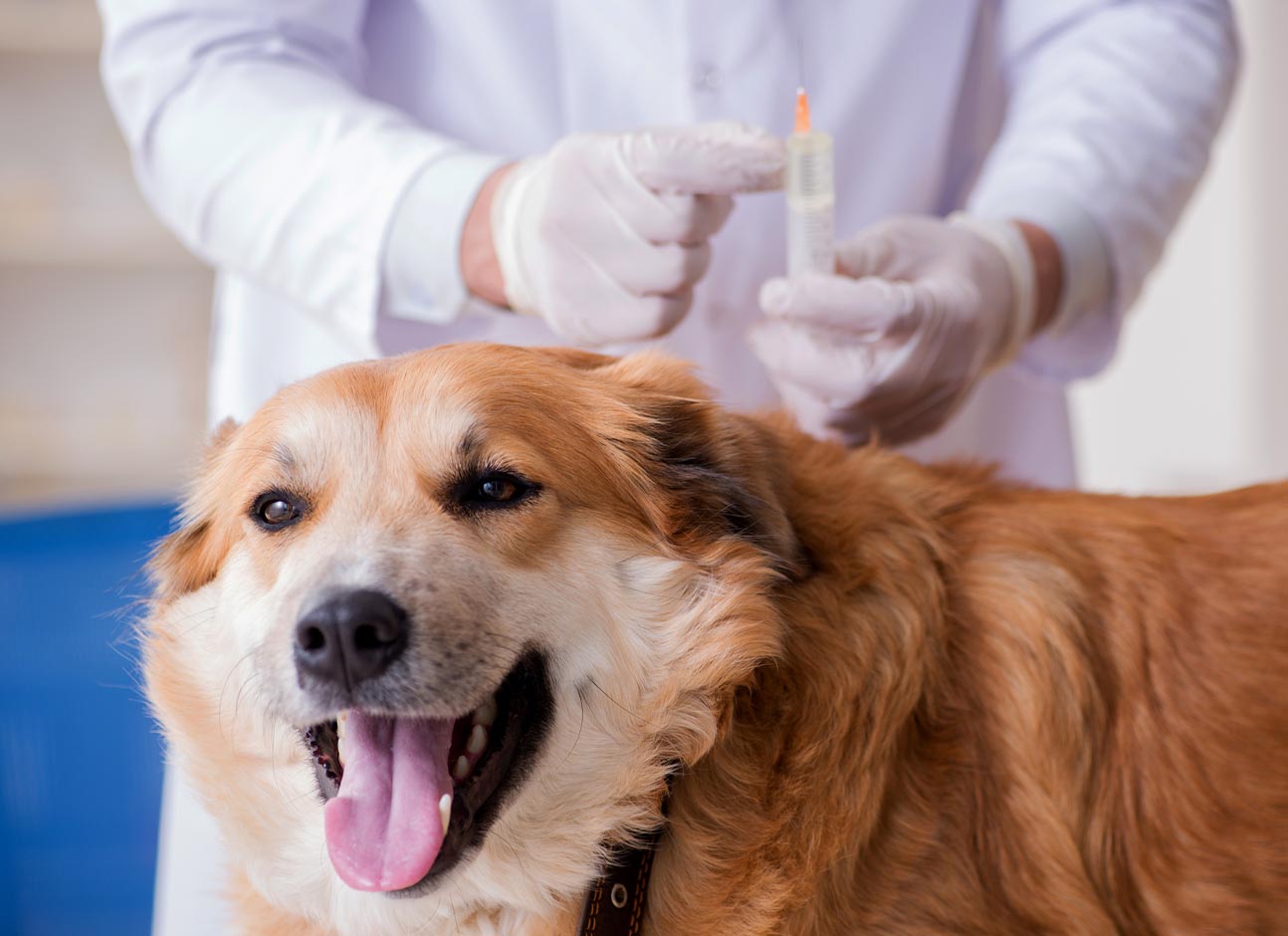
Babesiosis (Piroplasmosis) in Animals: Symptoms, Diagnosis, and Treatment
Babesiosis, also known as piroplasmosis, is a parasitic disease caused by the blood parasite Babesia and transmitted by ticks from the Rhipicephalus species. The tick infects the animal through its saliva during a bite, usually in areas with thin skin. The parasite settles in the red blood cells, multiplying and destroying them, which leads to anemia, degenerative processes, and clogging of the vascular system.
 Updated: 05/06/2026
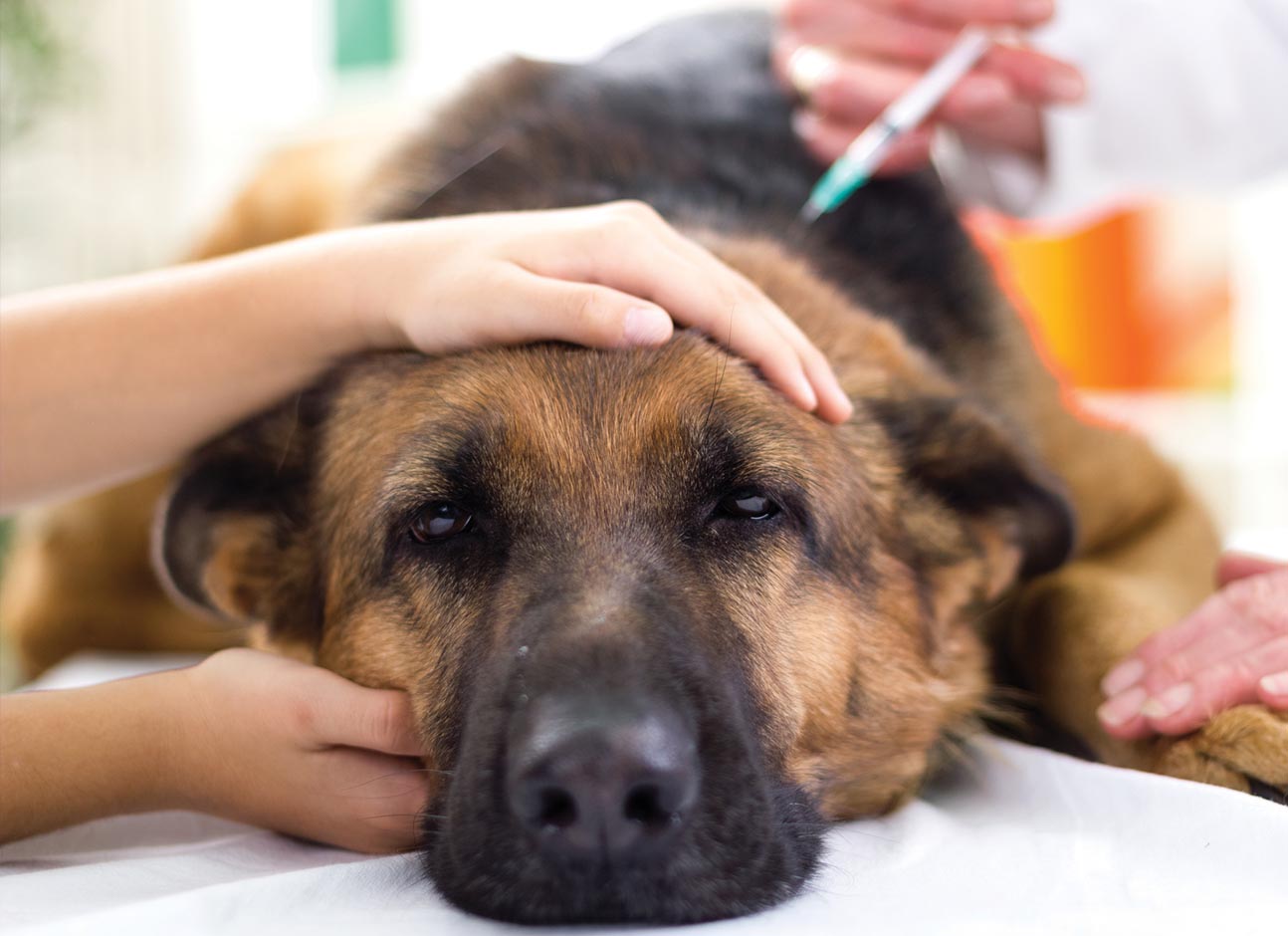
Dirofilariasis in Dogs and Cats
Dirofilariasis primarily affects the pulmonary and cardiac systems. In most cases, the helminths complicate blood circulation and cause heart valve problems. Less commonly, the helminths settle in the abdomen, eyes, brain, and spinal cord. The helminths grow for seven to eight months and have a lifespan of about three years, during which they can lay up to 30,000 microfilariae per day.
 Updated: 05/06/2026
Demodicosis in Dogs and Cats: Diagnosis and Treatment
Demodicosis is a complex and not fully understood disease caused by ticks. These ticks feed on the epithelium, destroying its integrity and irritating nerve endings. This leads to inflammation, hair loss, and the formation of abscesses.
 Updated: 29/06/2026
BLOAT IN DOGS
Bloat in dogs are essentially stomach disorders namely gastric dilatation (GD) which involves the stomach filling up with gas, and gastric dilatation and volvulus (GDV) which results in the bloated stomach twisting upon itself, blocking its entrance and exit.
 Updated: 30/06/2026
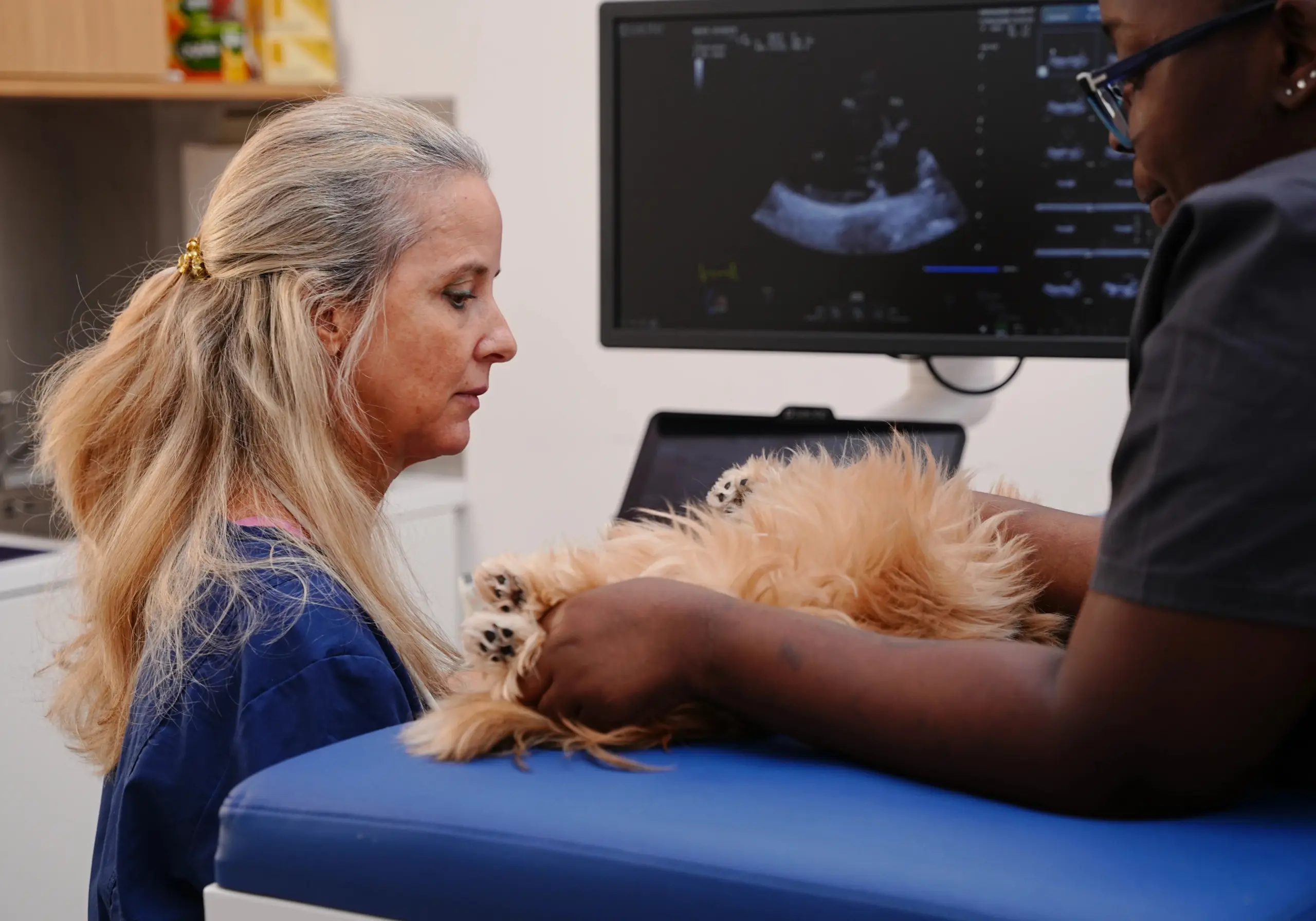
CONGESTIVE HEART FAILURE IN DOGS AND CATS
Reviewed by Dr. Nicoletta Nica Updated on 30/06/2026 Reading time 4 min. Overview Severity: Low Life stage: All Congestive heart...
 Updated: 05/06/2026
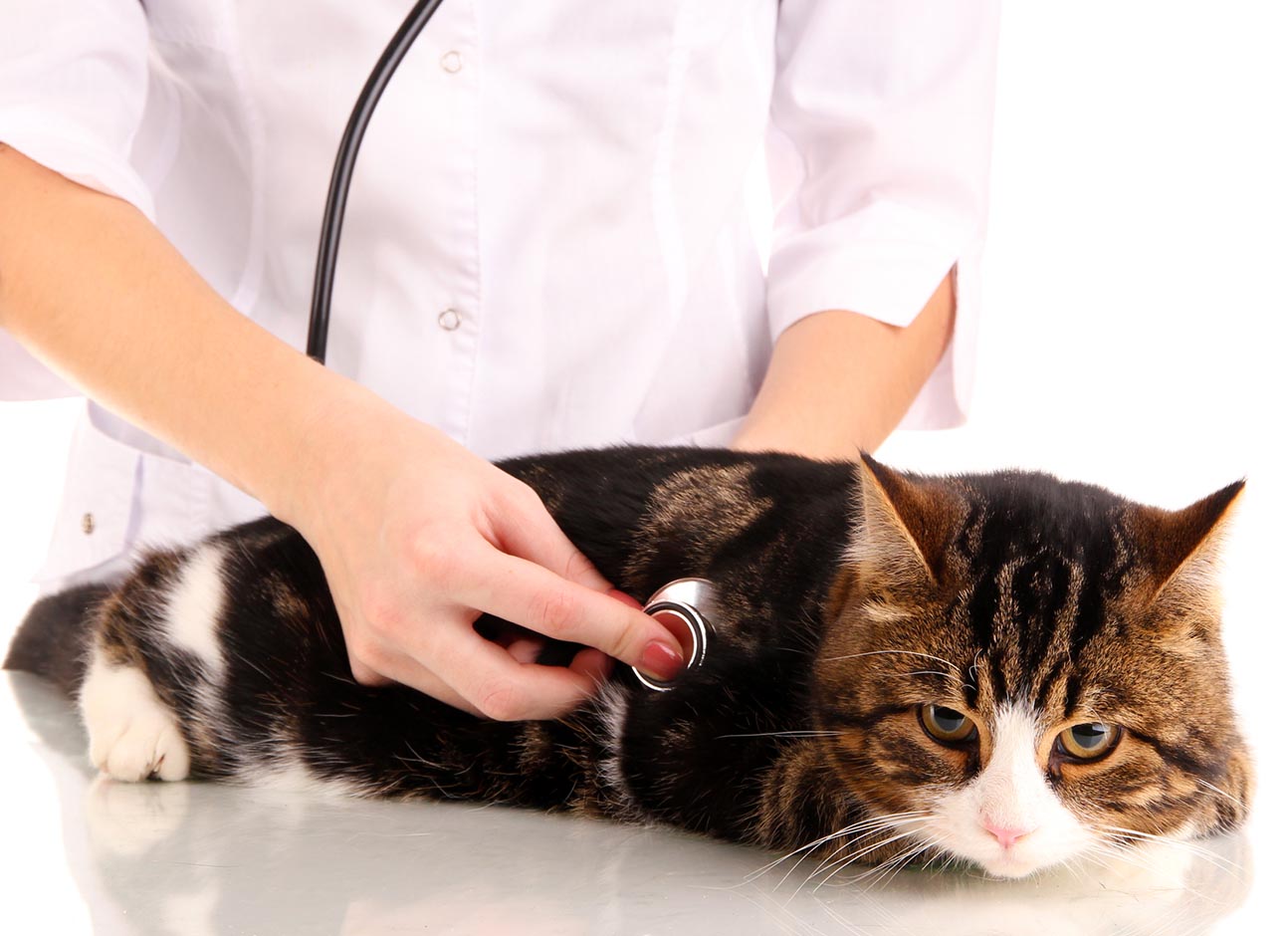
Deworming Animals: Cats and Dogs
Deworming refers to treatments or preventive measures against helminth (worm) infections. It is highly recommended for all animals, whether they live indoors, outdoors, or on the streets.
 Updated: 05/06/2026
Fleas in Dogs and Puppies: Signs, Treatment Methods, and Key Features
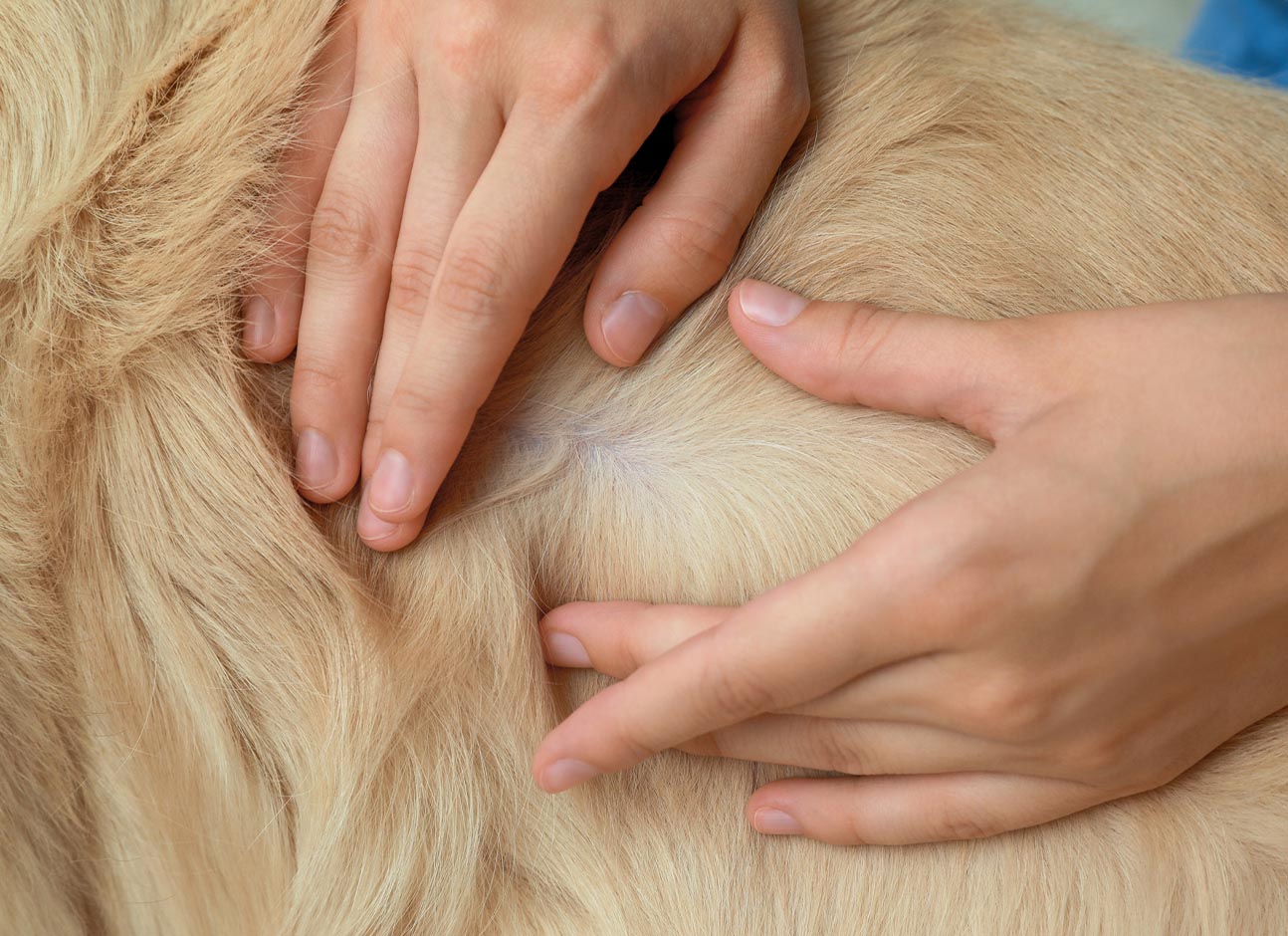
Fleas are blood-sucking parasitic insects that live in the coats of animals, reproduce actively, and can jump from one host to another. Even if you don't take your pet for walks, there is still a risk of flea infestation.
 Updated: 30/06/2026
DIARRHEA IN DOGS
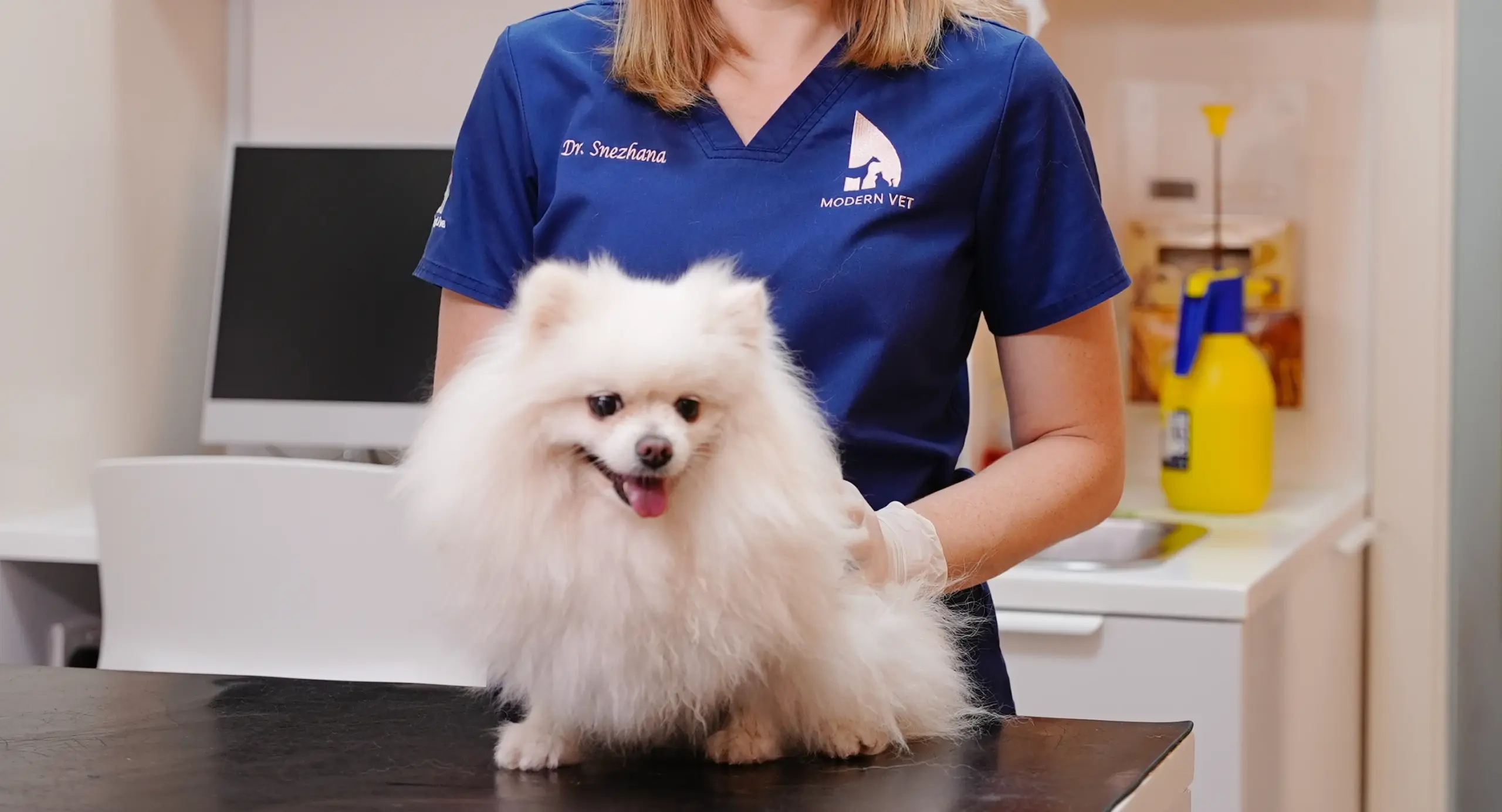
Diarrhea has never been a pleasant topic to discuss let alone experience. However, it is a common occurrence among dogs much to the displeasure of their owners. Varying in regularity, extent and intensity, diarrhea differs from dog to dog.
 Updated: 10/07/2026
COUGHING IN DOGS
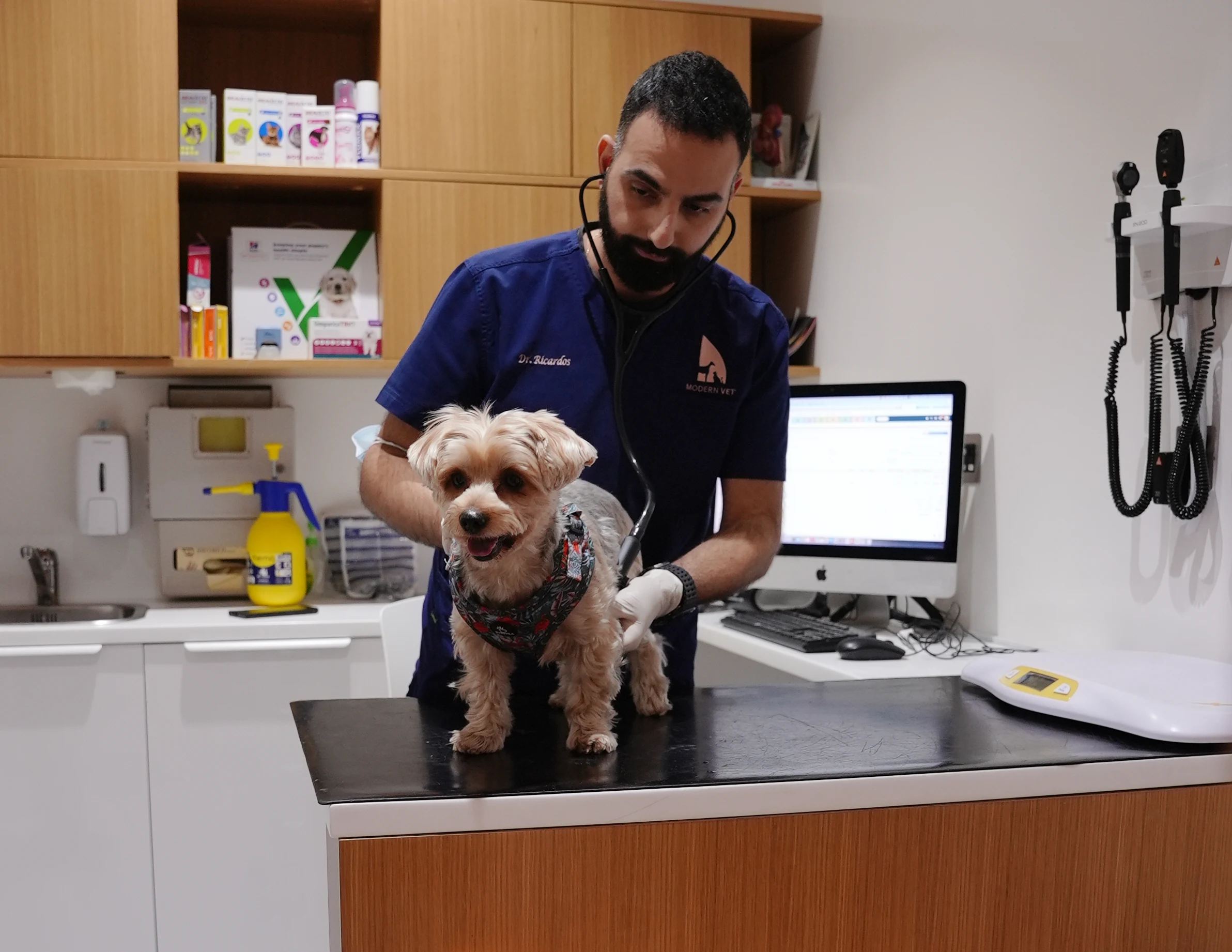
Coughing in dogs is a common symptom that could indicate irritation or disease affecting the respiratory system, heart, or airways. It is a protective mechanism to expel mucus, foreign bodies, or infectious agents from the throat and lungs. Occasional coughing may occur in healthy dogs, but persistent, frequent, or worsening coughing often indicates an underlying condition that requires veterinary attention.
 Updated: 24/06/2026
MAST CELL TUMOR IN DOGS
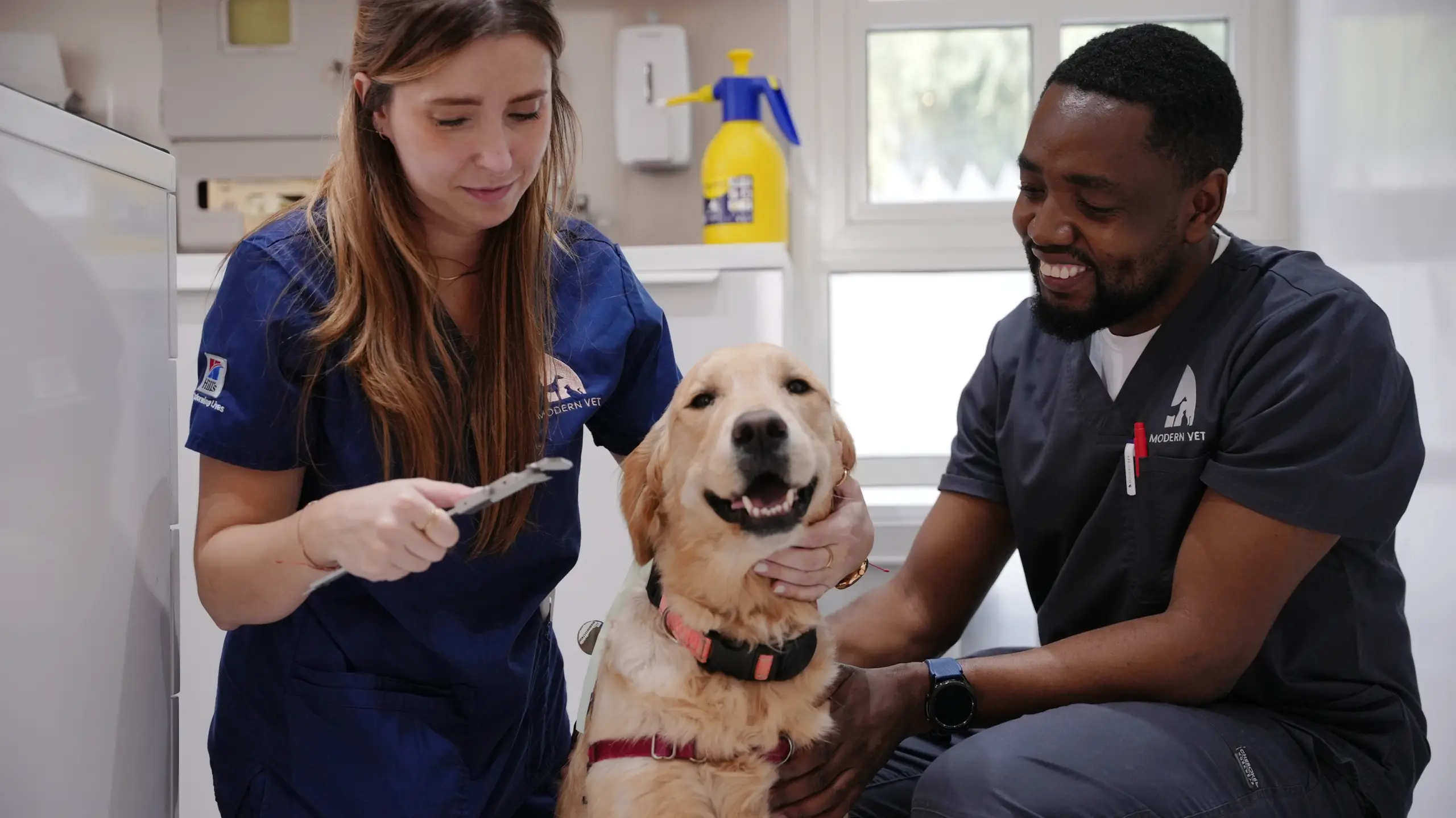
Mast cell tumors are one of the most common skin tumors in dogs. They develop from mast cells, an element of the body's immune system that normally causes allergic reactions and inflammatory responses.