

Reviewed by Dr. Nicoletta Nica
Updated on 30/06/2026
Reading time 4 min.
Overview
Severity: Low
Life stage: All
Congestive heart failure (CHF) occurs when the heart cannot pump enough blood to meet the body’s oxygen needs. Blood and fluids accumulate in either the lungs or throughout the body, resulting in difficulty breathing, tiredness and reduced oxygen delivery to muscles.
Unlike being a singular condition, CHF represents the end stage of several types of heart diseases. The majority of cases are identified in association with valvular heart disease or dilated cardiomyopathy in dogs. In cats, hypertrophic cardiomyopathy is the most common association with CHF. Early identification and successful treatment will allow some patients to live a relatively normal quality of life for months to years.
Causes
CHF develops when underlying heart disease gradually weakens the heart’s ability to pump blood effectively.
Degenerative valve disease, which results from chronic damage to the heart valves, causing them to become progressively thicker and leakier, is one of the leading causes of CHF in dogs. Large breed dogs have a high incidence rate of dilated cardiomyopathy, which causes the heart muscle to weaken and enlarge.
Hypertrophic cardiomyopathy, characterized by abnormal thickening of the heart muscle and subsequent impairment of the heart’s filling and pumping capabilities, is the most common cause of CHF in cats.
Additional contributing factors include birth defects of the heart, hypertension, heartworm disease in dogs and systemic illness affecting heart function.
Symptoms
- Persistent coughing (more common in dogs)
- Difficulty breathing or rapid breathing
- Shortness of breath, especially after activity
- Fatigue and reduced exercise tolerance
- Weakness or collapse in severe cases
- Fluid accumulation in the abdomen (swollen belly)
- Bluish gums or tongue due to low oxygen
- Restlessness, especially at night
- Loss of appetite and weight loss
- Open mouth breathing in cats (emergency sign)
Early symptoms in cats may be less apparent than those in dogs. Cats may hide, decrease their level of grooming, or show a marked reduction in physical activity before showing obvious clinical signs.
Risks
Congestive heart failure (CHF) is a progressive and potentially fatal disease. As heart function deteriorates, fluid accumulation in the lungs (pulmonary edema) results in significant respiratory distress.
In the final stages of this condition, the pet develops severe respiratory distress due to a lack of oxygenation of their tissues and prolonged exposure to low oxygen levels will ultimately lead to organ failure and death.
Patients with CHF may have a sudden worsening of their condition due to exertion or stress. Without intervention, CHF can also significantly shorten a pets life expectancy, as well as result in a decline in quality of life.
Complications may include:
- Pulmonary Edema
- Pleural Effusion (Increased pressure around the lungs resulting from fluid accumulation)
- Arrhythmias
- Organ Damage from Poor Perfusion
Diagnosis
Diagnosis is made by performing a thorough examination of the patient along with advanced diagnostic tests.
Abnormal heart sounds such as murmurs and irregular heart rhythms are commonly identified on physical examination. Imaging modalities are then used to confirm the diagnosis as well as assess the degree of severity of CHF.
Common Diagnostic Tools
- Chest X-Ray shows fluid accumulation in the lung or heart enlargement
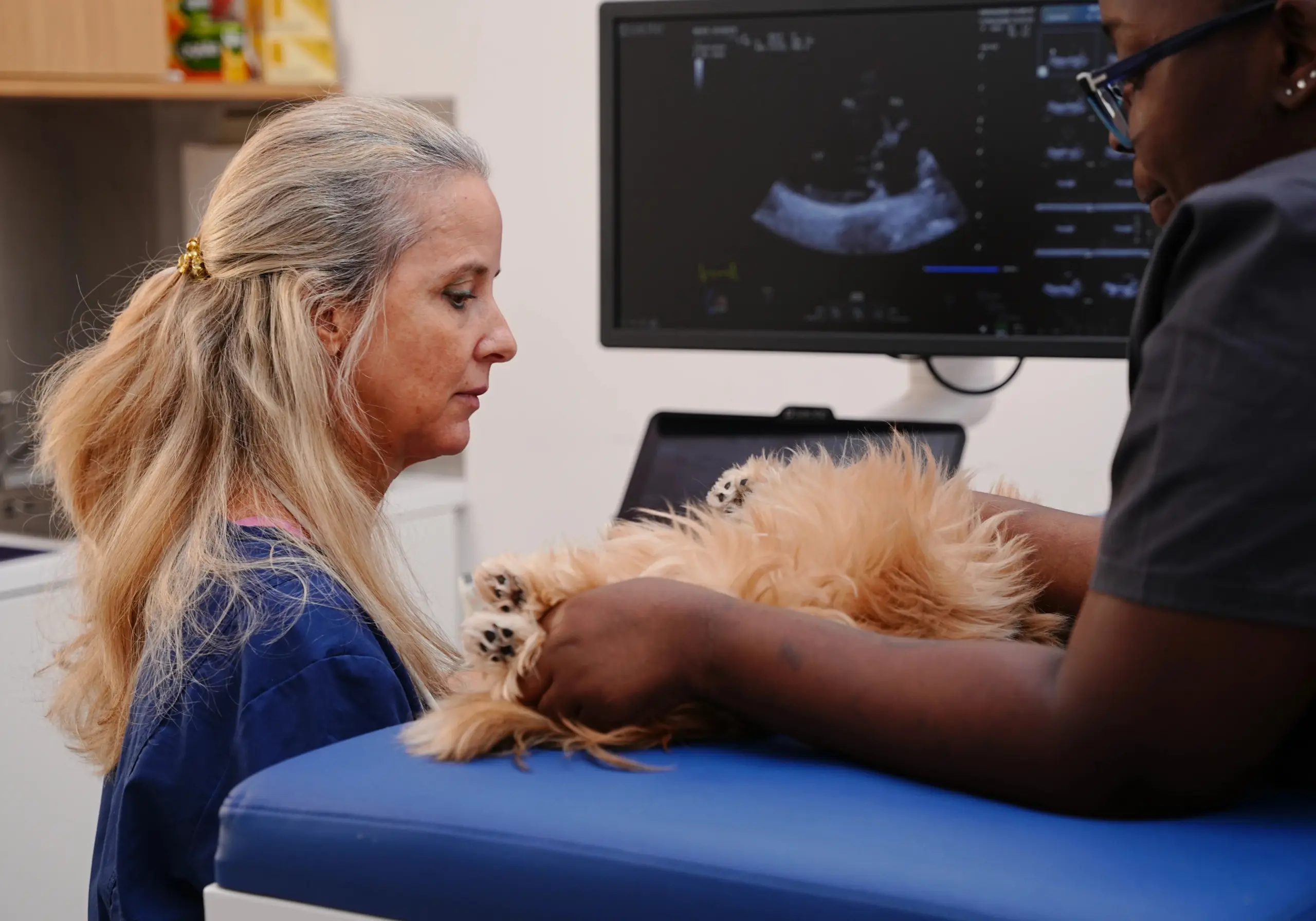
- Echocardiogram shows the structure and function of the heart
- An electrocardiogram is an evaluation of the heart rhythm
- Blood Tests help in the evaluation of each major organ system
- Blood Pressure provides insight into the possible underlying cause
The results of these tests will establish a diagnosis as well as guide the treatment plan.
Treatment
CHF is managed by improving heart function and reducing excess fluid in the lungs and body. While CHF is not typically curable, in most cases, CHF can be controlled through various treatment options.
Medical Management
Commonly used medications for CHF treatment include:
Diuretics to remove excess fluid from the body
- ACE inhibitors to reduce blood pressure and improve heart efficiency
- Pimobendan to strengthen heart contractions in dogs
- Beta blockers or calcium channel blockers in selected cases
- Oxygen therapy in emergencies
Lifestyle Management
- Reducing physical stress and avoiding overexertion
- Maintaining a low sodium diet to limit fluid retention
- Regular monitoring of breathing rate and body condition
- Frequent veterinary checkups to adjust medications
Severe CHF patients may require hospitalization for stabilization.
Prevention
Some forms of congestive heart failure cannot be prevented, such as those due to inherited heart defects. Still, timely identification of and management of heart diseases may slow their development.
Regular veterinary exams are critical, particularly for aging animals or breeds that have higher rates of developing heart disease. Early medical intervention for heart murmurs, managing blood pressure and preventing heartworm disease in dogs will help reduce the risk of developing CHF.
Maintaining your pet’s ideal body weight and allowing them the right amount of activity will support long term cardiovascular health.
Reviewed by
Dr. Nicoletta Nica
DVM, MRCVS
Dr. Nicoletta was born in Romania and studied veterinary medicine. After graduation Dr. Nicoletta worked for a small animal clinic.


What Is Laparoscopic Spaying?
The laparoscopic spay involves making 2 or 3 very small openings into the abdomen, rather than one big opening as...

Why are Dog Vaccinations Important?
Dogs can be vaccinated against many diseases by introducing a weakened or inactivated form of the disease into...

Why are Cat Vaccinations Important?
Protecting your cat's long term health through vaccination is one of the most critical components of...

What Is Veterinary Oncology?
Veterinary oncology at our clinic focuses on how we diagnose, treat, and manage cancer to improve outcomes and quality...

Pet Relocation
Moving to a new home with your pet involves more than packing boxes and booking travel. Because pets thrive on routine and familiar...

Why Is Routine Grooming Essential?
01
Promotes Skin and Coat Health When you don't brush regularly, dead hair, dirt and oil will accumulate...

What is Holistic Veterinary Care?
Holistic veterinary care is a total medical care system in which your veterinarian evaluates every aspect of your...

Advanced Dental Services
at Modern Vet
We offer full service dental care for dogs and cats, from preventive care to advanced surgery, to ensure...

What is Veterinary Neurology?
Veterinary neurology is a medical speciality concerned with diseases affecting the nervous system. Animals afflicted by...

What is a Wellness Exam?
A wellness exam is an all-inclusive examination of your pet's overall health and condition. A wellness exam is performed...

Why Does Your Pet Need Dermatology Care?
Many pet owners do not realize how significant it is to have their cat, dog, or other small animal receive...

Comprehensive Cat Health Services
Modern Vet offers comprehensive feline care through all phases of a cats life cycle, using advanced diagnostic...

Complete Pet Care for Dogs in Dubai The clinic has a wide variety of veterinary services that support canine health at all ages. Care is provided based...

Why is veterinary ophthalmology important?
Veterinary ophthalmology is concerned with diagnosing, treating and preventing disease in the eyes of...

Role of a Veterinary Cardiologist
A veterinary cardiologist is a veterinarian who has received advanced education and/or training in the diagnosis and...

Modern Rides Designed
for Pet Comfort
Modern Vet Dubai believes that pet transportation does not have to result in compromises. Many regular taxi...

Your Trusted Partner
in Your Pet’s Long Term Health The decision to have your pet spayed or neutered is one of the most responsible actions you can...

The Importance of Vaccination When your pet receives a vaccine, it trains their immune system to attack viruses and bacteria prior to them causing an...

A veterinary consultation is often the first and most important step in managing your pet’s health. When your dogs appear tired, your cats stop eating,...

For years, Modern Vet has been a trusted multi specialist veterinary provider for pet owners in Dubai. With the upgraded Modern Vet Mobile Clinic,...

Hydrotherapy for pets is one of the most rapidly adopted and effective rehabilitative techniques used today in veterinary medicine. The modality of...

Pet Emergency
Care in Dubai
Pet emergencies are unpredictable and time sensitive. Immediate veterinary care is essential for issues like toxin...

What Does Veterinary Orthopaedics Do?
Orthopaedic veterinary care focuses on providing diagnosis, treatment, surgical correction and prevention of...

Why does Veterinary
Physiotherapy Matter?
There are many musculoskeletal, neurologic, and post surgical conditions that can have a significant...

Food Delivery
Providing quality nutrition for your pet can be difficult. Pets have different needs than people do; however, both need the same basic...

The fastest-growing cities, including Dubai, need to prioritize pet welfare because their pet population exceeds available resources when not managed...

What Is Spaying & Neutering? Spaying and neutering are two common veterinary medical treatments which eliminate a dog's ability to reproduce....

What Is Spaying & Neutering?
Spaying or Neutering are two common medical procedures designed to limit the ability of cats to reproduce. Spaying is...