

Reviewed by Dr. Nicoletta Nica
Updated on 08/04/2026
Reading time 2 min.
Overview
Severity: Low
Life stage: All
What is Deworming and Who Needs It?
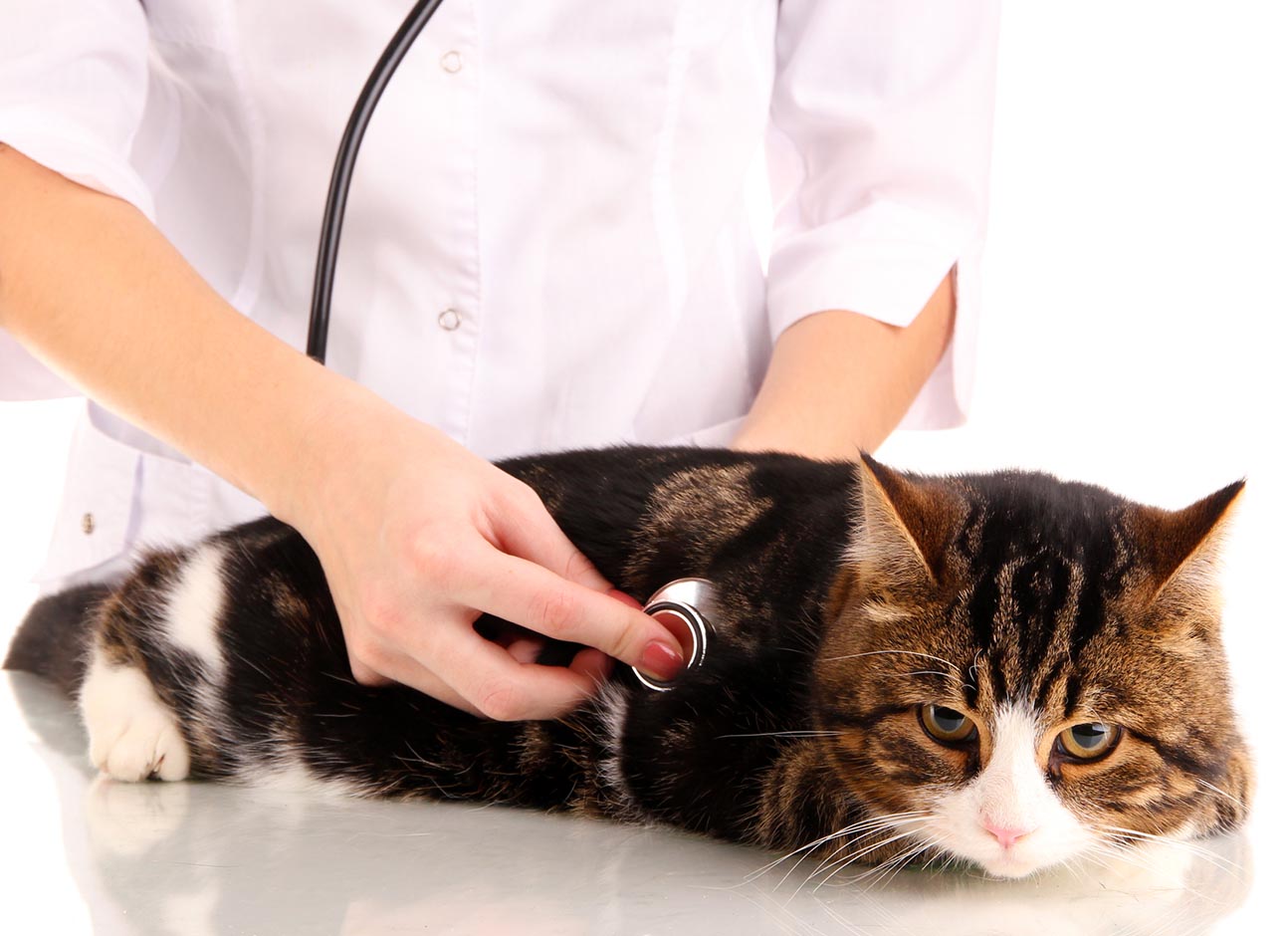
Deworming refers to treatments or preventive measures against helminth (worm) infections. It is highly recommended for all animals, whether they live indoors, outdoors, or on the streets. Animals can become infected not only from contact with an infected animal but also through:
- Eating contaminated food
- Lack of prophylactic anthelmintic treatment before mating
- Dirty shoes of owners
- Feces of an infected animal
- Birds, fleas, or mice
Types of Deworming
Deworming is categorized into:
- Prevention: Performed when there are no visible symptoms after potential exposure to infection. Prevention aims to eliminate the risk of worm egg infection.
- Treatment: Administered upon diagnosis of infection with parasitic worms. Treatment plans are tailored to each pet.
Scheduled before vaccination: Conducted before vaccination to minimize risks. Deworming is done in young pets prior to scheduled vaccinations.
Symptoms of Worm Infestations
Common symptoms of helminth infections include:
- Apathy, fatigue, and unhealthy appearance
- Bowel movement issues, vomiting, blood or worm pieces in stool
- Loss of appetite, weight loss, emaciation
- Deterioration of coat quality
- Abdominal distension
- Pale mucous membranes, possibly with a yellow tint
- Coughing
If these symptoms are present, consult a veterinarian for examinations, tests, and treatment.
Deworming Adult Dogs and Puppies
To ensure your pet’s well-being, consult a veterinarian before deworming. Puppies should follow a vaccination schedule, with deworming performed 10-14 days before each scheduled vaccination. Adult dogs require deworming less frequently – once every six months for prevention, regardless of vaccination status.
Deworming Adult Cats and Kittens
Kittens should be dewormed 21 days before their first vaccination, which occurs between 8-12 weeks of age. Adult cats, if asymptomatic, should undergo prophylactic deworming every six months.
Deworming Pregnant and Nursing Animals
Deworming during pregnancy is not recommended due to potential risks to offspring. If necessary, deworming should be done in the second half of pregnancy using the mildest possible medications, and only under a veterinarian’s guidance. Deworming is contraindicated for nursing animals due to the risk of intoxication.
Prevention and Treatment
After consulting a veterinarian and establishing an appropriate prophylactic schedule, you can perform deworming at home. If symptoms are present, consult a veterinary clinic for diagnosis and worm detection. The most effective treatment will be determined based on the pet’s living conditions, age, weight, and size. If hospitalization is not required, treatment can be conducted at home.
Types of Anthelmintic Medications
Anthelmintic medications vary in type and active ingredient:
- Tablets or drops
- Suspension or syrup
- Paste or gel
Consult a veterinarian for a specific drug and dosage recommendation based on examination and analysis. Do not self-medicate.
Possible Contraindications
Deworming is not recommended in the following situations:
- During nursing or pregnancy, especially the first half
- Exhausted or immunocompromised pet
- Post-operative period or recent illness
- Insufficient age of the animal
Prophylactic deworming is better for your pet’s health than treating infections after they occur. It is also more cost-effective and easier to manage. Regular preventive deworming is essential.
Reviewed by
Dr. Nicoletta Nica
DVM, MRCVS
Dr. Nicoletta was born in Romania and studied veterinary medicine. After graduation Dr. Nicoletta worked for a small animal clinic.



What Is Laparoscopic Spaying?
The laparoscopic spay involves making 2 or 3 very small openings into the abdomen, rather than one big opening as...

Why are Dog Vaccinations Important?
Dogs can be vaccinated against many diseases by introducing a weakened or inactivated form of the disease into...

Why are Cat Vaccinations Important?
Protecting your cat's long term health through vaccination is one of the most critical components of...

What Is Veterinary Oncology?
Veterinary oncology at our clinic focuses on how we diagnose, treat, and manage cancer to improve outcomes and quality...

Pet Relocation
Moving to a new home with your pet involves more than packing boxes and booking travel. Because pets thrive on routine and familiar...

Why Is Routine Grooming Essential?
01
Promotes Skin and Coat Health When you don't brush regularly, dead hair, dirt and oil will accumulate...

What is Holistic Veterinary Care?
Holistic veterinary care is a total medical care system in which your veterinarian evaluates every aspect of your...

Advanced Dental Services
at Modern Vet
We offer full service dental care for dogs and cats, from preventive care to advanced surgery, to ensure...

What is Veterinary Neurology?
Veterinary neurology is a medical speciality concerned with diseases affecting the nervous system. Animals afflicted by...

What is a Wellness Exam?
A wellness exam is an all-inclusive examination of your pet's overall health and condition. A wellness exam is performed...
Why Does Your Pet Need Dermatology Care?
Many pet owners do not realize how significant it is to have their cat, dog, or other small animal receive...

Comprehensive Cat Health Services
Modern Vet offers comprehensive feline care through all phases of a cats life cycle, using advanced diagnostic...

Complete Pet Care for Dogs in Dubai The clinic has a wide variety of veterinary services that support canine health at all ages. Care is provided based...

Why is veterinary ophthalmology important?
Veterinary ophthalmology is concerned with diagnosing, treating and preventing disease in the eyes of...

Role of a Veterinary Cardiologist
A veterinary cardiologist is a veterinarian who has received advanced education and/or training in the diagnosis and...

Modern Rides Designed
for Pet Comfort
Modern Vet Dubai believes that pet transportation does not have to result in compromises. Many regular taxi...

Your Trusted Partner
in Your Pet’s Long Term Health The decision to have your pet spayed or neutered is one of the most responsible actions you can...

The Importance of Vaccination When your pet receives a vaccine, it trains their immune system to attack viruses and bacteria prior to them causing an...
A veterinary consultation is often the first and most important step in managing your pet’s health. When your dogs appear tired, your cats stop eating,...
For years, Modern Vet has been a trusted multi specialist veterinary provider for pet owners in Dubai. With the upgraded Modern Vet Mobile Clinic,...

Hydrotherapy for pets is one of the most rapidly adopted and effective rehabilitative techniques used today in veterinary medicine. The modality of...

Pet Emergency
Care in Dubai
Pet emergencies are unpredictable and time sensitive. Immediate veterinary care is essential for issues like toxin...

What Does Veterinary Orthopaedics Do?
Orthopaedic veterinary care focuses on providing diagnosis, treatment, surgical correction and prevention of...

Why does Veterinary
Physiotherapy Matter?
There are many musculoskeletal, neurologic, and post surgical conditions that can have a significant...

Food Delivery
Providing quality nutrition for your pet can be difficult. Pets have different needs than people do; however, both need the same basic...

The fastest-growing cities, including Dubai, need to prioritize pet welfare because their pet population exceeds available resources when not managed...

What Is Spaying & Neutering? Spaying and neutering are two common veterinary medical treatments which eliminate a dog's ability to reproduce....

What Is Spaying & Neutering?
Spaying or Neutering are two common medical procedures designed to limit the ability of cats to reproduce. Spaying is...