

Reviewed by Dr. Nicoletta Nica
Updated on 08/04/2026
Reading time 2 min.
Overview
Severity: Low
Life stage: All
Fleas in Dogs
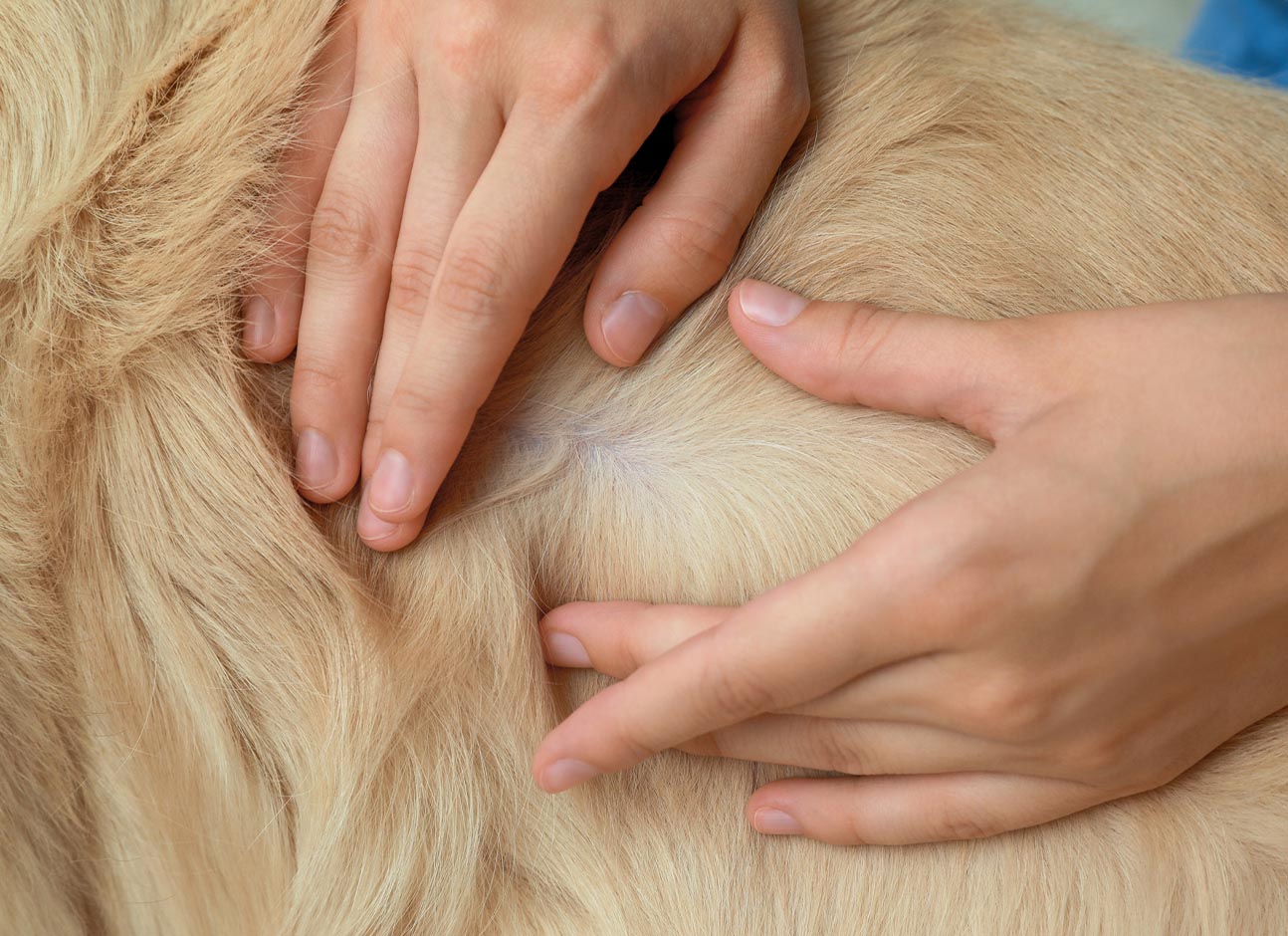
Fleas are blood-sucking parasitic insects that live in the coats of animals, reproduce actively, and can jump from one host to another. Even if you don’t take your pet for walks, there is still a risk of flea infestation. If you discover fleas on your pet, don’t panic. Instead, contact a veterinary clinic to select an appropriate course of treatment to eliminate the parasites.
Symptoms
Common symptoms include constant restless behavior, scratching, and the presence of bite marks on the skin. In such cases, don’t delay visiting the veterinarian; the sooner treatment begins, the easier it will be.
Flea Infection Methods
Dogs often pick up fleas during walks or trips on public transportation, or through contact with a stray animal. However, pets can also become infested with fleas from humans through clothing or footwear.
Dangers of Fleas
Fleas can cause irritation, anxiety, stress, sleep problems, and loss of appetite in pets. Flea dermatitis may develop due to constant scratching. In addition, fleas can carry serious diseases such as brucellosis, distemper, and dipylidiosis.
Dangers to Humans
While fleas cannot live or reproduce on human skin, they can still leave bites, causing allergic reactions at the bite site. Secondary infections are possible if the area is scratched, and fleas can act as carriers for severe diseases.
How to Rid Your Dog of Fleas
To eliminate fleas, you can use various home remedies like wormwood tinctures and thorough cleaning of living spaces and pet care items with baking soda. Alternatively, there are commercial products available at veterinary pharmacies or pet stores, including:
- Fipronil and diazinon
- Pyrethrins
- Pyrethroids
- Selamectin
- Clothianidin and imidacloprid
Dosages should be individually calculated, taking various factors into account. Some products may have contraindications for puppies or pregnant dogs. Carefully read the instructions and consult with your veterinarian.
Treatments come in various forms: specialized flea shampoos, drops applied to the withers, flea collars, and modern oral medications. Consult with your veterinarian for the most effective treatment option.
Treatment During Pregnancy
Before a planned pregnancy, dogs are usually treated for fleas. However, if fleas are discovered during pregnancy, use milder treatments based on herbal or natural ingredients, such as specialized shampoos. Consult your veterinarian for advice on suitable treatments for pregnant dogs and puppies.
Preventing Flea Re-infestation
To prevent re-infestation after treatment, it’s essential to disinfect your living space, paying special attention to carpets, upholstered furniture, and your pet’s belongings.
Reviewed by
Dr. Nicoletta Nica
DVM, MRCVS
Dr. Nicoletta was born in Romania and studied veterinary medicine. After graduation Dr. Nicoletta worked for a small animal clinic.



What Is Laparoscopic Spaying?
The laparoscopic spay involves making 2 or 3 very small openings into the abdomen, rather than one big opening as...

Why are Dog Vaccinations Important?
Dogs can be vaccinated against many diseases by introducing a weakened or inactivated form of the disease into...

Why are Cat Vaccinations Important?
Protecting your cat's long term health through vaccination is one of the most critical components of...

What Is Veterinary Oncology?
Veterinary oncology at our clinic focuses on how we diagnose, treat, and manage cancer to improve outcomes and quality...

Pet Relocation
Moving to a new home with your pet involves more than packing boxes and booking travel. Because pets thrive on routine and familiar...

Why Is Routine Grooming Essential?
01
Promotes Skin and Coat Health When you don't brush regularly, dead hair, dirt and oil will accumulate...

What is Holistic Veterinary Care?
Holistic veterinary care is a total medical care system in which your veterinarian evaluates every aspect of your...

Advanced Dental Services
at Modern Vet
We offer full service dental care for dogs and cats, from preventive care to advanced surgery, to ensure...

What is Veterinary Neurology?
Veterinary neurology is a medical speciality concerned with diseases affecting the nervous system. Animals afflicted by...

What is a Wellness Exam?
A wellness exam is an all-inclusive examination of your pet's overall health and condition. A wellness exam is performed...

Why Does Your Pet Need Dermatology Care?
Many pet owners do not realize how significant it is to have their cat, dog, or other small animal receive...

Comprehensive Cat Health Services
Modern Vet offers comprehensive feline care through all phases of a cats life cycle, using advanced diagnostic...

Complete Pet Care for Dogs in Dubai The clinic has a wide variety of veterinary services that support canine health at all ages. Care is provided based...

Why is veterinary ophthalmology important?
Veterinary ophthalmology is concerned with diagnosing, treating and preventing disease in the eyes of...

Role of a Veterinary Cardiologist
A veterinary cardiologist is a veterinarian who has received advanced education and/or training in the diagnosis and...

Modern Rides Designed
for Pet Comfort
Modern Vet Dubai believes that pet transportation does not have to result in compromises. Many regular taxi...

Your Trusted Partner
in Your Pet’s Long Term Health The decision to have your pet spayed or neutered is one of the most responsible actions you can...

The Importance of Vaccination When your pet receives a vaccine, it trains their immune system to attack viruses and bacteria prior to them causing an...

A veterinary consultation is often the first and most important step in managing your pet’s health. When your dogs appear tired, your cats stop eating,...

For years, Modern Vet has been a trusted multi specialist veterinary provider for pet owners in Dubai. With the upgraded Modern Vet Mobile Clinic,...

Hydrotherapy for pets is one of the most rapidly adopted and effective rehabilitative techniques used today in veterinary medicine. The modality of...

Pet Emergency
Care in Dubai
Pet emergencies are unpredictable and time sensitive. Immediate veterinary care is essential for issues like toxin...

What Does Veterinary Orthopaedics Do?
Orthopaedic veterinary care focuses on providing diagnosis, treatment, surgical correction and prevention of...

Why does Veterinary
Physiotherapy Matter?
There are many musculoskeletal, neurologic, and post surgical conditions that can have a significant...

Food Delivery
Providing quality nutrition for your pet can be difficult. Pets have different needs than people do; however, both need the same basic...

The fastest-growing cities, including Dubai, need to prioritize pet welfare because their pet population exceeds available resources when not managed...

What Is Spaying & Neutering? Spaying and neutering are two common veterinary medical treatments which eliminate a dog's ability to reproduce....

What Is Spaying & Neutering?
Spaying or Neutering are two common medical procedures designed to limit the ability of cats to reproduce. Spaying is...