
 Updated: 08/04/2026
IF YOUR DOG OR CAT HAS REDDENED EYES
It is quite common for dogs and cats to experience red or inflamed eyes. It's crucial to monitor your pet's eye cleanliness, as redness could indicate a harmless issue or a serious condition.
 Updated: 08/04/2026
Lump Under a Dog’s Skin
Dog owners often become alarmed when they discover a subcutaneous bump or growth. However, most of these can be easily treated, and the key is to determine the cause of the lump.
 Updated: 08/04/2026
Determination of the Titer of Antibodies to the Rabies Virus
Rabies is an extremely serious, acute, and always fatal illness caused by a virus that can be transmitted from pets to their owners. It is ubiquitous, as carriers are often animals living in the wild. Vaccination is the only effective method of prevention, making it essential for household pets.
 Updated: 08/04/2026
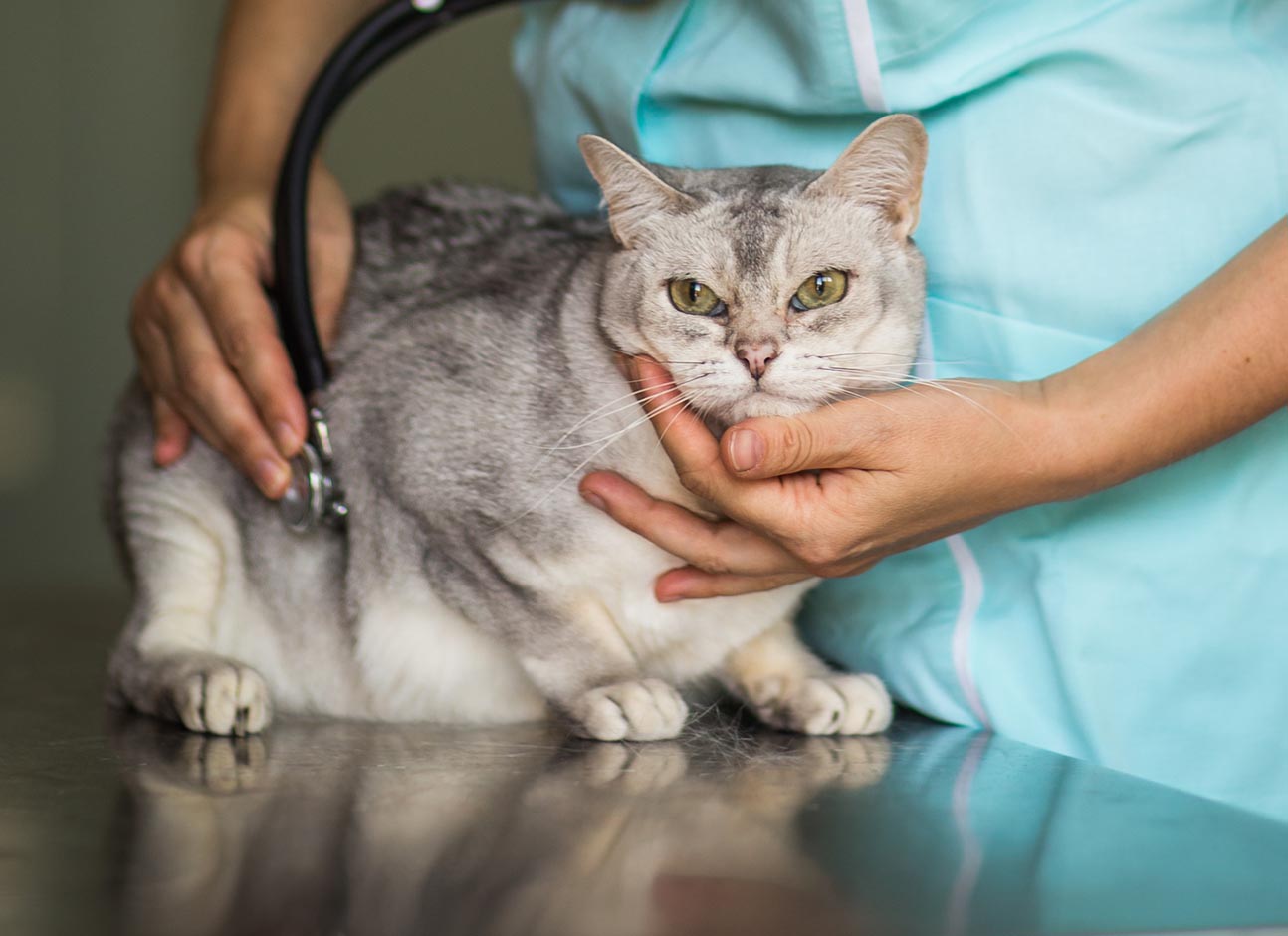
Feline Viral Leukemia: Treatment, Prognosis, and Prevention
Feline viral leukemia is one of the most dangerous and challenging diseases to diagnose. It is caused by viruses that integrate into the pet's DNA and currently has no cure, with treatments focused on symptom relief.
 Updated: 08/04/2026
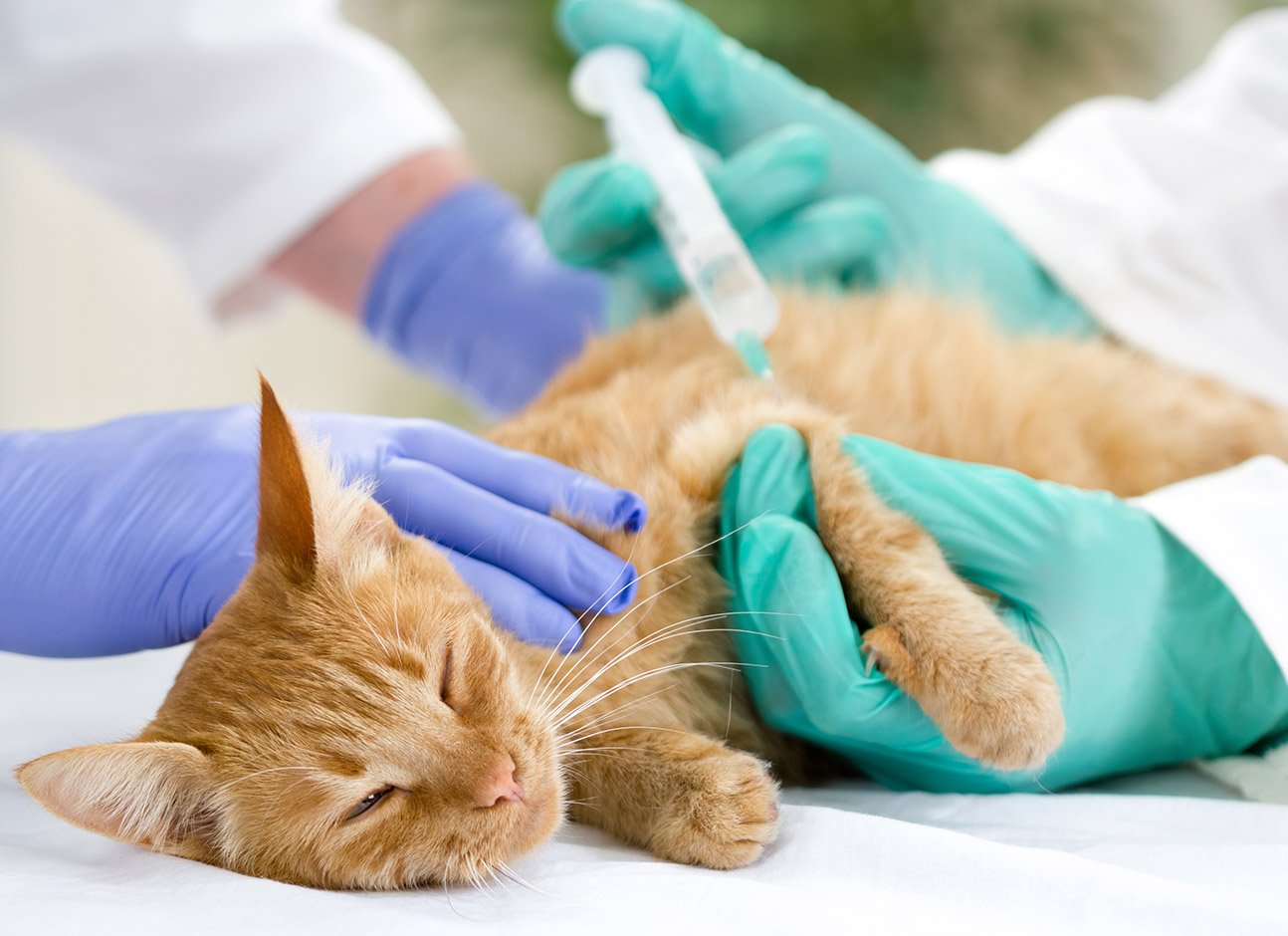
DIABETES IN CATS
Diabetes is a pressing concern among human beings with it plaguing more people than ever. However, cats aren't exempt from this disease either. Diabetes mellitus is a growing problem among cats of late, even accounting for the second most common endocrine disease observed in the feline population.
 Updated: 08/04/2026
COVID-19 AND PETS – WHAT YOU NEED TO KNOW
The ongoing COVID-19 pandemic has undeniably derailed our lives in the most unimaginable ways possible. Although we were able to adjust to the routine of social distancing and working / studying from home for the most part, this new change can be and has been especially bizarre for our furry family.
 Updated: 08/04/2026
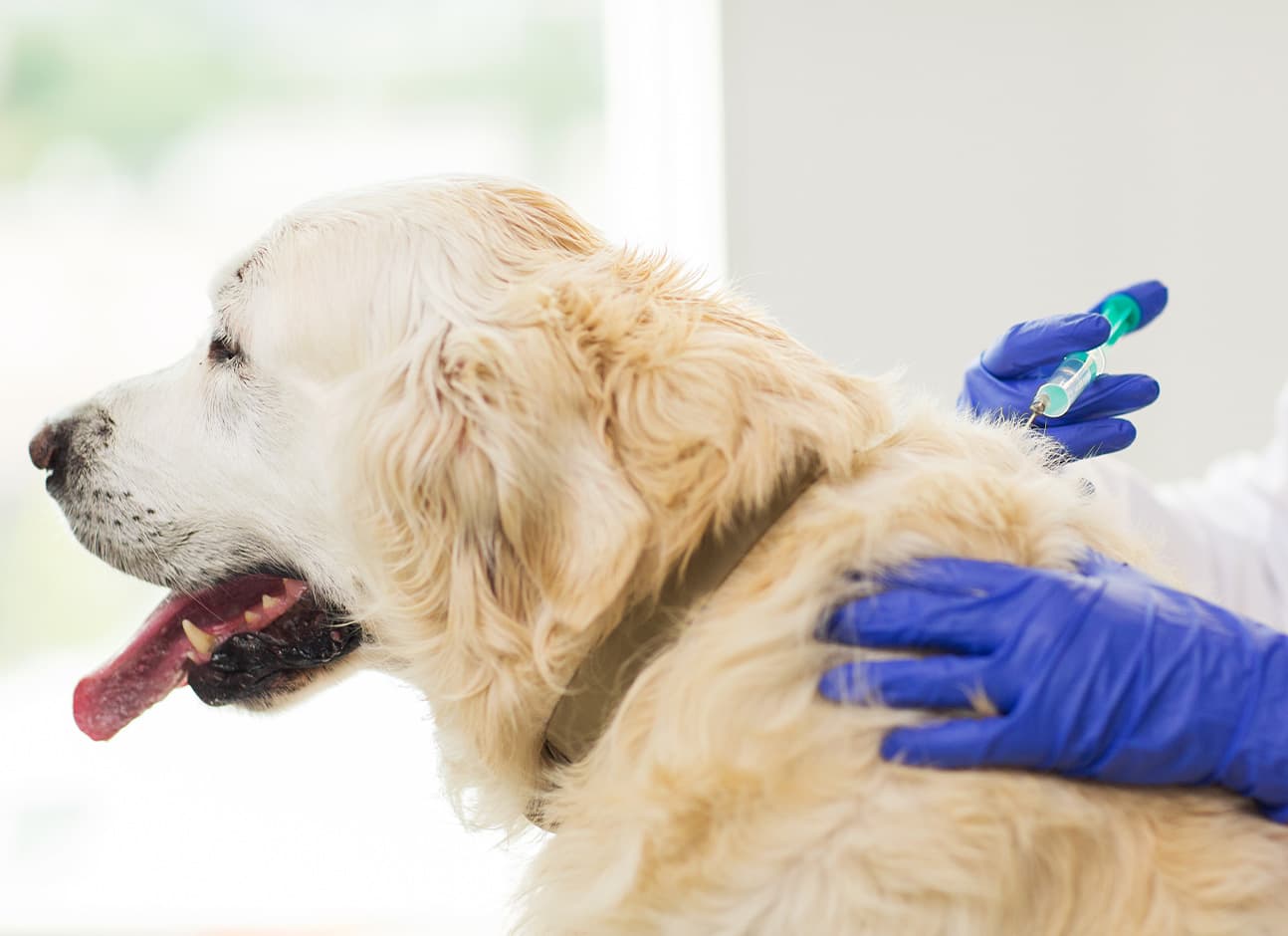
DIABETES IN DOGS
Much like cats, our canine friends are also not spared from diabetes mellitus. Even though diabetes can occur in dogs of all ages, they are usually diagnosed when they are about 7-10 years old. Female dogs are twice as likely as male dogs to develop diabetes.
 Updated: 08/04/2026
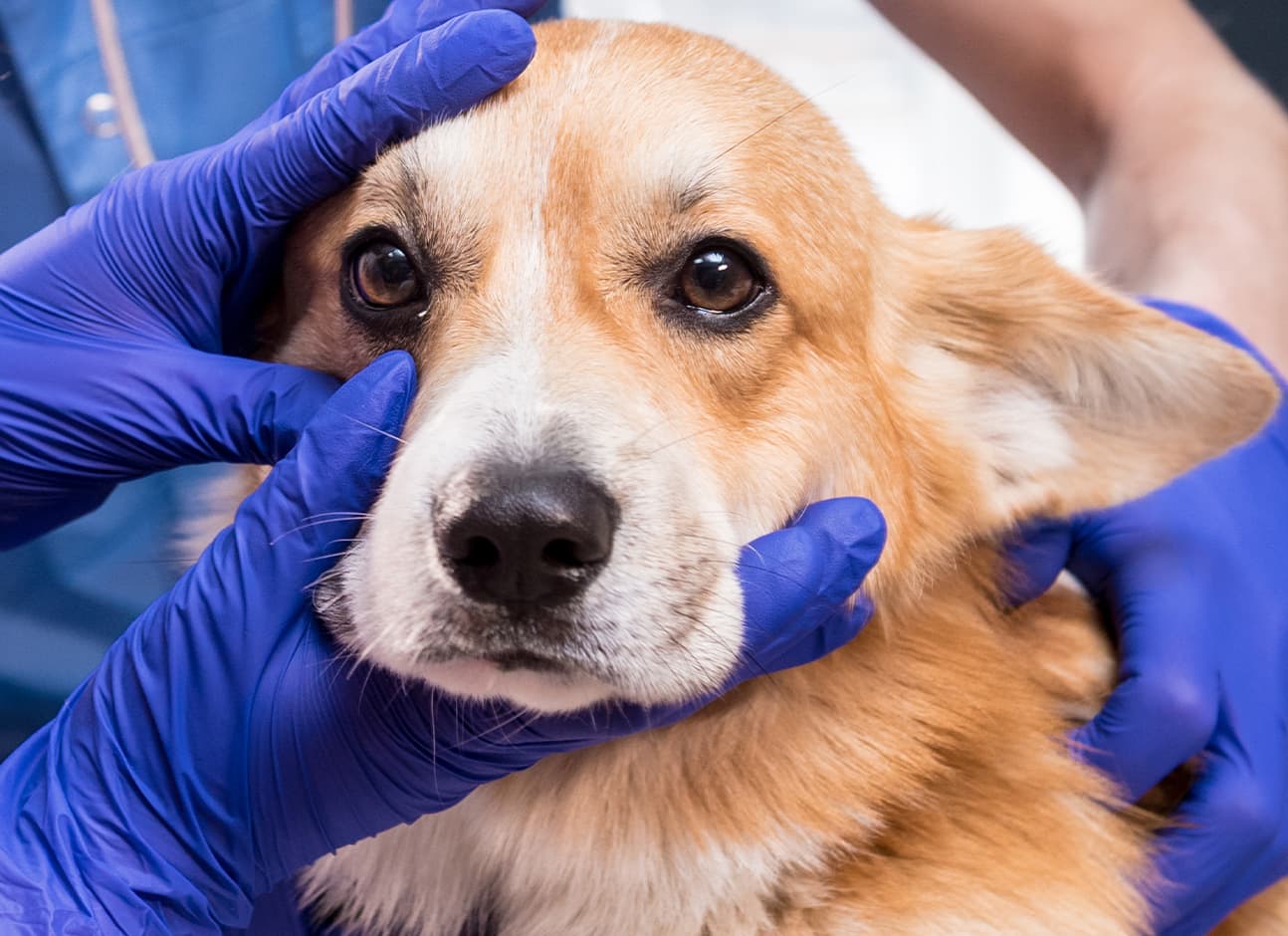
CATARACTS IN DOGS
Cataract is an eye condition which involves the increasing opacity of the lens leading to a loss of vision eventually. Unlike in humans -- who can usually speak for themselves -- cataracts in pets are more difficult to detect simply because they cannot voice their problems the way we can.
 Updated: 08/04/2026
OBESITY IN DOGS
Obesity is a health problem not restricted to humans alone. In dogs it is one of the leading health concerns resulting from extreme body fat that contributes to weight gain. Much like in humans, it is caused by inadequate exercise coupled with the lack of a well-balanced diet in pets.
 Updated: 08/04/2026
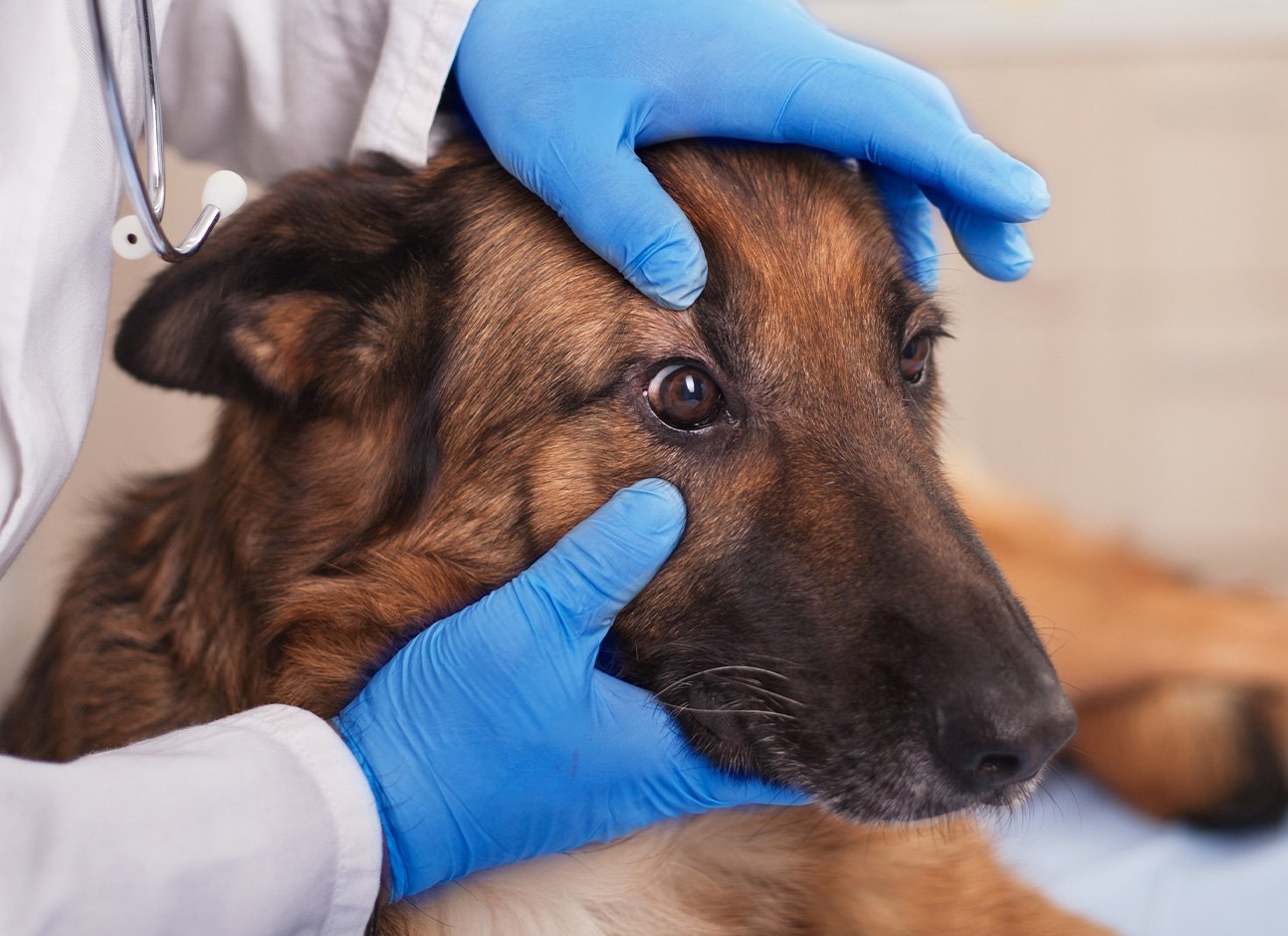
GLAUCOMA IN DOGS
Glaucoma is the accumulation of fluid in the eye which puts increased pressure on it, eventually leading to loss of vision. Just like humans, dogs can also develop glaucoma. There are two kinds of glaucoma, namely primary glaucoma and secondary glaucoma.
 Updated: 09/04/2026
COUGHING IN DOGS
It is not easy to watch your pet get sick especially since they cannot verbally express their discomfort like we do. Much like their humans, dogs also experience coughing in their lifetime.
 Updated: 09/04/2026
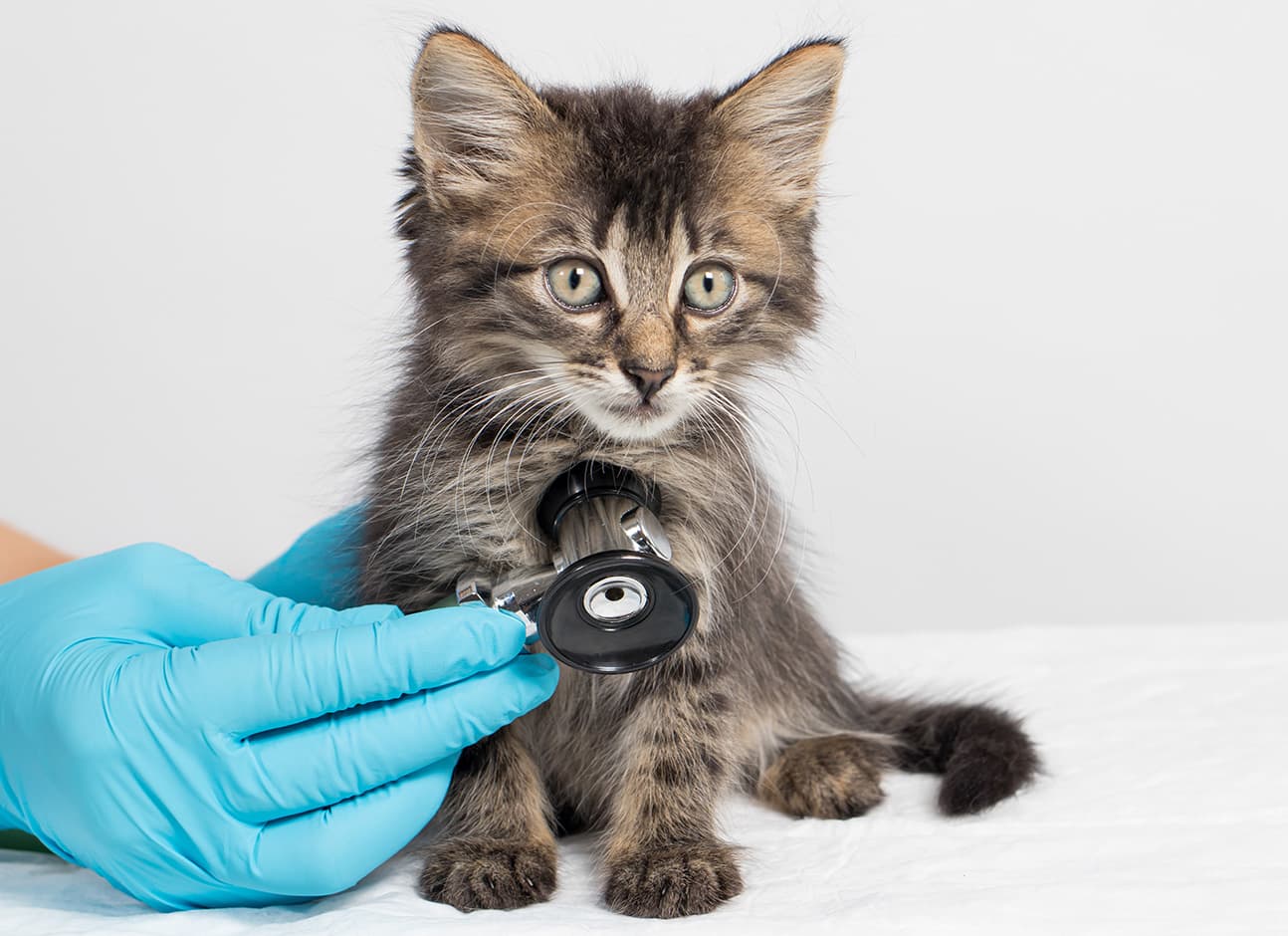
COUGHING IN CATS
Although cats do cough like dogs and other animals, coughs are relatively uncommon among the feline population. Cats usually cough in response to foreign matter in their respiratory system, an inflamed or irritated mucous membrane, or even due to the buildup of mucus.