


Reviewed by Dr. Nicoletta Nica
Updated on 29/06/2026
Reading time 4 min.
Overview
Severity: Low
Life stage: All
Diabetic dogs suffer from an ongoing disorder of the endocrine system, which impairs their ability to manage blood sugar levels. The disorder is caused by either insufficient production of Insulin or ineffective use of Insulin. Insulin is a hormone that allows glucose in the bloodstream to enter cells. This is then converted to energy.
High blood sugar levels and associated problems occur when there is insufficient insulin. Diabetic dogs can be found across all ages and breeds; however, they are most commonly identified as being diagnosed in middle aged and older dogs. When treated properly and monitored regularly, many diabetic dogs will continue to live a happy, healthy and comfortable life.
Causes
When Insulin production or function ceases to work correctly, the condition known as Diabetes develops. Most diabetic dogs have a form of diabetes that resembles Type 1 diabetes in humans, characterized by inadequate insulin production by the pancreas.
There are several factors that raise a dog’s likelihood of experiencing Diabetes. Obesity is probably the most critical factor because excessive weight reduces the body’s ability to regulate glucose. Damage to pancreatic tissue could result from chronic pancreatitis.
Hormonal imbalances such as those resulting from Cushing’s disease could lead to Diabetes. There appears to be possible genetic influences for Diabetes in certain breeds and sexes; for example, female dogs, especially unspayed, are at greater risk than male dogs. The most commonly affected breeds are,
- Miniature Schnauzers
- Poodles
- Dachshunds
- Beagles
- Samoyeds
- Australian Terriers
Symptoms
The symptoms of diabetes typically evolve slowly over time and become more pronounced when the blood sugar level has been excessively high.
- Increased thirst called polydipsia
- Increased urine production called polyuria
- Increased appetite
- Weight loss while eating regular amounts
- Lethargy and reduced activity levels
- Cloudy eyes caused by cataracts forming
- Decreased strength or stamina
- Recurrent urinary tract infections
- Vomiting in extreme cases
- Lack of appetite if complications develop.
Risks
Diabetes, if left untreated, can cause serious and possibly life threatening complications.
Elevated blood sugar causes damage to blood vessels, organs and tissue throughout the body. Blindness due to cataracts is one of the most frequent complications and can cause permanent vision loss. In addition to an increased risk of developing cataracts, the raised glucose levels in the diabetic dog will lower its ability to fight off infections.
Potential Complications
- Blindness from cataracts
- Frequent infections
- Complications associated with the kidneys
- Diabetic Ketoacidosis (DKA)
Diabetic ketoacidosis is a medical emergency. When the body starts to break down fats for energy instead of sugars, it produces an extremely acidic state that is detrimental to the blood chemistry.
Diagnosis
The veterinarian determines diabetes by observing clinical signs, performing blood tests and urine tests. Diagnosis is typically based on persistent hyperglycemia (high blood glucose) along with glucosuria (glucose in the urine) and compatible clinical signs. Most veterinarians combine these three factors with the owner’s observations of excessive thirst and urination to determine a definitive diagnosis.
Additional Testing
A veterinarian may perform additional tests on the patient to examine his general health or discover other issues that may have affected the treatment. Some of these may include:
- Complete Blood Count (CBC)
- Blood Chemistry Profile
- Urinalysis
- Urine Culture if infection is suspected
After the initial diagnosis, all diabetic patients need to continue to see the veterinarian regularly so they can maintain good control over blood sugar levels.
Treatment
For many animals, diabetes is treated for life. However, most dogs react very well when the treatment is begun early and consistently continued.
Insulin Therapy
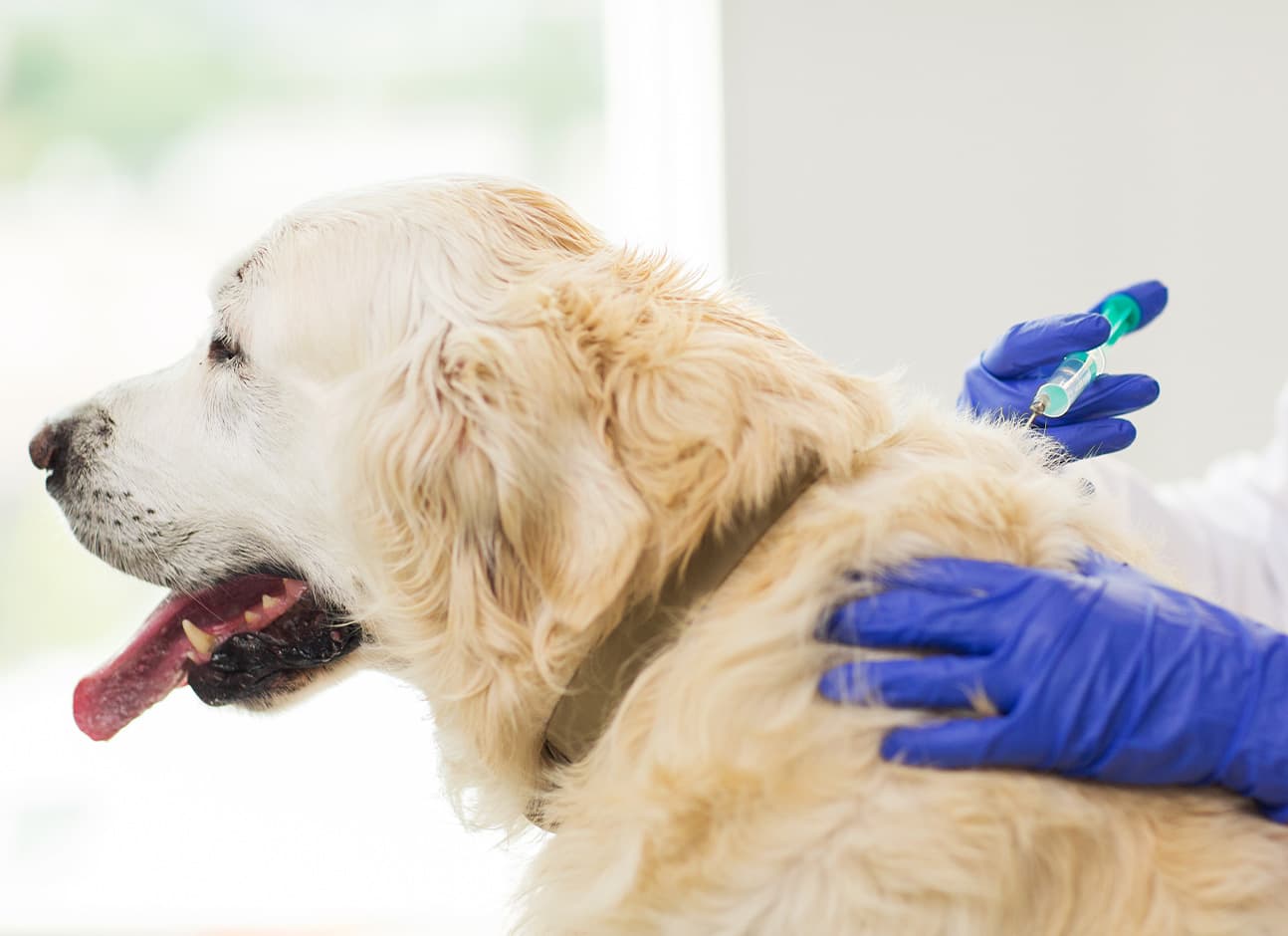
Most diabetic dogs require insulin injections administered under the skin (subcutaneously), typically in areas such as the scruff of the neck, shoulder region or side of the chest. The insulin type, dose and dosing frequency vary between individual dogs. Many diabetic dogs require insulin injections every 12 hours, but treatment plans should always be determined by a veterinarian.
Dietary Management
Nutritional management is a big part of managing diabetes. Food quality and quantity should be considered. Regular feeding times are also crucial. The food schedule needs to coincide with the insulin injection schedule.
Monitoring
Regular checks by your veterinarian are needed to make sure the treatment is working properly. Glucose curves are done periodically to find out how much insulin should be administered. Pet owners are expected to pay close attention to their pets’ appetite, thirst, energy levels and overall behavior at home.
Prevention
A dog’s risk of developing diabetes can be greatly decreased through healthy living habits, although some cases of diabetes in dogs may not be preventable.
Methods to Decrease Risk
- A dog should remain at an appropriate weight for its size.
- Dogs should receive regular physical activity.
- Food intake must be of good quality and provide a well balanced diet.
- The owner should schedule routine visits with a veterinarian.
- Dog owners should treat any chronic illnesses that exist.
Managing obesity, pancreatitis and hormonal disorders may help reduce the risk of diabetes in some dogs.
Reviewed by
Dr. Nicoletta Nica
DVM, MRCVS
Dr. Nicoletta was born in Romania and studied veterinary medicine. After graduation Dr. Nicoletta worked for a small animal clinic.


What Is Laparoscopic Spaying?
The laparoscopic spay involves making 2 or 3 very small openings into the abdomen, rather than one big opening as...

Why are Dog Vaccinations Important?
Dogs can be vaccinated against many diseases by introducing a weakened or inactivated form of the disease into...

Why are Cat Vaccinations Important?
Protecting your cat's long term health through vaccination is one of the most critical components of...

Pet Relocation
Moving to a new home with your pet involves more than packing boxes and booking travel. Because pets thrive on routine and familiar...

Why Is Routine Grooming Essential?
01
Promotes Skin and Coat Health When you don't brush regularly, dead hair, dirt and oil will accumulate and...

What is Holistic Veterinary Care?
Holistic veterinary care is a total medical care system in which your veterinarian evaluates every aspect of your...

Advanced Dental Services
at Modern Vet
We offer full service dental care for dogs and cats, from preventive care to advanced surgery, to ensure your...

What is Veterinary Neurology?
Veterinary neurology is a medical speciality concerned with diseases affecting the nervous system. Animals afflicted by...

What is a Wellness Exam?
A wellness exam is an all-inclusive examination of your pet's overall health and condition. A wellness exam is performed...

Why Does Your Pet Need Dermatology Care?
Many pet owners do not realize how significant it is to have their cat, dog, or other small animal receive...

Comprehensive Cat Health Services
Modern Vet offers comprehensive feline care through all phases of a cats life cycle, using advanced diagnostic...

Complete Pet Care for Dogs in Dubai The clinic has a wide variety of veterinary services that support canine health at all ages. Care is provided based...

Why is veterinary ophthalmology important?
Veterinary ophthalmology is concerned with diagnosing, treating and preventing disease in the eyes of...

Role of a Veterinary Cardiologist
A veterinary cardiologist is a veterinarian who has received advanced education and/or training in the diagnosis and...

Modern Rides Designed
for Pet Comfort
Modern Vet Dubai believes that pet transportation does not have to result in compromises. Many regular taxi...

Your Trusted Partner
in Your Pet’s Long Term Health The decision to have your pet spayed or neutered is one of the most responsible actions you can...

The Importance of Vaccination When your pet receives a vaccine, it trains their immune system to attack viruses and bacteria prior to them causing an...
A veterinary consultation is often the first and most important step in managing your pet’s health. When your dogs appear tired, your cats stop eating,...

Cancer is one of the most significant health challenges facing pets today, affecting millions of dogs and cats worldwide each year. A cancer diagnosis...
For years, Modern Vet has been a trusted multi specialist veterinary provider for pet owners in Dubai. With the upgraded Modern Vet Mobile Clinic,...

Hydrotherapy for pets is one of the most rapidly adopted and effective rehabilitative techniques used today in veterinary medicine. The modality of...

Save our number now so you are prepared if the worst happens.
24-Hour Emergency Hotline: 800-82
Address: Umm Suqeim, Al Wasl Road, Villa #793,...

At Modern Veterinary Hospital, we know that being able to move comfortably is critical to your furry friends’ overall happiness and well-being....

Pet physiotherapy is an important and growing aspect of veterinary medicine, addressing recovery from injury, surgery, chronic conditions or poor...

You want the best for your pet’s health and longevity, but feeding them well-balanced meals can be difficult. The same principles apply to humans also...

The fastest-growing cities, including Dubai, need to prioritize pet welfare because their pet population exceeds available resources when not managed...

At ModernVet, we are committed wholeheartedly to improving the wellbeing of your faithful canines with our state-of-the-art dog spay and neuter services....

ModernVet offers professional cat spaying and neutering services that deliver top-level care to feline pets. The procedures form an essential part of...





 Chat
Chat


