
 Updated: 21/07/2026
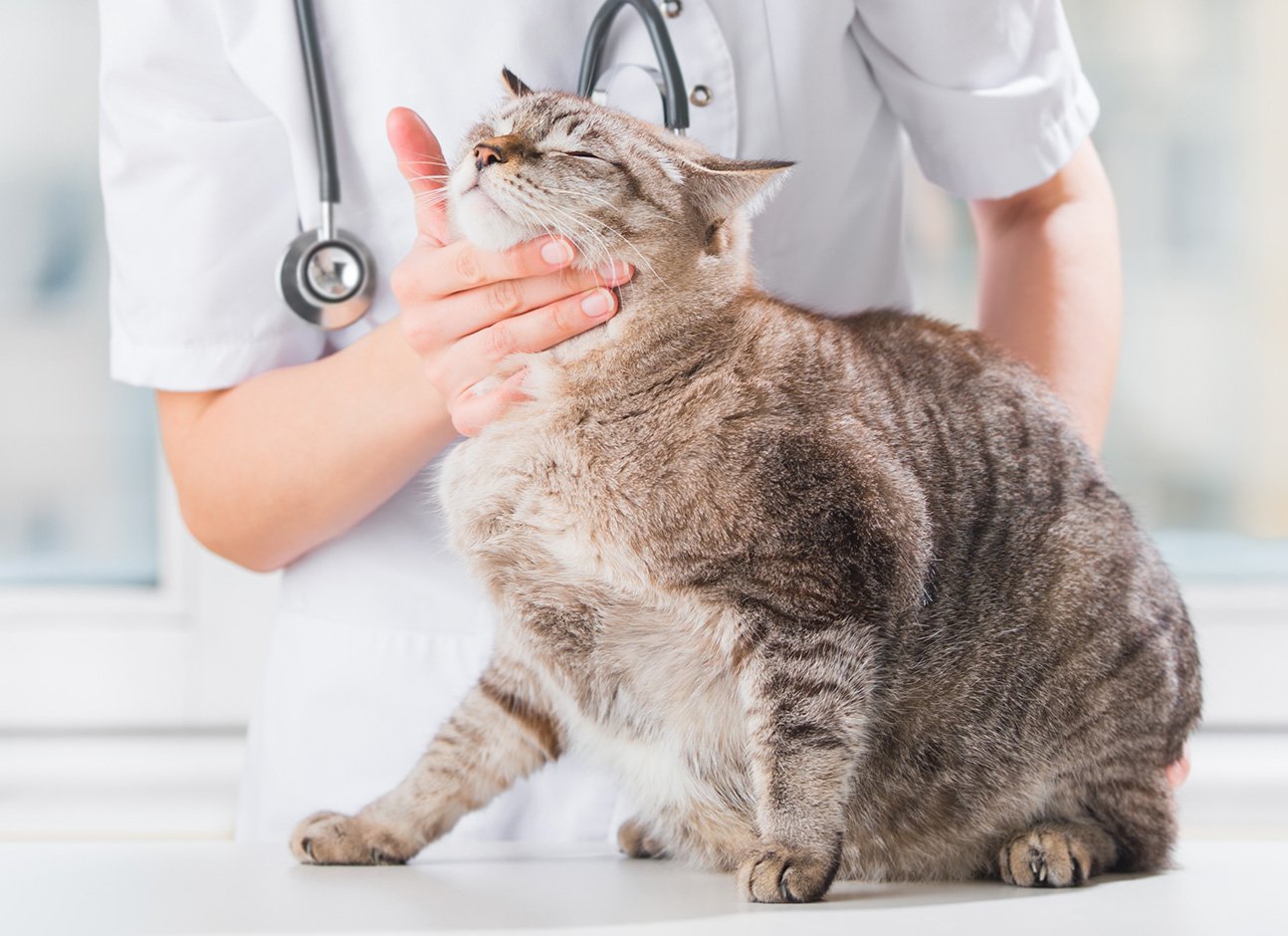
CATARACTS IN CATS
Cataracts occur when the normally transparent lens inside the eye becomes cloudy preventing light from reaching the retina. The cloudy eye lenses stop the light from reaching the retina of the cat’s eye; this could block vision or even make the cat blind (in extreme cases).
 Updated: 21/07/2026
CANINE INFLUENZA (DOG FLU)
Canine influenza, commonly known as dog flu, is a contagious upper respiratory infection caused by a highly infectious strain of influenza virus. Like human flu, it can be transmitted from one animal to another via airborne transmission of respiratory droplets, by direct contact with an object that has come into contact with an infected dog's respiratory tract and by being in proximity to an infected dog.
 Updated: 05/06/2026
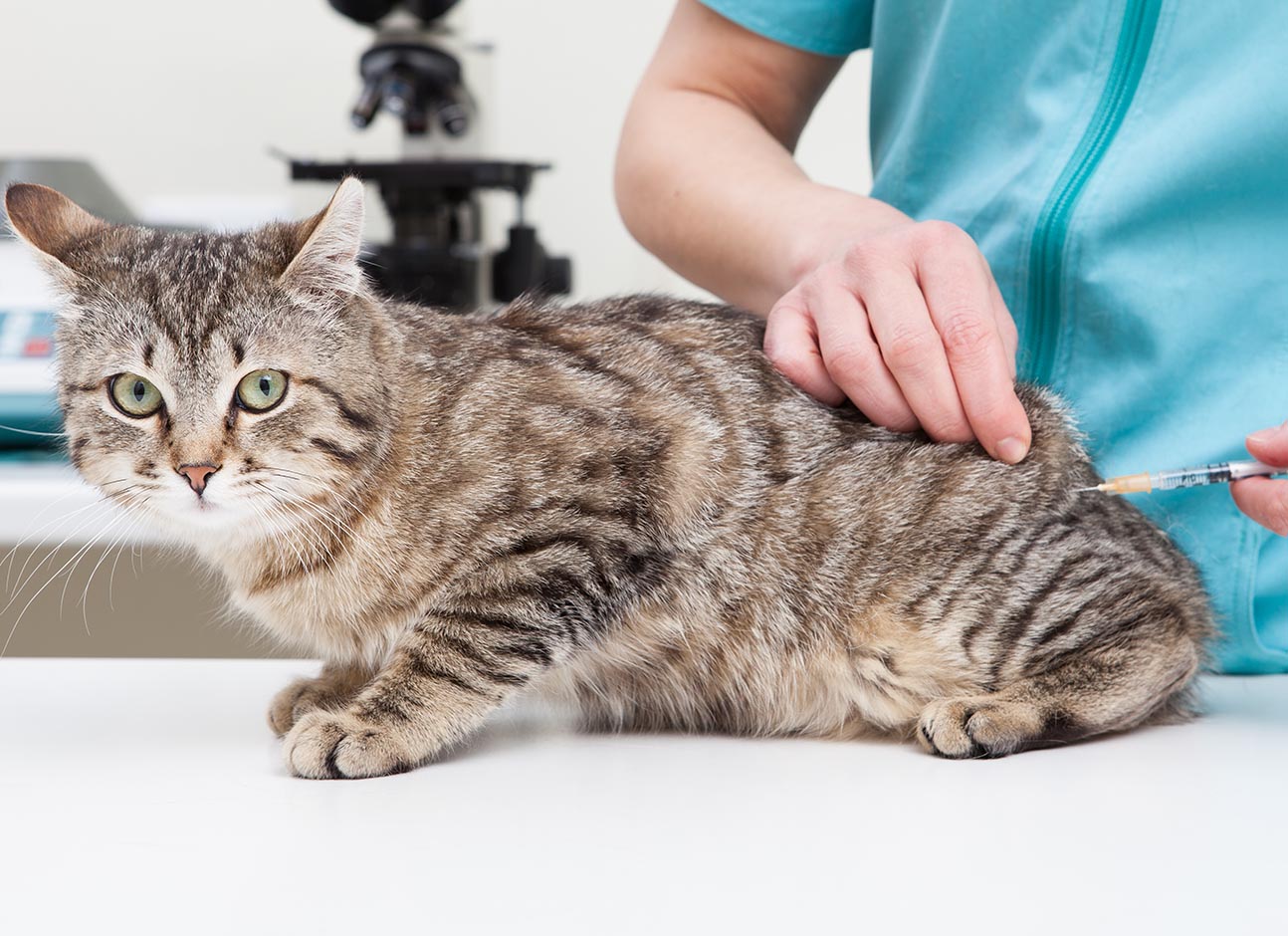
THE IMPORTANCE OF RABIES VACCINE FOR YOUR PET
Rabies is a virus that causes severe damage to the pet health especially its central nervous system. It affects the brain and can even lead to the death of your pet if it hasn’t been vaccinated against it.
 Updated: 21/07/2026
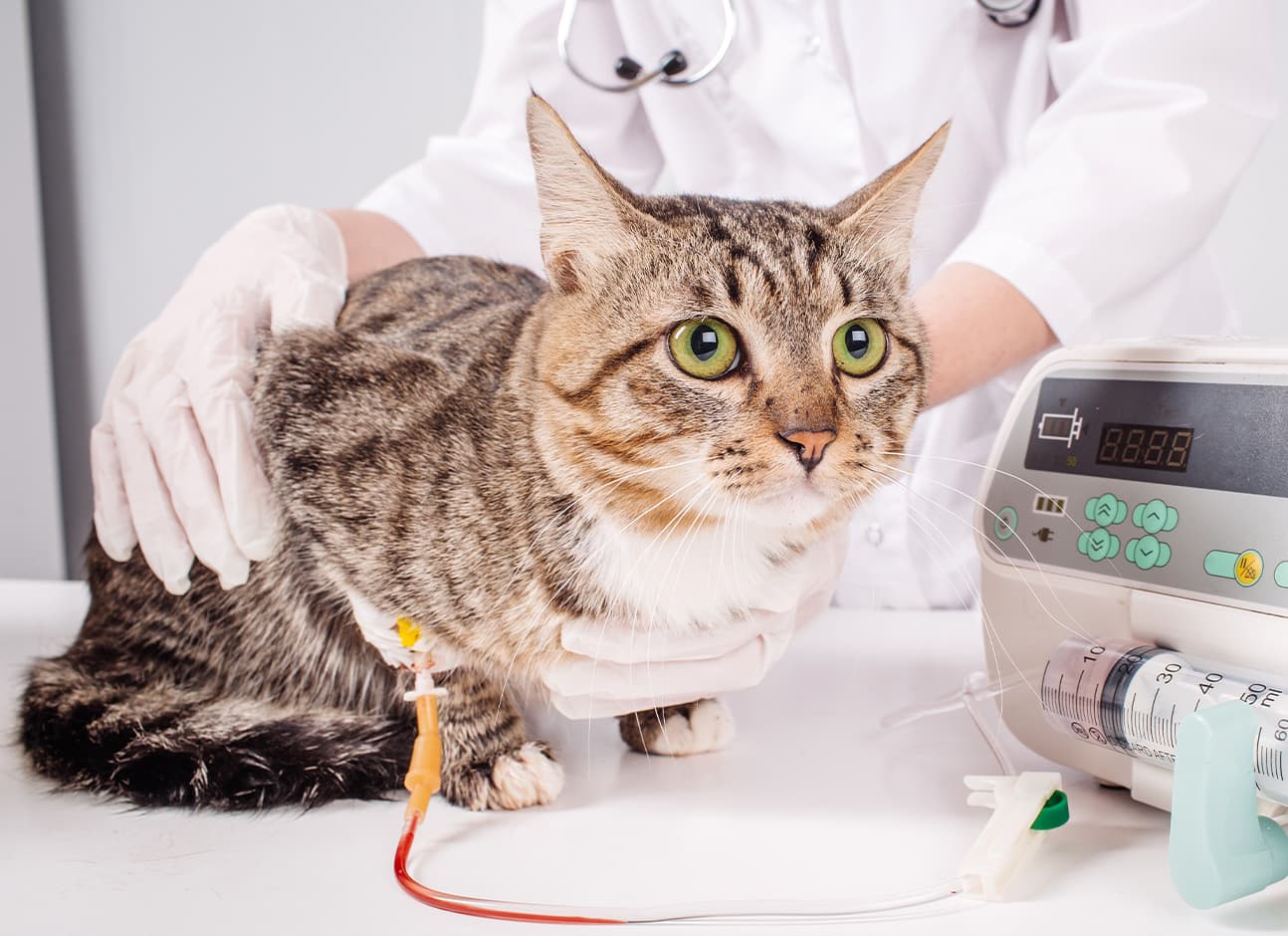
FELINE LEUKEMIA VIRUS (FeLV)
The feline leukemia virus (FeLV), or feline leukemia, is a highly contagious viral illness that may compromise a cat’s ability to fight off other illnesses and increase the likelihood of a variety of potentially life-threatening conditions such as anemia, chronic infections and some forms of cancer.
 Updated: 21/07/2026
Liver in Dogs: Symptoms, Types, Treatment, and Prevention
Reviewed by Dr. Nicoletta Nica Updated on 21/07/2026 Reading time 4 min. Overview Severity: Low Life stage: All A dogs...
 Updated: 21/07/2026
PARVOVIRUS IN DOGS
Canine parvovirus (CPV) is an extremely contagious viral illness affecting puppies and unvaccinated dogs. CPV infects rapidly multiplying cellular areas throughout the body, primarily within the intestinal walls and bone marrow; thus, severely damaging the gastrointestinal system and depleting the dog's ability to fight off infection. Cardiac parvovirus disease is uncommon today due to vaccination.
 Updated: 21/07/2026
CUSHING’S DISEASE IN DOGS
Hyperadrenocorticism, or Cushing's disease in dogs, is a chronic endocrine disorder characterized by the production of excessive amounts of cortisol. Cortisol is a hormone important in regulating metabolism, immune responses, blood pressure regulation and responding to stress. Prolonged elevation of cortisol will have adverse effects on virtually all organ systems.
 Updated: 10/07/2026
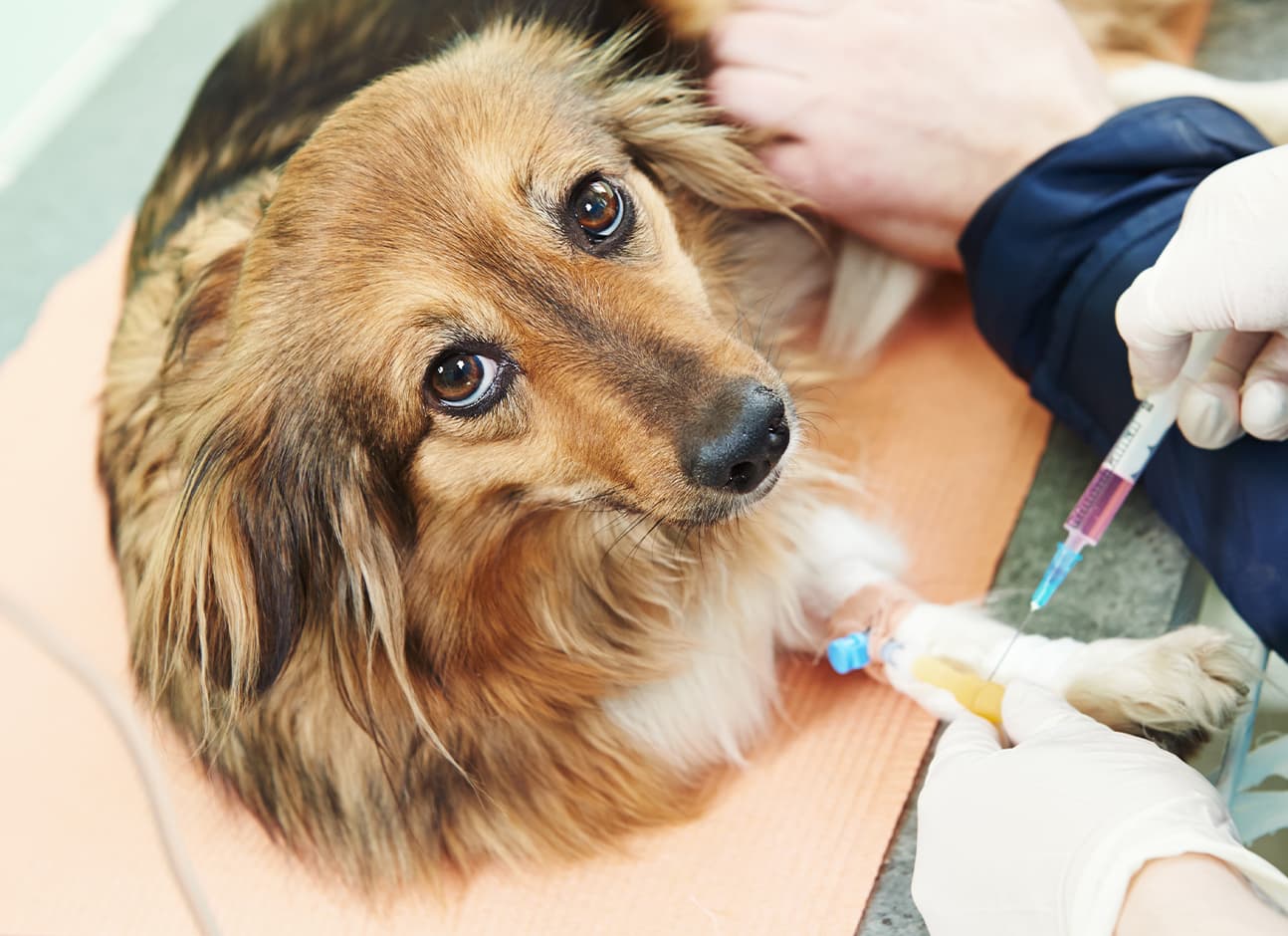
HYPOTHYROIDISM IN DOGS
Hypothyroidism is a common endocrine disease among the canine population. It occurs when the thyroid gland becomes less active and produces less amounts of thyroxine (T4) and triiodothyronine (T3), which slows down the metabolic rate of the body.
 Updated: 10/07/2026
LIVER SHUNT IN DOGS
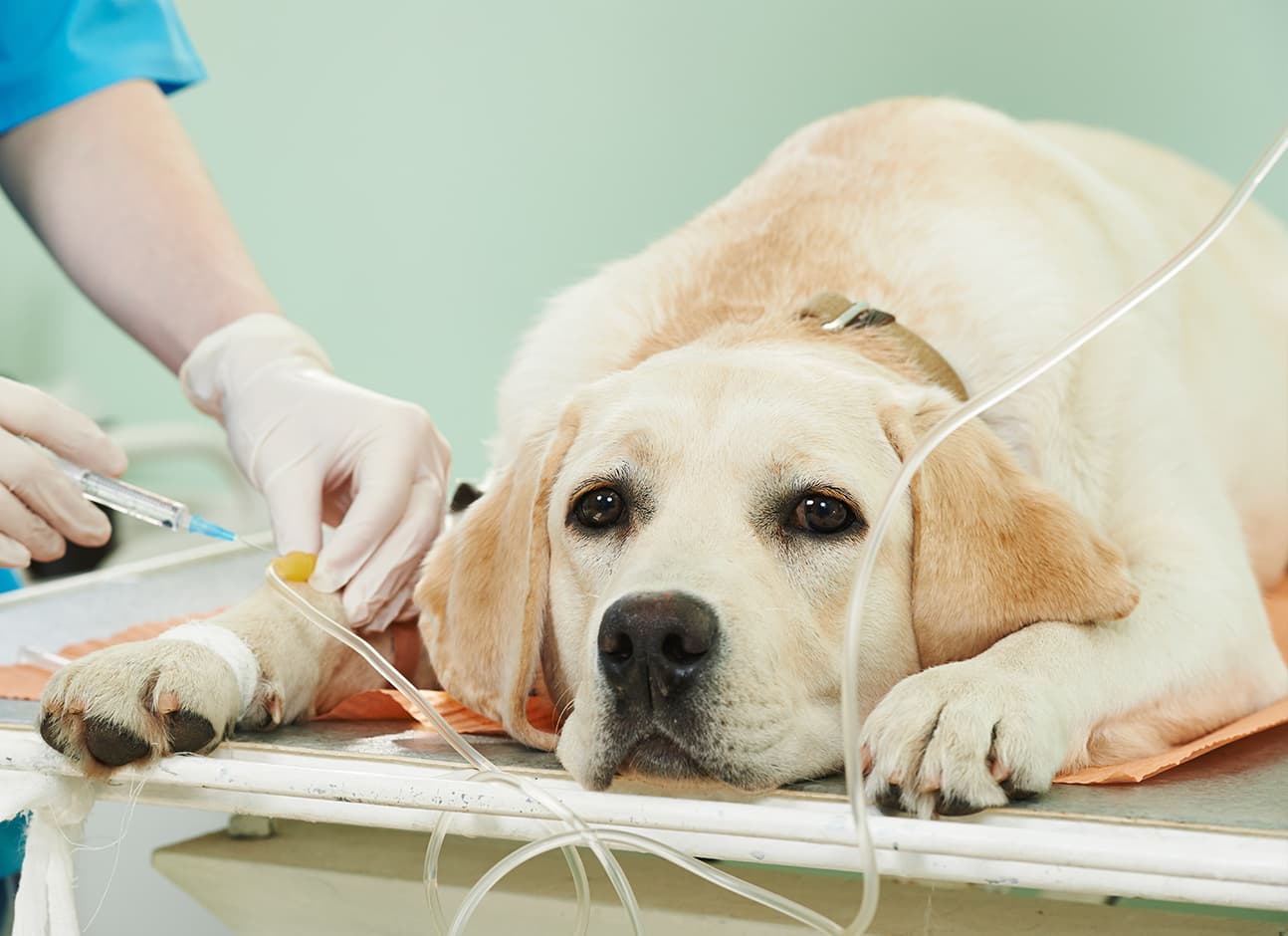
Portosystemic shunt (PSS) or liver shunt is a condition where the blood draining from the stomach, intestines, spleen, and pancreas bypasses the liver and flows directly into circulation without being purified by the liver.
 Updated: 05/06/2026
Are dogs immune to tear gas?
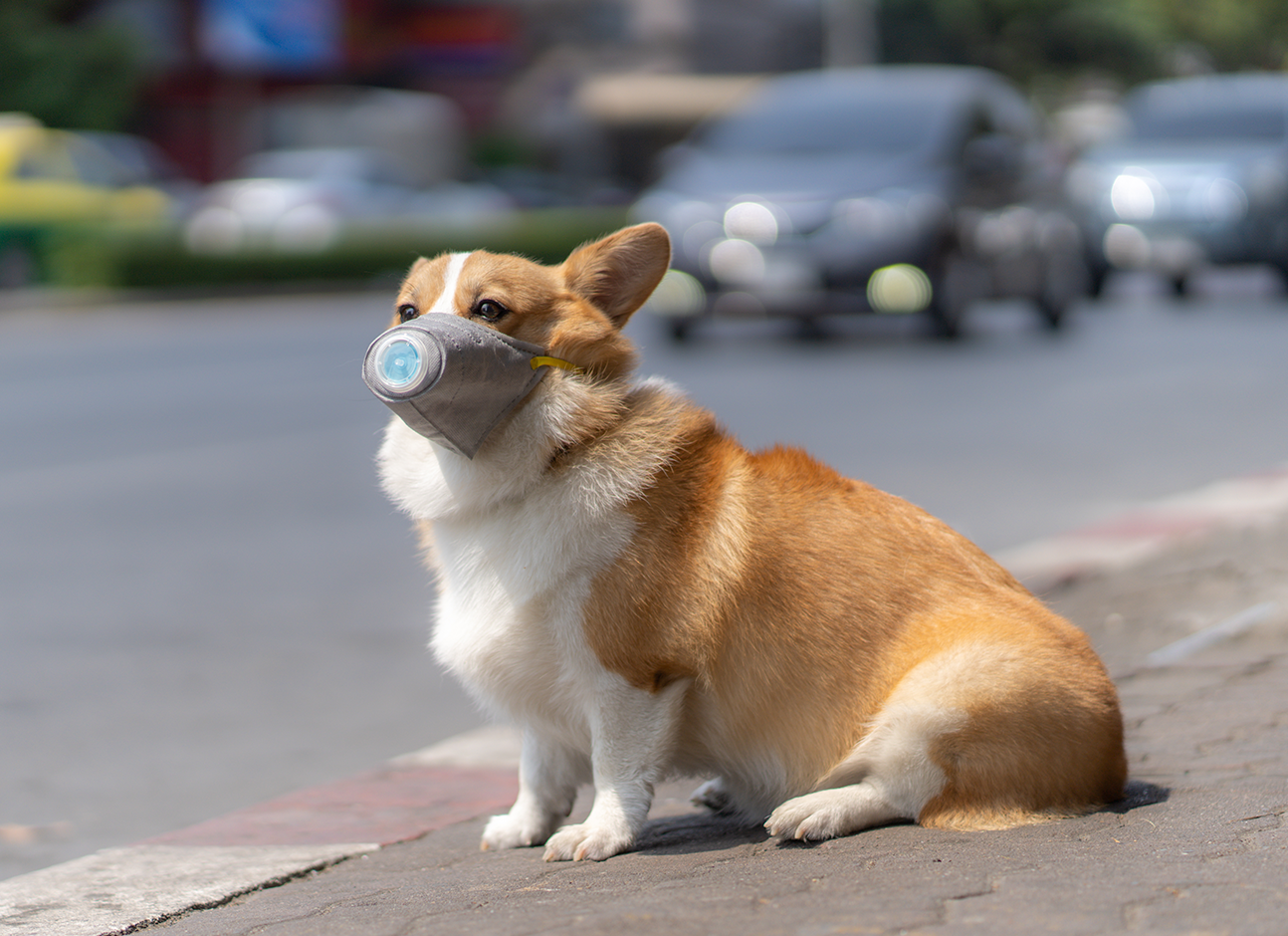
Tear gas is chemical weapon police can use to force people to stop fighting and surrender. It's been used in riots and protests for decades but recently gained notoriety as a weapon of choice for law enforcement agencies.
 Updated: 05/06/2026
Are Antibiotics Safe for Dogs?
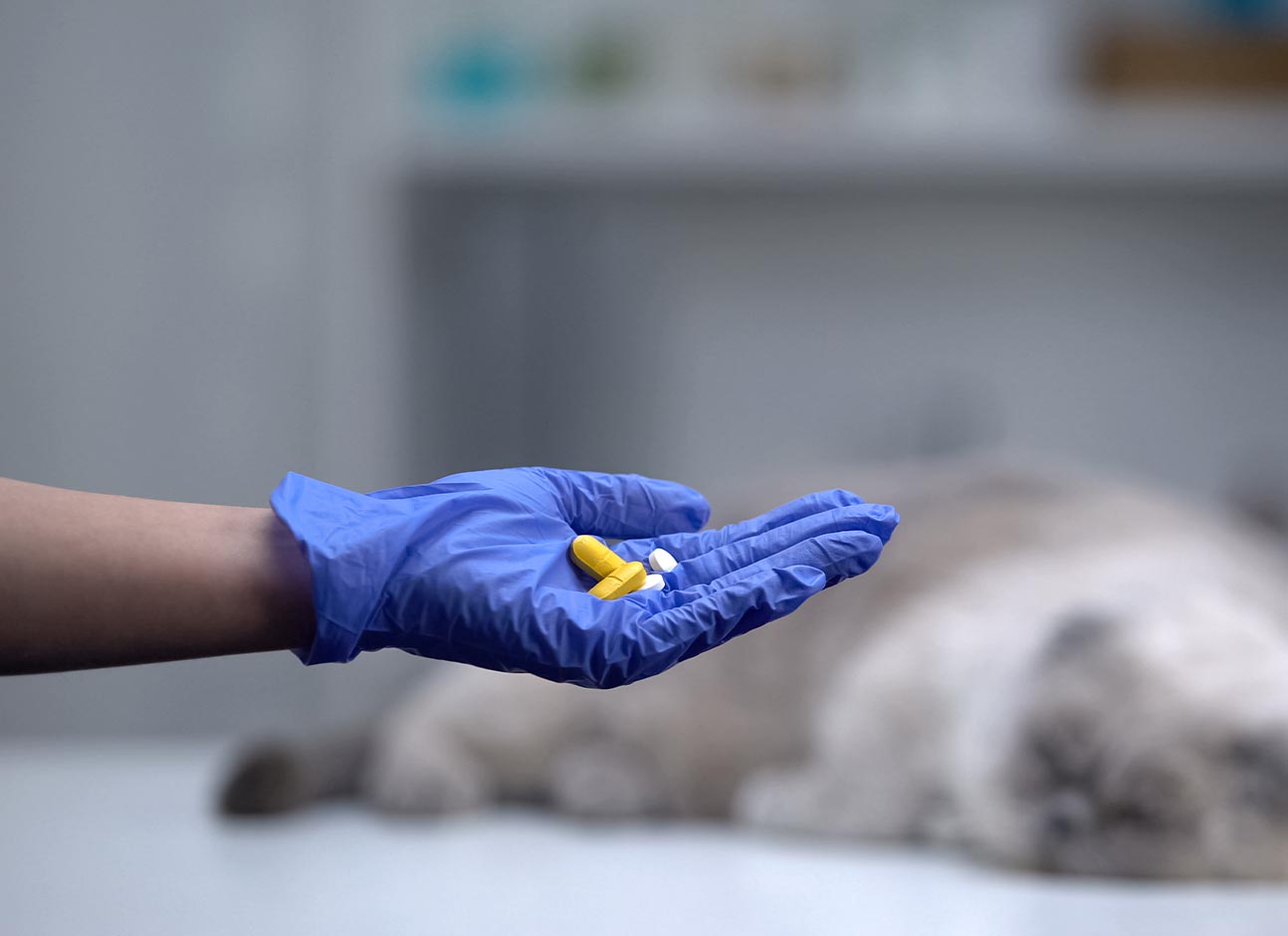
The answer to whether antibiotics are safe for dogs is yes. Antibiotics are often used on dogs because they have similar bacteria and viruses as humans, making them ideal for treating infections affecting both species.
 Updated: 05/06/2026
Can my dog get kennel cough even when vaccinated?
Kennel cough is a viral infection that affects dogs. It's caused by Bordetella bronchiseptica, one of the most common causes of canine respiratory disease in the UAE. Kennel cough can be prevented with vaccination and treatment, but it can still be transmitted from dog to dog when they're around infected animals or people exposed to the virus.