
 Updated: 05/06/2026
How Long Does a Tick Stay on A Dog?
Your pet is susceptible to tick bites while hiking, camping, and visiting the dog park. Ticks carry numerous diseases, including Lyme disease, which is fatal to dogs. But how can you tell if a tick has bitten your pet? Let’s discuss this in detail
 Updated: 05/06/2026
Can Cats Get Warts from Dogs?
As dedicated pet lovers, we must ensure that our furry companions are always healthy and content. The question of whether cats can contract warts from dogs often arises among the different ailments and infections that can affect dogs and cats.
 Updated: 05/06/2026
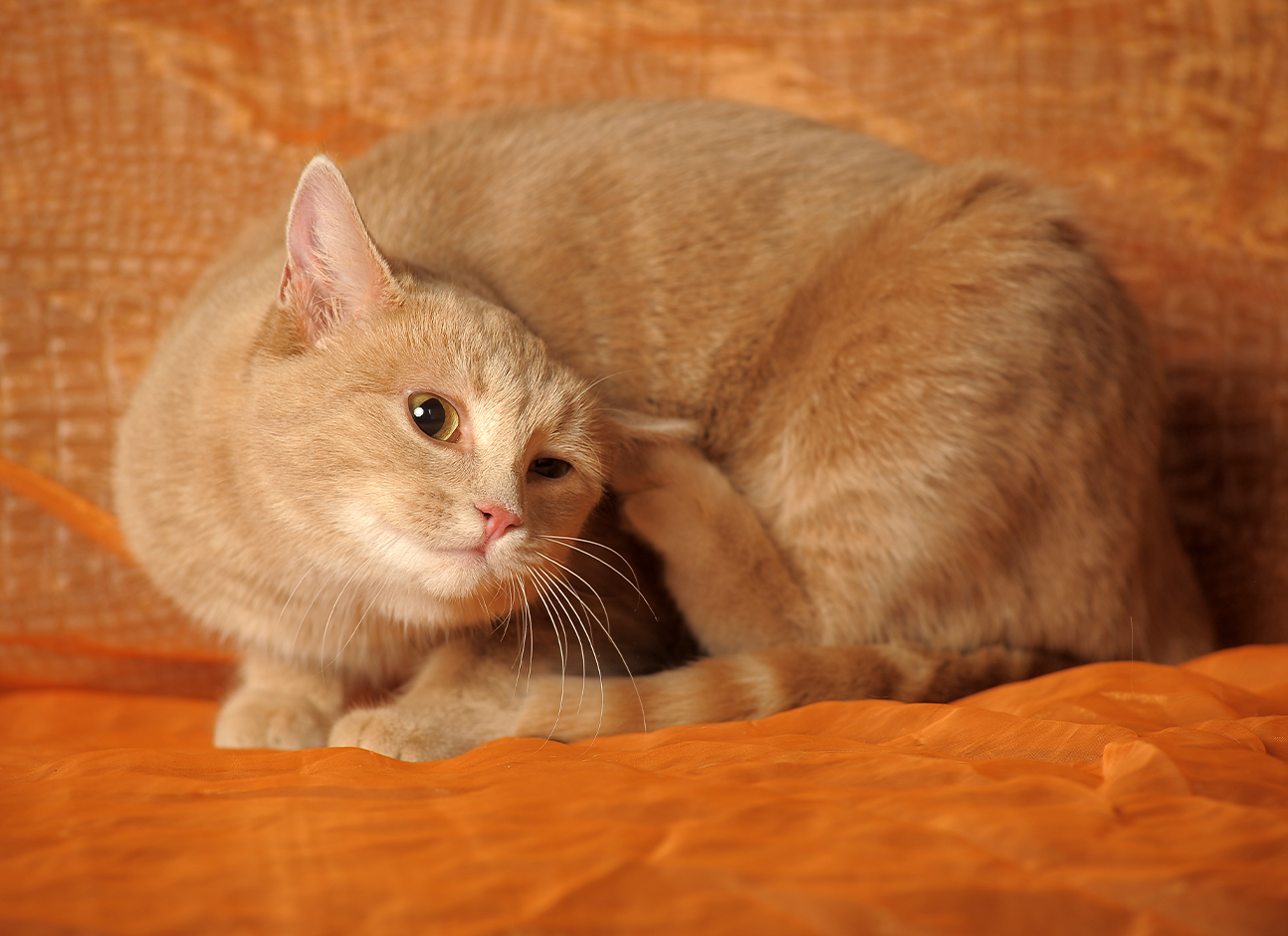
Can cats get fleas in the winter
Fleas are a common problem in cats. They can spread to your home and be difficult to get rid of. The best way to prevent fleas is by keeping your kitty clean, but what if you live somewhere warm year-round? There are ways around this problem.
 Updated: 05/06/2026
Can Dogs Get Fleas from Grass?
As an owner of a four-legged companion, you may ponder the possibility of your pup getting fleas from the grass. Fleas are parasites that nourish themselves on the blood of canines and other animals and can produce a range of medical difficulties, including skin irritation, allergic reactions, and even anemia
 Updated: 05/06/2026
Toxoplasmosis in Cats: Symptoms, Causes, Diagnosis, and Treatment
Toxoplasma reproduction occurs intracellularly within the host's body, forming a focus of destruction. The immune system's response halts reproduction, resulting in the formation of an intracellular cyst containing Toxoplasma.
 Updated: 05/06/2026
Fleas in Cats: Risks of Infection and How to Eliminate Parasites
Fleas are blood-sucking, wingless parasites that can infest cats. Their narrow, smooth bodies allow them to move efficiently and stay within a cat's fur. Fleas can be found in the environment, on bedding, and even on other animals.
 Updated: 05/06/2026
Babesiosis (Piroplasmosis) in Animals: Symptoms, Diagnosis, and Treatment
Babesiosis, also known as piroplasmosis, is a parasitic disease caused by the blood parasite Babesia and transmitted by ticks from the Rhipicephalus species. The tick infects the animal through its saliva during a bite, usually in areas with thin skin. The parasite settles in the red blood cells, multiplying and destroying them, which leads to anemia, degenerative processes, and clogging of the vascular system.
 Updated: 05/06/2026
Dirofilariasis in Dogs and Cats
Dirofilariasis primarily affects the pulmonary and cardiac systems. In most cases, the helminths complicate blood circulation and cause heart valve problems. Less commonly, the helminths settle in the abdomen, eyes, brain, and spinal cord. The helminths grow for seven to eight months and have a lifespan of about three years, during which they can lay up to 30,000 microfilariae per day.
 Updated: 05/06/2026
Ear Mite in Cats: Signs, Treatment, and Prevention
If you notice your pet constantly trying to scratch its ear, scratching the skin, or frequently shaking its head, these actions often indicate the presence of ear mites. This common disease is caused by a tiny parasite, up to one millimeter in size, and can be treated effectively at an early stage, even with certain home remedies.
 Updated: 05/06/2026
Demodicosis in Dogs and Cats: Diagnosis and Treatment
Demodicosis is a complex and not fully understood disease caused by ticks. These ticks feed on the epithelium, destroying its integrity and irritating nerve endings. This leads to inflammation, hair loss, and the formation of abscesses.
 Updated: 05/06/2026
Deworming Animals: Cats and Dogs
Deworming refers to treatments or preventive measures against helminth (worm) infections. It is highly recommended for all animals, whether they live indoors, outdoors, or on the streets.
 Updated: 05/06/2026
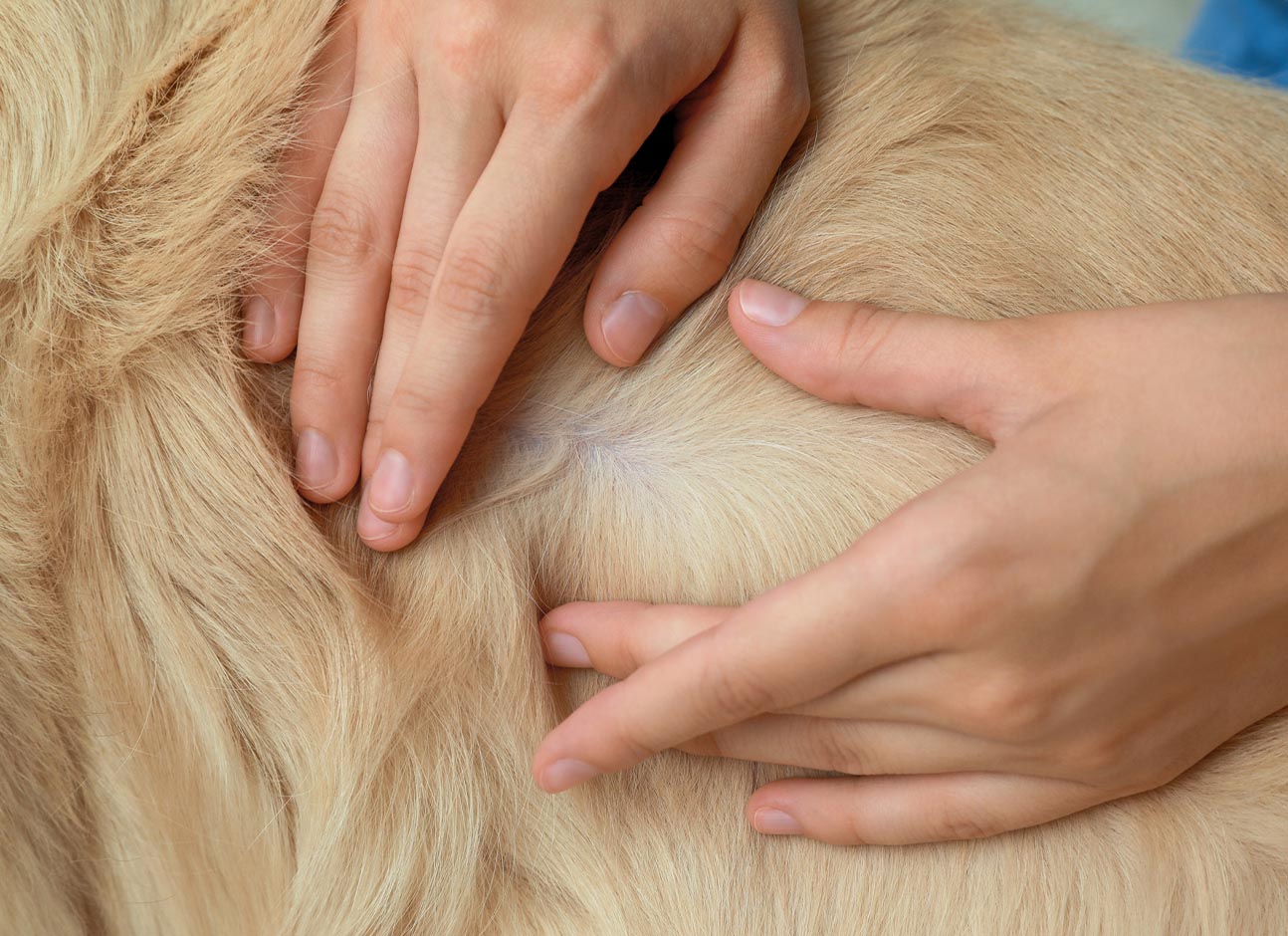
Fleas in Dogs and Puppies: Signs, Treatment Methods, and Key Features
Fleas are blood-sucking parasitic insects that live in the coats of animals, reproduce actively, and can jump from one host to another. Even if you don't take your pet for walks, there is still a risk of flea infestation.