
 Updated: 05/06/2026
Proper Nutrition for Your Dog
When you first get a puppy, numerous questions arise about their living arrangements, feeding habits, and more. One essential aspect to address is your dog's nutrition.
 Updated: 05/06/2026
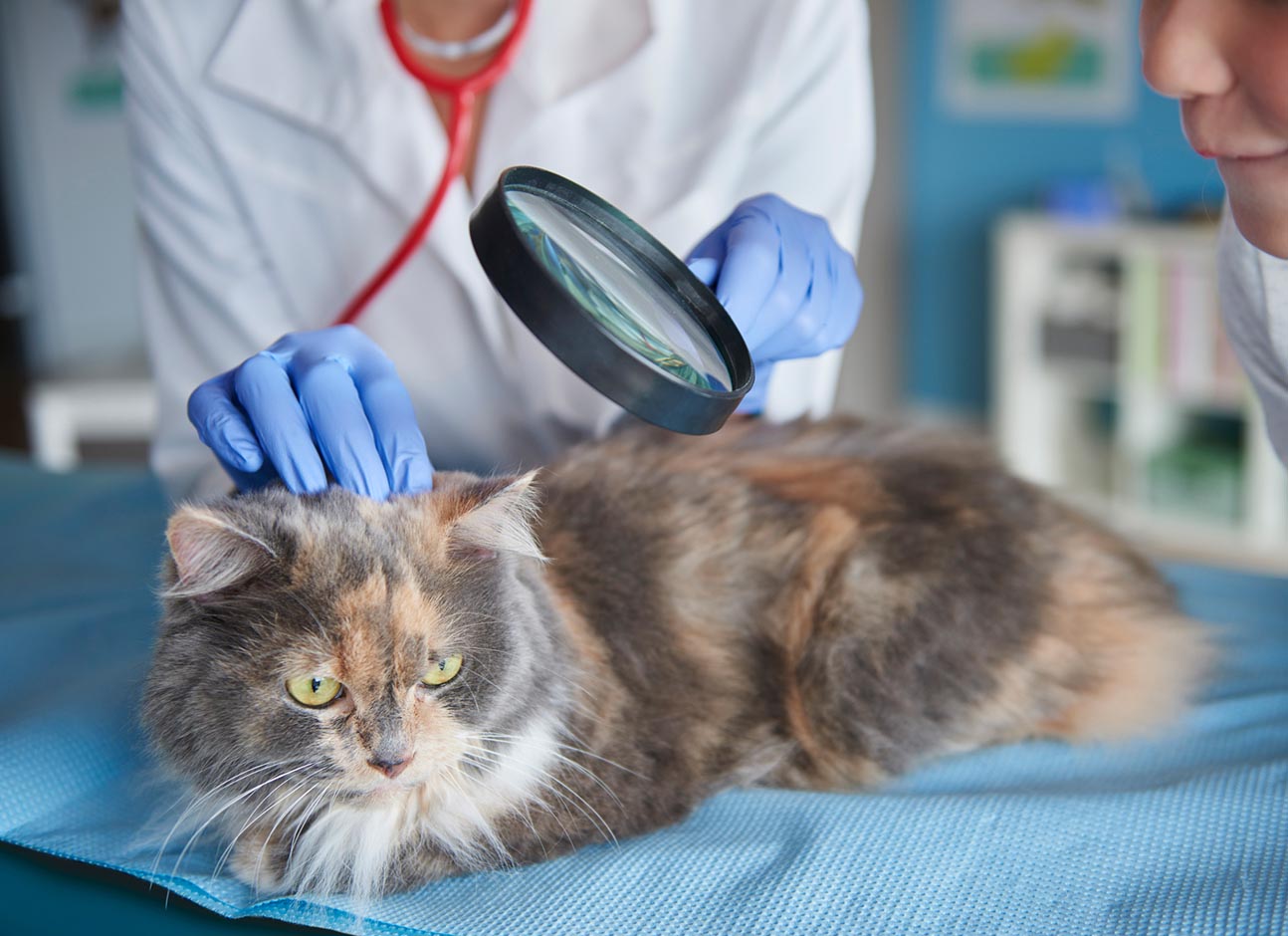
Fleas in Cats: Risks of Infection and How to Eliminate Parasites
Fleas are blood-sucking, wingless parasites that can infest cats. Their narrow, smooth bodies allow them to move efficiently and stay within a cat's fur. Fleas can be found in the environment, on bedding, and even on other animals.
 Updated: 05/06/2026
Cat Pregnancy: Duration and Signs of Pregnancy
Most cat owners who do not breed their pets opt for sterilization, which prevents unwanted behaviors and the challenges of caring for and finding homes for kittens. However, if you have not sterilized your cat and suspect pregnancy, it is essential to know the duration of the pregnancy process. Cat pregnancy typically lasts around two months, but the exact duration can vary depending on the breed and other factors.
 Updated: 05/06/2026
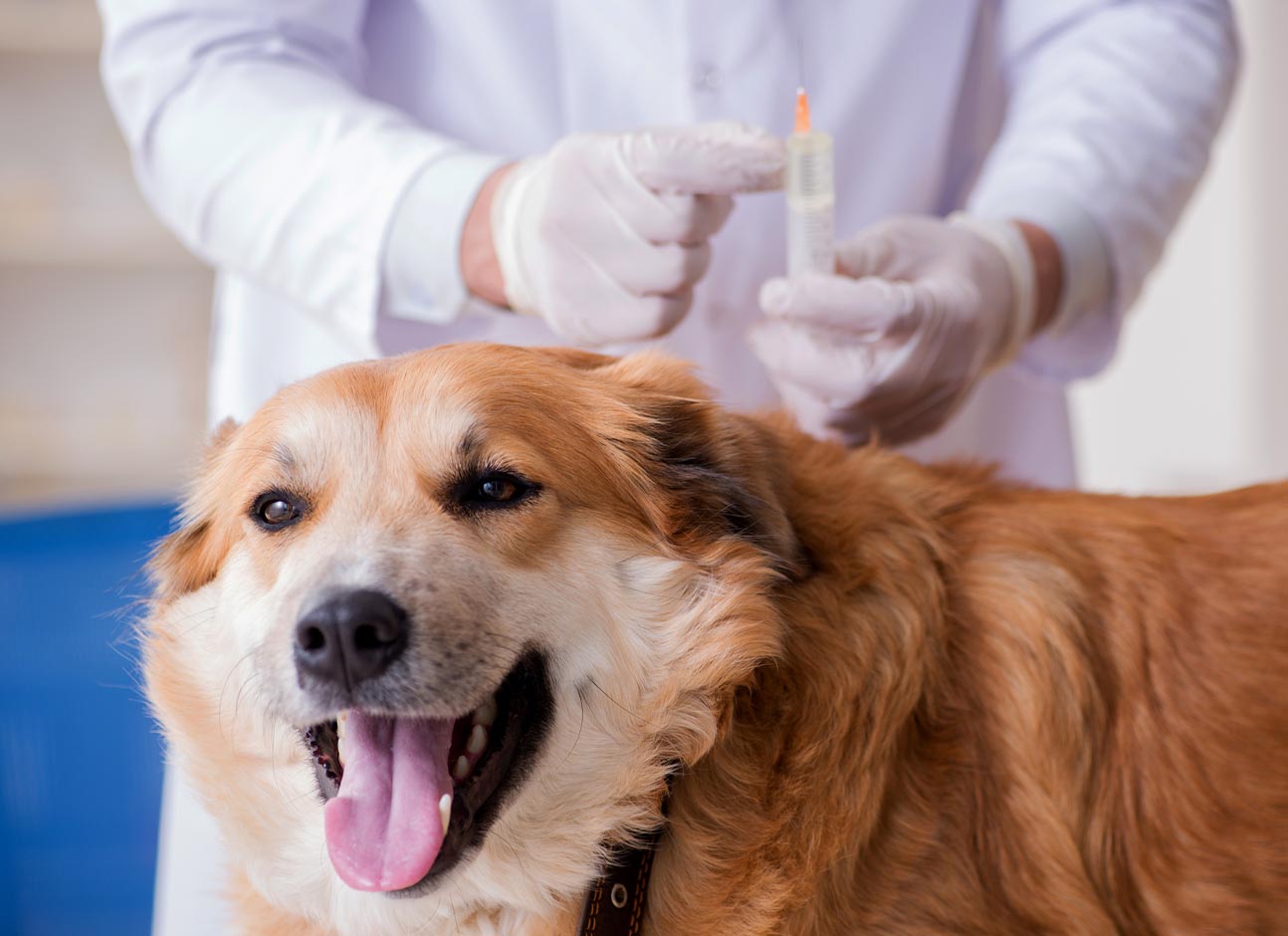
Babesiosis (Piroplasmosis) in Animals: Symptoms, Diagnosis, and Treatment
Babesiosis, also known as piroplasmosis, is a parasitic disease caused by the blood parasite Babesia and transmitted by ticks from the Rhipicephalus species. The tick infects the animal through its saliva during a bite, usually in areas with thin skin. The parasite settles in the red blood cells, multiplying and destroying them, which leads to anemia, degenerative processes, and clogging of the vascular system.
 Updated: 05/06/2026
Lump Under a Dog’s Skin
Dog owners often become alarmed when they discover a subcutaneous bump or growth. However, most of these can be easily treated, and the key is to determine the cause of the lump.
 Updated: 05/06/2026
Urolithiasis in Cats: Symptoms, First Aid, and Treatment
Urolithiasis, a condition involving the formation of stones in the urinary system, is relatively common in cats. Due to their anatomy, cats are more susceptible to this disease, which is often chronic and can develop for months or years without symptoms.
 Updated: 05/06/2026
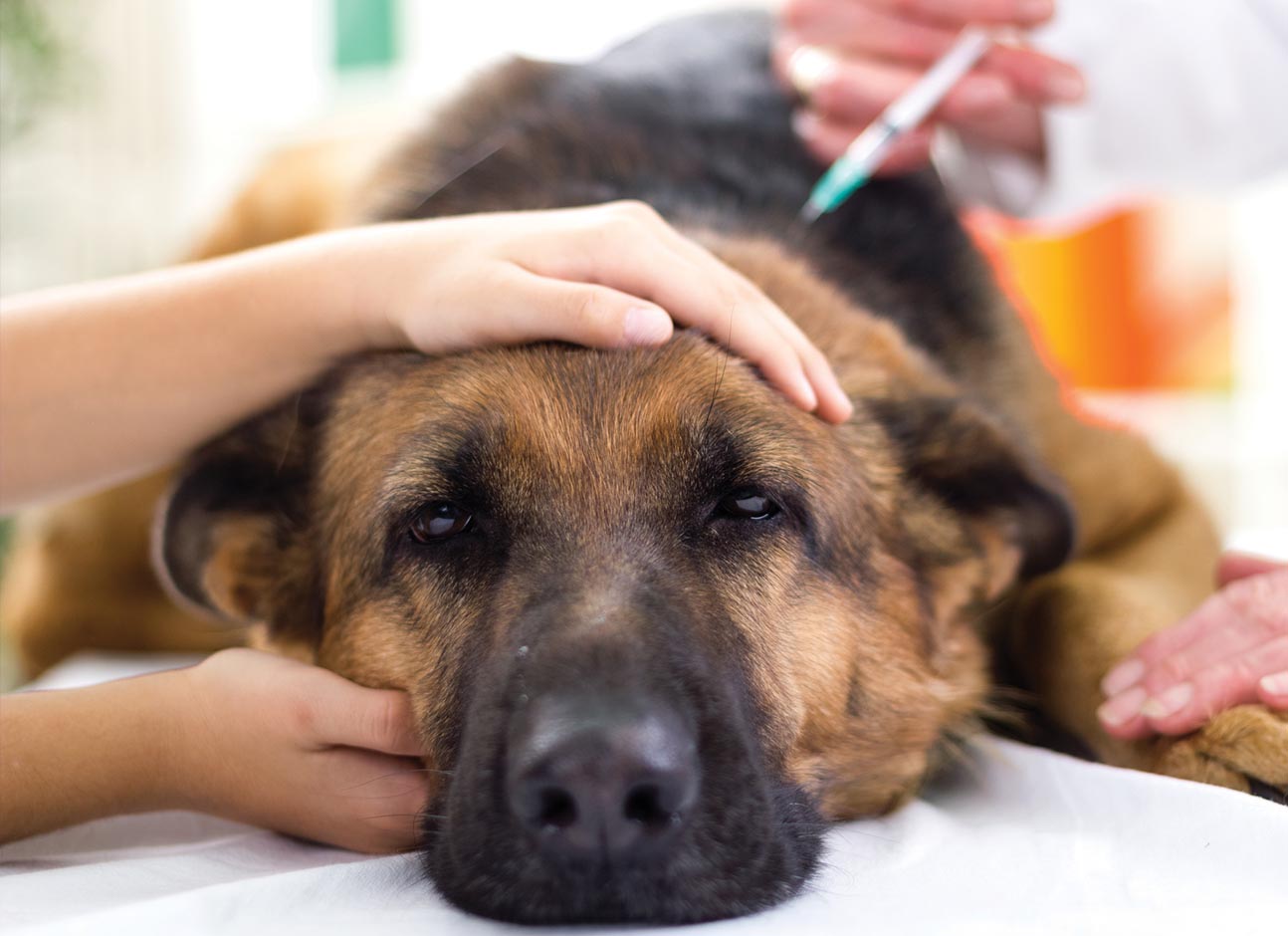
Dirofilariasis in Dogs and Cats
Dirofilariasis primarily affects the pulmonary and cardiac systems. In most cases, the helminths complicate blood circulation and cause heart valve problems. Less commonly, the helminths settle in the abdomen, eyes, brain, and spinal cord. The helminths grow for seven to eight months and have a lifespan of about three years, during which they can lay up to 30,000 microfilariae per day.
 Updated: 05/06/2026
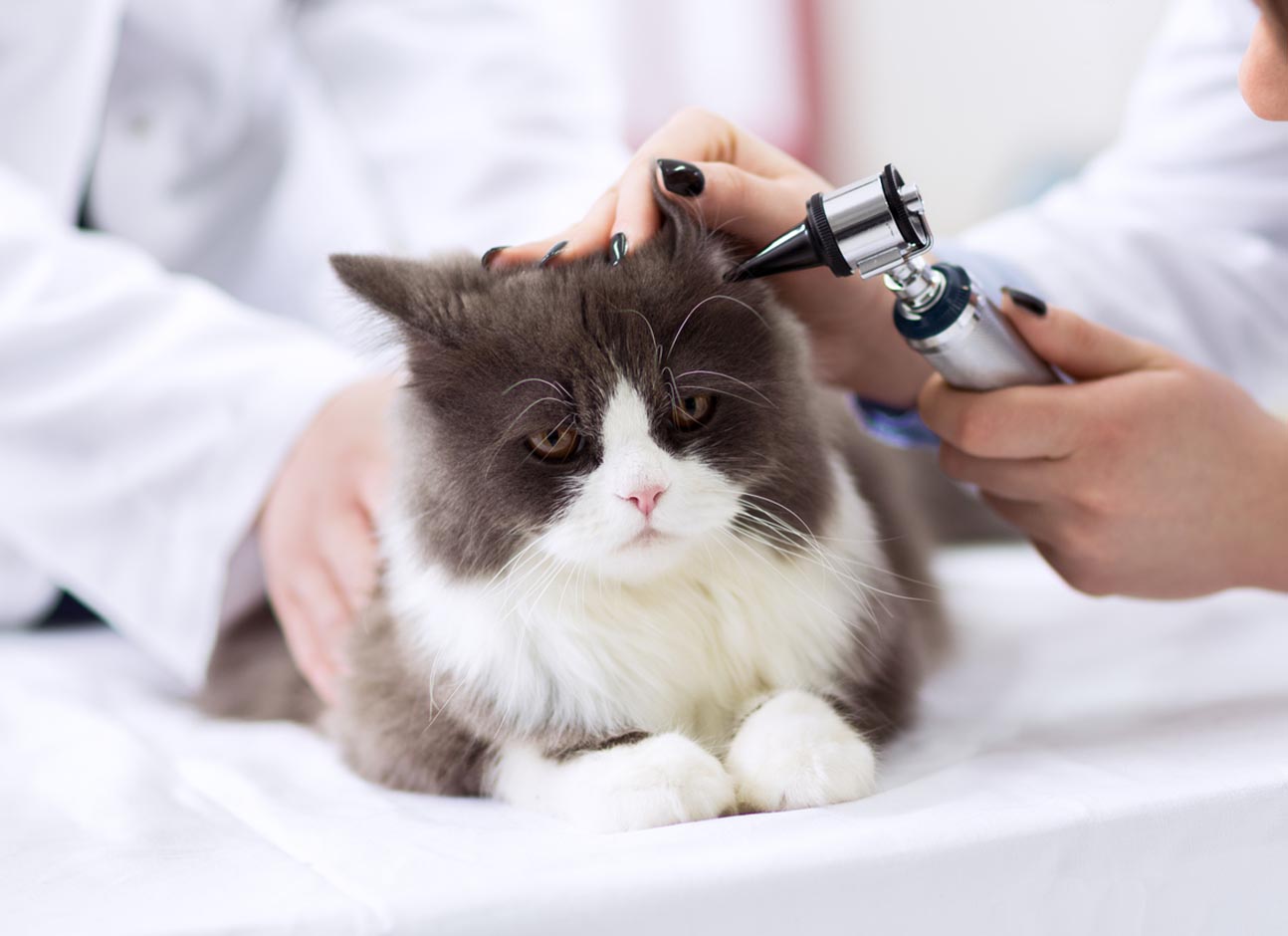
Ear Mite in Cats: Signs, Treatment, and Prevention
If you notice your pet constantly trying to scratch its ear, scratching the skin, or frequently shaking its head, these actions often indicate the presence of ear mites. This common disease is caused by a tiny parasite, up to one millimeter in size, and can be treated effectively at an early stage, even with certain home remedies.
 Updated: 05/06/2026
Determination of the Titer of Antibodies to the Rabies Virus
Rabies is an extremely serious, acute, and always fatal illness caused by a virus that can be transmitted from pets to their owners. It is ubiquitous, as carriers are often animals living in the wild. Vaccination is the only effective method of prevention, making it essential for household pets.
 Updated: 05/06/2026
Demodicosis in Dogs and Cats: Diagnosis and Treatment
Demodicosis is a complex and not fully understood disease caused by ticks. These ticks feed on the epithelium, destroying its integrity and irritating nerve endings. This leads to inflammation, hair loss, and the formation of abscesses.
 Updated: 29/06/2026
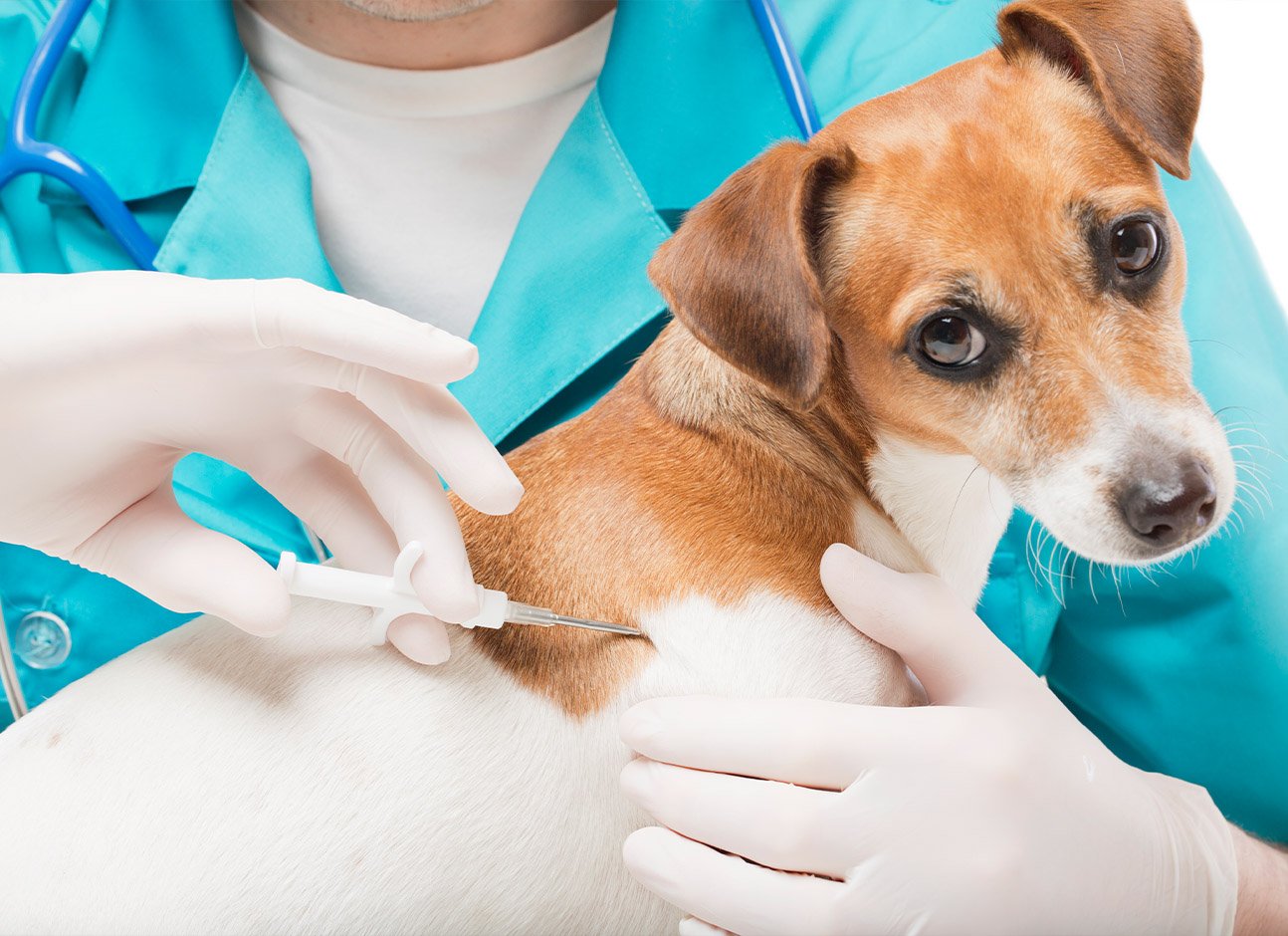
MICROCHIPPING YOUR PETS
One of the most effective methods of protecting your pet from being stolen or lost would be to get a pet microchip for them. tiny computer chips (about as small as a grain of rice) that are implanted under the skin of your pet in a veterinary service or pet health care store just like a simple vaccination
 Updated: 29/06/2026
BLOAT IN DOGS
Bloat in dogs are essentially stomach disorders namely gastric dilatation (GD) which involves the stomach filling up with gas, and gastric dilatation and volvulus (GDV) which results in the bloated stomach twisting upon itself, blocking its entrance and exit.
 Updated: 05/06/2026
Feline Viral Leukemia: Treatment, Prognosis, and Prevention
Feline viral leukemia is one of the most dangerous and challenging diseases to diagnose. It is caused by viruses that integrate into the pet's DNA and currently has no cure, with treatments focused on symptom relief.
 Updated: 30/06/2026
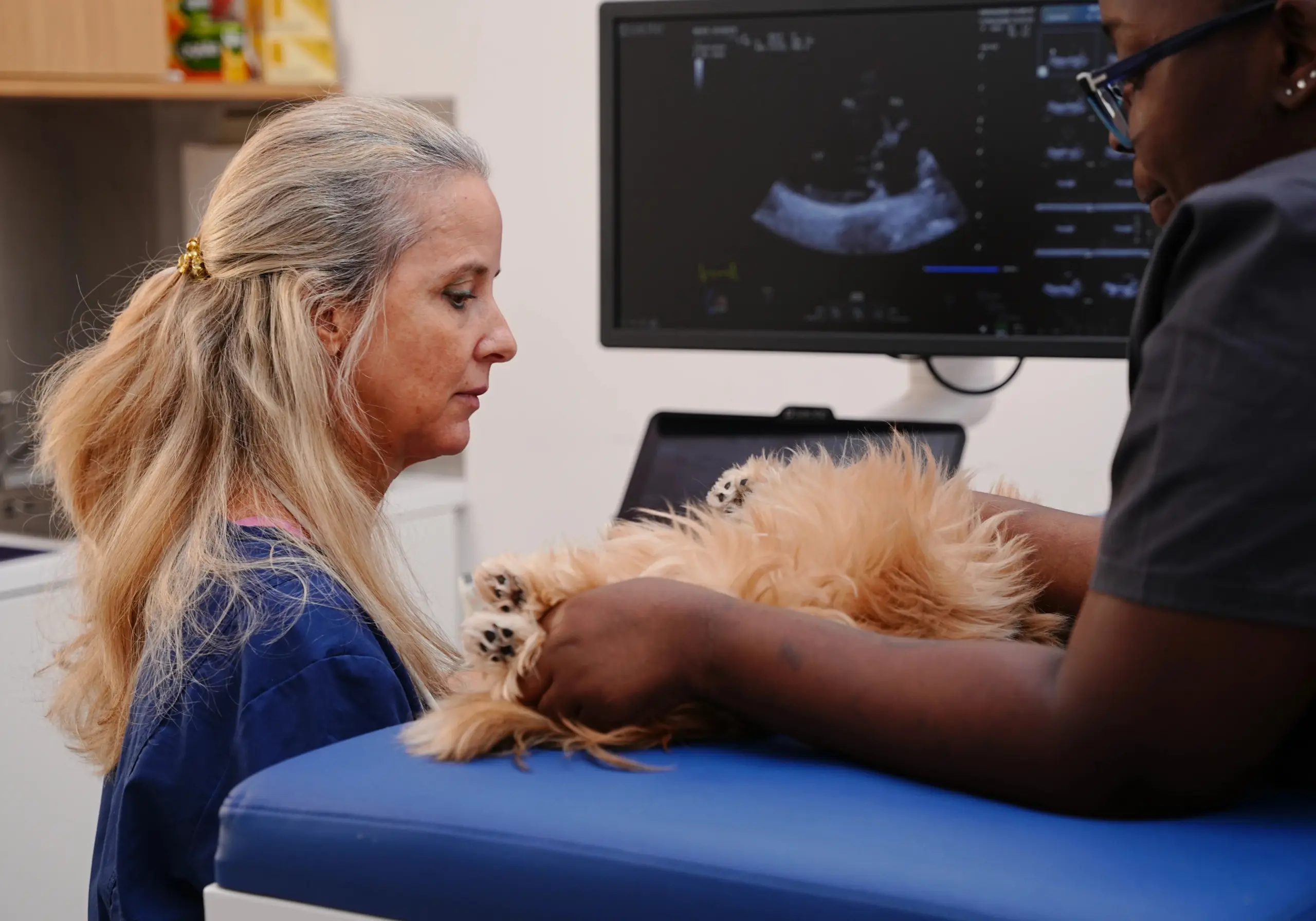
CONGESTIVE HEART FAILURE IN DOGS AND CATS
Reviewed by Dr. Nicoletta Nica Updated on 30/06/2026 Reading time 4 min. Overview Severity: Low Life stage: All Congestive heart...
 Updated: 29/06/2026
EXERCISES FOR DOGS
Regular exercise is essential for your dog's physical health, mental wellbeing, and overall quality of life. Like people, dogs benefit from daily physical activity and mental stimulation. Exercise will help build the muscles and bones in your dog's body, help reduce excess fat, and support better digestion.
 Updated: 29/06/2026
DIABETES IN CATS
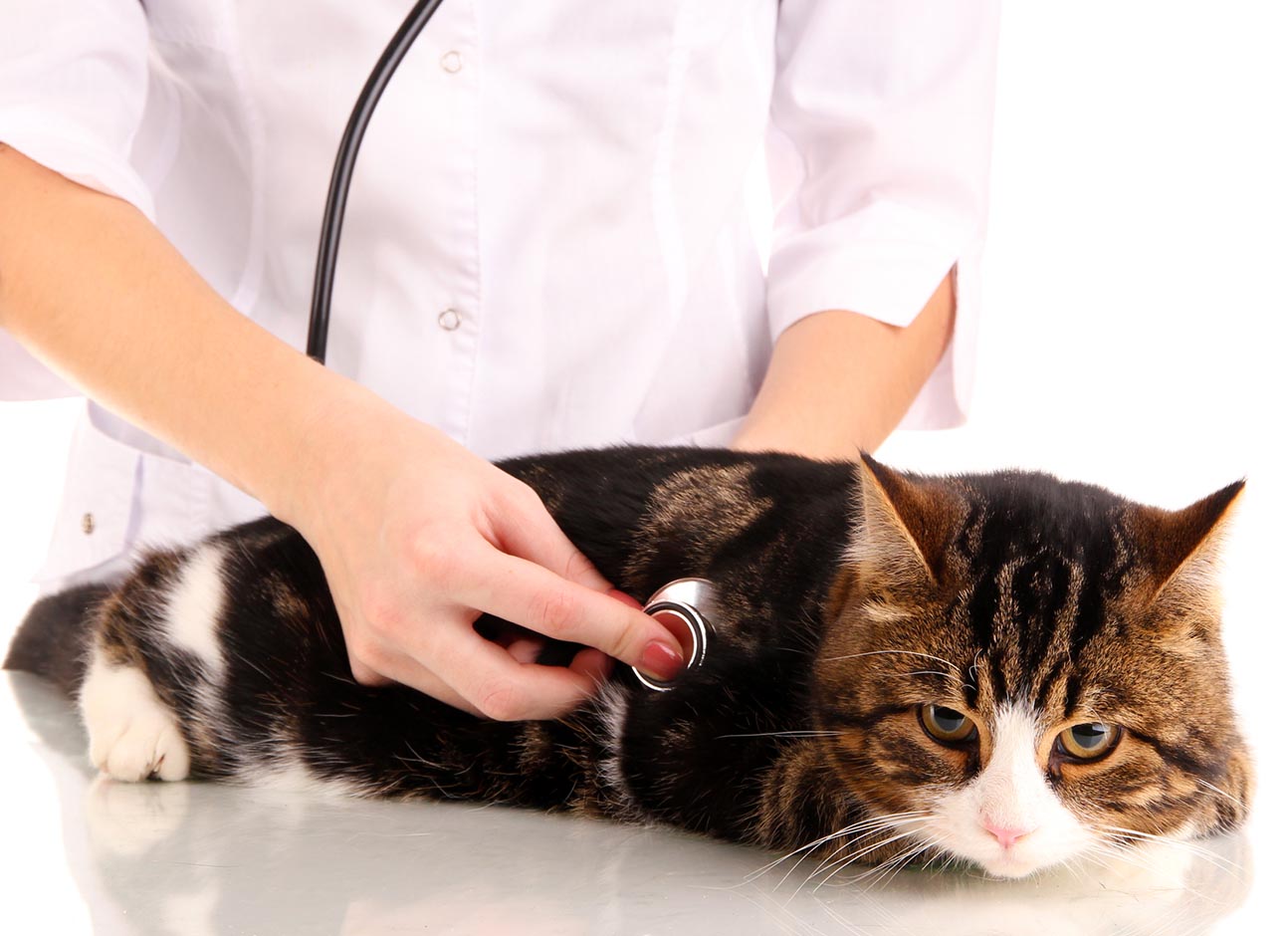
Feline diabetes mellitus is a chronic endocrine disorder that affects the bodys ability to regulate blood glucose levels. It develops through either the decreased production of insulin from the pancreas or the decreased response of cells within the body to insulin.
 Updated: 05/06/2026
Deworming Animals: Cats and Dogs
Deworming refers to treatments or preventive measures against helminth (worm) infections. It is highly recommended for all animals, whether they live indoors, outdoors, or on the streets.
 Updated: 29/06/2026
COVID-19 AND PETS – WHAT YOU NEED TO KNOW
The ongoing COVID-19 pandemic has undeniably derailed our lives in the most unimaginable ways possible. Although we were able to adjust to the routine of social distancing and working / studying from home for the most part, this new change can be and has been especially bizarre for our furry family.
 Updated: 16/09/2026
DIABETES IN DOGS
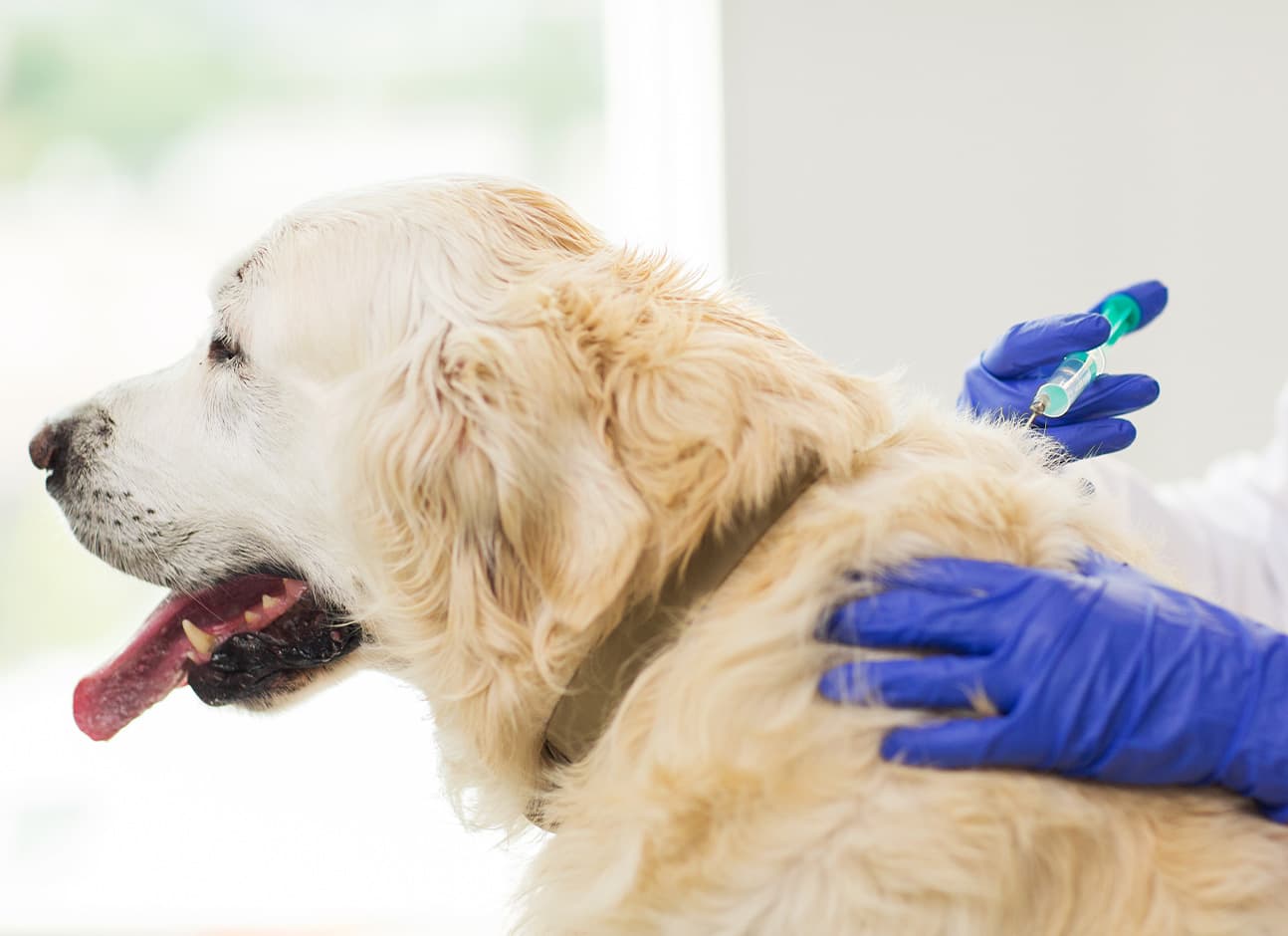
Diabetic dogs suffer from an ongoing disorder of the endocrine system, which impairs their ability to manage blood sugar levels. The disorder is caused by either insufficient production of Insulin or ineffective use of Insulin. Insulin is a hormone that allows glucose in the bloodstream to enter cells.
 Updated: 30/06/2026
DIARRHEA IN CATS
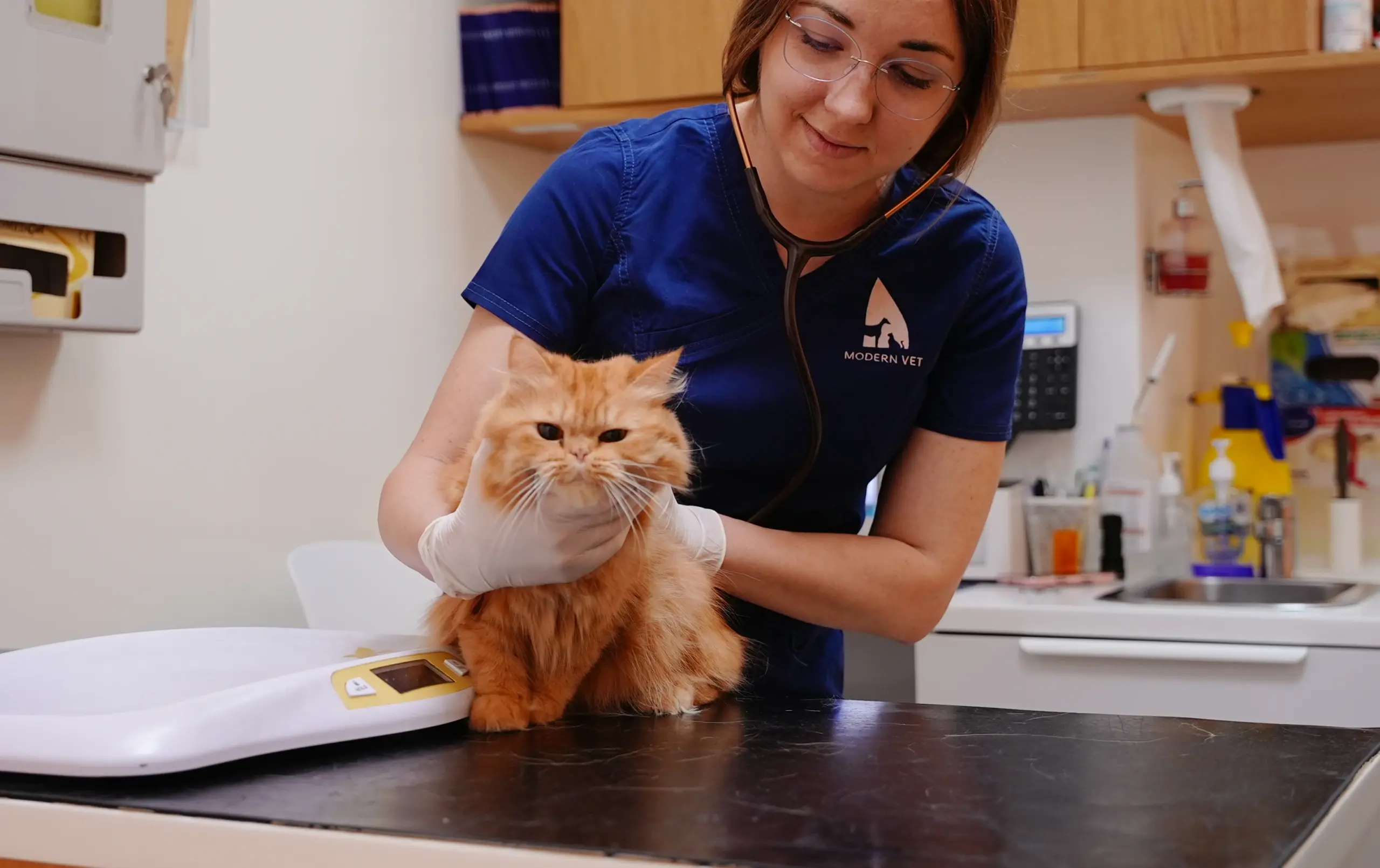
Diarrhea in cats is one of the most frequently diagnosed digestive disorders that can be described as loose, wet, or more than usual number of stools. The primary reason for diarrhea is the small intestine's inability to adequately absorb water and nutrients, which affects the stools water content.
 Updated: 05/06/2026
Fleas in Dogs and Puppies: Signs, Treatment Methods, and Key Features
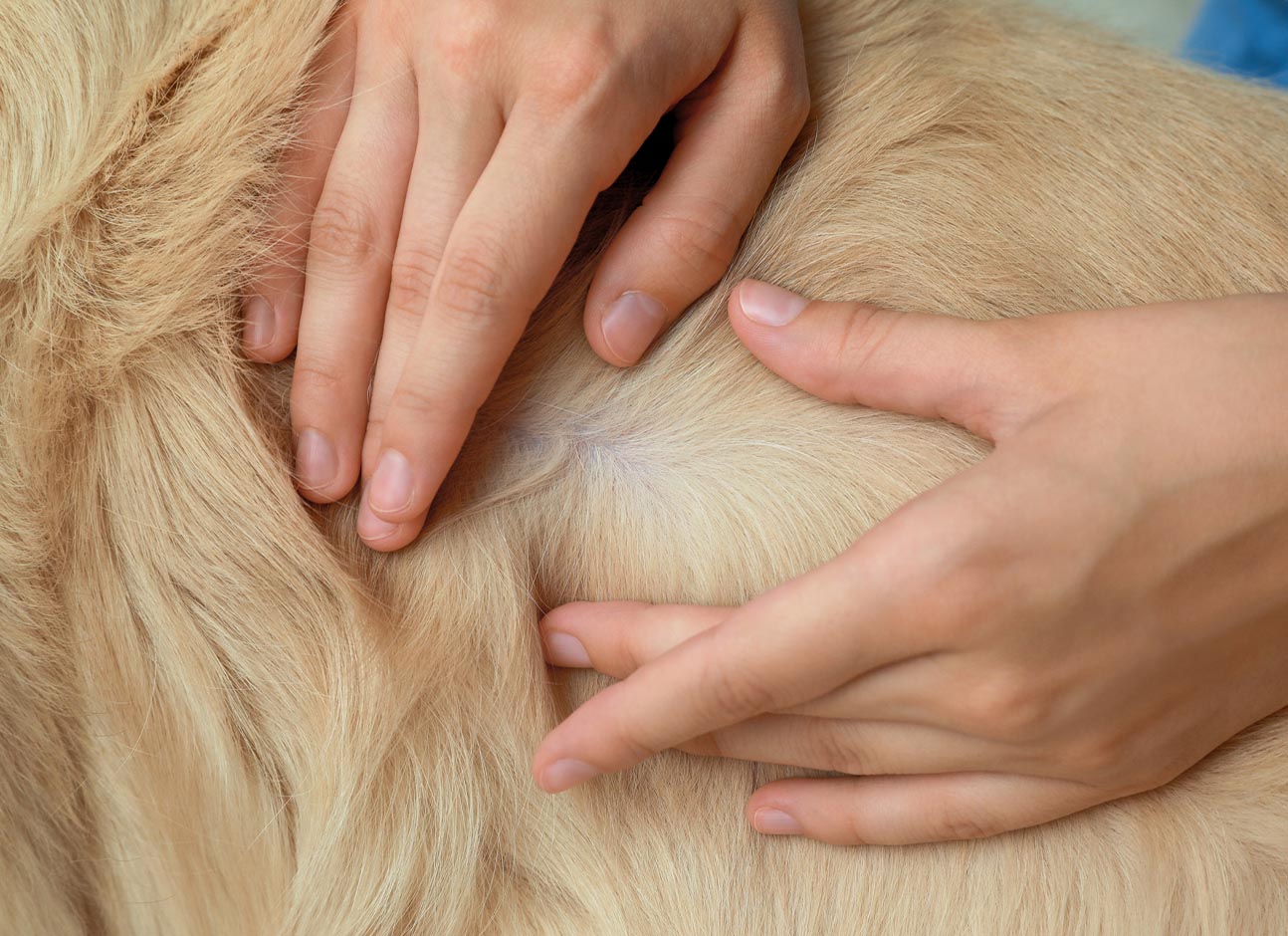
Fleas are blood-sucking parasitic insects that live in the coats of animals, reproduce actively, and can jump from one host to another. Even if you don't take your pet for walks, there is still a risk of flea infestation.
 Updated: 30/06/2026
DIARRHEA IN DOGS
Diarrhea has never been a pleasant topic to discuss let alone experience. However, it is a common occurrence among dogs much to the displeasure of their owners. Varying in regularity, extent and intensity, diarrhea differs from dog to dog.
 Updated: 22/06/2026
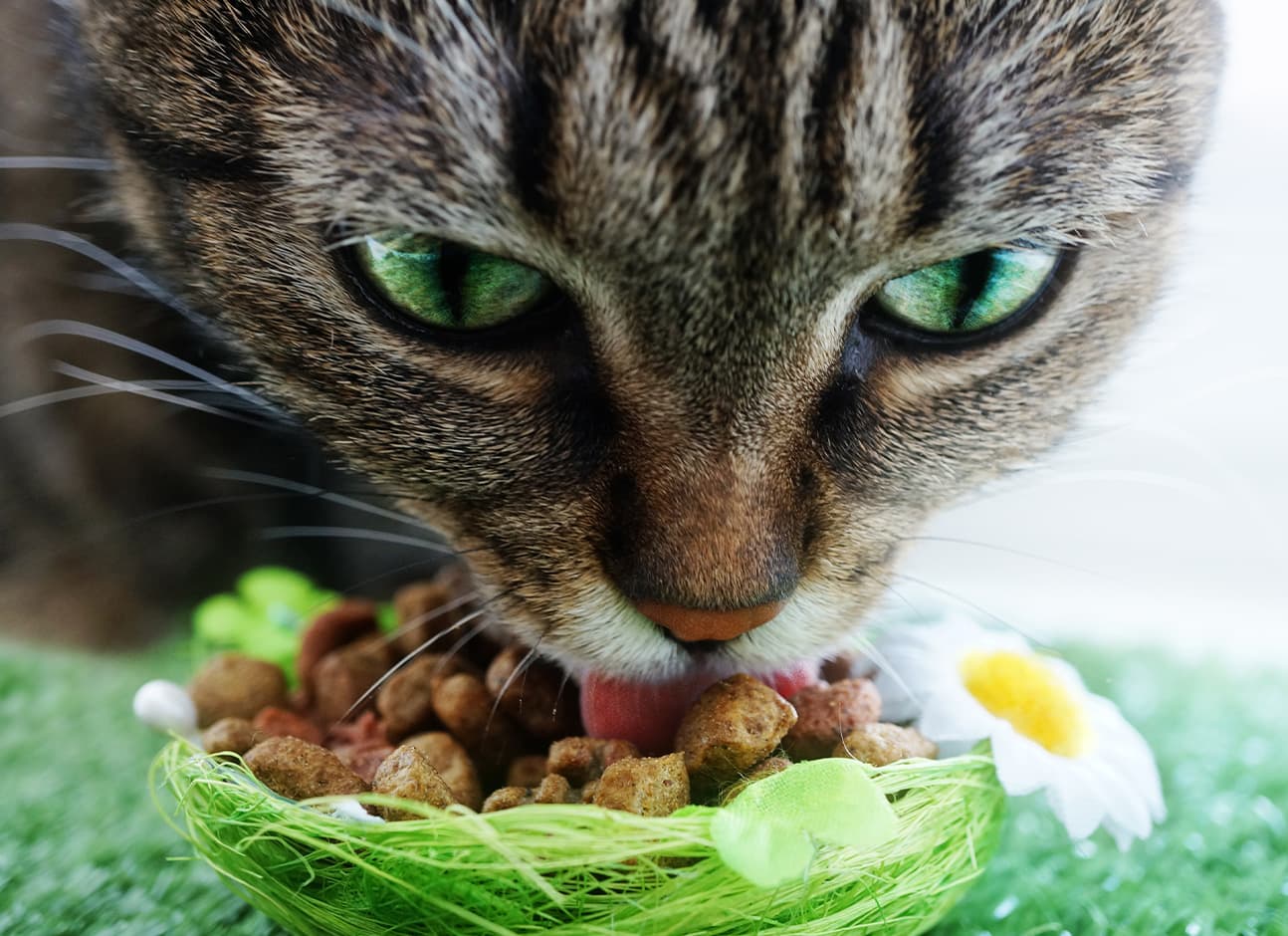
NUTRITION FOR CATS
Adequate nourishment is essential for the continued sustenance of life on earth. The same goes for cats as well. Feeding your cat the right kind of foods containing the required nutrients is a major way by which you can ensure their continued health and happiness.
 Updated: 22/06/2026
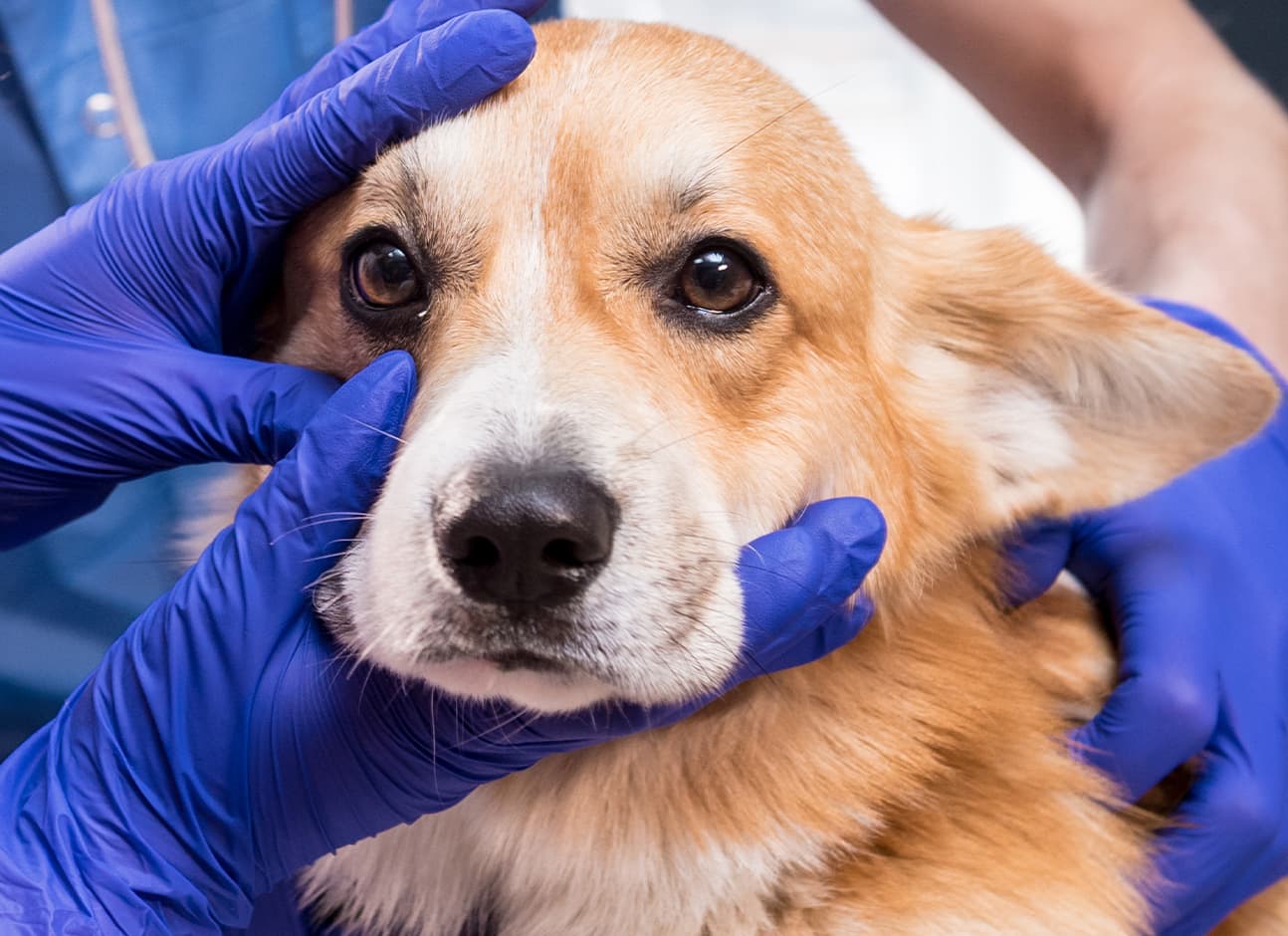
CATARACTS IN DOGS
Cataract is an eye condition which involves the increasing opacity of the lens leading to a loss of vision eventually. Unlike in humans -- who can usually speak for themselves -- cataracts in pets are more difficult to detect simply because they cannot voice their problems the way we can.