
 Updated: 26/11/2025
FELINE IMMUNODEFICIENCY VIRUS (FIV)
Feline Immunodeficiency Virus (FIV) is a viral infection that affects only cats. An uncommon condition in cats, it results in a comparatively weaker immune system. A very small group of cats exhibit physical...
 Updated: 27/11/2025
DIARRHEA IN DOGS
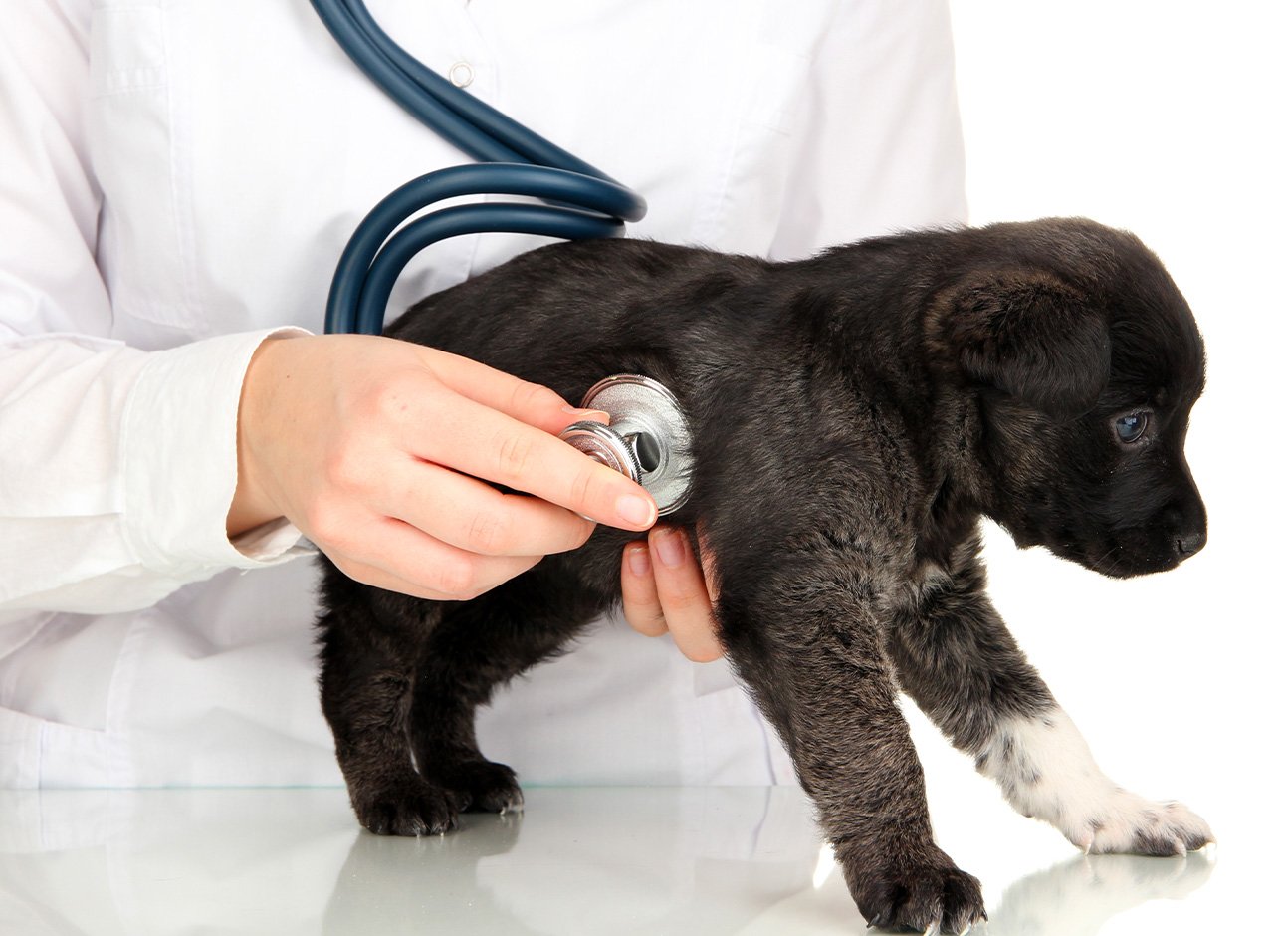
Diarrhea has never been a pleasant topic to discuss let alone experience. However, it is a common occurrence among dogs much to the displeasure of their owners. Varying in regularity, extent and intensity,...
 Updated: 27/11/2025
DIARRHEA IN CATS
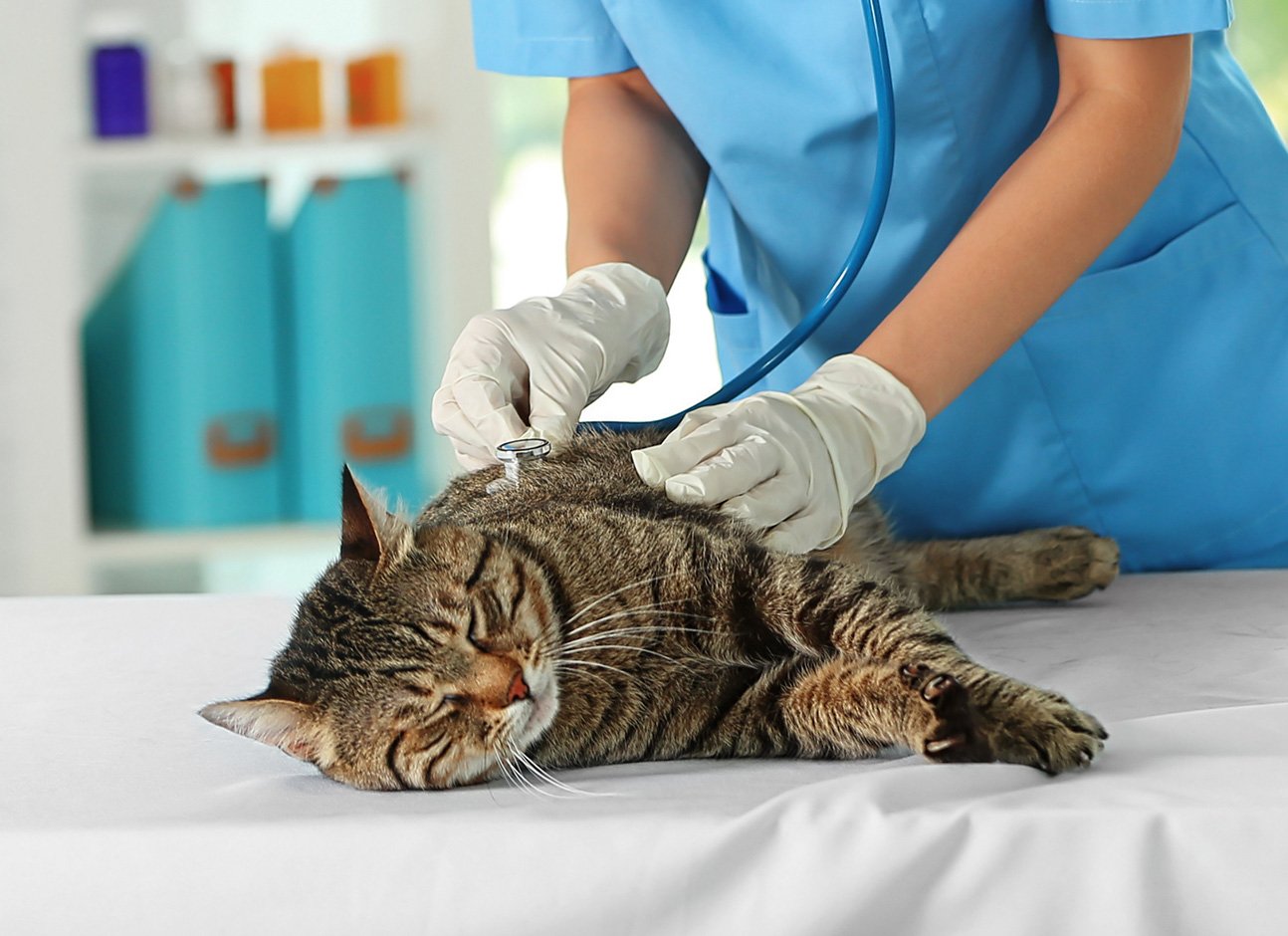
Diarrhea is one of the most common problems faced by animals and cats are no exception to it. However, unlike in dogs, diarrhea is not common to cats.If your dog is having more...
 Updated: 26/11/2025
Seizures in dogs
Seizures can be a very terrifying prospect for pet owners especially since they are a common neurological problem in dogs. There are a few things that you can do to control the situation and help your dog.
 Updated: 26/11/2025
DIABETES IN DOGS
Much like cats, our canine friends are also not spared from diabetes mellitus. Even though diabetes can occur in dogs of all ages, they are usually diagnosed when they are about 7-10 years...
 Updated: 03/12/2025
COVID-19 AND PETS – WHAT YOU NEED TO KNOW
The ongoing COVID-19 pandemic has undeniably derailed our lives in the most unimaginable ways possible. Although we were able to adjust to the routine of social distancing and working / studying from home...
 Updated: 27/11/2025
DIABETES IN CATS
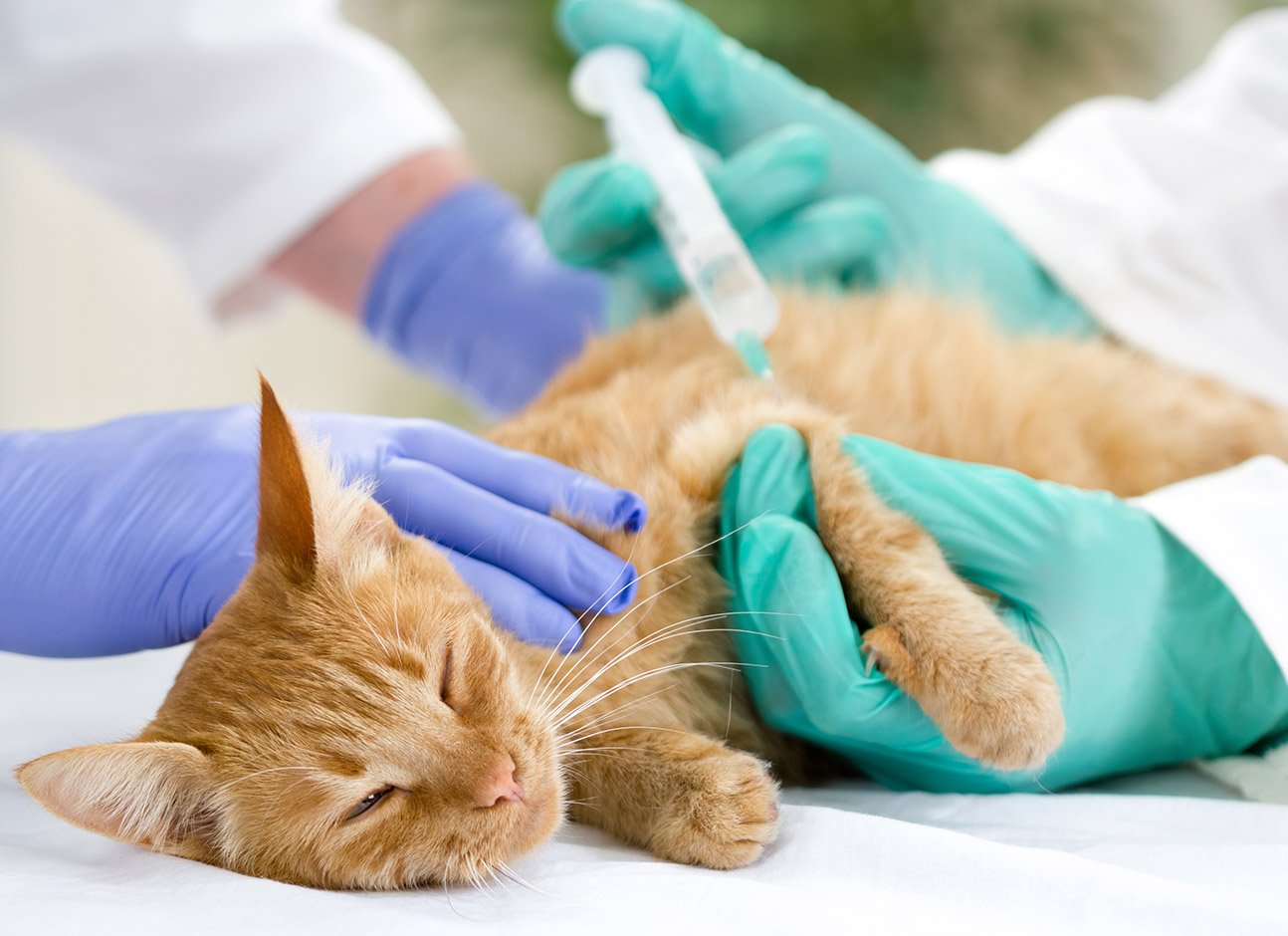
Diabetes is a pressing concern among human beings with it plaguing more people than ever. However, cats aren't exempt from this disease either. Diabetes mellitus is a growing problem among cats of late,...
 Updated: 27/11/2025
EXERCISES FOR DOGS
Having a pet usually means ensuring that they are well-fed <em>and</em> well exercised too. Dogs are no exception to this either. Having a dog for a pet would usually involve walks outside, playing...
 Updated: 27/11/2025
VACCINATIONS FOR DOGS
The most effective way to protect your dog from diseases caused by infectious viruses and bacteria is by getting them vaccinated.
 Updated: 27/11/2025
VACCINATIONS IN CATS
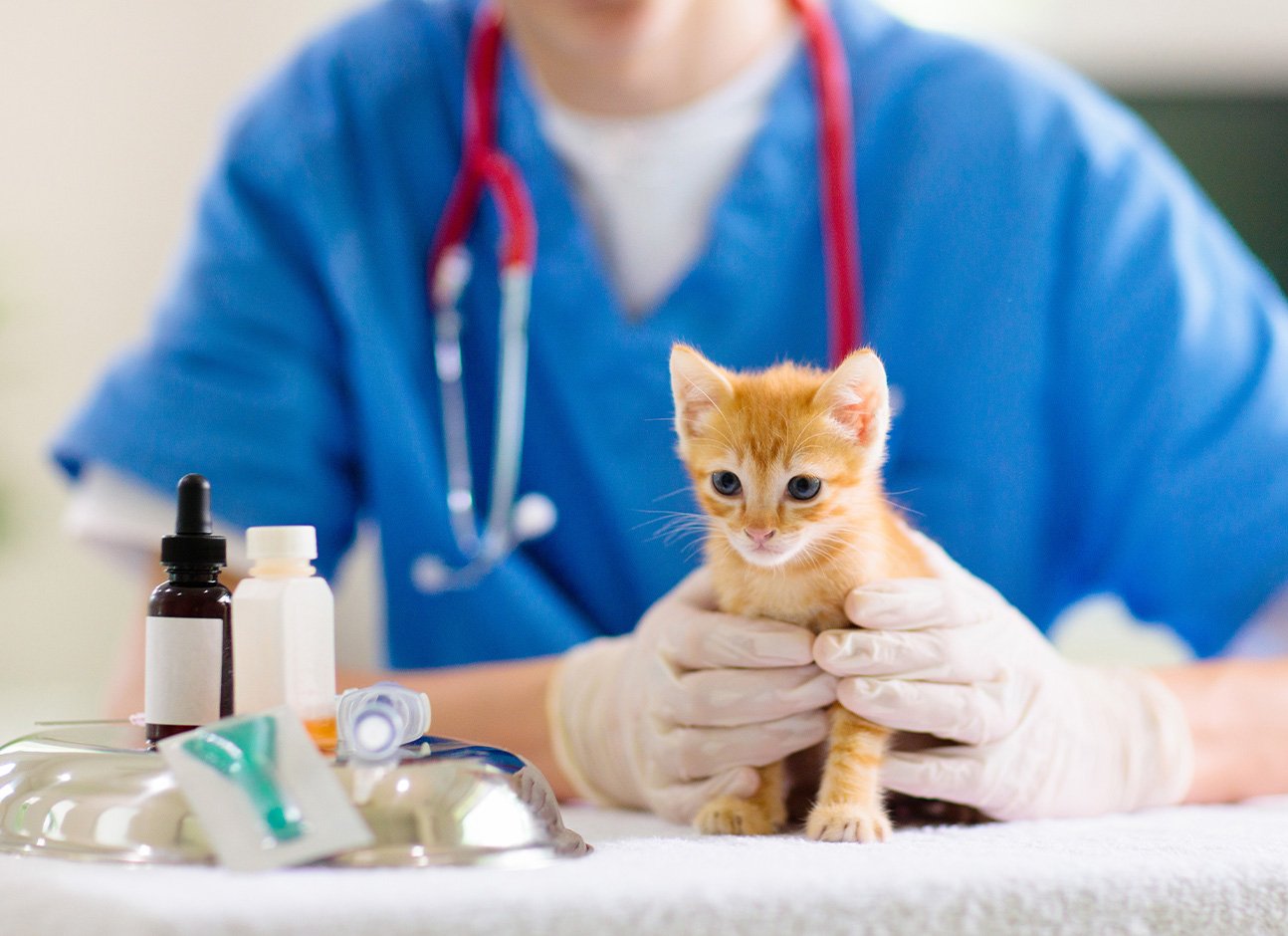
Quite often, the worst enemies are the unseen ones that take the form of harmful bacteria and viruses. The most effective way to protect your feline friends from them is through vaccination.
 Updated: 28/11/2025
CONGESTIVE HEART FAILURE IN DOGS AND CATS
Congestive Heart Failure (CHF) in pets involves the collection of fluid in certain parts of the body caused by acute heart disease. Leaky valves in dogs and inadequate pumping in cats can cause...
 Updated: 27/11/2025
BLOAT IN DOGS
Bloat in dogs are essentially stomach disorders namely gastric dilatation (GD) which involves the stomach filling up with gas, and gastric dilatation and volvulus (GDV) which results in the bloated stomach twisting upon...
 Updated: 25/11/2025
MICROCHIPPING YOUR PETS
One of the most effective methods of protecting your pet from being stolen or lost would be to get a pet microchip for them. tiny computer chips (about as small as a grain...
 Updated: 26/11/2025
Determination of the Titer of Antibodies to the Rabies Virus
Rabies is an extremely serious, acute, and always fatal illness caused by a virus that can be transmitted from pets to their owners. It is ubiquitous, as carriers are often animals living...
 Updated: 26/11/2025
Ear Mite in Cats: Signs, Treatment, and Prevention
If you notice your pet constantly trying to scratch its ear, scratching the skin, or frequently shaking its head, these actions often indicate the presence of ear mites. This common disease is...
 Updated: 27/11/2025
What to Give a Cat for Vomiting: First Aid for Your Pet
How to help a cat with vomiting at home and whether it can be done? Let’s examine the reasons and how to provide first aid.
 Updated: 27/11/2025
What to Do if Your Cat Doesn’t Eat for a Few Days
Decreased appetite or a complete refusal to eat will not always be a symptom of the disease. There could be many reasons for this, and every owner should be aware of them.
 Updated: 03/12/2025
Lump Under a Dog’s Skin
Dog owners often become alarmed when they discover a subcutaneous bump or growth. However, most of these can be easily treated, and the key is to determine the cause of the lump....
 Updated: 26/11/2025
Urinary Incontinence in Dogs: Causes, Treatment, and Prevention
Urinary incontinence is a common issue in dogs, characterized by the uncontrollable release of urine regardless of activities. It is crucial not to attempt self-treatment but to consult a vet.
 Updated: 26/11/2025
Fleas in Dogs and Puppies: Signs, Treatment Methods, and Key Features
Fleas in Dogs Fleas are blood-sucking parasitic insects that live in the coats of animals, reproduce actively, and can jump from one host to another. Even if you don't take your pet...
 Updated: 26/11/2025
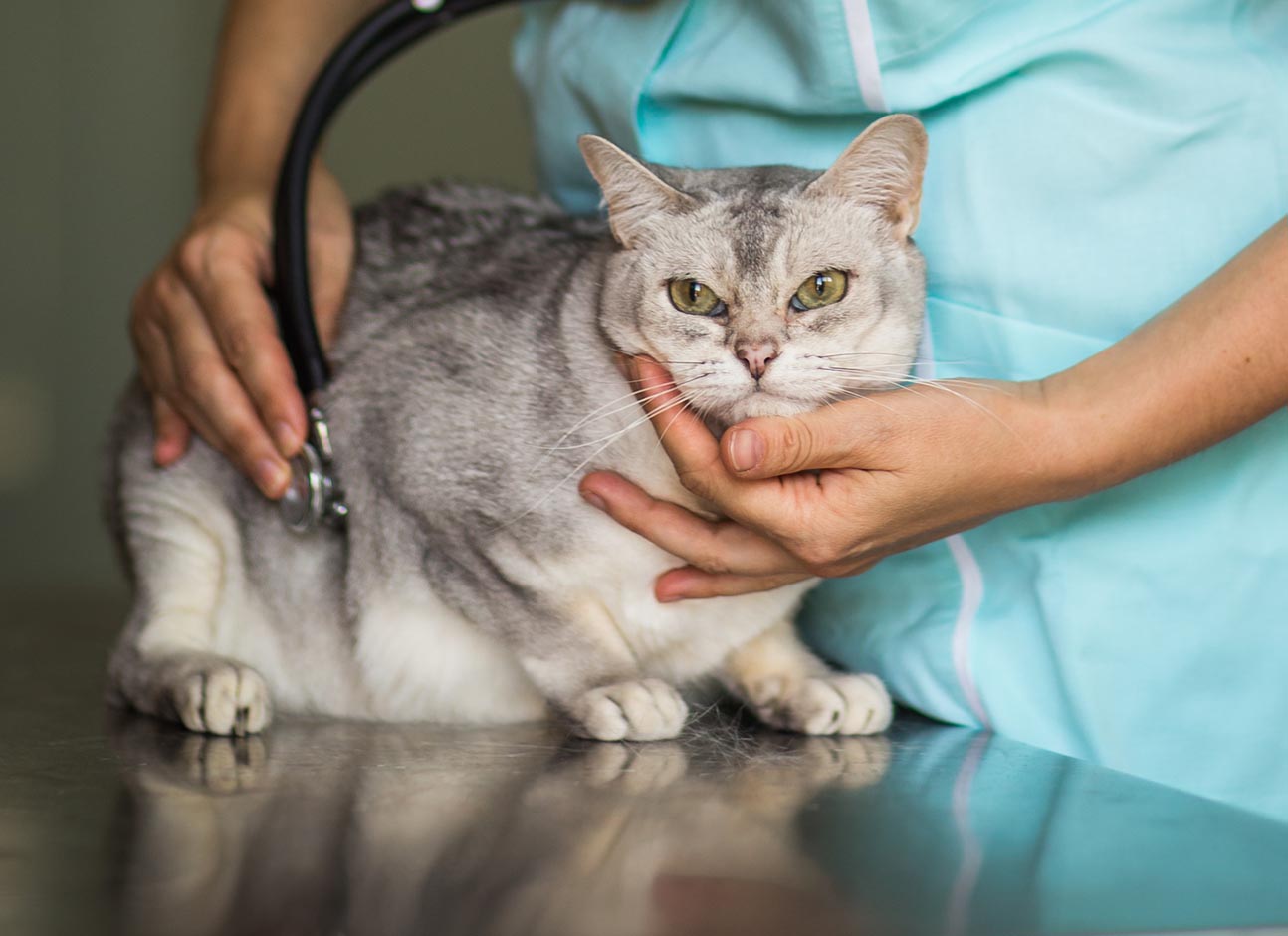
Feline Viral Leukemia: Treatment, Prognosis, and Prevention
Feline viral leukemia is one of the most dangerous and challenging diseases to diagnose. It is caused by viruses that integrate into the pet's DNA and currently has no cure, with treatments...
 Updated: 26/11/2025
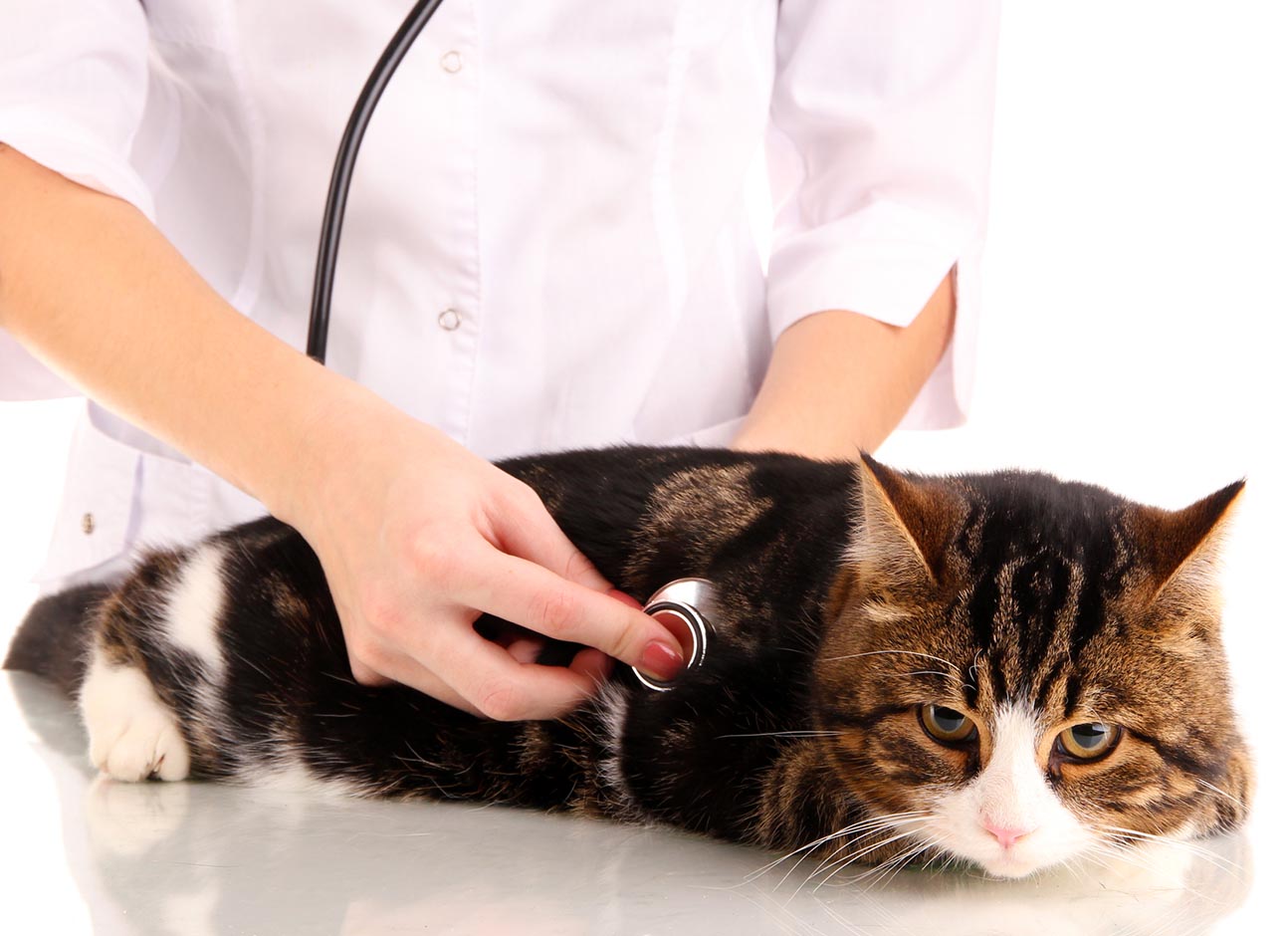
Worms in Cats: Types, Symptoms, Diagnosis, and Treatment
Helminth infections can occur even if a cat never leaves the house. Without treatment, these infections can lead to severe consequences or even death.
 Updated: 25/11/2025
Deworming Animals: Cats and Dogs
What is Deworming and Who Needs It? Deworming refers to treatments or preventive measures against helminth (worm) infections. It is highly recommended for all animals, whether they live indoors, outdoors, or on...
 Updated: 25/11/2025
Demodicosis in Dogs and Cats: Diagnosis and Treatment
Understanding the Disease Demodicosis is a complex and not fully understood disease caused by ticks. These ticks feed on the epithelium, destroying its integrity and irritating nerve endings. This leads to inflammation,...