

Reviewed by Dr. Nicoletta Nica
Updated on 29/06/2026
Reading time 4 min.
Overview
Severity: Low
Life stage: All
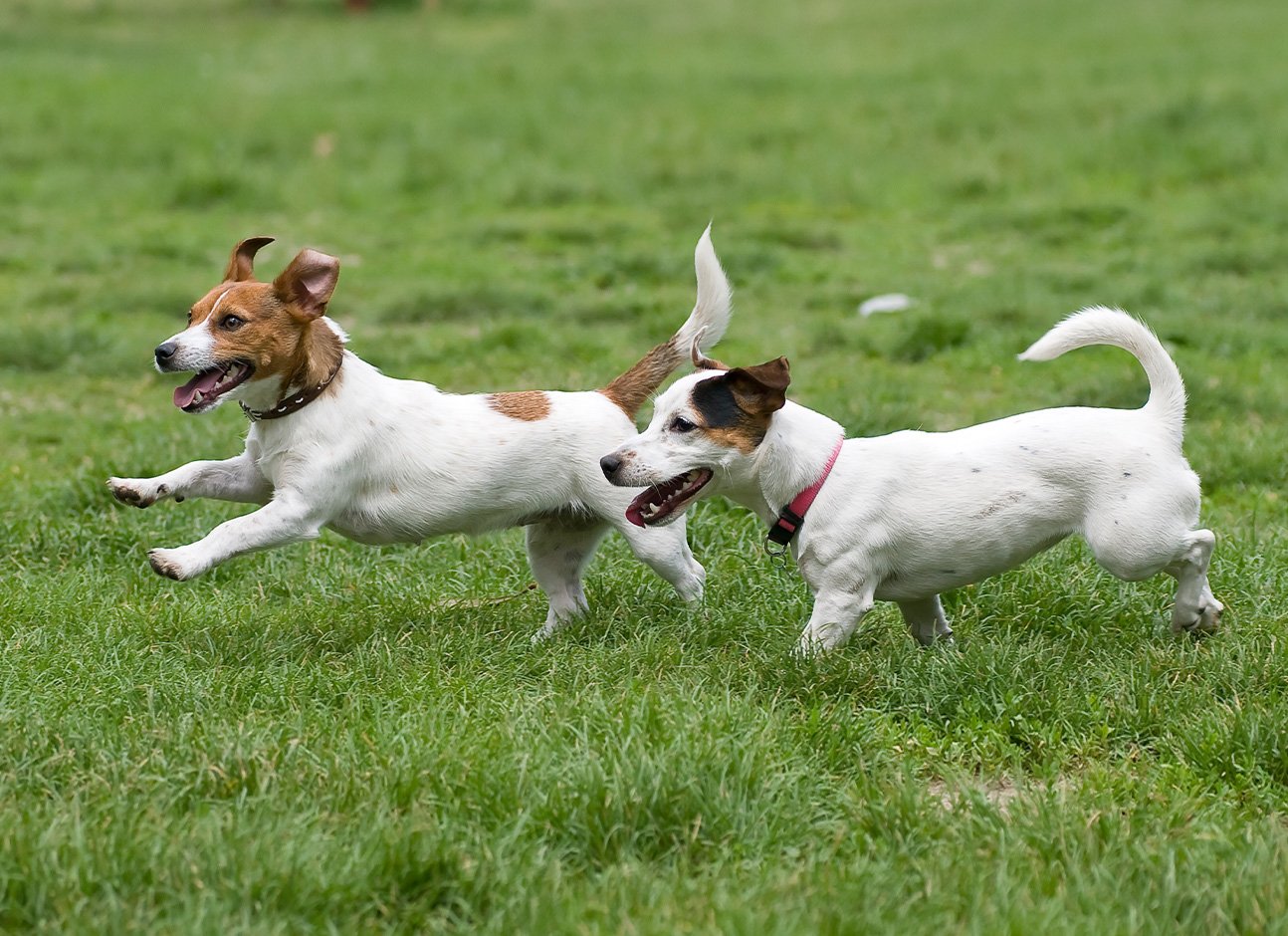
Regular exercise is essential for your dog’s physical health, mental wellbeing, and overall quality of life. Like people, dogs benefit from daily physical activity and mental stimulation. Exercise will help build the muscles and bones in your dog’s body, help reduce excess fat, and support better digestion. In addition, regular exercise will reduce the likelihood of developing many obesity related illnesses.
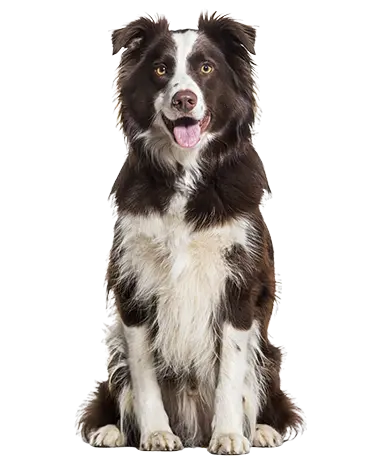
There are many different types of exercise a dog can participate in based on the dog’s age, size (breed), physical condition, and level of energy. Some dogs will require long periods of high-intensity activity every day, while others will do well with gentle exercise. The key is to find an exercise plan that fits your dog best. This will help you ensure that your dog is physically healthy and mentally stimulated.
Benefits of Exercise for Dogs
Exercise provides multiple physical and behavioral benefits to a dog. Exercising will help:
- Aid in keeping your dog at a healthy body weight
- Build stronger muscles and bones
- Increase the efficiency of the heart and lungs
- Aid in the digestive process
- Increase the flexibility and mobility of your dog.
Dogs that exercise regularly are generally less likely to develop obesity and associated health problems such as diabetes and arthritis.
Mental and Emotional Health Benefits
In addition to its physical benefits, exercising has many mental and emotional health benefits for your dog. These include reducing feelings of boredom, anxiety and stress, while also allowing your dog to explore and interact socially. A mentally stimulated dog will be calmer and less likely to exhibit destructive behavior.
Types of Exercises for Dogs
You can use a variety of different forms of exercise when creating your dog’s workout plan to keep them active and interested.
Walking
One form of exercise that is simple yet highly effective is walking. Walking with your dog daily will help improve cardiovascular fitness, allow them to have a healthy weight and allow them to experience new sights, smells and sounds, which will stimulate their mind. The length of each walk will depend on how old your dog is, breeds and their level of fitness. High-energy breeds usually require longer or more frequent walks than lower-energy breeds.
Running and Jogging
High-energy dogs often enjoy running or jogging with their owners. Running and jogging with your dog will help him expend excess energy and enhance endurance. Dogs with joint disease or other medical conditions should be examined by a veterinarian before beginning vigorous exercise.
Fetch and Retrieval Games
Combining physical activity with mental stimulation is fun for both you and your dog, using fetch and retrieval games. When playing fetch and retrieval games with your dog, you encourage him to run, think, and coordinate in order to retrieve balls, toys, or frisbees, while enhancing the bond between you and your dog.
Swimming
For dogs with arthritis, joint issues, or an inability to move easily due to injury or swollen joints, swimming can be used as a low impact exercise method. Swimming will help your dog build muscle strength and cardiovascular endurance without putting additional strain on his joints. Many dogs love swimming; however, it is always recommended to supervise your dog around water.
Exercise Requirements by Life Stage
A dog’s need for physical activity will vary over its lifetime.
Puppies
Puppies have plenty of energy; however, their bodies are not yet fully developed. Generally, it is advisable to provide puppies with short intervals of playtime and short controlled walks instead of long periods of strenuous physical activity.
Adult Dogs
Healthy adult dogs generally require the most regular exercise. The amount of physical activity required by an adult dog will depend on its breed. Working or sporting breeds are normally required to engage in much higher levels of physical activity compared to companion breeds.
Senior Dogs
Older dogs are still able to benefit from physical activity; however, this physical activity must be altered to accommodate their diminished ability to generate stamina and their increasing joint-related health problems.
Risks of Inadequate Exercise
Insufficient physical activity has been shown to have negative effects on both your pet’s physical and emotional well-being.
Obesity is a common problem in dogs that do not get sufficient amounts of activity. Obesity increases the risk of developing many serious health problems, including diabetes, and degenerative joint diseases.
In addition to increasing the risk of physical health problems, lack of physical activity can result in increased rates of undesirable behavior (excessive barking, chewing, digging) and anxiety.
Long-term inactivity results in loss of muscular strength, endurance, and an overall decrease in quality of life.
Safety Tips for Exercising Dogs
The type and amount of exercise you provide will depend on your dog’s individual age, breed, and current state of health.
Consider the Following:
- Gradually increase your dog’s level of activity instead of suddenly changing their program
- Provide fresh water for your dog before exercising them and immediately after they complete their workout
- Do not take your dog out for strenuous activities when it is excessively hot outside
- Watch your dog closely for signs of fatigue or heat exhaustion while exercising them
- Always use proper equipment to ensure your dog is safe during exercise (use a securely fastened collar or harness)
Your veterinarian needs to evaluate the dog before you start a new exercise routine if your dog has any pre-existing medical conditions.
Prevention of Exercise-Related Injuries
The most common causes of injury are sudden increases in activity, extreme overexertion, and excessive exercise.
In addition, an overweight dog will be subject to greater stress on their musculoskeletal system than a lean dog, due to increased demands on their joints and muscles during exercise. Regular veterinary checkups can help monitor your dog’s mobility and overall health.
Reviewed by
Dr. Nicoletta Nica
DVM, MRCVS
Dr. Nicoletta was born in Romania and studied veterinary medicine. After graduation Dr. Nicoletta worked for a small animal clinic.


What Is Laparoscopic Spaying?
The laparoscopic spay involves making 2 or 3 very small openings into the abdomen, rather than one big opening as...

Why are Dog Vaccinations Important?
Dogs can be vaccinated against many diseases by introducing a weakened or inactivated form of the disease into...

Why are Cat Vaccinations Important?
Protecting your cat's long term health through vaccination is one of the most critical components of...

What Is Veterinary Oncology?
Veterinary oncology at our clinic focuses on how we diagnose, treat, and manage cancer to improve outcomes and quality...

Pet Relocation
Moving to a new home with your pet involves more than packing boxes and booking travel. Because pets thrive on routine and familiar...

Why Is Routine Grooming Essential?
01
Promotes Skin and Coat Health When you don't brush regularly, dead hair, dirt and oil will accumulate...

What is Holistic Veterinary Care?
Holistic veterinary care is a total medical care system in which your veterinarian evaluates every aspect of your...

Advanced Dental Services
at Modern Vet
We offer full service dental care for dogs and cats, from preventive care to advanced surgery, to ensure...

What is Veterinary Neurology?
Veterinary neurology is a medical speciality concerned with diseases affecting the nervous system. Animals afflicted by...

What is a Wellness Exam?
A wellness exam is an all-inclusive examination of your pet's overall health and condition. A wellness exam is performed...

Why Does Your Pet Need Dermatology Care?
Many pet owners do not realize how significant it is to have their cat, dog, or other small animal receive...

Comprehensive Cat Health Services
Modern Vet offers comprehensive feline care through all phases of a cats life cycle, using advanced diagnostic...

Complete Pet Care for Dogs in Dubai The clinic has a wide variety of veterinary services that support canine health at all ages. Care is provided based...

Why is veterinary ophthalmology important?
Veterinary ophthalmology is concerned with diagnosing, treating and preventing disease in the eyes of...

Role of a Veterinary Cardiologist
A veterinary cardiologist is a veterinarian who has received advanced education and/or training in the diagnosis and...

Modern Rides Designed
for Pet Comfort
Modern Vet Dubai believes that pet transportation does not have to result in compromises. Many regular taxi...

Your Trusted Partner
in Your Pet’s Long Term Health The decision to have your pet spayed or neutered is one of the most responsible actions you can...

The Importance of Vaccination When your pet receives a vaccine, it trains their immune system to attack viruses and bacteria prior to them causing an...
A veterinary consultation is often the first and most important step in managing your pet’s health. When your dogs appear tired, your cats stop eating,...
For years, Modern Vet has been a trusted multi specialist veterinary provider for pet owners in Dubai. With the upgraded Modern Vet Mobile Clinic,...

Hydrotherapy for pets is one of the most rapidly adopted and effective rehabilitative techniques used today in veterinary medicine. The modality of...

Pet Emergency
Care in Dubai
Pet emergencies are unpredictable and time sensitive. Immediate veterinary care is essential for issues like toxin...

What Does Veterinary Orthopaedics Do?
Orthopaedic veterinary care focuses on providing diagnosis, treatment, surgical correction and prevention of...

Why does Veterinary
Physiotherapy Matter?
There are many musculoskeletal, neurologic, and post surgical conditions that can have a significant...

Food Delivery
Providing quality nutrition for your pet can be difficult. Pets have different needs than people do; however, both need the same basic...

The fastest-growing cities, including Dubai, need to prioritize pet welfare because their pet population exceeds available resources when not managed...

What Is Spaying & Neutering? Spaying and neutering are two common veterinary medical treatments which eliminate a dog's ability to reproduce....

What Is Spaying & Neutering?
Spaying or Neutering are two common medical procedures designed to limit the ability of cats to reproduce. Spaying is...