

Reviewed by Dr. Nicoletta Nica
Updated on 30/06/2026
Reading time 4 min.
Overview
Severity: Low
Life stage: All
Diarrhea in cats is one of the most frequently diagnosed digestive disorders that can be described as loose, wet, or more than usual number of stools. The primary reason for diarrhea is the small intestine’s inability to adequately absorb water and nutrients, which affects the stools water content. Mild diarrhea may resolve on its own or with supportive care, but persistent or severe diarrhea can lead to significant health complications.
Diarrhea is not a disease; rather, it is just a sign of something else. There can be many things that can cause diarrhea. A few examples would include diet, infection, parasites, food intolerance and chronic illness. The first thing you need to do is find out what is causing the diarrhea so you can treat the underlying cause.
Causes
There are many causes of diarrhea in cats. These can involve either the small intestine, the large intestine, or both.
The most common cause of diarrhea in cats is dietary. Sudden change in foods, spoiled foods, or inappropriate objects eaten, or food allergies/sensitivities can create a variety of digestive issues. Some cats have a sensitivity to ingredients found in commercial cat diets.
Another possible source of diarrhea includes infectious diseases. Bacteria, viruses and fungi may produce diarrhea. In addition to this, some of the most commonly encountered parasites that can cause diarrhea include Giardia, roundworms, hookworms and coccidia. This type of parasite is often found in young kittens and outdoor cats.
Additionally, other potential sources of diarrhea in cats can include IBD (inflammatory bowel disease), pancreatitis, liver disease, kidney disease, hyperthyroidism and certain medicines. Cats experiencing stress may experience gastrointestinal upsets.
Symptoms
Some symptoms associated with diarrhea may depend on how serious they are and what they look like depending on the cause.
Common Symptoms
- Soft, loose and wet stools
- Frequent bowel movements
- Straining during defecation
- Frequent trips to the litter box
- Mucous present in stool
Signs of More Serious Disease
- Blood in stool
- Vomiting
- Loss of appetite
- Weight loss
- Lethargic or Weakness
- Dehydration
- A poor coat condition in chronic diarrhea.
Risks
While mild diarrhea usually resolves on its own, if it persists or gets worse, diarrhea can have serious consequences.
Dehydration
Dehydration is one of the biggest dangers. Fluid loss from diarrhea can quickly lead to dehydration, especially in kittens, senior cats, and cats with pre-existing medical conditions.
Nutritional Deficiencies
Because chronic diarrhea prevents nutrient absorption, weight loss, poor muscle tone and overall health problems develop.
Underlying Disease Progression
Prolonged diarrhea may also be indicative of serious diseases such as Inflammatory Bowel Disease (IBD), Intestinal Cancer, Pancreatitis and Endocrine Disorders. If left untreated, these illnesses can continue to get progressively worse.
Diagnosis
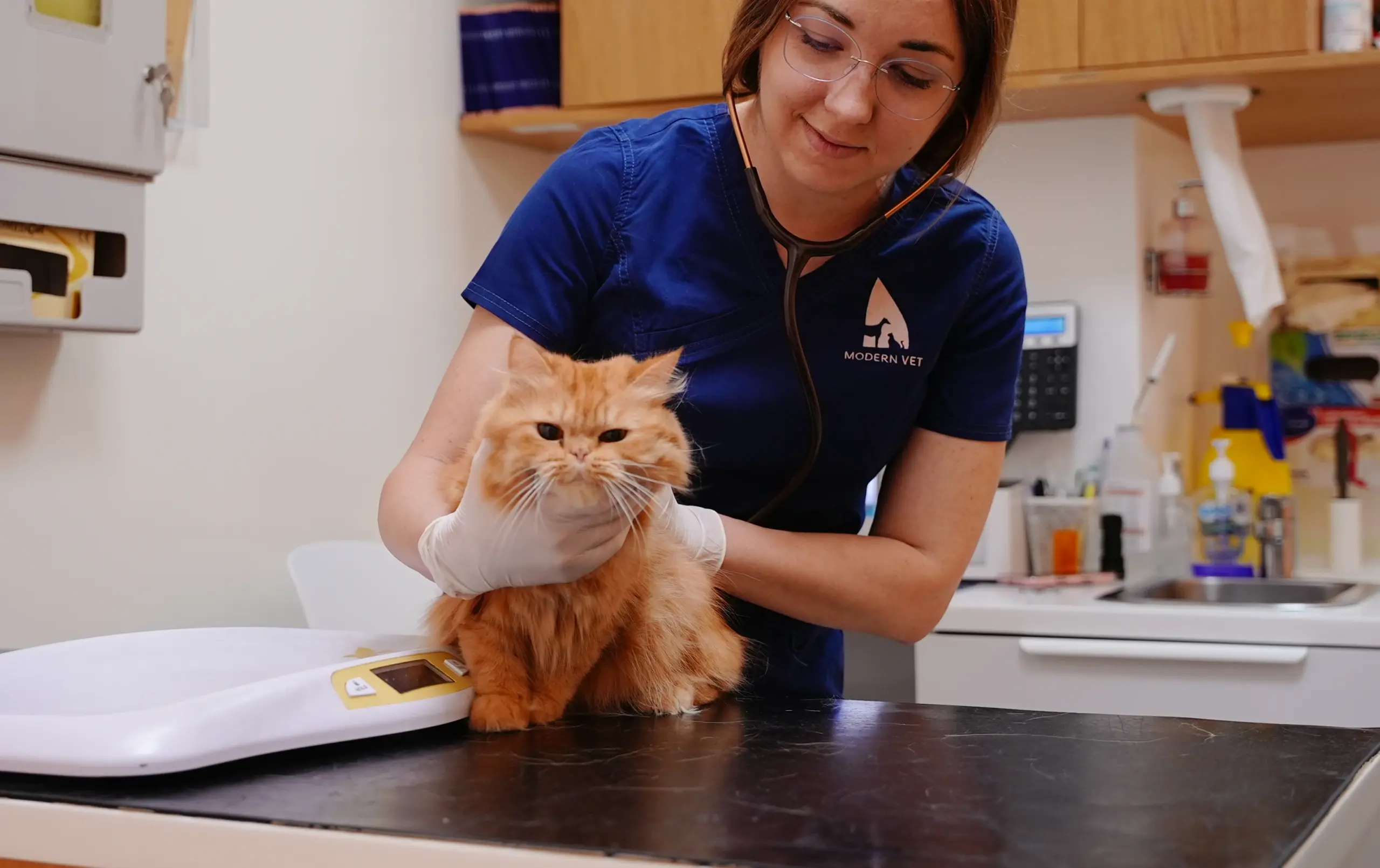
To identify the cause of diarrhea, the vet needs to conduct a comprehensive medical exam.
The veterinarian will begin by reviewing the cat’s medical history, diet and duration of symptoms. The veterinarian will examine your cat to determine whether they’re hydrated enough, their body condition and to look at the state of your cat’s abdomen.
Diagnostic Tests
There could be several types of diagnostic testing that would need to occur, depending on what the veterinarian finds during his/her examination.
These would include:
- Fecal examination to verify there is no parasitic infection
- Blood tests to evaluate organ function, hydration status, inflammation, and overall health.
- Urine test
- X-ray or ultrasound imaging
- Additional gastrointestinal testing may be recommended to investigate causes such as inflammatory bowel disease, food responsive enteropathy or intestinal cancer.
If your cat has had chronic diarrhea for years, a biopsy of the small intestine may be necessary to rule out inflammatory bowel disease or another gastrointestinal disorder.
Treatment
Treatment for diarrhea will depend on what the underlying issue was and how severe it was.
Supportive Care
Most mild cases should improve once a new diet is implemented along with supportive care. Temporary feeding of an easily digestible diet will likely be suggested while making sure your cat is getting plenty of water. Your veterinarian may want to prescribe probiotic supplements to help maintain a healthy ratio of gut bacteria and promote digestion.
Medical Treatment
The appropriate medical treatment will depend on the individual case of diarrhea. These treatments could include:
- Medications used to kill worms for intestinal parasite infestation
- Anti-bacterial medication if your veterinarian feels it is needed.
- Nearly all cases of IBD are treated with anti-inflammatory medication.
- Treatment for food sensitivity or GI related illness
- Fluid therapy for dehydrated cats.
Prevention
A variety of methods can be employed to lower the incidence of diarrhea in cats, although it is impossible to prevent all instances of diarrhea.
Feeding a consistent, high quality, nutritionally balanced diet can help support digestive health. Therefore, when possible, sudden changes in diet should be avoided; additionally, cats should not be fed too many different types of new foods at one time.
A good way to prevent the onset of diarrhea is through consistent parasite control and scheduled veterinary visits so as to catch gastrointestinal issues early on. Cats should have access to clean drinking water and their eating habits should be kept away from spoiled food, trash, or poisonous substances.
Adhering strictly to the diet prescribed for cats that have been diagnosed with food allergies is also very important.
Reviewed by
Dr. Nicoletta Nica
DVM, MRCVS
Dr. Nicoletta was born in Romania and studied veterinary medicine. After graduation Dr. Nicoletta worked for a small animal clinic.


What Is Laparoscopic Spaying?
The laparoscopic spay involves making 2 or 3 very small openings into the abdomen, rather than one big opening as...

Why are Dog Vaccinations Important?
Dogs can be vaccinated against many diseases by introducing a weakened or inactivated form of the disease into...

Why are Cat Vaccinations Important?
Protecting your cat's long term health through vaccination is one of the most critical components of...

What Is Veterinary Oncology?
Veterinary oncology at our clinic focuses on how we diagnose, treat, and manage cancer to improve outcomes and quality...

Pet Relocation
Moving to a new home with your pet involves more than packing boxes and booking travel. Because pets thrive on routine and familiar...

Why Is Routine Grooming Essential?
01
Promotes Skin and Coat Health When you don't brush regularly, dead hair, dirt and oil will accumulate...

What is Holistic Veterinary Care?
Holistic veterinary care is a total medical care system in which your veterinarian evaluates every aspect of your...

Advanced Dental Services
at Modern Vet
We offer full service dental care for dogs and cats, from preventive care to advanced surgery, to ensure...

What is Veterinary Neurology?
Veterinary neurology is a medical speciality concerned with diseases affecting the nervous system. Animals afflicted by...

What is a Wellness Exam?
A wellness exam is an all-inclusive examination of your pet's overall health and condition. A wellness exam is performed...

Why Does Your Pet Need Dermatology Care?
Many pet owners do not realize how significant it is to have their cat, dog, or other small animal receive...

Comprehensive Cat Health Services
Modern Vet offers comprehensive feline care through all phases of a cats life cycle, using advanced diagnostic...

Complete Pet Care for Dogs in Dubai The clinic has a wide variety of veterinary services that support canine health at all ages. Care is provided based...

Why is veterinary ophthalmology important?
Veterinary ophthalmology is concerned with diagnosing, treating and preventing disease in the eyes of...

Role of a Veterinary Cardiologist
A veterinary cardiologist is a veterinarian who has received advanced education and/or training in the diagnosis and...

Modern Rides Designed
for Pet Comfort
Modern Vet Dubai believes that pet transportation does not have to result in compromises. Many regular taxi...

Your Trusted Partner
in Your Pet’s Long Term Health The decision to have your pet spayed or neutered is one of the most responsible actions you can...

The Importance of Vaccination When your pet receives a vaccine, it trains their immune system to attack viruses and bacteria prior to them causing an...

A veterinary consultation is often the first and most important step in managing your pet’s health. When your dogs appear tired, your cats stop eating,...

For years, Modern Vet has been a trusted multi specialist veterinary provider for pet owners in Dubai. With the upgraded Modern Vet Mobile Clinic,...

Hydrotherapy for pets is one of the most rapidly adopted and effective rehabilitative techniques used today in veterinary medicine. The modality of...

Pet EmergencyCare in Dubai Pet emergencies are unpredictable and time sensitive. Immediate veterinary care is essential for issues like toxin ingestion,...

What Does Veterinary Orthopaedics Do? Orthopaedic veterinary care focuses on providing diagnosis, treatment, surgical correction and prevention of...

Why does Veterinary
Physiotherapy Matter?
There are many musculoskeletal, neurologic, and post surgical conditions that can have a significant...

You want the best for your pet’s health and longevity, but feeding them well-balanced meals can be difficult. The same principles apply to humans also...

The fastest-growing cities, including Dubai, need to prioritize pet welfare because their pet population exceeds available resources when not managed...

What Is Spaying & Neutering? Spaying and neutering are two common veterinary medical treatments which eliminate a dog's ability to reproduce....

What Is Spaying & Neutering?
Spaying or Neutering are two common medical procedures designed to limit the ability of cats to reproduce. Spaying is...