
 Updated: 10/07/2026
HEART DISEASE IN DOGS AND CATS
Diseases of the heart in dogs and cats include diseases that cause the heart to have difficulty pumping sufficient amounts of blood through the entire body. Since the heart supplies oxygen and nutrients to every organ in the body, any type of heart problem will be able to eventually affect overall health
 Updated: 10/07/2026
INTERVERTEBRAL DISC DISEASE (IVDD) IN DOGS
The degeneration of the intervertebral discs, leading to bulging or rupturing of the discs, causes the compression of the spinal cord and therefore Intervertebral Disk Disease (IVDD). The normal function of the intervertebral discs is to be a cushion, absorb shock, and provide for spinal flexure.
 Updated: 05/06/2026
Can Dogs Eat Ginger
Ginger is a delicious addition to any meal, whether preparing it yourself or enjoying it in soup or sauce. But did you know that ginger can be dangerous for your dog to eat? Read on to learn more about what dogs should and shouldn't eat!
 Updated: 05/06/2026
Can Dogs Eat Corn?
Corn on the Cob is a popular summertime dish that humans and their dogs enjoy. While Corn is not a vegetable, it can be safely fed to dogs as long as it's treated like one. Corn has several nutritional benefits for dogs but is also high in fat, which can pose health risks if your dog eats too much of it.
 Updated: 05/06/2026
Can dogs eat asparagus?
Asparagus is a popular vegetable that's great for dogs. It can provide them with fiber, vitamins and minerals, and fatty acids that help keep their coats healthy and shiny. But if you're wondering whether your dog should be eating asparagus or not, this article will explain everything you need to know about this delicious veggie!
 Updated: 05/06/2026
Can cats eat carrot cake?
Cats are carnivores, which means they are meant to eat meat. They can't digest vegetables as humans do, so any food you give them should be meat-based. This includes everything from chicken to fish and even beef! However, one thing that many people think is safe for their pets is carrot cake. But is it?
 Updated: 05/06/2026
Can cats eat beef jerky?
Can cats eat beef jerky? The answer is a resounding yes, but there are some essential things to consider before giving your cat the treat. Beef jerky can be dangerous to cats if they eat it in large amounts or if it contains additives that aren't listed on the packaging.
 Updated: 05/06/2026
Are dogs immune to tear gas?
Tear gas is chemical weapon police can use to force people to stop fighting and surrender. It's been used in riots and protests for decades but recently gained notoriety as a weapon of choice for law enforcement agencies.
 Updated: 10/07/2026
LUXATING PATELLA OR DISLOCATED KNEECAP IN CATS
Luxating patella (kneecap dislocation) is a condition where the kneecap does not remain in its normal location and slides into either the inside or outside of the thigh bone joint groove.
 Updated: 10/07/2026
CANCER WARNING SIGNS IN DOGS
Cancer has grown to become a much-dreaded word over the years. Much like in human beings, cancer is also quite common among animals and is one of the leading causes of pet deaths.
 Updated: 05/06/2026
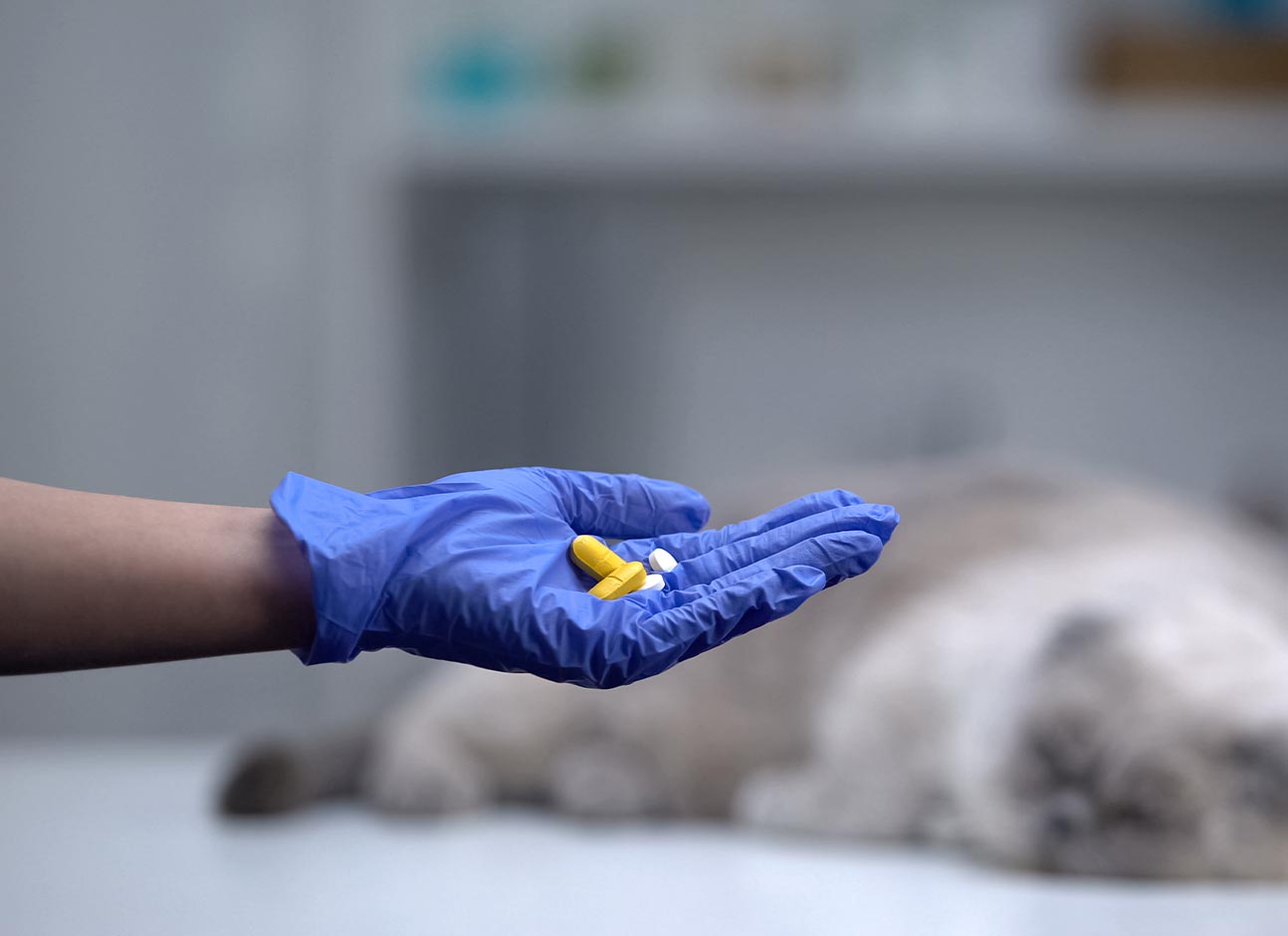
Are Antibiotics Safe for Dogs?
The answer to whether antibiotics are safe for dogs is yes. Antibiotics are often used on dogs because they have similar bacteria and viruses as humans, making them ideal for treating infections affecting both species.
 Updated: 05/06/2026
Cat Dandruff: Causes and Tips to Treat it
If you're like me, your cat spends as much time as possible in the bathroom. Many people live with their cats! But there are some downsides to having a regular house guest (if you can call them that).
 Updated: 05/06/2026
Can my dog get kennel cough even when vaccinated?
Kennel cough is a viral infection that affects dogs. It's caused by Bordetella bronchiseptica, one of the most common causes of canine respiratory disease in the UAE. Kennel cough can be prevented with vaccination and treatment, but it can still be transmitted from dog to dog when they're around infected animals or people exposed to the virus.
 Updated: 05/06/2026
Can dogs get salmonella?
Salmonella is a bacteria found in the intestines of dogs and other animals. It can cause diarrhea, vomiting, and fever. The symptoms of salmonella will vary from dog to dog and person to person. Some people may not even have any signs at all!
 Updated: 05/06/2026
Can dogs eat oysters?
Is it OK for my dog to eat oysters? The short answer is: yes! Oysters are an excellent source of zinc, which dogs need to absorb calcium and other nutrients. But before you dine out on your next bucket of oysters, you should know a few things about the delicacy's nutritional value and safety for canines.
 Updated: 05/06/2026
Can cats eat watermelon?
Watermelon is one of the most popular fruits in the world, but it isn't always safe for cats. There are some risks associated with giving your kitty watermelon—and how feeding this fruit to your pet can help ensure that they don't get into trouble.
 Updated: 05/06/2026
Do cats have good memory?
Cats are known for their sharp memories, but do they remember people? Yes and no. Some cats can remember people from previous encounters or events, while others may have short memories of their owners.
 Updated: 05/06/2026
Do cats get headaches?
Cats are amazing animals, and they can be great companions. However, they have their own health issues that need to be taken care of. One specific type of ailment that many cats experience is headaches. This article will give you information on recognizing a cat’s head pain so you can take action if needed!
 Updated: 05/06/2026
How Long Do Dogs Live with Diabetes?
Diabetes is a prevalent disease affecting humans, animals, dogs, and even plants. High glucose levels in the blood result from the body's inability to appropriately regulate blood sugar levels, which causes diabetes. These causes include genetics, weight, age, and other medical concerns.
 Updated: 05/06/2026
Can Cats Eat Spinach?
You may have seen a video of a cat chowing down on some fresh greens. It's no surprise that cats love fresh produce—carnivores who need the protein in meat and veggies to survive.
 Updated: 05/06/2026
How long can a dog live with arthritis?
Arthritis is a common condition that affects dogs of all ages. It can affect your dog’s joints and decrease mobility, leading to pain and difficulty walking. A dog with arthritis may also experience other symptoms like fever, stiffness, and decreased appetite.
 Updated: 05/06/2026
How often should you bathe a cat?
Cats are cute and cuddly, but they can also be smelly. If you love your cat, it's important to take care of their hygiene. Whether your kitty likes baths or not, there are a few reasons why you might want to bathe them.
 Updated: 05/06/2026
Do Siamese Cats Like Water?
Siamese cats are one of the most popular breeds of cats. They're known as "Siamese" because they were bred in Thailand, where they originated. These beautiful felines have long been admired for their exotic looks and distinctive personalities—but what about water? Are Siamese cats naturally inclined to enjoy water?
 Updated: 05/06/2026
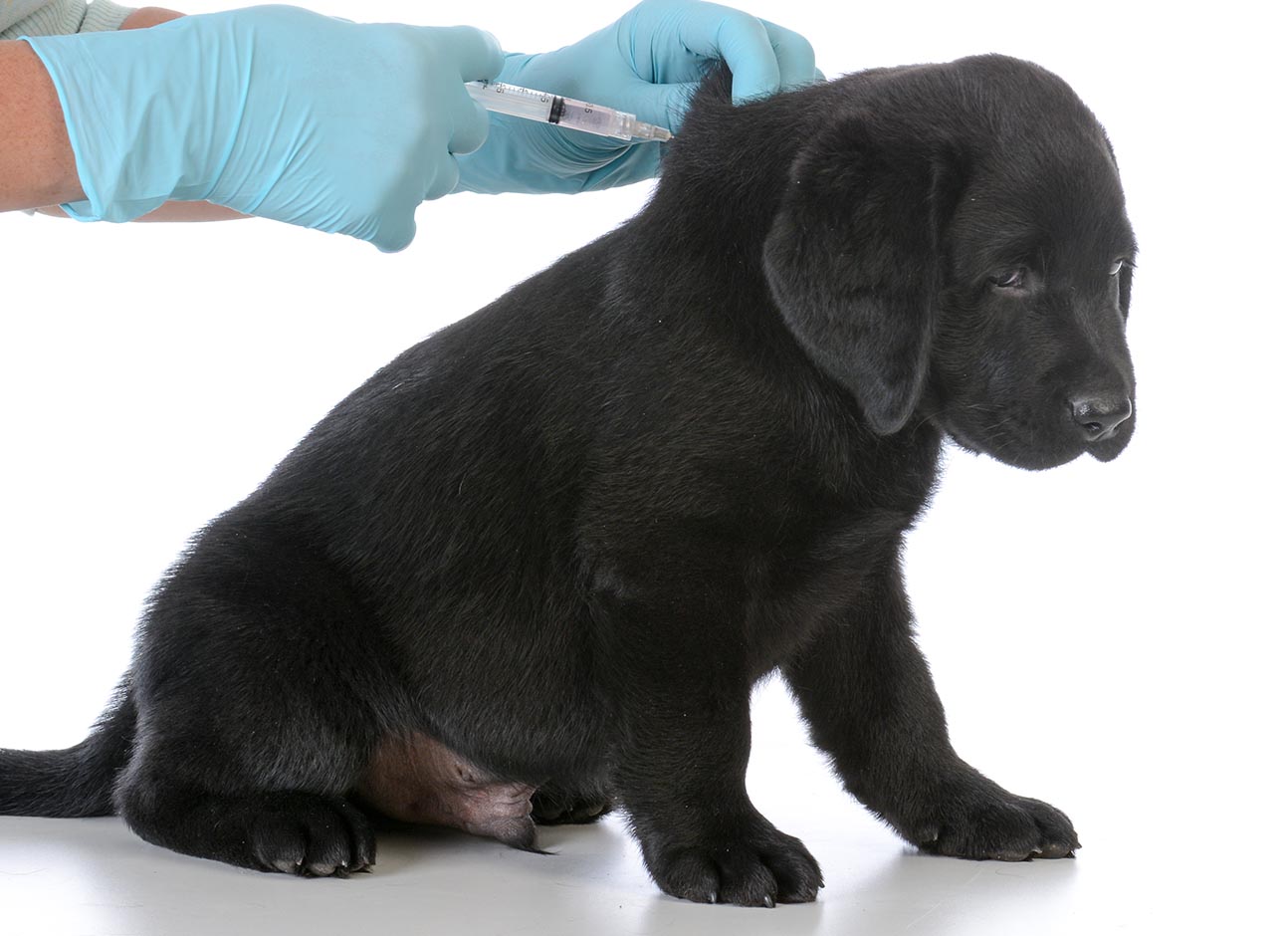
How long should a dog with parvo be isolated?
Parvovirus is a highly contagious virus that can infect dogs, cats, and ferrets. It's called parvo for short, and it causes nausea and vomiting in infected animals. But there's good news: Parvovirus isn't fatal for most dogs; it's just uncomfortable for them for a few days or weeks while they recover from the illness.