
 Updated: 26/11/2025
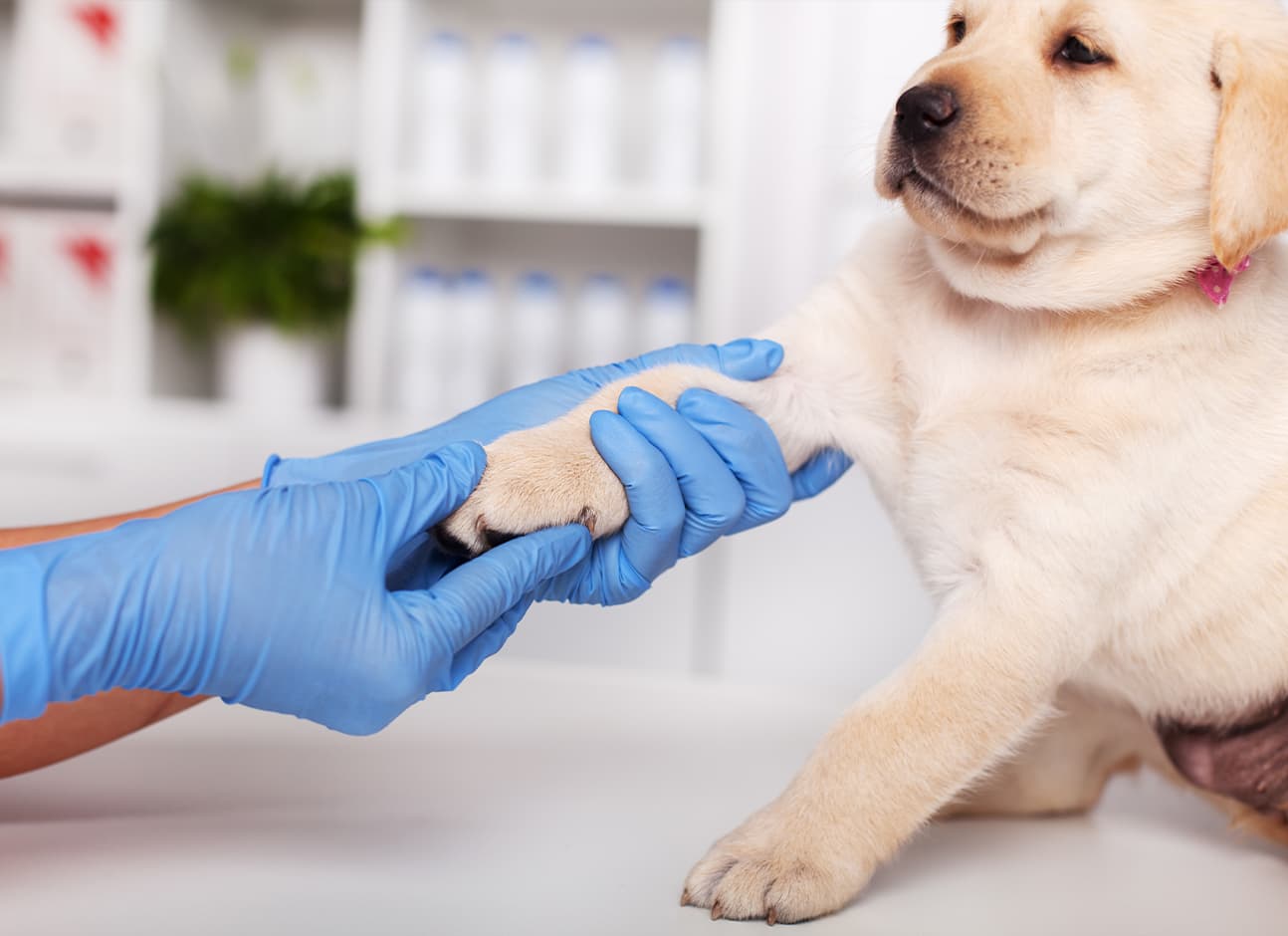
LIMPING IN DOGS: CAUSES AND TREATMENT
As a pet parent, you would want your fur baby to always be healthy and happy, actively frolicking about and enjoying life. However, canine limping can significantly lower the quality of life and...
 Updated: 26/11/2025
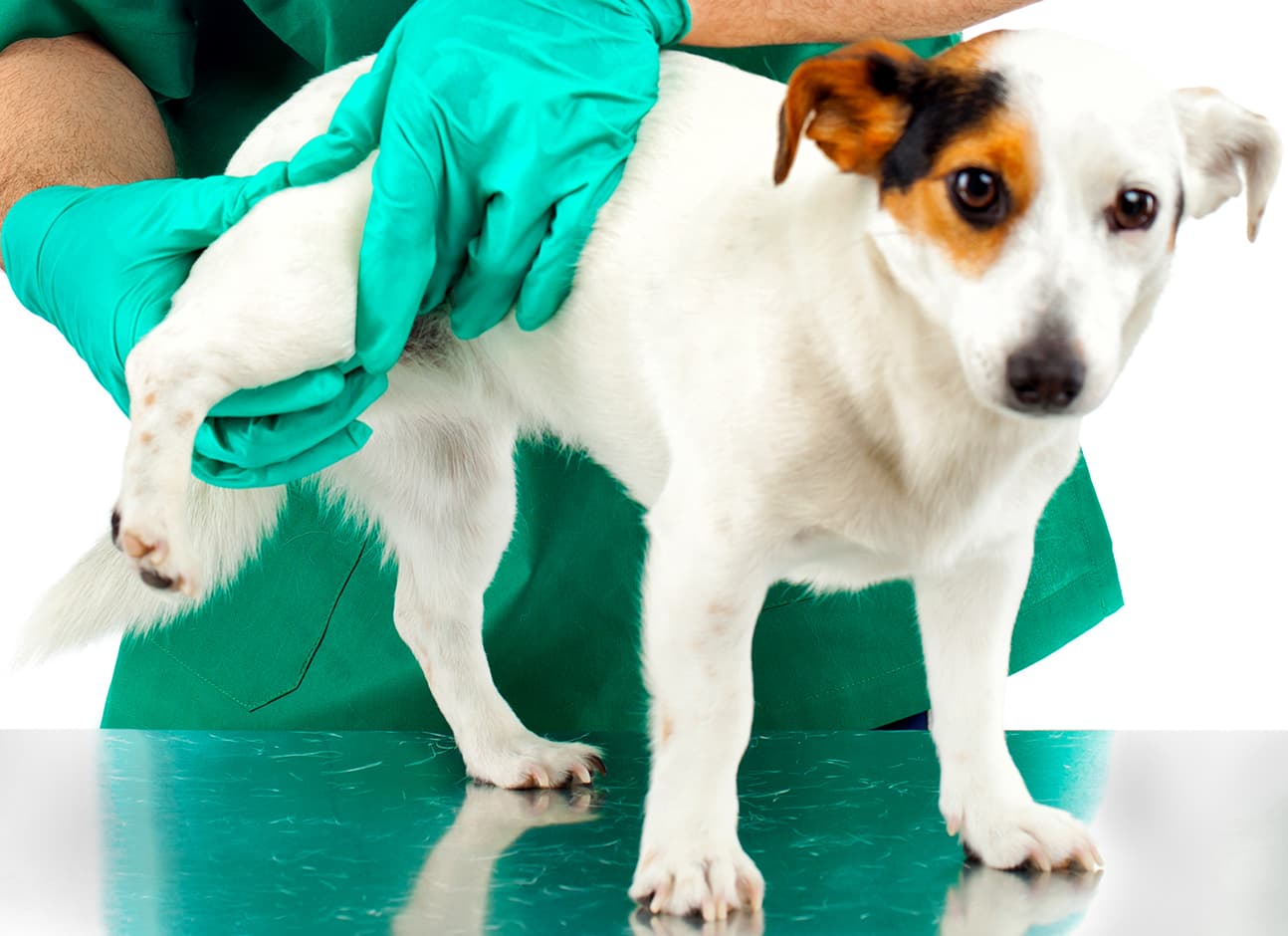
HIP DYSPLASIA IN DOGS
Hip dysplasia is a skeletal disorder that is more common among large dog breeds. Canine hip dysplasia is caused by the frictional abrasion of the hip joint in lieu of a smooth sliding...
 Updated: 26/11/2025
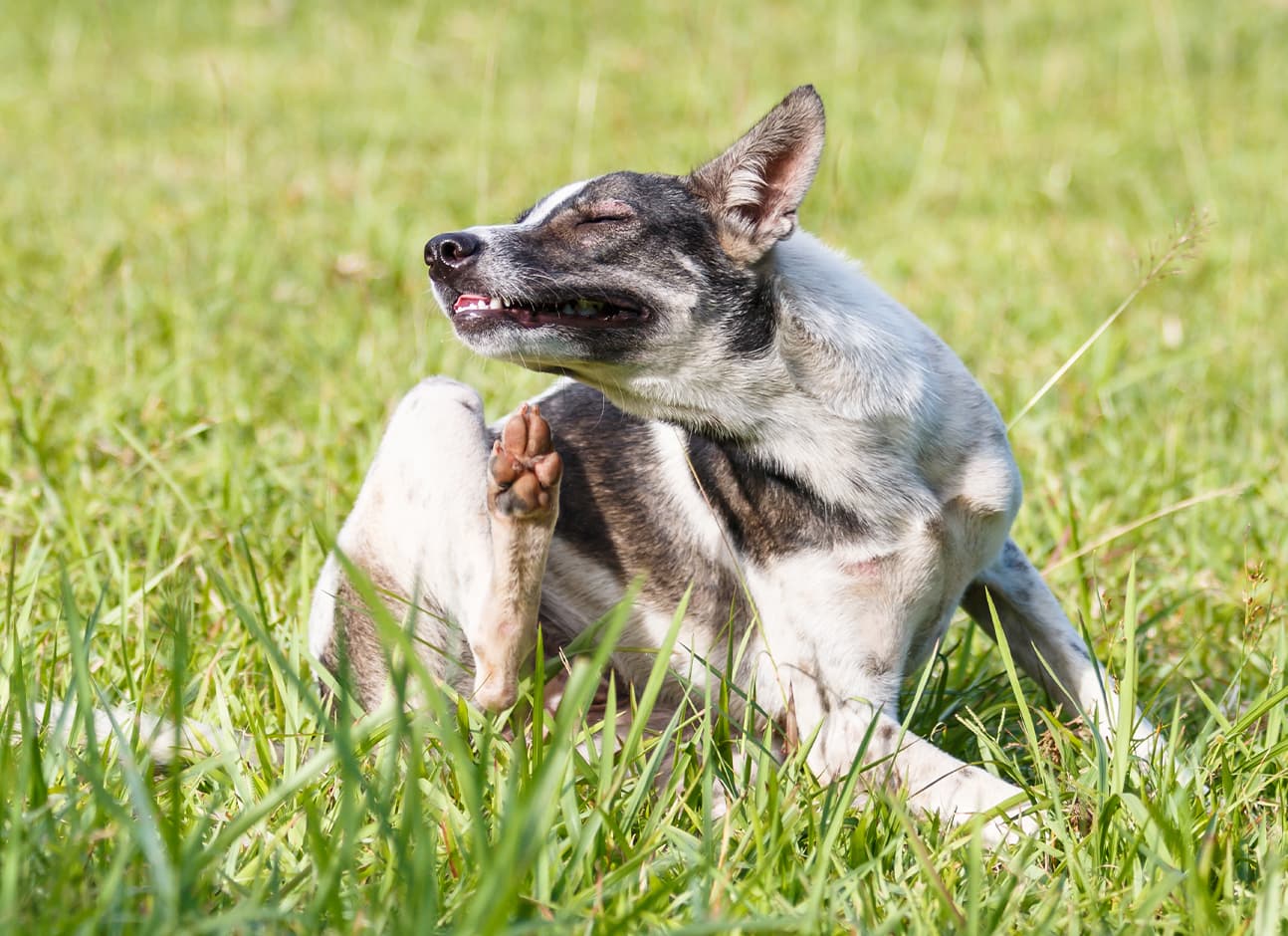
PARASITE PROTECTION FOR DOGS
Parasites can be a pesky occurrence doomed to bother your pet every now and then. However, they can also prove to be more than just a thorn on the side as they eventually...
 Updated: 28/11/2025
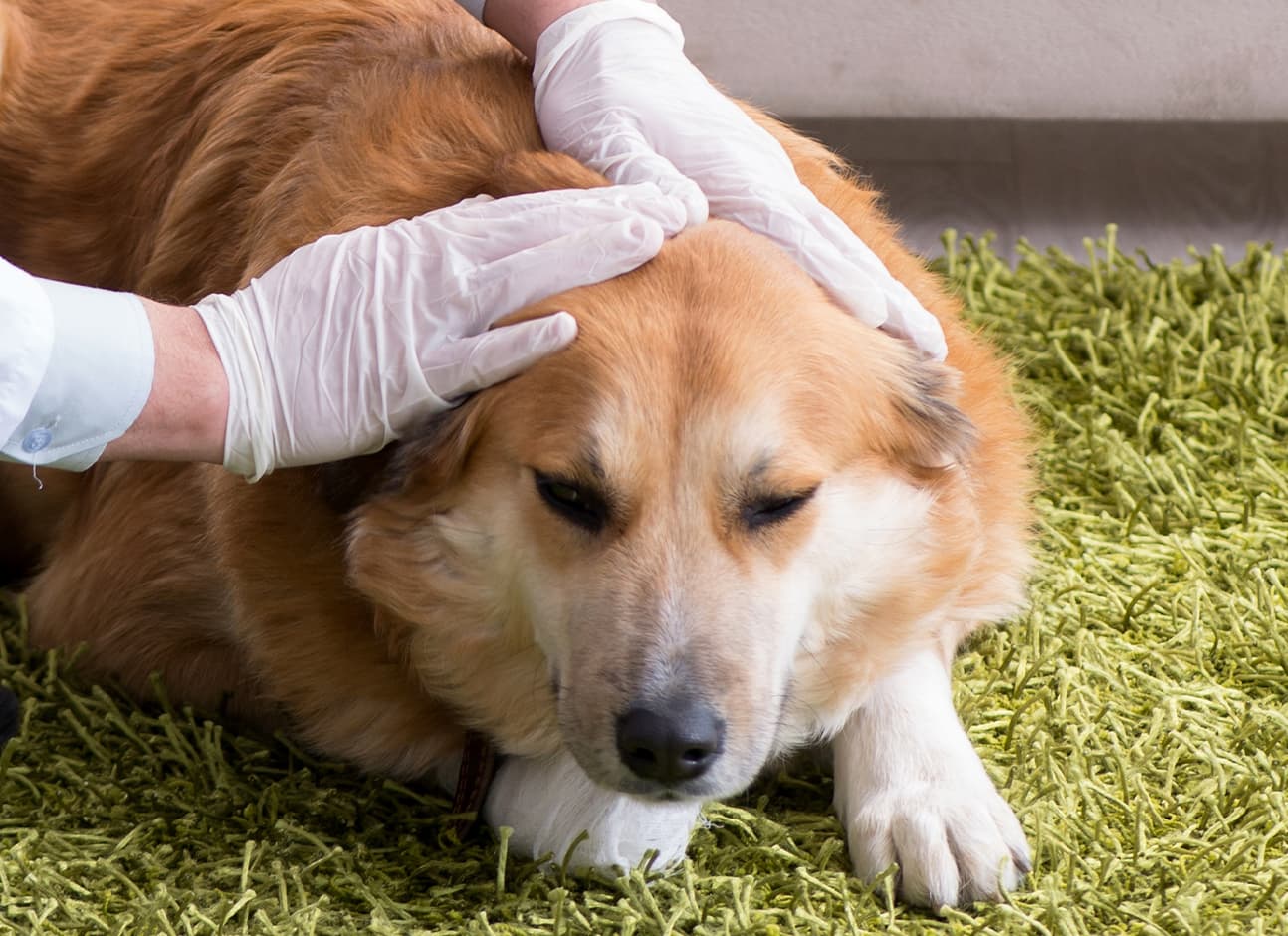
MAST CELL TUMOR IN DOGS
Mast cell tumors (MCTs) are the result of maligned mast cells in the body. MCTs are the most common skin tumor among dogs, accounting for about 20% of all canine skin tumors till...
 Updated: 27/11/2025
COUGHING IN DOGS
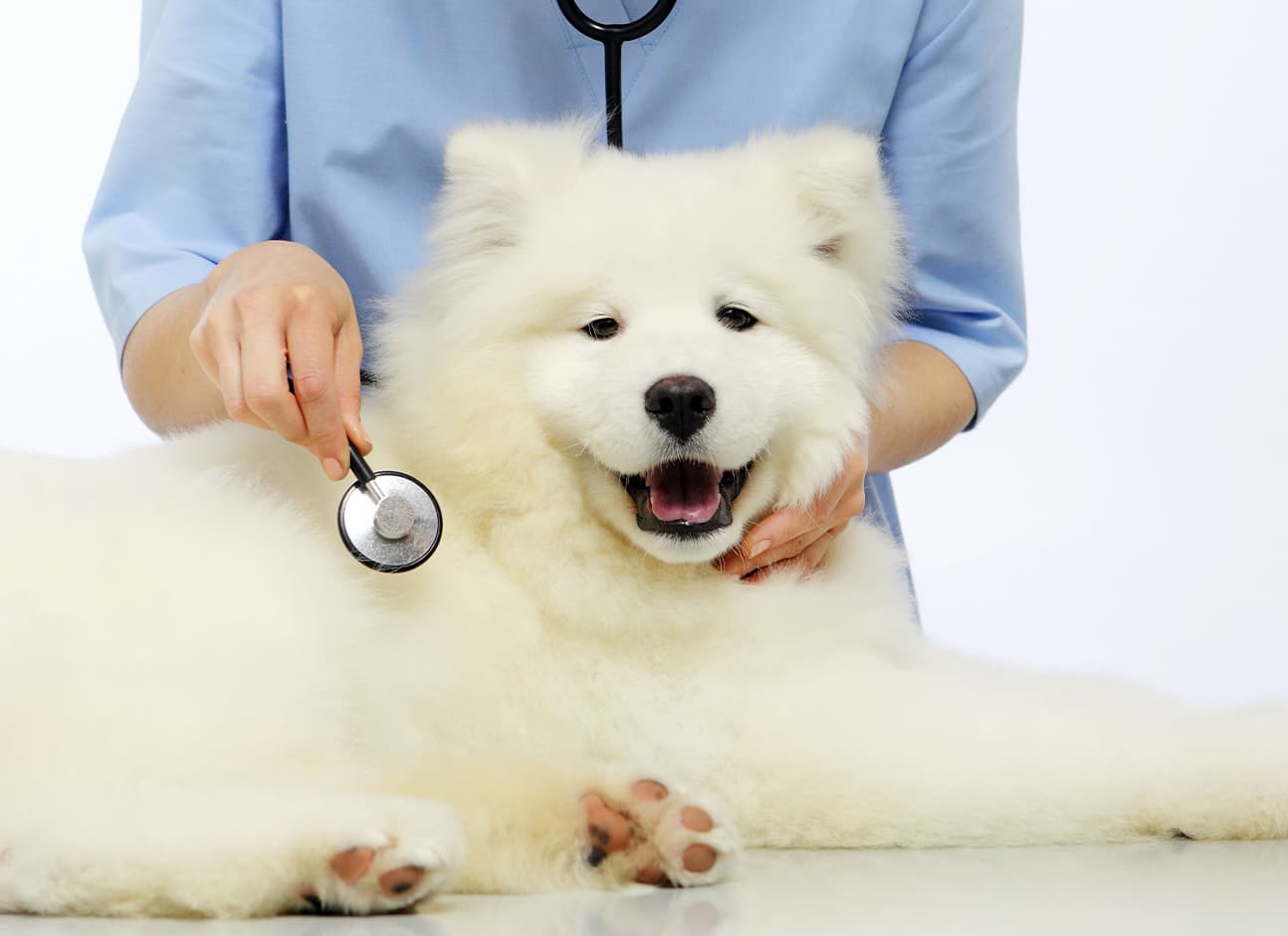
It is not easy to watch your pet get sick especially since they cannot verbally express their discomfort like we do. Much like their humans, dogs also experience coughing in their lifetime. While...
 Updated: 27/11/2025
DIARRHEA IN DOGS
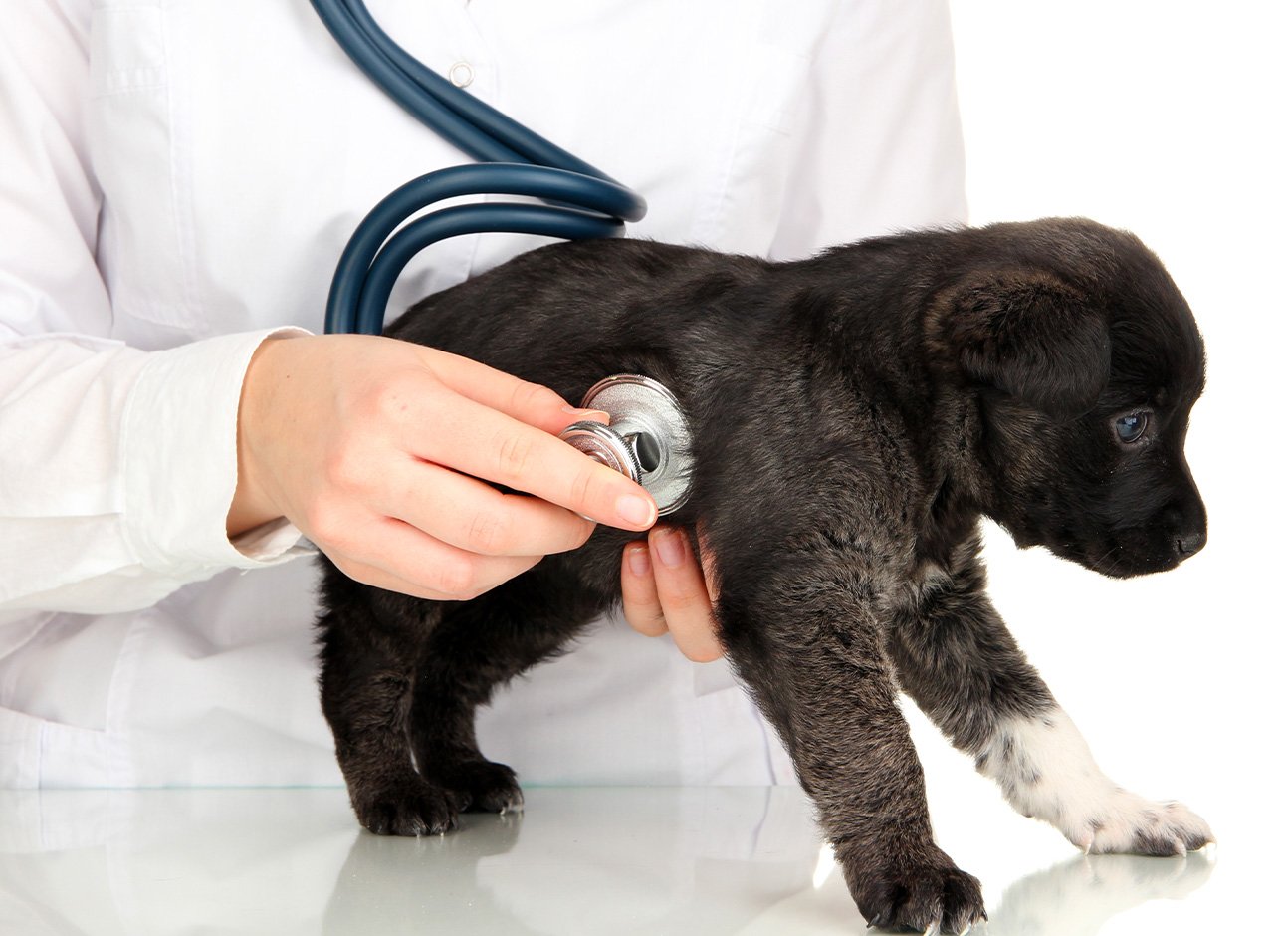
Diarrhea has never been a pleasant topic to discuss let alone experience. However, it is a common occurrence among dogs much to the displeasure of their owners. Varying in regularity, extent and intensity,...
 Updated: 26/11/2025
Seizures in dogs
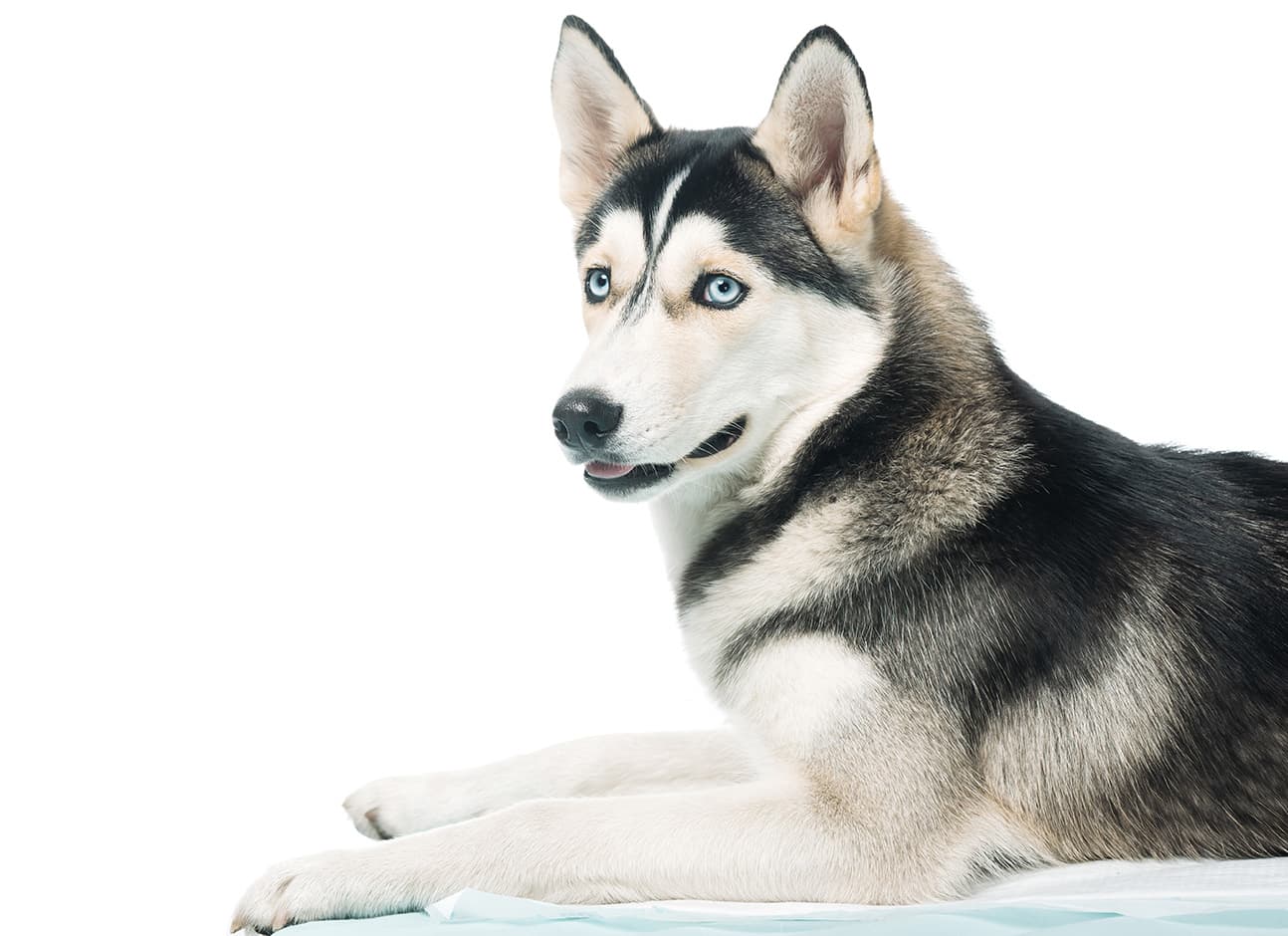
Seizures can be a very terrifying prospect for pet owners especially since they are a common neurological problem in dogs. There are a few things that you can do to control the situation and help your dog.
 Updated: 27/11/2025
EXERCISES FOR DOGS
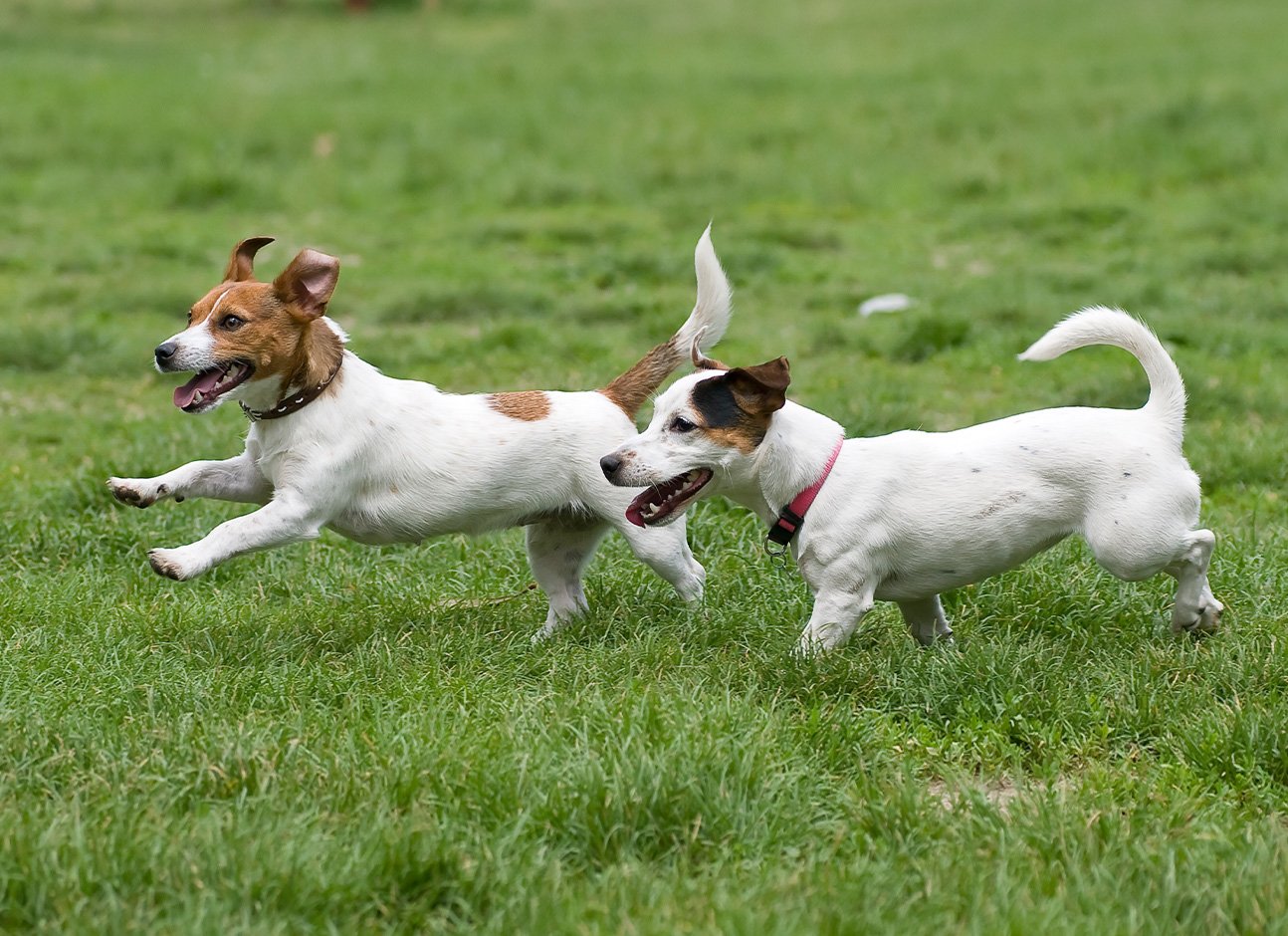
Having a pet usually means ensuring that they are well-fed <em>and</em> well exercised too. Dogs are no exception to this either. Having a dog for a pet would usually involve walks outside, playing...
 Updated: 27/11/2025
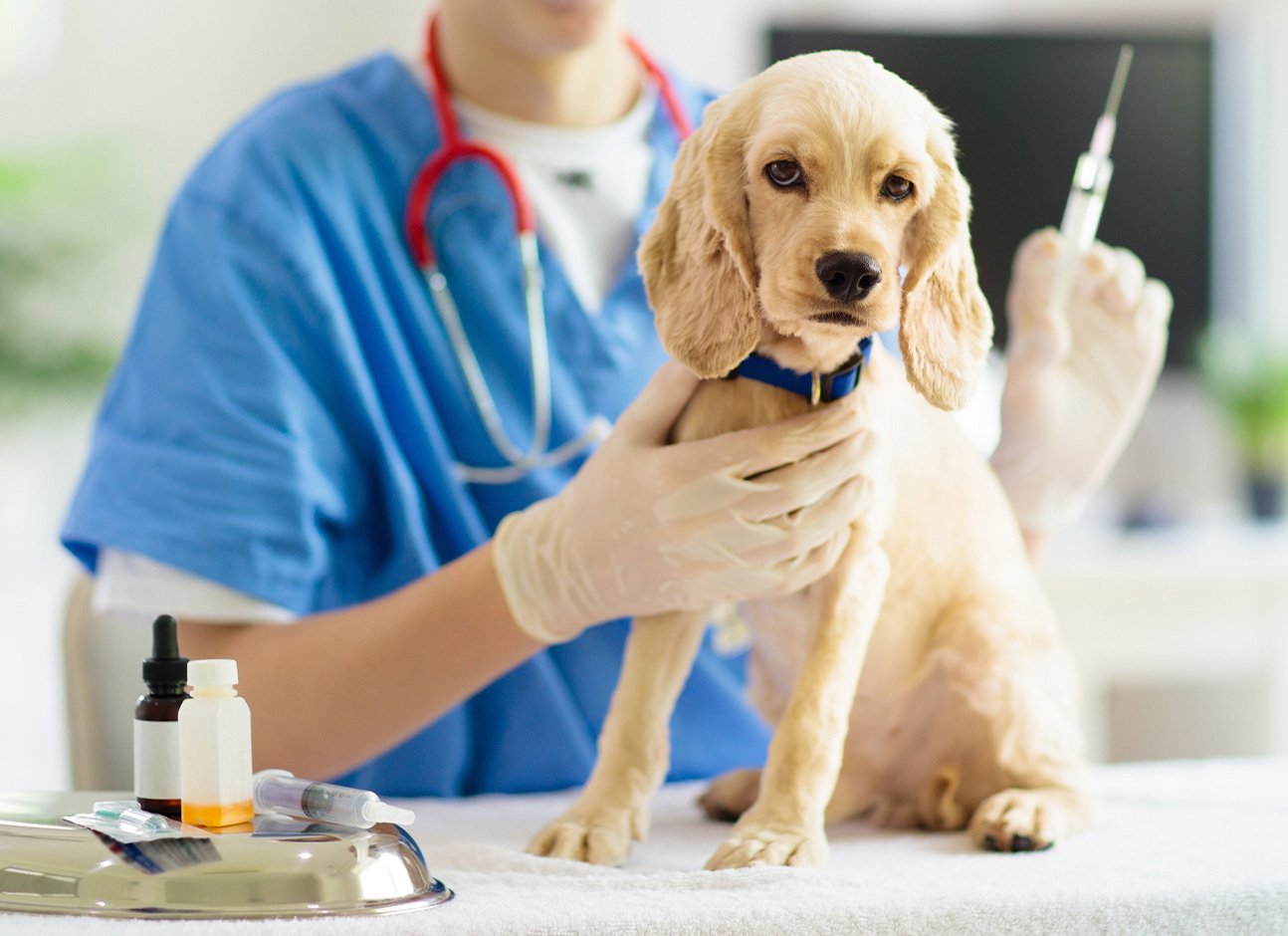
VACCINATIONS FOR DOGS
The most effective way to protect your dog from diseases caused by infectious viruses and bacteria is by getting them vaccinated.
 Updated: 28/11/2025
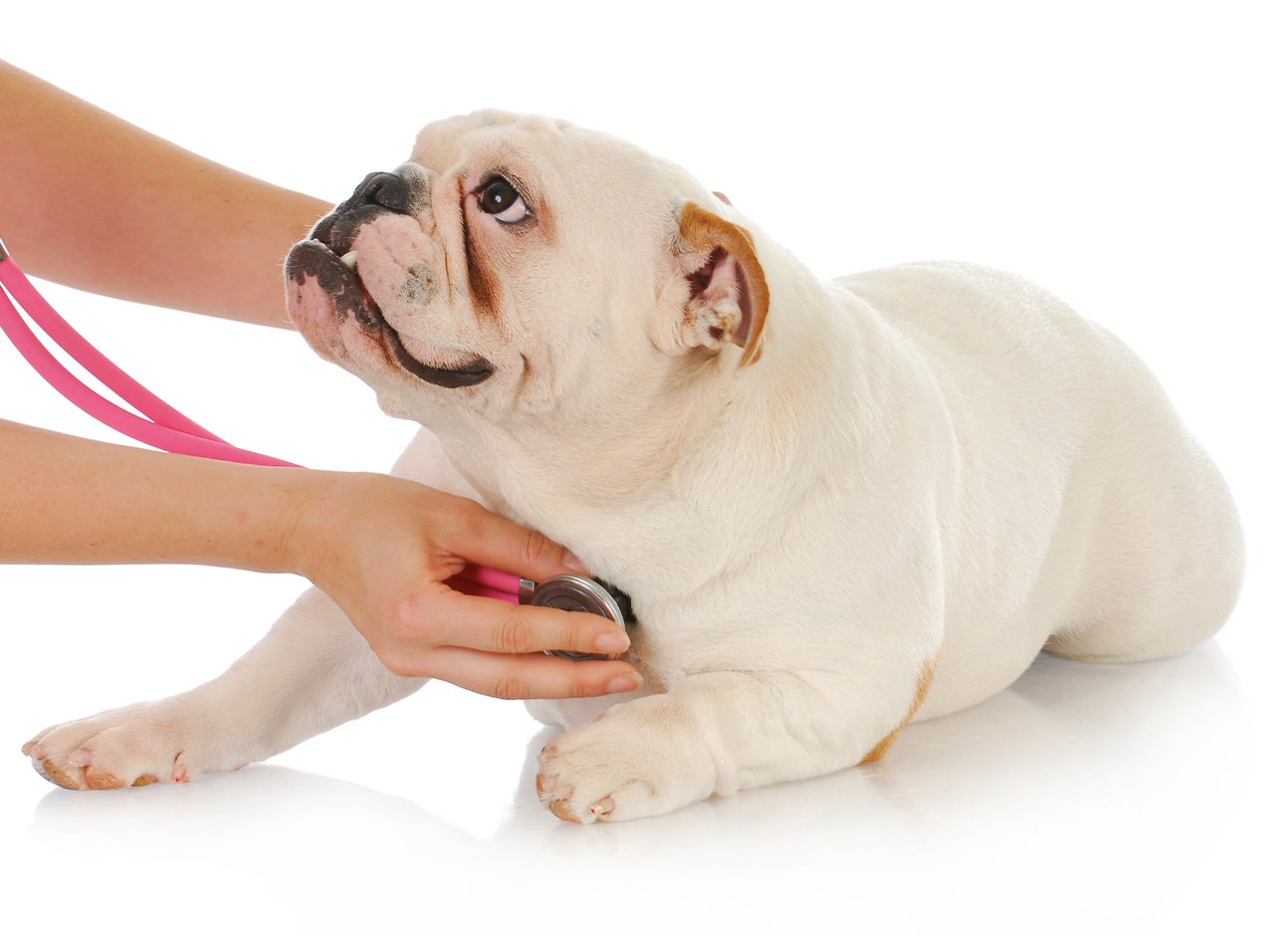
CONGESTIVE HEART FAILURE IN DOGS AND CATS
Congestive Heart Failure (CHF) in pets involves the collection of fluid in certain parts of the body caused by acute heart disease. Leaky valves in dogs and inadequate pumping in cats can cause...
 Updated: 27/11/2025
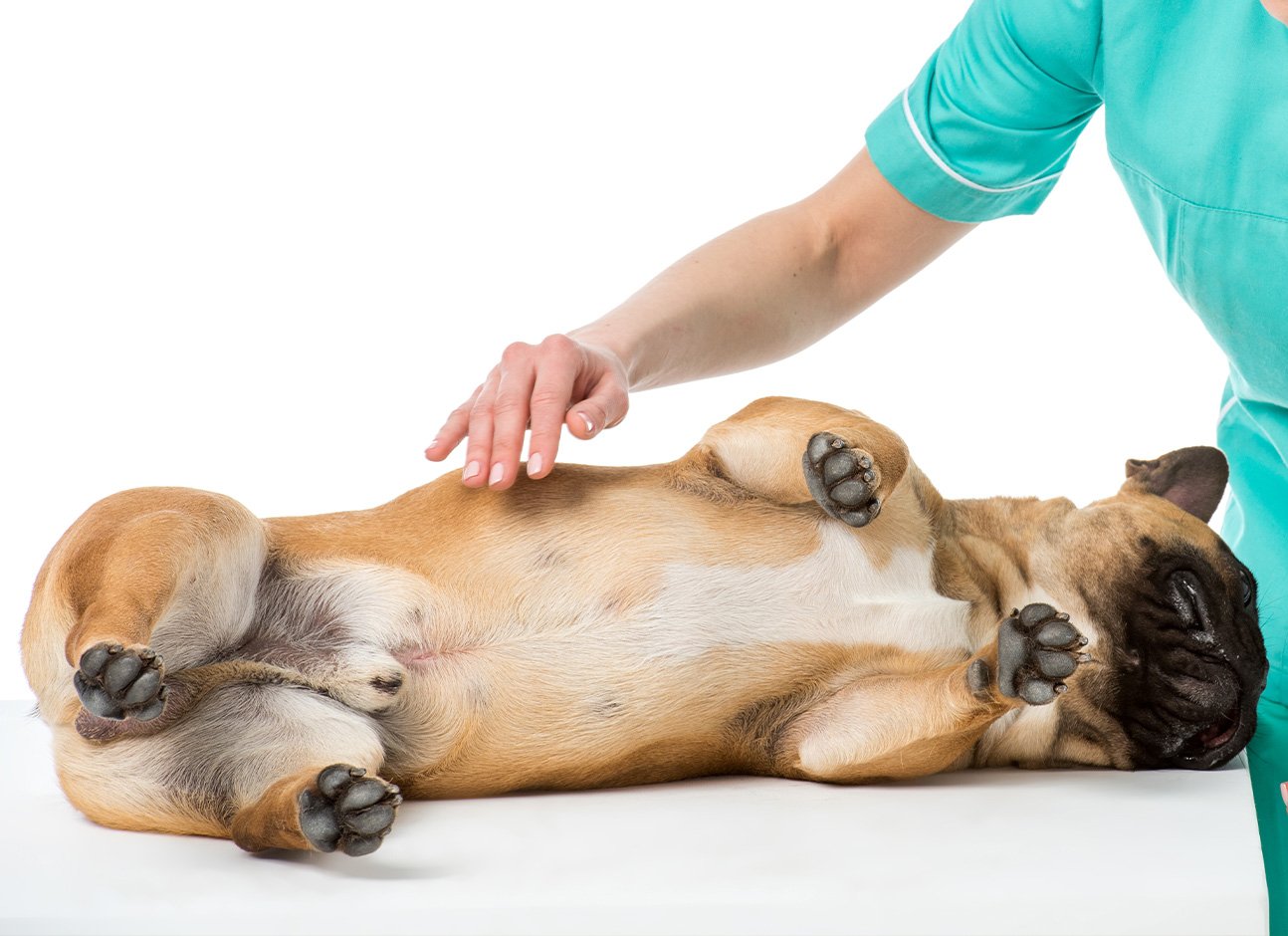
BLOAT IN DOGS
Bloat in dogs are essentially stomach disorders namely gastric dilatation (GD) which involves the stomach filling up with gas, and gastric dilatation and volvulus (GDV) which results in the bloated stomach twisting upon...
 Updated: 26/11/2025
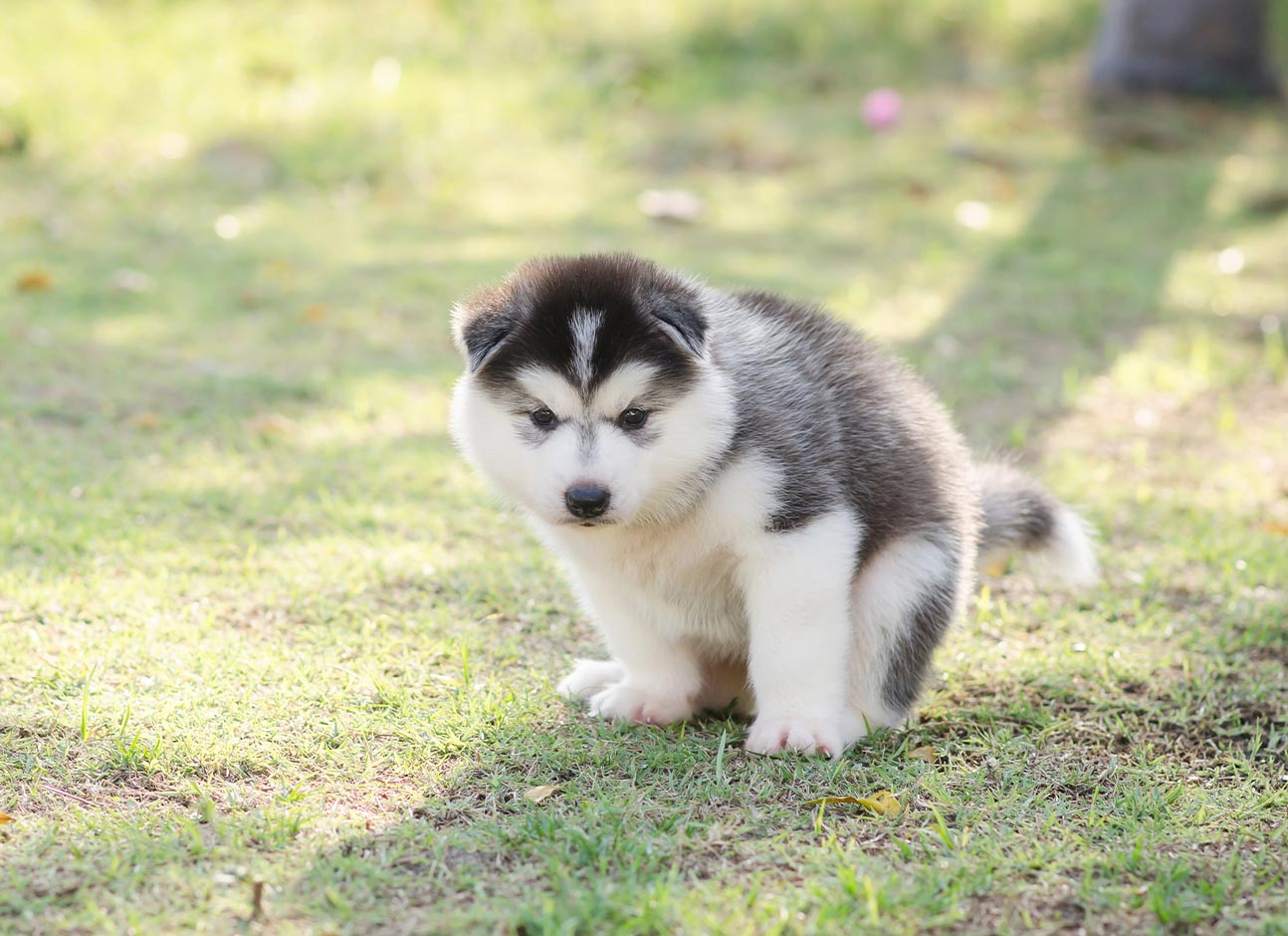
Urinary Incontinence in Dogs: Causes, Treatment, and Prevention
Urinary incontinence is a common issue in dogs, characterized by the uncontrollable release of urine regardless of activities. It is crucial not to attempt self-treatment but to consult a vet.