

Reviewed by Dr. Nicoletta Nica
Updated on 24/06/2026
Reading time 4 min.
Overview
Severity: Low
Life stage: All
The most common reasons dogs limp are painful injuries and underlying medical conditions affecting muscles, bones, joints, tendons, ligaments, or the nervous system. In addition to being an indicator of potential injuries or illness, a dog’s limp could also signify long term (chronic) conditions such as arthritis.
Depending upon the type of injury or cause of the limping, a dog may shift weight onto the opposite limb to avoid putting weight on the painful leg.
While some cases of limping may be temporary and resolve with rest, others can indicate serious medical conditions that require veterinary attention.
It is therefore important to diagnose the underlying reason behind your dog’s limp so you know how best to treat your dog’s condition and minimize additional injury.
Causes
There are numerous possible reasons why an animal would have lameness. These range from minor injuries to various complex orthopedic and neurological disorders.
Examples of these include:
- Fractures and dislocations
- Broken or torn nails
- Foreign objects lodged in the paw
- Bone infections
- Sprains and strains
- Cuts, wounds, or bruises
- Neurological disorders
- Bone tumors and cancer
- Torn ligaments, including cranial cruciate ligament injuries
- Arthritis or degenerative joint disease
- Hip dysplasia
- Elbow dysplasia
- Paw pad injuries
Symptoms
Depending on what is causing the lameness and how severely the animal is experiencing lameness symptoms can vary greatly. A dog with a limp may show:
- Favoring one leg when walking
- Difficulty getting up from a sitting or lying position
- Joint stiffness, particularly following periods of rest
- Refusal to run, jump, or go upstairs
- Painful swelling at a joint or leg
- Over-licking of an injured location
- Reduced activity levels
- Vocalizing, whining, or showing signs of discomfort
- Bleeding cuts, visible wounds and deformities
- Abnormal posture or gait.
Risks
Ignoring a limp can enable the problem to escalate and potentially lead to long-term problems.
Potential Complications
Unattended injuries could result in chronic pain, joint instability, decreased movement, and permanent harm to bone or soft tissue. As dogs experience discomfort from untreated issues, they are likely to be less active, which could cause them to lose their muscles and gain weight.
Some issues, such as ligament tears, fractures, infections, and bone tumors, may advance once treatment has been put off. If treated early, most of these issues have better results for treatments and reduce potential additional problems.
Diagnosis
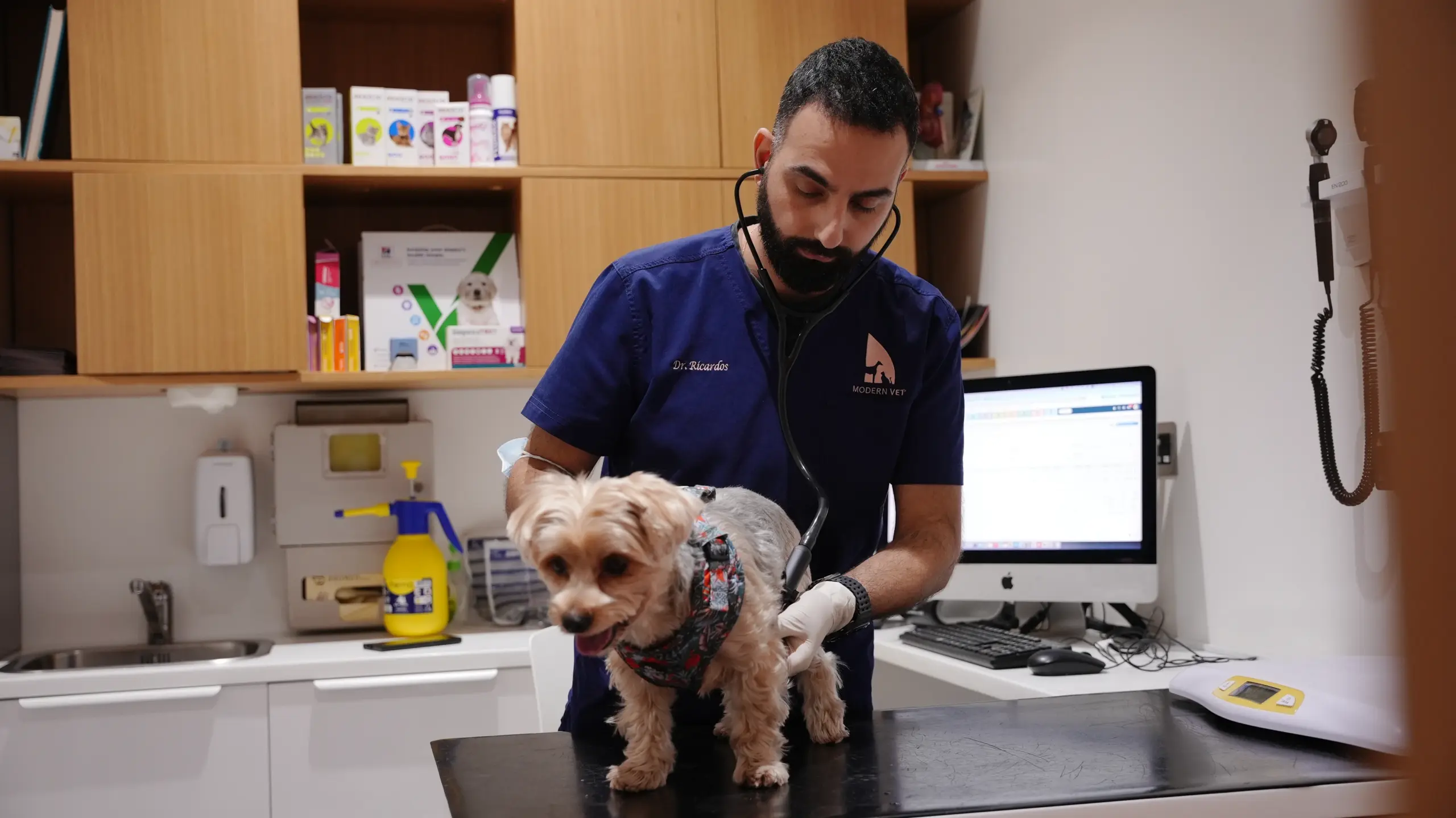
To diagnose the issue causing the limping, a veterinary exam must occur.
The veterinarian will review the dog’s medical history and discuss when the limping occurred. determining when the limp began and how it progressed and if there was any sort of injury recently, or if there was any change in the dogs level of activity.
Assessments of the affected limb, joints, muscles, and paws will take place during the examination to assess for signs of pain, swelling, instability, or reduced range of motion. The veterinarian will also assess the dog’s gait while observing them walk.
Diagnostic testing might be included in assessments:
- Radiographs (X-rays)
- Blood Tests
- Ultrasound exams
- CT Scans
- MRI Scans
- Joint Fluid Analysis
X-ray, blood tests, ultrasound exams, CT scans, MRI scans, and joint fluid analysis all serve to assist vets in identifying fractures, joint disease, soft tissue injuries, infections and many other possible causes.
Treatment
Depending upon the cause and extent of the lameness, treatment is varied.
Small soft-tissue injuries typically resolve with rest, restricted activities and pain control. Dogs with cuts, wounds, or paw injuries usually require cleaning, bandaging, and appropriate wound care.
Anti-inflammatory drugs, rehabilitative exercises, weight control and supportive joint supplements are used as needed, depending upon the case. More serious injuries, including fractured bones and torn ligaments, may need surgical repair.
Long term cases involving Arthritis will receive a long term management program combining medication, limited exercise, rehabilitation therapies and lifestyle adjustments to provide improved mobility and comfort.
Treatment for limping due to infections, neurological disorders or cancers will depend on treating the primary source while controlling pain and improving quality of life.
Prevention
While there are no guarantees against all potential causes of lameness, there are methods to reduce the likelihood of these causes.
Helping your pet maintain a healthy body weight is very important since excessive weight adds stress to the joints and raises the probability of movement related issues. Also, proper exercise will support muscle development as well as joint health; however, this has to be based upon the pet’s age, breed and overall physical status.
By creating a safe living environment, you could lower the chances of your pet experiencing an accident or injury. In addition to this, regular paw inspections (in order to catch cuts, foreign materials, etc., before they become serious) along with regularly scheduled veterinary visits allow for the identification of any orthopedic conditions prior to them developing into more serious situations resulting in lameness.
Reviewed by
Dr. Nicoletta Nica
DVM, MRCVS
Dr. Nicoletta was born in Romania and studied veterinary medicine. After graduation Dr. Nicoletta worked for a small animal clinic.


What Is Laparoscopic Spaying?
The laparoscopic spay involves making 2 or 3 very small openings into the abdomen, rather than one big opening as...

Why are Dog Vaccinations Important?
Dogs can be vaccinated against many diseases by introducing a weakened or inactivated form of the disease into...

Why are Cat Vaccinations Important?
Protecting your cat's long term health through vaccination is one of the most critical components of...

What Is Veterinary Oncology?
Veterinary oncology at our clinic focuses on how we diagnose, treat, and manage cancer to improve outcomes and quality...

Pet Relocation
Moving to a new home with your pet involves more than packing boxes and booking travel. Because pets thrive on routine and familiar...

Why Is Routine Grooming Essential?
01
Promotes Skin and Coat Health When you don't brush regularly, dead hair, dirt and oil will accumulate...

What is Holistic Veterinary Care?
Holistic veterinary care is a total medical care system in which your veterinarian evaluates every aspect of your...

Advanced Dental Services
at Modern Vet
We offer full service dental care for dogs and cats, from preventive care to advanced surgery, to ensure...

What is Veterinary Neurology?
Veterinary neurology is a medical speciality concerned with diseases affecting the nervous system. Animals afflicted by...

What is a Wellness Exam?
A wellness exam is an all-inclusive examination of your pet's overall health and condition. A wellness exam is performed...

Why Does Your Pet Need Dermatology Care?
Many pet owners do not realize how significant it is to have their cat, dog, or other small animal receive...

Comprehensive Cat Health Services
Modern Vet offers comprehensive feline care through all phases of a cats life cycle, using advanced diagnostic...

Complete Pet Care for Dogs in Dubai The clinic has a wide variety of veterinary services that support canine health at all ages. Care is provided based...

Why is veterinary ophthalmology important?
Veterinary ophthalmology is concerned with diagnosing, treating and preventing disease in the eyes of...

Role of a Veterinary Cardiologist
A veterinary cardiologist is a veterinarian who has received advanced education and/or training in the diagnosis and...

Modern Rides Designed
for Pet Comfort
Modern Vet Dubai believes that pet transportation does not have to result in compromises. Many regular taxi...

Your Trusted Partner
in Your Pet’s Long Term Health The decision to have your pet spayed or neutered is one of the most responsible actions you can...

The Importance of Vaccination When your pet receives a vaccine, it trains their immune system to attack viruses and bacteria prior to them causing an...
A veterinary consultation is often the first and most important step in managing your pet’s health. When your dogs appear tired, your cats stop eating,...
For years, Modern Vet has been a trusted multi specialist veterinary provider for pet owners in Dubai. With the upgraded Modern Vet Mobile Clinic,...

Hydrotherapy for pets is one of the most rapidly adopted and effective rehabilitative techniques used today in veterinary medicine. The modality of...

Pet Emergency
Care in Dubai
Pet emergencies are unpredictable and time sensitive. Immediate veterinary care is essential for issues like toxin...

What Does Veterinary Orthopaedics Do?
Orthopaedic veterinary care focuses on providing diagnosis, treatment, surgical correction and prevention of...

Why does Veterinary
Physiotherapy Matter?
There are many musculoskeletal, neurologic, and post surgical conditions that can have a significant...

Food Delivery
Providing quality nutrition for your pet can be difficult. Pets have different needs than people do; however, both need the same basic...

The fastest-growing cities, including Dubai, need to prioritize pet welfare because their pet population exceeds available resources when not managed...

What Is Spaying & Neutering? Spaying and neutering are two common veterinary medical treatments which eliminate a dog's ability to reproduce....

What Is Spaying & Neutering?
Spaying or Neutering are two common medical procedures designed to limit the ability of cats to reproduce. Spaying is...