

What Does Veterinary Orthopaedics Do?
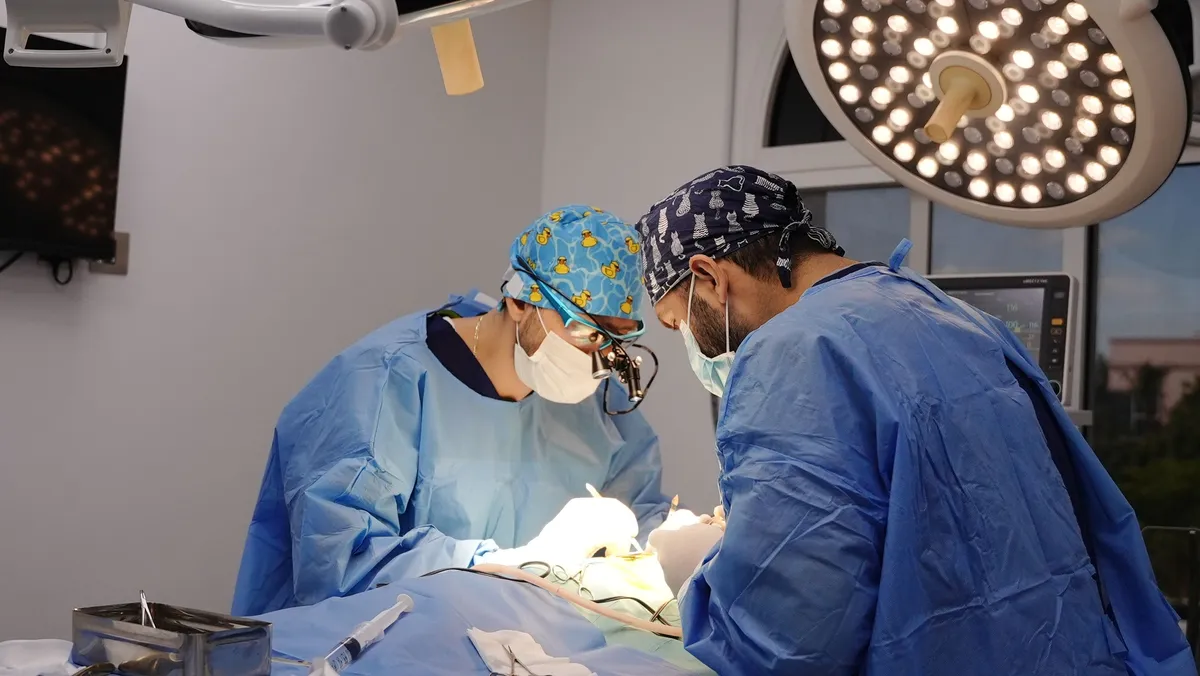
Orthopaedic veterinary care focuses on providing diagnosis, treatment, surgical correction and prevention of injury, bone tumor and congenital conditions that can affect the musculoskeletal system (bones, joints, muscles, ligaments, tendons) of animals.
Musculoskeletal problems can result from genetics or birth defects or can be caused by trauma, infection, immune disease or degenerative processes. In contrast, our soft tissue surgeons specialize in the repair and reconstruction of soft tissues such as organs, skin and other connective tissue using techniques including but not limited to tumor excision, wound closure, hernia repair and organ rupture repair.
For Lasting Recovery


Advanced Orthopaedic and Soft Tissue Surgery for Pets
Our team of board certified veterinarians and orthopaedic specialists treat an array of conditions as follows:
Orthopaedic and Joint Correction Surgery


Hip dysplasia and elbow dysplasia, which are developmental joint disorders, can lead to lameness, pain and eventually, arthritis if left untreated. Our surgical treatments for these conditions include joint correction surgery and total hip replacement, which will help alleviate the pet’s pain and improve their stability.
Hip and Elbow Dysplasia (Genetic joint diseases)
Hip dysplasia and elbow dysplasia, which are developmental joint disorders, can lead to lameness, pain and eventually, arthritis if left untreated. Our surgical treatments for these conditions include joint correction surgery and total hip replacement, which will help alleviate the pet’s pain and improve their stability.


Correction for Patellar Luxation
Slipping of the patella (kneecap), which is known as patellar luxation, is quite common in small breed dogs; however, it can also occur in larger dogs and cats. By surgically realigning and securing the knee joint, we can prevent future occurrences of this condition and improve the pet’s ability to move.
Slipping of the patella (kneecap), which is known as patellar luxation, is quite common in small breed dogs; however, it can also occur in larger dogs and cats. By surgically realigning and securing the knee joint, we can prevent future occurrences of this condition and improve the pet’s ability to move.


Repair of Cruciate Ligament Injuries (CCL/ACL)
Cruciate ligament injuries are the number one reason for orthopaedic injury in dogs and result in knee instability and pain, much like ACL injuries in people. We utilize advanced TPLO and/or lateral suture surgical techniques to repair and stabilize the knee joint.
Cruciate ligament injuries are the number one reason for orthopaedic injury in dogs and result in knee instability and pain, much like ACL injuries in people. We utilize advanced TPLO and/or lateral suture surgical techniques to repair and stabilize the knee joint.


Arthritis and Degenerative Joint Disease
Degeneration of joints and chronic arthritis reduce a pet’s ability to walk and be comfortable– especially with age. We have developed surgical and non-surgical methods to manage and treat arthritis and degenerative joint disease by reducing inflammation, relieving pain, and improving joint function and long term mobility.
Degeneration of joints and chronic arthritis reduce a pet’s ability to walk and be comfortable– especially with age. We have developed surgical and non-surgical methods to manage and treat arthritis and degenerative joint disease by reducing inflammation, relieving pain, and improving joint function and long term mobility.
Bone and Limb Restoration Surgeries


Fracture Repair
Damaged bones due to injuries, falls, or other traumas can be treated using internal fixation (plates, pins) or external stabilization. We treat a wide range of fractures, from very small cracks to severely fractured (multi-fragmented) fractures, to ensure proper realignment and allow proper healing.
Damaged bones due to injuries, falls, or other traumas can be treated using internal fixation (plates, pins) or external stabilization. We treat a wide range of fractures, from very small cracks to severely fractured (multi-fragmented) fractures, to ensure proper realignment and allow proper healing.


Whenever possible, we attempt to save limbs by removing the disease process or cancerous cells in the bone and then preserving as much of the limb as is necessary so the pet will have some ability to move and use their leg.
Limb-Saving Surgeries
Whenever possible, we attempt to save limbs by removing the disease process or cancerous cells in the bone and then preserving as much of the limb as is necessary so the pet will have some ability to move and use their leg.


Hip Replacement
We replace the severely damaged hip joint with a new, well-fitting replacement part and help your pet regain the normal range of motion and comfort from severe dysplasia or arthritic hips.
We replace the severely damaged hip joint with a new, well-fitting replacement part and help your pet regain the normal range of motion and comfort from severe dysplasia or arthritic hips.


Knee Replacement (Dogs & Cats)
When pets have significant knee joint injury from either advanced osteoarthritis or trauma, there are several treatment options to restore stability, reduce pain, and improve mobility. In rare and highly specialized cases, advanced joint replacement procedures may be considered.
When pets have significant knee joint injury from either advanced osteoarthritis or trauma, there are several treatment options to restore stability, reduce pain, and improve mobility. In rare and highly specialized cases, advanced joint replacement procedures may be considered.
Spinal and Neurological Surgeries


Cervical Spinal Stabilization (Wobbler Syndrome)
Spinal decompression and stabilization of the cervical spine to allow nerves to be relieved of pressure and to help your pet’s overall balance and coordination is performed by our veterinarians for pets that suffer from cervical spondylomyelopathy.
Spinal decompression and stabilization of the cervical spine to allow nerves to be relieved of pressure and to help your pet’s overall balance and coordination is performed by our veterinarians for pets that suffer from cervical spondylomyelopathy.


Lumbosacral Decompression
Our veterinarians perform surgery to relieve compression of the lower spine in pets with lumbosacral disease, helping restore nerve function, reduce pain and improve mobility.
Our veterinarians perform surgery to relieve compression of the lower spine in pets with lumbosacral disease, helping restore nerve function, reduce pain and improve mobility.


Soft Tissue and Reconstructive Surgery
Injuries to muscles, tendons and/or ligaments are repaired either surgically or through regenerative therapy based upon the degree of injury.
Injuries to muscles, tendons and/or ligaments are repaired either surgically or through regenerative therapy based upon the degree of injury.


Removal of Benign and Malignant Tumors
Our veterinarians remove both benign and malignant tumors involving bone and soft tissue. Limb-sparing and reconstructive techniques may also be used to optimize outcomes.
Our veterinarians remove both benign and malignant tumors involving bone and soft tissue. Limb-sparing and reconstructive techniques may also be used to optimize outcomes.


Complex Wound Management and Reconstruction
Deep lacerations, traumatic wounds and post-operative complications require specialized closure techniques and/or reconstructive surgery, which can be managed by our skilled wound management team.
Deep lacerations, traumatic wounds and post-operative complications require specialized closure techniques and/or reconstructive surgery, which can be managed by our skilled wound management team.
Recovery, Rehabilitation and Follow-up


Customized Recovery Plans for Every Pet
A customized recovery plan is designed for every pet, which includes pain control, physical therapy, rest schedule and routine progress monitoring, to ensure an optimal recovery.
A customized recovery plan is designed for every pet, which includes pain control, physical therapy, rest schedule and routine progress monitoring, to ensure an optimal recovery.
When to Visit an Orthopaedic Veterinarian?
Your pet may have to visit an orthopedist if they are experiencing trouble with movement or discomfort. Watch for:


A persistent limp


Your pet is having trouble standing up, walking or jumping


Joints that appear swollen, stiff or painful


A noticeable change in posture or gait


The sound of clicking or popping in their joints


An unusual loss of energy or loss of strength in muscles


Your pet is whining while moving around and/or appears to be in pain


Sudden loss of weight or increase/decrease in activity level
Early intervention will make a large impact. Many orthopaedic issues can be treated/managed/reversed with proper treatment/diagnosis, allowing your pet to once again enjoy an active, happy life without pain or discomfort.
Comprehensive Orthopaedic Care Journey for Your Pet
01
Initial Consultation and Orthopaedic Assessment
Your pet’s care begins with a comprehensive examination, including a review of their medical history, gait analysis, and a thorough Orthopaedic evaluation. If necessary, we may recommend diagnostic testing (such as radiographs) that can assist us in making a definitive diagnosis.
02
Accurate Diagnosis and Treatment Planning
Using information from the initial consultation and examinations, we develop a specific plan of action for your pet. Plans may include managing symptoms medically, surgically intervening on behalf of your pet, or developing a rehabilitation program using modalities such as hydrotherapy, laser therapy, etc.
03
Pre-Anesthetic Evaluation and Safety Protocols
Before your pet undergoes any type of surgery, we perform a comprehensive physical examination and collect blood work to determine if your pet is safe for anesthesia. We use advanced monitoring equipment and create customized anesthetic protocols to provide maximum comfort and safety during surgery.
04
Advanced Surgical Care and Pain Control
Our staff has extensive experience in both conventional and minimally invasive surgical techniques. We make pain management our number one priority prior to, during, and after surgery to support your pet’s smoothest and most comfortable recovery possible.
05
Post Surgical Recovery and Rehabilitation
Following surgery, your pet will remain under close supervision by our staff in a quiet recovery area until they are stable enough to go home. Before sending them home, we will have established a structured rehabilitation program and provided you with all necessary home care instructions to help restore your pet’s ability to walk and function normally.
06
Ongoing Support and Client Communication
Throughout your pet’s entire care process, we will communicate regularly with you regarding your pet’s status, answer questions you may have about their condition, and provide emotional support and encouragement throughout the healing process.
Learn More About “Soft Tissue & Orthopaedics”
Restore Your Pet’s Mobility
With Confidence
Frequently Asked Questions
Pets experience Fractures most often in their forelimbs (front legs), hips, and feet. Cats also have a high risk of toe fractures, luxating patella (dislocated kneecap), and humeral exostosis (a bone tumor). It is important to seek treatment right away so that the bones can heal properly.
Surgery is usually scheduled after a veterinarian has evaluated the animal and performed any necessary diagnostic tests. In emergencies such as severe Fractures, surgery may be performed the same day.
Every patient gets a pre anesthesia exam and blood work before surgery. Each patient is monitored closely during surgery with advanced monitoring equipment, IV fluids, temperature regulation and pain management to maximize safety.
Rehabilitation is important because it helps restore strength, flexibility, and mobility to pets following orthopedic surgery through exercises, hydrotherapy, massage, and laser therapy, etc.
While many orthopaedic problems are caused by genetics or trauma, maintaining a healthy weight, providing a proper diet, and regular exercise can help reduce the risks.
Meet the Team and Schedule your Appoinment
Modern Veterinary Clinic is the UAE’s only 24-hour multi-specialty vet hospital. What truly sets us apart is our team of highly qualified specialists, all dedicated to one goal, keeping your pets healthy. With a multinational team, years of experience, and many successful treatments, you can trust that your pet is in safe hands with us.
What our customers say


Posted onTrustindex verifies that the original source of the review is Google. Many thanks to all the staff at the clinic, especially Emy for her professionalism and kindness, she always receives us with a big smile!Posted onTrustindex verifies that the original source of the review is Google. Very goodPosted onTrustindex verifies that the original source of the review is Google. I had a great experience at the vet clinic. The receptionist emmy was very helpful, kind, and efficient. They made the check-in process smooth and answered all my questions patiently. It really helped reduce the stress of the visit. Thank you for the excellent service!Posted onTrustindex verifies that the original source of the review is Google. Fantastic experience at Modern Vet! Joan was welcoming and efficient, and Nurse Paul was so gentle and patient with my cat. They made the whole visit stress-free — highly recommend! Thank you for an excellent service 👍Posted onTrustindex verifies that the original source of the review is Google. Good service and all the staff are approachable specially JM and nurse Paul
Discover your Nearest
Modern Vet Clinic in Dubai.
Restore Your Pet’s Mobility
With Confidence





 Chat
Chat


