

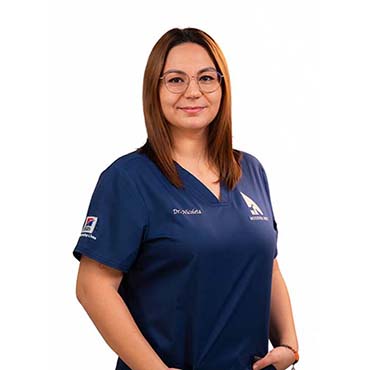
Reviewed by Dr. Nicoletta Nica
Updated on 02/12/2025
Reading time 4 min.
Overview
Severity: Low
Life stage: All
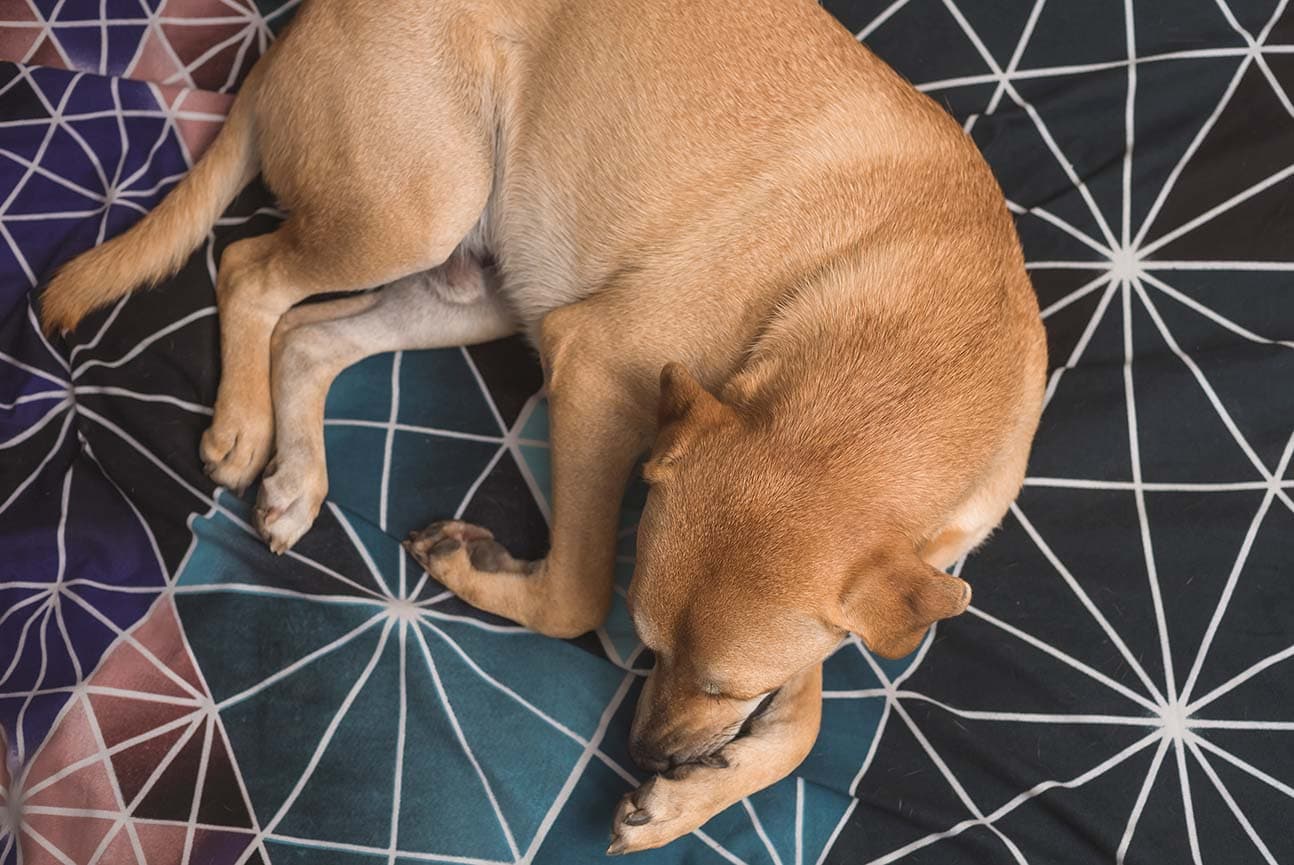
Overgrooming in dogs is excessive self-licking or biting that can cause skin and health problems. It may result from medical issues like parasites or allergies, or behavioural triggers such as stress and boredom. Though less common in dogs than cats, overgrooming still needs prompt attention. If your dog grooms for more than five minutes at a time, several times daily, seek veterinary advice.
Dubai’s climate and lifestyle add to the risk. Extreme heat, constant air conditioning, and sandstorms can irritate skin or trigger stress. Long indoor confinement may cause boredom, while dust and dry air worsen sensitivities. With early diagnosis, most cases respond well to treatment, making prompt veterinary care essential.
What to do if your dog is overgrooming
Self-grooming helps dogs maintain cleanliness, but excessive behaviour lasting longer than five minutes at a time, multiple times daily, suggests a problem requiring attention.
If you suspect overgrooming in your dog:
- Monitor for additional symptoms such as reduced appetite, lethargy, and digestive issues.
- Check affected areas for redness, sores, hair loss, or unusual odours.
- Check other pets in your household for similar issues. This may suggest infectious/parasite causes.
- Note when the behaviour occurs most frequently.
- Keep a brief diary of grooming episodes to help you and your vet identify patterns.
In Dubai, a combination of heat stress and indoor confinement often intensifies grooming behaviours, whilst dust and allergens can irritate already sensitive areas. Seek prompt veterinary advice if concerned.
Common causes of overgrooming in dogs
Understanding the root cause helps guide effective treatment.
Medical causes:
- Parasites: Fleas, mites and other parasites thrive in humid conditions and can be brought indoors on shoes or clothing
- Allergies: Environmental allergens, including dust, pollen and household chemicals, are common triggers in urban Dubai
- Foreign objects: Sand, grass seeds or debris from outdoor walks can become lodged between toes
- Nausea: Overgrooming may present alongside drooling or lip-smacking behaviours
- Pain: Acute issues, such as wounds or nail problems or chronic conditions, such as arthritis (exacerbated by temperature changes)
- Skin irritation: Caused by frequent transitions between air conditioning and outdoor heat
Behavioural causes:
- Stress and anxiety: Moving homes, construction noise, fireworks during celebrations, visitors or changes in family routine
- Boredom: Limited outdoor exercise due to extreme temperatures and inadequate mental stimulation
- Seasonal factors: Reduced activity during hot summer months
When to worry about overgrooming in dogs
Seek immediate veterinary attention if your dog:
- Is continuously licking or biting, creating bald patches or widespread skin sores
- Has other illness symptoms: such as vomiting, diarrhoea or loss of appetite
- Is unexpectedly losing weight
- Develops signs of infection: foul odours, discharge, pain or fever
Tips on preventing overgrooming
Medical prevention:
- Schedule annual veterinary check-ups, ideally before outdoor activity reduces in the summer months
- Keep up-to-date with vaccinations, as recommended by Dubai Municipality veterinary guidelines
- Use veterinary-approved parasite prevention suitable for the UAE climate and risks
- Provide balanced nutrition and maintain healthy body weight. Obesity worsens heat intolerance
- Avoid sudden dietary changes and restrict access to inappropriate foods
- Trim nails regularly, as reduced outdoor activity on concrete surfaces means less natural wear
- Inspect paws and skin after walks, removing sand and debris
- Consider protective paw balm during hot weather
Behavioural prevention:
- Establish consistent daily routines for feeding and exercise, adapting to cooler morning and evening temperatures
- Provide adequate mental stimulation when it’s too hot to go outside: puzzle toys, training sessions and indoor activities
- Ensure your dog’s well-being by providing constant access to fresh, cool water, a quiet, shaded resting area, and air-conditioned comfort during periods of extreme heat.
- Ensure resources remain easily accessible. This is particularly important for elderly dogs struggling with mobility in the heat
How to tell if your dog is overgrooming
Recognising overgrooming can be tricky, as dogs often do it at night or when alone. Watch for these signs:
- Saliva stains on fur: appear pink, red, brown, or orange and are especially visible on light coats
- Broken hairs, bald patches or thinning on paws and legs
- Red, irritated skin, open sores or interdigital cysts between toes
- Restlessness, grooming interfering with play or meals, and vocalising while licking
- Presence of raised, thickened skin patches or lick granulomas, usually on the front legs
Dubai’s dusty, dry climate can make saliva stains darker and skin irritation more visible. Persistent overgrooming and lick granulomas need prompt veterinary and behavioural care.
How to help at home
Initial home management focuses on preventing further damage, whilst addressing underlying causes.
Immediate steps:
- Schedule a veterinary consultation to rule out medical causes
- Use protective cone collars or medical suits to prevent continued self-trauma
- Ensure all household pets receive appropriate parasite prevention
- Implement natural calming methods, such as pheromone diffusers or calming supplements
- Follow the preventive measures outlined above
- Maintain comfortable indoor temperatures to reduce heat stress
- Provide increased mental stimulation during periods of limited outdoor activity
Treatment for overgrooming
Veterinary treatment varies depending on the underlying cause.
Diagnostic procedures may involve:
- Blood and urine analysis: checking general health and organ function
- Skin tests, including scrapes, hair samples, and biopsies
- Elimination diet trials for food allergies
- Environmental allergy testing: relevant to Dubai’s specific allergens
Common treatments include:
- Parasite control medications
- Pain management therapy
- Antibiotics for secondary skin infections
- Anti-inflammatory medications for allergic reactions
- Prescription anxiety medications when behavioural causes are confirmed
Following medical evaluation, your veterinarian may recommend consultation with qualified animal behaviour specialists to develop individualised management plans.
Finding behaviour specialists:
When seeking professional behavioural support for your dog, it’s important to verify qualifications through recognised bodies, even if they aren’t based locally. If you’re looking for expert help with your pet’s behaviour, several professional organisations set high standards for training and behaviour work:
- Animal Behaviour and Training Council (ABTC)
- Certified Clinical Animal Behaviourists (CCAB)
- Fellowship of Animal Behaviour Clinicians (FAB)
- Association of Pet Behaviour Counsellors (APBC)
- International Association of Animal Behavior Consultants (IAABC)
Several reputable trainers and behaviourists in Dubai hold these international certifications or affiliations. Your veterinarian can also provide referrals to appropriately qualified specialists working in the UAE.
Dogs at more risk of overgrooming?
- Any dog can develop overgrooming, regardless of age or breed.
- Certain breeds are more susceptible due to allergies or stress including Labradors, Golden Retrievers, Boxers, and Shih Tzus.
- In Dubai, thick-coated dogs may overgroom from heat discomfort.
- Breeds prone to anxiety may react more to lifestyle changes caused by extreme weather.
Is your dog licking, chewing, or grooming nonstop? Don’t wait, book a checkup today at Modern Vet Hospital in Dubai. Overgrooming can signal allergies, skin disease, or stress, and early treatment prevents the problem from getting worse. Our skilled team offers fast diagnosis, effective treatment, and ongoing support to keep your dog comfortable and healthy. Modern Vet Hospital is your go-to clinic in Dubai for urgent, expert pet care.
Share this, choose your platform!
Reviewed by
Dr. Nicoletta Nica
DVM MRCVS
Dr. Nicoletta was born in Romania and studied veterinary medicine in Timisoara.After graduation Dr. Nicoletta remained in Timisoara, and worked for a small animal clinic.


What Is Laparoscopic Spaying?
The laparoscopic spay involves making 2 or 3 very small openings into the abdomen, rather than one big opening as...

Why are Dog Vaccinations Important?
Dogs can be vaccinated against many diseases by introducing a weakened or inactivated form of the disease into...

Why are Cat Vaccinations Important?
Protecting your cat's long term health through vaccination is one of the most critical components of...

What Is Veterinary Oncology?
Veterinary oncology at our clinic focuses on how we diagnose, treat, and manage cancer to improve outcomes and quality...

Pet Relocation
Moving to a new home with your pet involves more than packing boxes and booking travel. Because pets thrive on routine and familiar...

Why Is Routine Grooming Essential?
01
Promotes Skin and Coat Health When you don't brush regularly, dead hair, dirt and oil will accumulate...

What is Holistic Veterinary Care?
Holistic veterinary care is a total medical care system in which your veterinarian evaluates every aspect of your...

Advanced Dental Services
at Modern Vet
We offer full service dental care for dogs and cats, from preventive care to advanced surgery, to ensure your...

What is Veterinary Neurology?
Veterinary neurology is a medical speciality concerned with diseases affecting the nervous system. Animals afflicted by...

What is a Wellness Exam?
A wellness exam is an all-inclusive examination of your pet's overall health and condition. A wellness exam is performed...

Why Does Your Pet Need Dermatology Care?
Many pet owners do not realize how significant it is to have their cat, dog, or other small animal receive...

Comprehensive Cat Health Services
Modern Vet offers comprehensive feline care through all phases of a cats life cycle, using advanced diagnostic...

Complete Pet Care for Dogs in Dubai The clinic has a wide variety of veterinary services that support canine health at all ages. Care is provided based...

Why is veterinary ophthalmology important?
Veterinary ophthalmology is concerned with diagnosing, treating and preventing disease in the eyes of...

Role of a Veterinary Cardiologist
A veterinary cardiologist is a veterinarian who has received advanced education and/or training in the diagnosis and...

Modern Rides Designed
for Pet Comfort
Modern Vet Dubai believes that pet transportation does not have to result in compromises. Many regular taxi...

Your Trusted Partner
in Your Pet’s Long Term Health The decision to have your pet spayed or neutered is one of the most responsible actions you can...

The Importance of Vaccination When your pet receives a vaccine, it trains their immune system to attack viruses and bacteria prior to them causing an...
A veterinary consultation is often the first and most important step in managing your pet’s health. When your dogs appear tired, your cats stop eating,...
For years, Modern Vet has been a trusted multi specialist veterinary provider for pet owners in Dubai. With the upgraded Modern Vet Mobile Clinic,...

Hydrotherapy for pets is one of the most rapidly adopted and effective rehabilitative techniques used today in veterinary medicine. The modality of...

Save our number now so you are prepared if the worst happens.
24-Hour Emergency Hotline: 800-82
Address: Umm Suqeim, Al Wasl Road, Villa #793,...

At Modern Veterinary Hospital, we know that being able to move comfortably is critical to your furry friends’ overall happiness and well-being....

Pet physiotherapy is an important and growing aspect of veterinary medicine, addressing recovery from injury, surgery, chronic conditions or poor...

You want the best for your pet’s health and longevity, but feeding them well-balanced meals can be difficult. The same principles apply to humans also...

The fastest-growing cities, including Dubai, need to prioritize pet welfare because their pet population exceeds available resources when not managed...

At ModernVet, we are committed wholeheartedly to improving the wellbeing of your faithful canines with our state-of-the-art dog spay and neuter services....

ModernVet offers professional cat spaying and neutering services that deliver top-level care to feline pets. The procedures form an essential part of...





 Chat
Chat


