

Reviewed by Dr. Nicoletta Nica
Updated on 21/07/2026
Reading time 4 min.
Overview
Severity: Low
Life stage: All
Osteoarthritis, commonly referred to as arthritis, is an inflammatory and degenerative process affecting the joints of dogs and cats. The loss of cartilage in a joint cause the bone surfaces to come into contact with each other. This results in discomfort and limited motion. Although osteoarthritis can occur at any age, it is most commonly diagnosed in middle aged and senior pets. Since both dogs and cats tend to conceal their pain, arthritis often progresses before visible manifestations. Therefore, early diagnosis and treatment will greatly enhance the pets comfort and overall quality of life.
Causes
The cause of arthritis lies within the damage to the structure of the joint, resulting in degeneration and inflammation. Several factors contribute to the occurrence of arthritis:
Age Related Joint Changes
With advancing age, the flexibility of cartilage diminishes and the animals capacity to repair damage to the joints decreases. As a result, geriatric dogs and cats have a higher likelihood of developing osteoarthritis.
Joint Injuries
Prior traumatic injuries such as fractures, ligament rupture, or damage to a joint can damage cartilage and increase the chances of future arthritis.
Genetic and Developmental Conditions
Certain breeds of dogs are prone to inherited conditions that may lead to joint dysfunction. Examples include hip dysplasia, elbow dysplasia, or abnormal formation of joints, which may put additional stress on these joints and facilitate further degeneration.
Obesity
One of the primary risk factors for the development of arthritis is being overweight. The added pounds create greater pressure upon the joints and hasten cartilage degeneration, while at the same time, making movement increasingly painful.
Symptoms
Pets often suffer from hidden or silent arthritis because many pets naturally hide pain.
Arthritis is usually diagnosed based on the animals clinical presentation; however, several common symptoms can help diagnose arthritis.
- Difficulty getting up or lying down
- Stiffness after resting or sleeping
- Reduced interest in walking, playing, or climbing
- Limping or favoring one leg
- Reluctance to jump onto furniture or use stairs
- Changes in behavior
- Licking or chewing painful joints
- Reduced grooming in cats
- Decreased activity levels
- Muscle loss around affected joints.
Due to differences in locomotion, cats tend to exhibit different types of symptoms than dogs. Cats do not always limp, but instead, they may no longer jump, avoid elevated areas, or begin to urinate outside the litter box because they find it increasingly difficult to access it.
Risks and Complications
If left untreated, chronic joint pain will continue to decrease an individual pets quality of life and eventually result in limited mobility. A lack of activity will exacerbate muscle loss and make the joints even more unstable.
Animals suffering from chronic joint pain may develop abnormal behaviors due to ongoing discomfort. This can lead to animals becoming less social, more irritable and less willing to engage in interaction with humans.
Additionally, limited mobility may result in excessive weight gain, leading to a vicious cycle where excess body weight further stresses the already painful joints.
Severe joint degeneration may prevent individuals from engaging in normal daily functions, including walking, grooming themselves, playing, etc.
Diagnosis
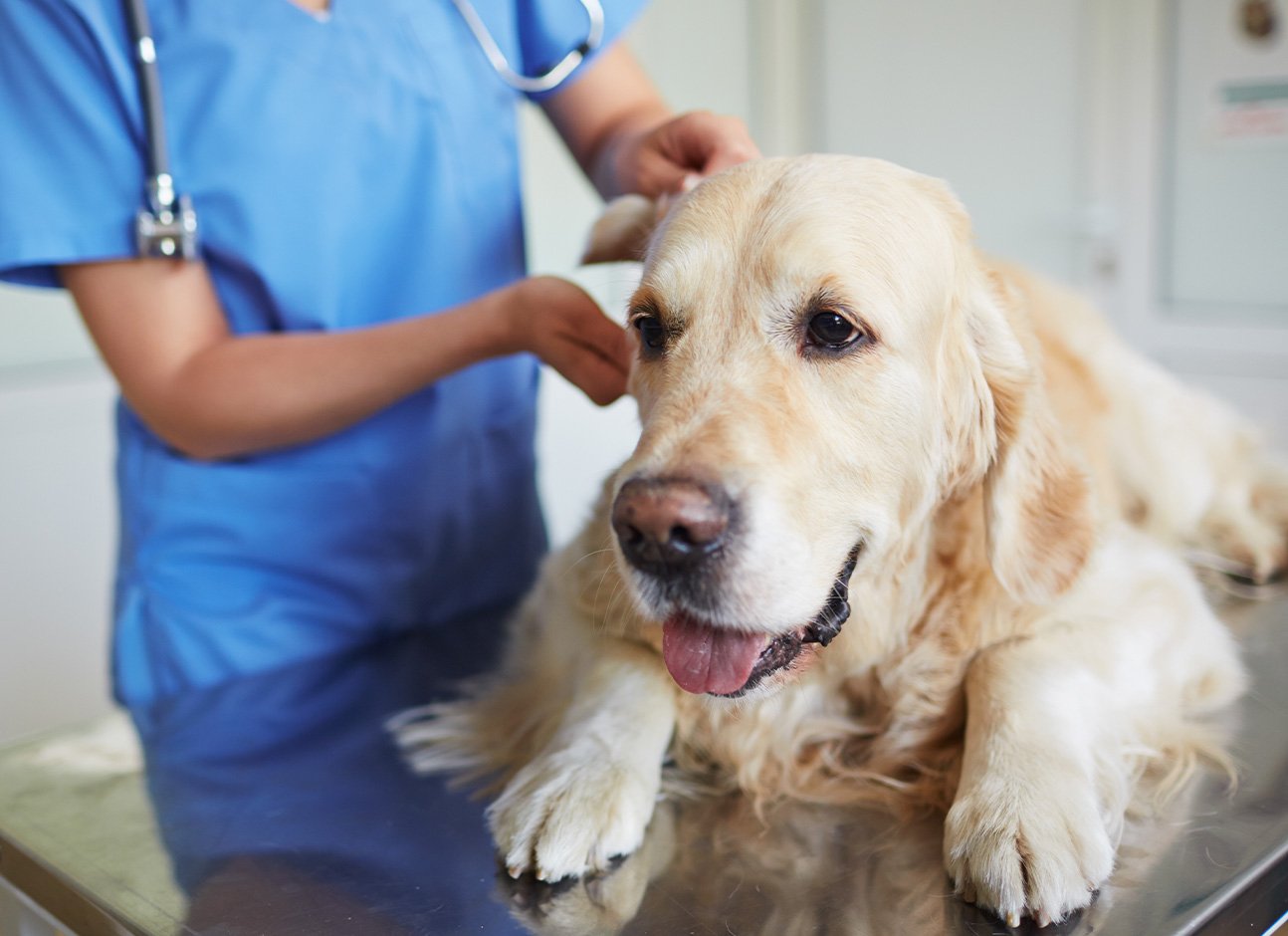
The diagnosis for arthritis comes from a variety of examinations, including an owner’s historical account, the animal’s physical (palpation) examination, as well as diagnostic images.
Palpation includes evaluating all joint motion, muscular tone, pain responses and alterations in gait.
Diagnostic Tests
If there is reason to believe that the pet has mild or moderate arthritis, the vet might do some additional testing, including:
- X-rays to identify joint changes such as bone spurs and narrowing of joint spaces
- Blood tests to rule out other causes of joint pain
- Joint fluid analysis if infection or inflammatory joint disease is suspected
Treatment
You can’t usually cure arthritis since damaged cartilage doesn’t repair completely. But treatment can significantly decrease discomfort and enhance mobility.
Weight Management
One of the best methods to manage arthritis is to keep your pet at its optimal body weight. Small decreases in body weight can lower the pressure placed on joints and increase comfort. Your vet will have recommendations about your pets dietary needs and feeding plans that take into consideration their age, size and activity level.
Medications and Pain Management
Your vet may prescribe medication to help reduce swelling and control pain. This type of treatment will depend upon the current state of your pets health; however, common types of prescribed medications include anti inflammatory drugs or other pain relief.
Since many times these medications are taken over time, it is very important to monitor your pet so that your vet can adjust the prescription if necessary based upon your pet’s response to the medication and overall health.
Joint Support and Supplements
Some pets may benefit from taking dietary supplements that are designed to support cartilage health and provide additional inflammation reduction. Some examples of dietary supplement ingredients include Glucosamine, Chondroitin, Omega 3 Fatty Acids, etc.
These products do not replace medical treatment and should always be considered as part of a total program for managing your pet’s arthritis.
Exercise and Physical Therapy
Physical therapy is essential for maintaining muscular strength and flexibility in affected joints. For example, controlled low impact physical activities, including walking and swimming, can be helpful for dogs. Additionally, providing cats with opportunities to gently move while engaging in play and environmental enrichment can also contribute to maintaining mobility.
Prevention
Arthritis cannot be completely avoided in some animals; however, there are several actions you can perform to minimize your pet’s risk of developing arthritis and slow the rate of development:
- Maintain a healthy body weight during your pet’s lifetime
- Provide your pet with regular (but suitable) amounts of exercise
- Minimize the occurrence of injuries within your home environment
- Identify joint issues early
- Provide comfortable places for your pet to rest (i.e., good quality bedding)
- Schedule routine visits with your vet, especially when your pet reaches the senior stage.
Reviewed by
Dr. Nicoletta Nica
DVM, MRCVS
Dr. Nicoletta was born in Romania and studied veterinary medicine. After graduation Dr. Nicoletta worked for a small animal clinic.


What Is Laparoscopic Spaying?
The laparoscopic spay involves making 2 or 3 very small openings into the abdomen, rather than one big opening as...

Why are Dog Vaccinations Important?
Dogs can be vaccinated against many diseases by introducing a weakened or inactivated form of the disease into...

Why are Cat Vaccinations Important?
Protecting your cat's long term health through vaccination is one of the most critical components of...

What Is Veterinary Oncology?
Veterinary oncology at our clinic focuses on how we diagnose, treat, and manage cancer to improve outcomes and quality...

Pet Relocation
Moving to a new home with your pet involves more than packing boxes and booking travel. Because pets thrive on routine and familiar...

Why Is Routine Grooming Essential?
01
Promotes Skin and Coat Health When you don't brush regularly, dead hair, dirt and oil will accumulate...

What is Holistic Veterinary Care?
Holistic veterinary care is a total medical care system in which your veterinarian evaluates every aspect of your...

Advanced Dental Services
at Modern Vet
We offer full service dental care for dogs and cats, from preventive care to advanced surgery, to ensure...

What is Veterinary Neurology?
Veterinary neurology is a medical speciality concerned with diseases affecting the nervous system. Animals afflicted by...

What is a Wellness Exam?
A wellness exam is an all-inclusive examination of your pet's overall health and condition. A wellness exam is performed...

Why Does Your Pet Need Dermatology Care?
Many pet owners do not realize how significant it is to have their cat, dog, or other small animal receive...

Comprehensive Cat Health Services
Modern Vet offers comprehensive feline care through all phases of a cats life cycle, using advanced diagnostic...

Complete Pet Care for Dogs in Dubai The clinic has a wide variety of veterinary services that support canine health at all ages. Care is provided based...

Why is veterinary ophthalmology important?
Veterinary ophthalmology is concerned with diagnosing, treating and preventing disease in the eyes of...

Role of a Veterinary Cardiologist
A veterinary cardiologist is a veterinarian who has received advanced education and/or training in the diagnosis and...

Modern Rides Designed
for Pet Comfort
Modern Vet Dubai believes that pet transportation does not have to result in compromises. Many regular taxi...

Your Trusted Partner
in Your Pet’s Long Term Health The decision to have your pet spayed or neutered is one of the most responsible actions you can...

The Importance of Vaccination When your pet receives a vaccine, it trains their immune system to attack viruses and bacteria prior to them causing an...

A veterinary consultation is often the first and most important step in managing your pet’s health. When your dogs appear tired, your cats stop eating,...

For years, Modern Vet has been a trusted multi specialist veterinary provider for pet owners in Dubai. With the upgraded Modern Vet Mobile Clinic,...

Hydrotherapy for pets is one of the most rapidly adopted and effective rehabilitative techniques used today in veterinary medicine. The modality of...

Pet Emergency
Care in Dubai
Pet emergencies are unpredictable and time sensitive. Immediate veterinary care is essential for issues like toxin...

What Does Veterinary Orthopaedics Do?
Orthopaedic veterinary care focuses on providing diagnosis, treatment, surgical correction and prevention of...

Why does Veterinary
Physiotherapy Matter?
There are many musculoskeletal, neurologic, and post surgical conditions that can have a significant...

Food Delivery
Providing quality nutrition for your pet can be difficult. Pets have different needs than people do; however, both need the same basic...

The fastest-growing cities, including Dubai, need to prioritize pet welfare because their pet population exceeds available resources when not managed...

What Is Spaying & Neutering? Spaying and neutering are two common veterinary medical treatments which eliminate a dog's ability to reproduce....

What Is Spaying & Neutering?
Spaying or Neutering are two common medical procedures designed to limit the ability of cats to reproduce. Spaying is...