

Reviewed by Dr. Nicoletta Nica
Updated on 21/07/2026
Reading time 4 min.
Overview
Severity: Low
Life stage: All
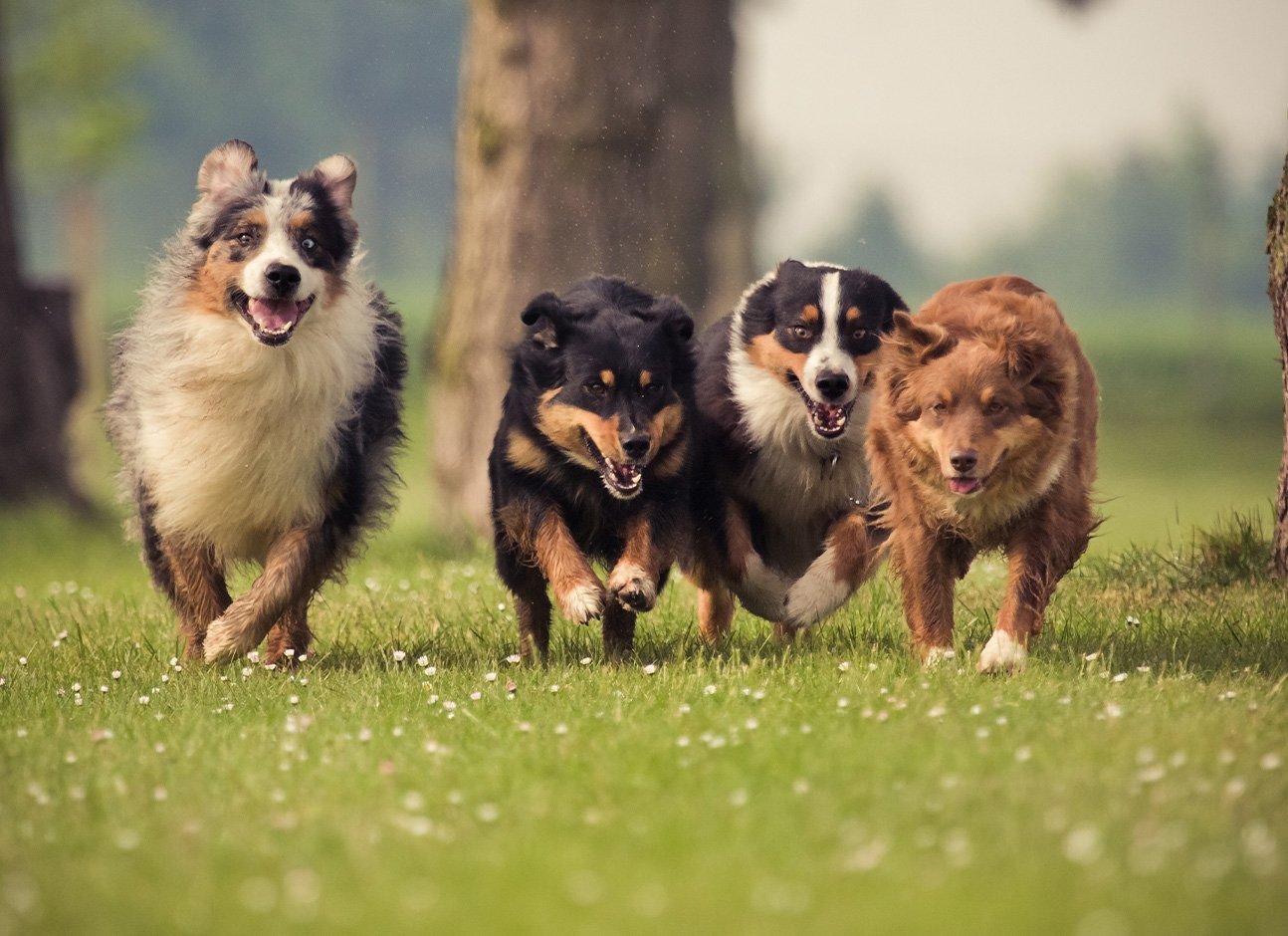
The primary means by which Dogs communicate is through non-verbal behaviors. Every movement of every body part (tail, ears, eyes, posture, facial expressions) provides information about a dog’s emotional state. By learning to read and recognize these cues, owners will have a greater understanding of their Dogs’ emotional states; thereby strengthening the owner-dog bond and reducing the likelihood of miscommunication resulting in fear or aggressive responses from their dog.
While it is best to consider all of a dog’s body signals when interpreting the emotional status of a dog, the overall posture and demeanor of a dog may provide more insight into the emotional status of the dog. Understanding canine body language is one aspect of responsible dog ownership and can contribute to enhanced safety and communication for both people and animals.
Why Understanding Body Language Matters
Canines utilize body language to express their feelings, such as joy, happiness, excitement, fear, stress, anxiety, curiosity, or discomfort. By recognizing and responding to these canine body signals before escalation, owners may reduce the risk of an unfortunate outcome such as being bitten or involved in an aggressive encounter with their dog.
Understanding canine body language can also:
- strengthen the trust between you and your dog
- identify early signs of fear or stress
- prevent bites or aggressive interactions
- enhance the effectiveness of training and socialization
- develop a closer relationship with your pet
Common Dog Body Language Signals
Tail Position and Movement
An owner can tell by a dog’s tail whether the dog is happy or if there is something wrong. Most owners will agree that a relaxed tail position that matches the dog’s normal breed-specific posture usually indicates comfort..
However, an extremely rapid wag of the tail does not necessarily mean the dog is ready to be petted. A stiff tail held straight up high can also give the impression that the dog is either confident or alert.
On the other hand, when a dog tucks its tail under it, it usually is afraid or anxious. The faster the tail wags, the higher it goes and the stiffer it becomes; the better we can understand what kind of mood a dog is in.
Ear Position
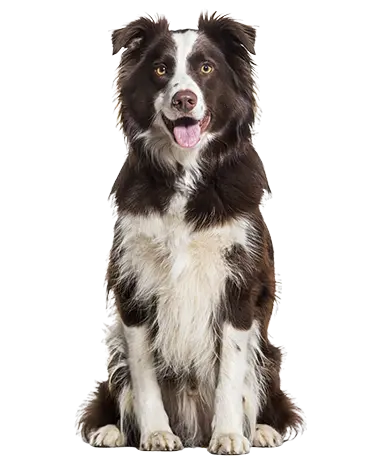
Dogs use their ears to help them show their moods. When a dog has its ears pointed forward they usually shows that they are curious about something. When the ears are hanging down and pointing out from the side, this usually shows that a dog is at ease (comfortable).
Again, because every breed has different-shaped ears, it would be wise for you to determine your dog’s “normal” way of holding its ears.
Eyes and Facial Expressions
Dogs have a lot of ways to express themselves with their faces. Most people know that if a dog’s face looks relaxed, then he probably feels relaxed too. Staring directly into another dog’s eyes with stiff legs may signify that the dog is challenging someone or feeling uncomfortable. If a dog avoids eye contact, it is probably either fearful or submissive. Some common expressions associated with emotional discomfort are:
- Dilation of pupils during fear or excitement.
- Blinking repeatedly as a form of communication to try to relax.
- Lip licking frequently with no sign of food around.
- Frequently yawning when stressed.
These expressions do not normally signify that the dog is tired or hungry.
Body Posture
It is one of the best ways to figure out how a dog is feeling based on its overall body language. A relaxed body generally indicates that a dog feels comfortable and confident. On the other hand, a tense body with a raised head and weight shifted forward could indicate some level of stress due to some type of threat.
Signs of a Happy and Relaxed Dog
A comfortable dog generally displays loose, natural movements and appears confident in its surroundings.
Common signs include:
- Relaxed body posture
- Soft eyes
- Natural tail wag
- Open mouth with relaxed lips
- Normal breathing
- Willingness to interact and play
Signs of Stress or Anxiety
Stress signals are often subtle and may appear before more obvious behavioral problems develop.
- Lip licking without food
- Excessive yawning
- Turning the head away
- Pacing
- Panting without exercise
- Trembling
- Avoiding interaction
- Lowered body posture
Signs of Fear or Aggression
Fearful dogs show physical reactions such as lowering their head, laying back their ears, averted eyes, lower posture (crouching), and tail tucked in between their legs. Dogs showing aggressive or defensive behavior may display signs such as stiff posture, intense staring, growling, raised hackles, and showing teeth.
These behaviors often indicate fear, discomfort, or a perceived threat. In many cases, a dog that exhibits aggressive behavior does so out of fear, pain, or being perceived as a threat by another animal.
Owners should never punish their dogs for displaying early warning signs of aggression; this type of punishment would increase the risk of their dog biting them and do nothing to eliminate the fear.
Using Body Language During Training
Training a dog with body language can help to create a better experience for both you and your dog, while also improving your effectiveness in training.
A dog that is relaxed and attentive will learn faster than a dog that is either nervous or overstimulated. Observe your dog for signs of anxiety, frustration, and exhaustion during training sessions. If your dog starts to look away from you, yawns excessively, or loses focus on what you’re saying or doing, then you need to take a short break. Rewarding your dog for remaining calm and focused builds confidence and creates a positive reinforcement environment for them to learn in.
Communication with Your Dog
Communication with your dog is two-way. In addition to reading your dog’s body language, you need to communicate clearly and consistently with your dog. Avoid yelling at your dog because loud voices can scare them. Also, do not move quickly around your dog because quick movements can cause them to become frightened. Finally, respect your dog’s personal space. If your dog is showing you that he does not want to be touched or petted, then respect their wishes and allow them to come to you.
Reviewed by
Dr. Nicoletta Nica
DVM, MRCVS
Dr. Nicoletta was born in Romania and studied veterinary medicine. After graduation Dr. Nicoletta worked for a small animal clinic.


What Is Laparoscopic Spaying?
The laparoscopic spay involves making 2 or 3 very small openings into the abdomen, rather than one big opening as...

Why are Dog Vaccinations Important?
Dogs can be vaccinated against many diseases by introducing a weakened or inactivated form of the disease into...

Why are Cat Vaccinations Important?
Protecting your cat's long term health through vaccination is one of the most critical components of...

What Is Veterinary Oncology?
Veterinary oncology at our clinic focuses on how we diagnose, treat, and manage cancer to improve outcomes and quality...

Pet Relocation
Moving to a new home with your pet involves more than packing boxes and booking travel. Because pets thrive on routine and familiar...

Why Is Routine Grooming Essential?
01
Promotes Skin and Coat Health When you don't brush regularly, dead hair, dirt and oil will accumulate...

What is Holistic Veterinary Care?
Holistic veterinary care is a total medical care system in which your veterinarian evaluates every aspect of your...

Advanced Dental Services
at Modern Vet
We offer full service dental care for dogs and cats, from preventive care to advanced surgery, to ensure...

What is Veterinary Neurology?
Veterinary neurology is a medical speciality concerned with diseases affecting the nervous system. Animals afflicted by...

What is a Wellness Exam?
A wellness exam is an all-inclusive examination of your pet's overall health and condition. A wellness exam is performed...

Why Does Your Pet Need Dermatology Care?
Many pet owners do not realize how significant it is to have their cat, dog, or other small animal receive...

Comprehensive Cat Health Services
Modern Vet offers comprehensive feline care through all phases of a cats life cycle, using advanced diagnostic...
Complete Pet Care for Dogs in Dubai The clinic has a wide variety of veterinary services that support canine health at all ages. Care is provided based...

Why is veterinary ophthalmology important?
Veterinary ophthalmology is concerned with diagnosing, treating and preventing disease in the eyes of...

Role of a Veterinary Cardiologist
A veterinary cardiologist is a veterinarian who has received advanced education and/or training in the diagnosis and...

Modern Rides Designed
for Pet Comfort
Modern Vet Dubai believes that pet transportation does not have to result in compromises. Many regular taxi...

Your Trusted Partner
in Your Pet’s Long Term Health The decision to have your pet spayed or neutered is one of the most responsible actions you can...

The Importance of Vaccination When your pet receives a vaccine, it trains their immune system to attack viruses and bacteria prior to them causing an...
A veterinary consultation is often the first and most important step in managing your pet’s health. When your dogs appear tired, your cats stop eating,...
For years, Modern Vet has been a trusted multi specialist veterinary provider for pet owners in Dubai. With the upgraded Modern Vet Mobile Clinic,...

Hydrotherapy for pets is one of the most rapidly adopted and effective rehabilitative techniques used today in veterinary medicine. The modality of...

Pet EmergencyCare in Dubai Pet emergencies are unpredictable and time sensitive. Immediate veterinary care is essential for issues like toxin ingestion,...

What Does Veterinary Orthopaedics Do? Orthopaedic veterinary care focuses on providing diagnosis, treatment, surgical correction and prevention of...

Why does Veterinary
Physiotherapy Matter?
There are many musculoskeletal, neurologic, and post surgical conditions that can have a significant...

You want the best for your pet’s health and longevity, but feeding them well-balanced meals can be difficult. The same principles apply to humans also...

The fastest-growing cities, including Dubai, need to prioritize pet welfare because their pet population exceeds available resources when not managed...

What Is Spaying & Neutering? Spaying and neutering are two common veterinary medical treatments which eliminate a dog's ability to reproduce....

What Is Spaying & Neutering?
Spaying or Neutering are two common medical procedures designed to limit the ability of cats to reproduce. Spaying is...