
 Updated: 04/05/2026
Why does a dog itch, lick or chew itself?
One of the most common causes of concern and a reason for dog owners to contact veterinarians is severe itching in their pet. Itching accompanies most skin diseases in animals, so before taking any action, a pet owner should immediately seek professional help from a veterinarian at Modern Vet Clinic.
 Updated: 01/05/2026
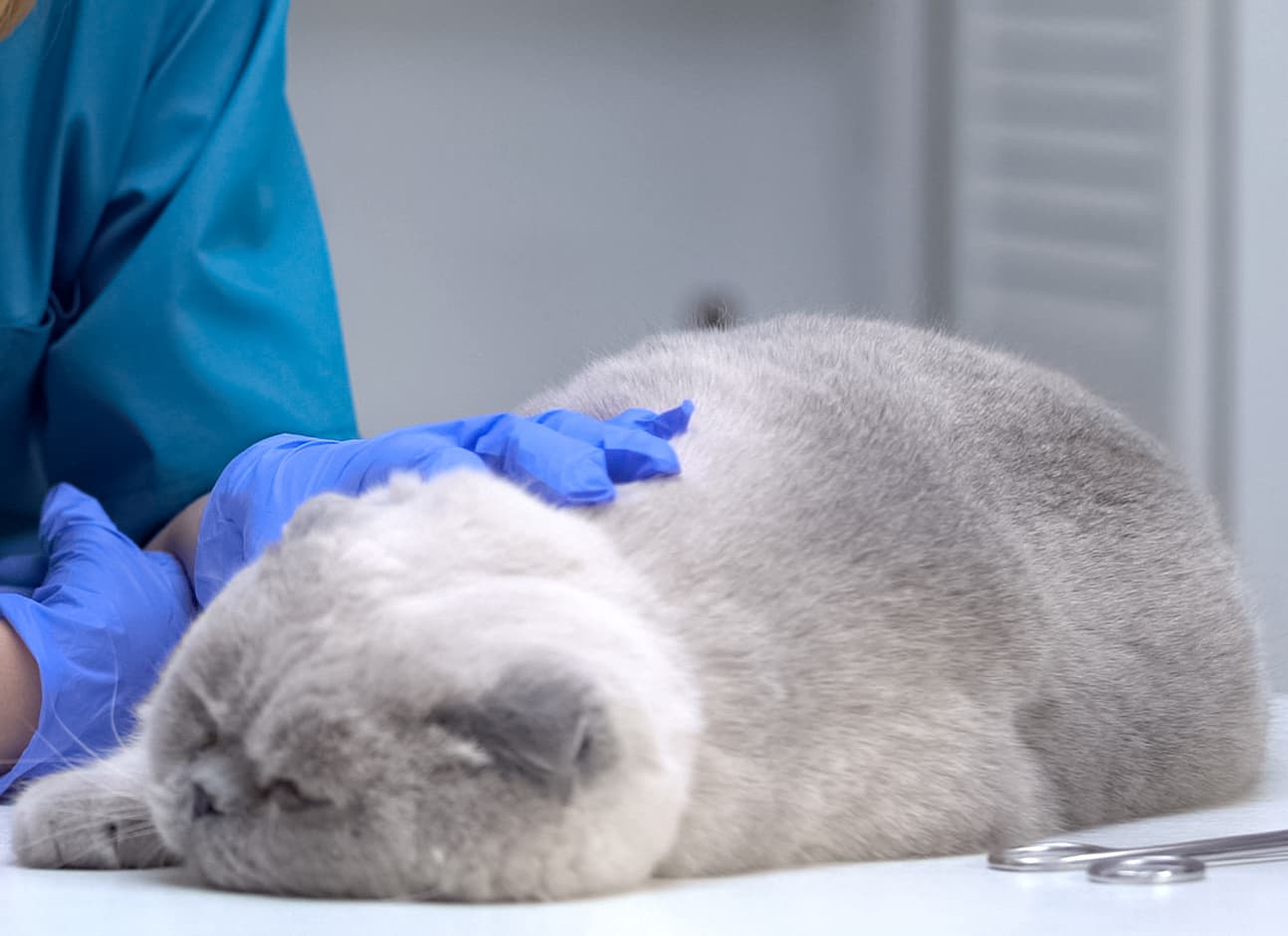
HYPERTHYROIDISM IN CATS
Hyperthyroidism, also known as thyrotoxicosis, is caused by an increase in thyroid hormone synthesis (known as T3 and T4) from an enlarged thyroid gland in a cat’s neck. The most common cause of thyroid gland enlargement is an adenoma, which is a non-cancerous growth.
 Updated: 04/05/2026
TRACHEAL COLLAPSE IN DOGS
In canine tracheal collapse, the cartilage rings around the windpipe become weak and slag, making it difficult for air to pass into the lungs.
 Updated: 04/05/2026
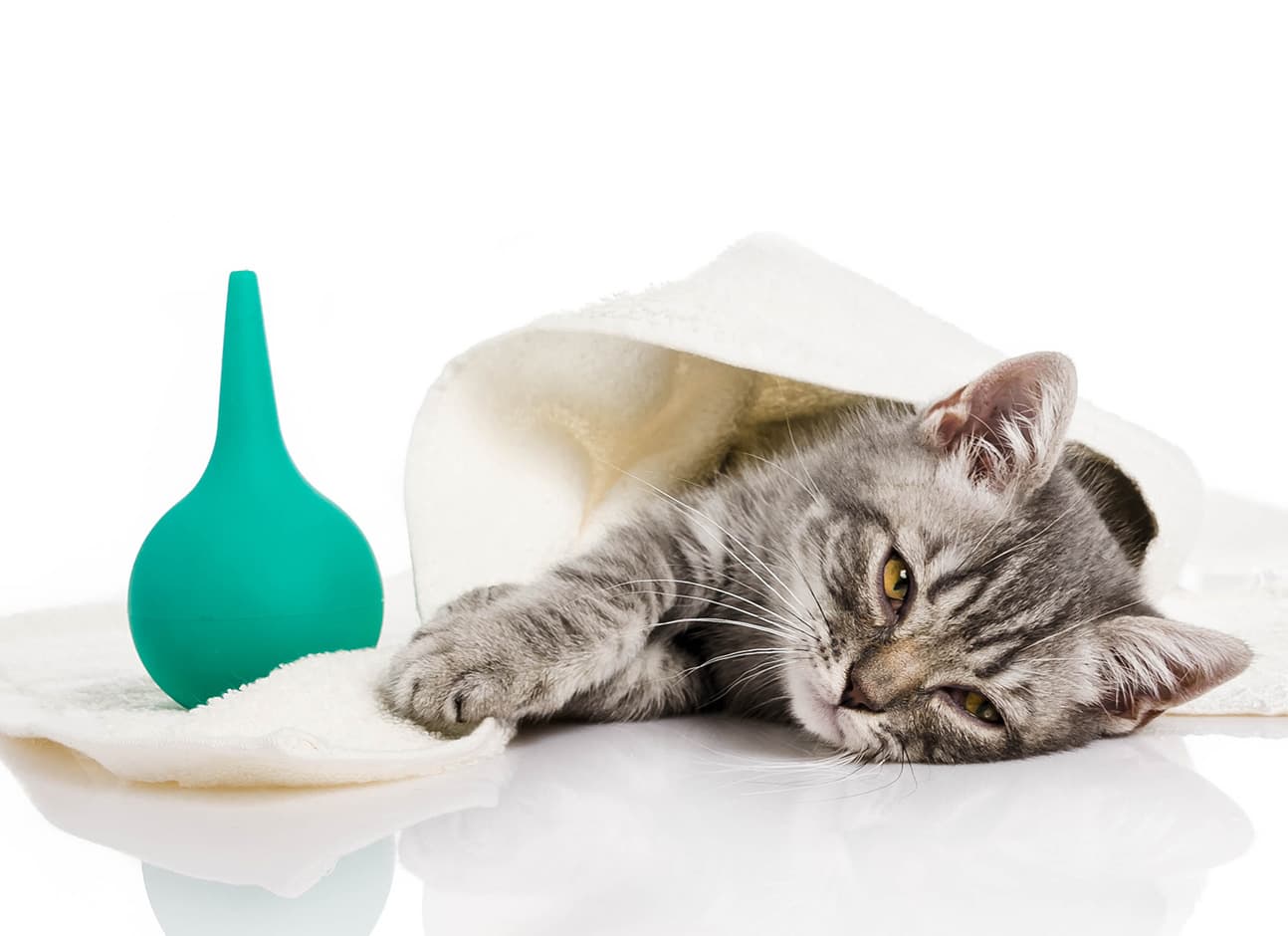
VOMITING IN CATS
Vomiting is a common problem among cats. However, it is not normal and has a number of causes. Cats may also regurgitate as a result of eating too much or too fast.
 Updated: 04/05/2026
Seizures in dogs
Seizures can be a very terrifying prospect for pet owners especially since they are a common neurological problem in dogs. There are a few things that you can do to control the situation and help your dog.
 Updated: 04/05/2026
What to Give a Cat for Vomiting: First Aid for Your Pet
How to help a cat with vomiting at home and whether it can be done? Let’s examine the reasons and how to provide first aid.
 Updated: 04/05/2026
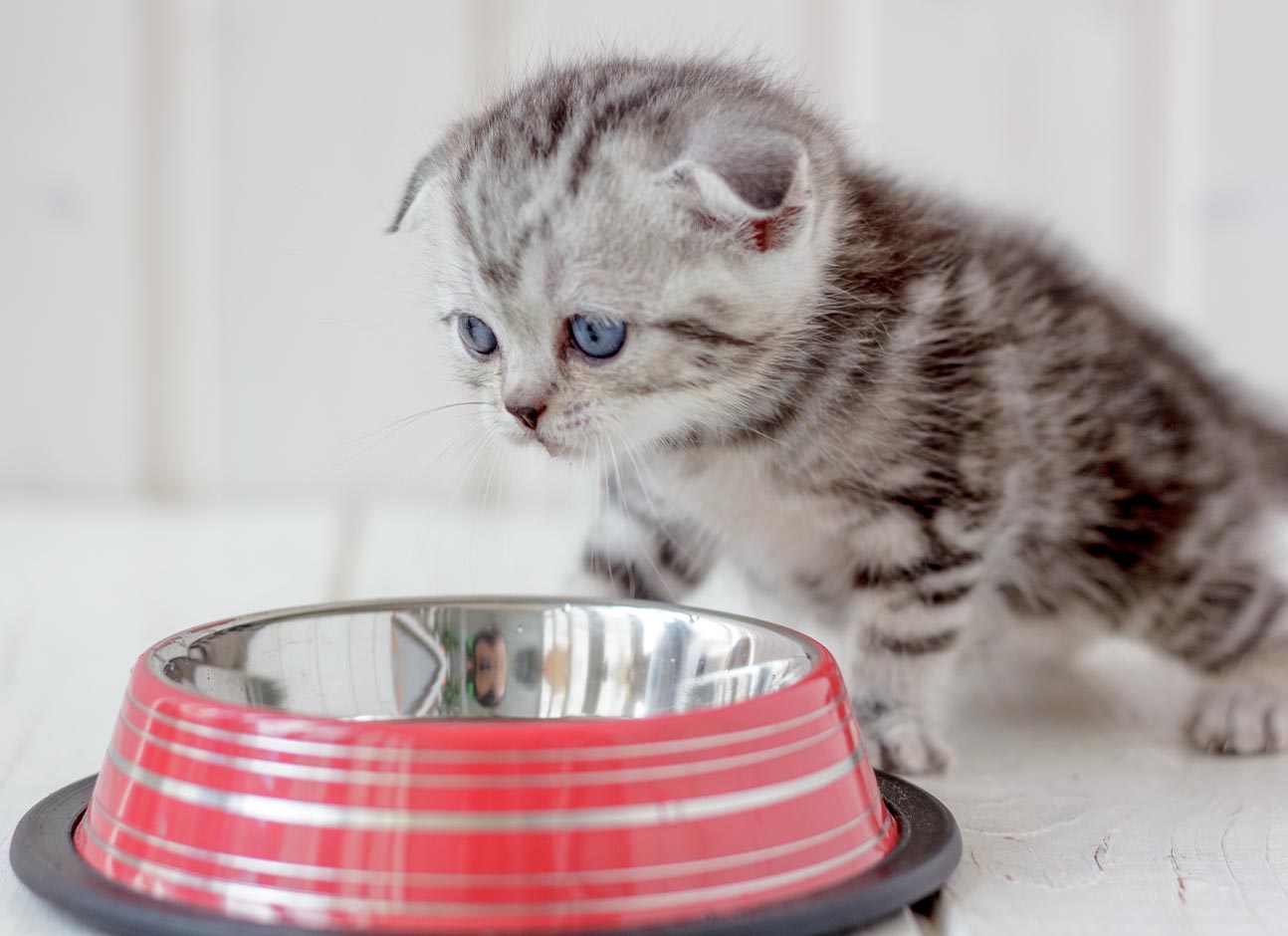
What to Do if Your Cat Doesn’t Eat for a Few Days
Decreased appetite or a complete refusal to eat will not always be a symptom of the disease. There could be many reasons for this, and every owner should be aware of them.
 Updated: 04/05/2026
Urinary Incontinence in Dogs: Causes, Treatment, and Prevention
Urinary incontinence is a common issue in dogs, characterized by the uncontrollable release of urine regardless of activities. It is crucial not to attempt self-treatment but to consult a vet.
 Updated: 05/05/2026
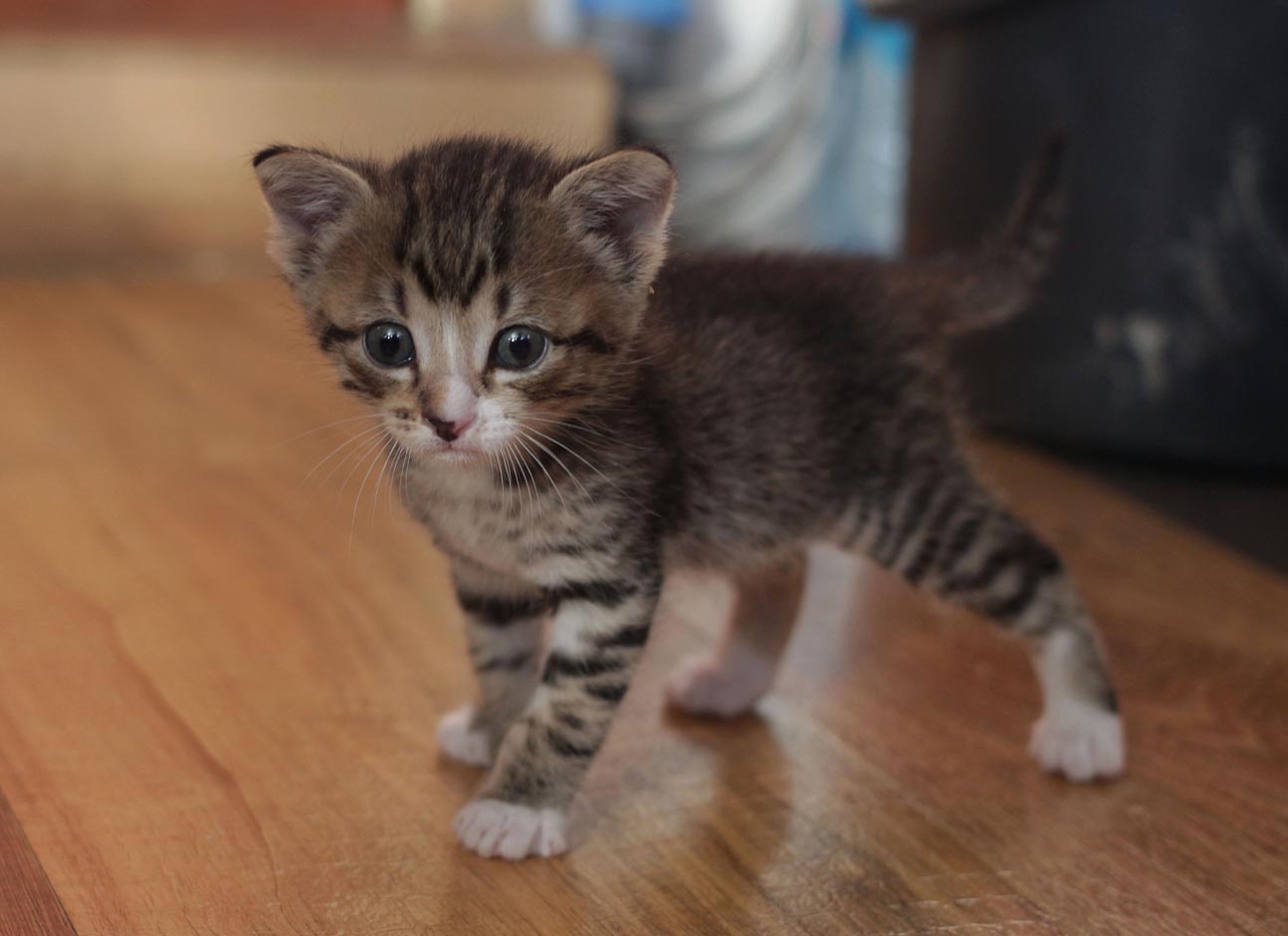
Worms in Cats: Types, Symptoms, Diagnosis, and Treatment
Helminth infections can occur even if a cat never leaves the house. Without treatment, these infections can lead to severe consequences or even death.
 Updated: 04/05/2026
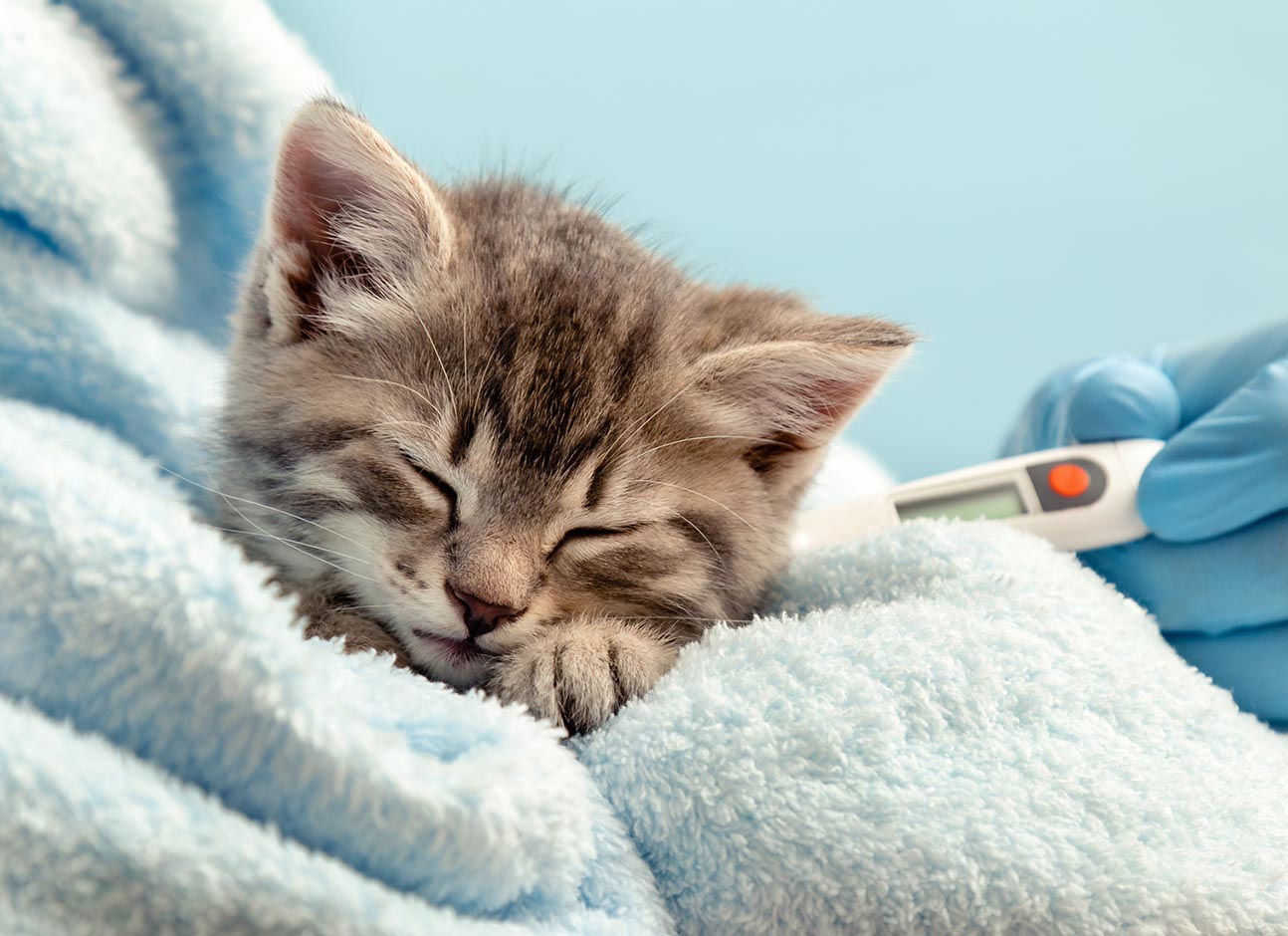
Runny Nose in Cats: Causes, Symptoms, and Treatment
Rhinitis, or inflammation of the nasal mucosa, can affect cats and their sensitive sense of smell. Inflammation may cause their narrow nasal passages to become blocked, leading to mouth breathing.
 Updated: 26/11/2025
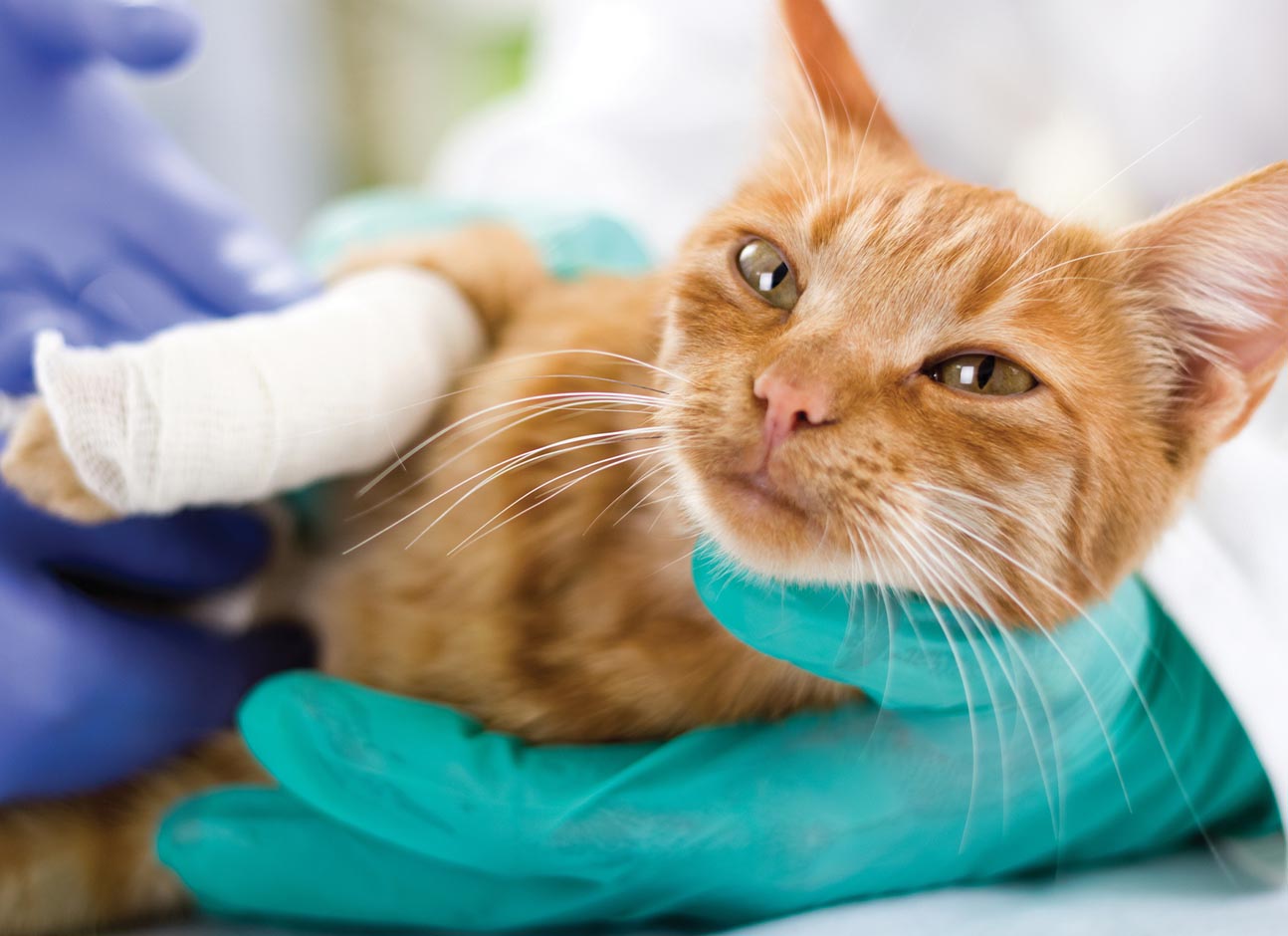
Ascites in Cats: Causes, Symptoms, and Treatment
Ascites are abnormal formations and accumulation of fluid in the abdomen. The amount of fluid depends on the degree of abdominal swelling. The condition is caused by fluid from the lymphatic and circulatory systems, as well as from internal organs, leaking into the peritoneum for various serious reasons.
 Updated: 05/05/2026
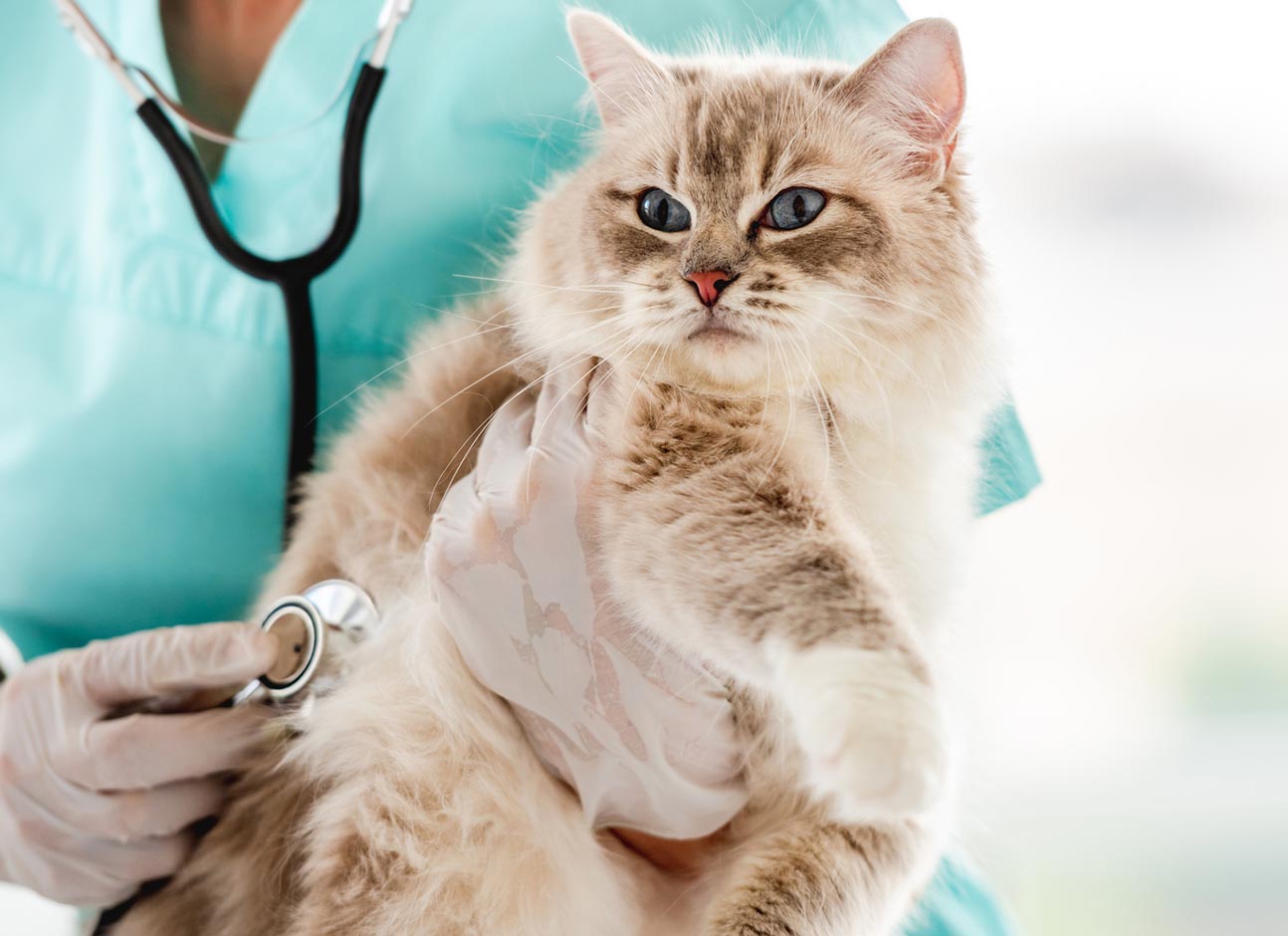
White Discharge in Cats – Types, Causes
If you notice a white discharge from your cat, do not panic. In most cases, vaginal discharge is a physiological process. If the discharge is white, odorless, and without any inclusions, it likely indicates that the cat is ready to mate.