
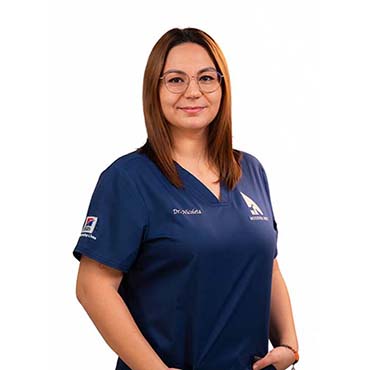
Reviewed by Dr. Nicoletta Nica
Updated on 21/07/2026
Reading time 4 min.
Overview
Severity: Low
Life stage: All
As dogs get older, both their physical and emotional requirements will change. Even though your senior dog may not run as fast, jump as high, or play as long as it once could, it can still live a happy and healthy life with adequate care. Aging is a part of every living being’s life cycle; however, by learning what you need to do to support your senior dog, you can help them remain healthy and continue to experience a good quality of life.
Older dogs typically need extra care because they are at a greater risk of developing various age-related diseases, including arthritis, dental disease, eye problems, kidney disease, and cardiovascular (heart) disease. Owners can ensure their senior dogs remain active and content through appropriate nutrition, regular vet care, proper levels of daily exercise, and a comfortable environment. There are five key ways you can take care of your senior dog.
1. Schedule Regular Veterinary Checkups
Regular veterinary care is a key part of keeping your senior dog healthy. As dogs get older, they often have hidden problems that will require some form of treatment. If you take your dog to a regular vet visit, it allows them to see if there is anything wrong with your pet (and correct it) so that when the problem gets bad enough and more difficult to treat. At each senior wellness exam, the veterinarian evaluates the general condition of your dog, including their body weight, joints, teeth, heart, and overall condition.
In addition to a physical examination, blood work and urinalysis may be performed on your dog during the wellness exams. These diagnostic tests help the veterinarian assess how well your dog’s organs are functioning and whether any diseases, such as kidney disease, diabetes, or others, have developed internally.
2. Provide a Balanced and Nutritious Diet
A good quality diet is important for assisting your mature dog’s evolving nutritional needs. Metabolism in older dogs can be slower than that of younger dogs. In addition, many older dogs will need less energy (calories) than do younger dogs. Over-feeding an older dog could cause them to become overweight. Being overweight puts additional stress on a dog’s joints. An overweight dog may also experience decreased mobility.
Older dog diets are formulated to meet your dog’s nutritional requirements and promote healthy aging. Senior dog foods typically include adequate amounts of high-quality protein, essential fatty acids, antioxidants, and other ingredients that help maintain joint health.
Additionally, some older dogs may have special dietary requirements due to existing health-related concerns. For example, if your older dog has kidney disease, congestive heart failure, etc., you should consult your veterinarian about a suitable diet for your pet. It is recommended that when introducing new foods to your dog, you do this slowly so that it does not upset your dog’s stomach. Excessive treats could add to unhealthy weight gain in your older dog.
3. Keep Your Senior Dog Active With Gentle Exercise
Although senior dogs may slow down with age, they still need to stay physically active. Regular physical activity helps maintain muscle strength in your dog; it helps support joint movement by helping keep joints flexible (reducing stiffness); prevents obesity; and provides mental stimulation.
The type and amount of exercise needed for a senior dog should be determined by the dog’s breed, health conditions, and age. Walking, playing gently, and swimming are often good options because these activities provide physical activity without placing excessive stress on the joints.
If arthritis or mobility issues exist in your dog, instead of long walks, consider providing several shorter walks throughout the day. Never engage your dog in an activity that causes pain or exhaustion. Allow your dog plenty of rest time after each activity.
4. Create a Safe and Comfortable Home Environment
Senior dogs typically experience changes to their environment as they age, which can assist with common everyday tasks. Arthritis, loss of eyesight, and loss of coordination are all factors that will increase the difficulty for senior dogs in movement.
Senior dogs need a supportive orthopedic bed designed to support their joints and allow proper resting. The sleeping area needs to be warm, quiet, draft free.
Older dogs may have trouble walking on slippery surfaces because they may have arthritic hips or legs. Placing rugs or non-slip mats down on slick floor surfaces will greatly aid in providing a stable surface for your senior dog to walk on, while reducing the chance of your dog falling.
Use easy-access feeding and watering dishes and do not place critical objects at locations requiring a climb up stairs or a jump over an obstacle. Ramps may be used if your dog has difficulty going up the stairs or entering the vehicle. A well laid out space provides your senior dog with independence and lessens unnecessary stress.
5. Maintain Dental Care and Regular Grooming
Dental health becomes a greater priority in the aging process for all dogs. Tartar buildup, gum disease, and tooth infection are common issues that many seniors experience. They can lead to discomfort while eating, pain, and negatively impact general health.
Veterinarians recommend regularly brushing your dog’s teeth, along with giving them dental chews and having their teeth professionally cleaned.
In addition to providing for their dental health, grooming is an essential component of caring for a senior dog. As dogs age, they often find it difficult to groom themselves, and therefore their skin and coat will change. Brushing helps to remove dead hair, reduces matting, and enables you to visually inspect for any lumps, redness on the skin, etc.
Check the ear area, nail area, paw pads, and skin during every grooming session. The earlier an abnormality is detected, the less likely it is to become a serious problem.
Conclusion
It takes additional time, effort, and compassion to properly care for a senior dog. Although there will be some differences due to the aging process, if given proper care through nutrition, gentle exercise, a comfortable living environment, and regular grooming, your dog can live out his golden years comfortably and happily.
Older dogs still bring companionship, loyalty, and love into the lives of their owners. With adjustments to meet their changing needs, owners can significantly enhance the quality of life of their beloved pet.
Reviewed by
Dr. Nicoletta Nica
DVM, MRCVS
Dr. Nicoletta was born in Romania and studied veterinary medicine. After graduation Dr. Nicoletta worked for a small animal clinic.


What Is Laparoscopic Spaying?
The laparoscopic spay involves making 2 or 3 very small openings into the abdomen, rather than one big opening as...

Why are Dog Vaccinations Important?
Dogs can be vaccinated against many diseases by introducing a weakened or inactivated form of the disease into...

Why are Cat Vaccinations Important?
Protecting your cat's long term health through vaccination is one of the most critical components of...

What Is Veterinary Oncology?
Veterinary oncology at our clinic focuses on how we diagnose, treat, and manage cancer to improve outcomes and quality...

Pet Relocation
Moving to a new home with your pet involves more than packing boxes and booking travel. Because pets thrive on routine and familiar...

Why Is Routine Grooming Essential?
01
Promotes Skin and Coat Health When you don't brush regularly, dead hair, dirt and oil will accumulate...

What is Holistic Veterinary Care?
Holistic veterinary care is a total medical care system in which your veterinarian evaluates every aspect of your...

Advanced Dental Services
at Modern Vet
We offer full service dental care for dogs and cats, from preventive care to advanced surgery, to ensure...

What is Veterinary Neurology?
Veterinary neurology is a medical speciality concerned with diseases affecting the nervous system. Animals afflicted by...

What is a Wellness Exam?
A wellness exam is an all-inclusive examination of your pet's overall health and condition. A wellness exam is performed...

Why Does Your Pet Need Dermatology Care?
Many pet owners do not realize how significant it is to have their cat, dog, or other small animal receive...

Comprehensive Cat Health Services
Modern Vet offers comprehensive feline care through all phases of a cats life cycle, using advanced diagnostic...

Complete Pet Care for Dogs in Dubai The clinic has a wide variety of veterinary services that support canine health at all ages. Care is provided based...

Why is veterinary ophthalmology important?
Veterinary ophthalmology is concerned with diagnosing, treating and preventing disease in the eyes of...

Role of a Veterinary Cardiologist
A veterinary cardiologist is a veterinarian who has received advanced education and/or training in the diagnosis and...

Modern Rides Designed
for Pet Comfort
Modern Vet Dubai believes that pet transportation does not have to result in compromises. Many regular taxi...

Your Trusted Partner
in Your Pet’s Long Term Health The decision to have your pet spayed or neutered is one of the most responsible actions you can...

The Importance of Vaccination When your pet receives a vaccine, it trains their immune system to attack viruses and bacteria prior to them causing an...
A veterinary consultation is often the first and most important step in managing your pet’s health. When your dogs appear tired, your cats stop eating,...
For years, Modern Vet has been a trusted multi specialist veterinary provider for pet owners in Dubai. With the upgraded Modern Vet Mobile Clinic,...

Hydrotherapy for pets is one of the most rapidly adopted and effective rehabilitative techniques used today in veterinary medicine. The modality of...

Pet EmergencyCare in Dubai Pet emergencies are unpredictable and time sensitive. Immediate veterinary care is essential for issues like toxin ingestion,...

What Does Veterinary Orthopaedics Do? Orthopaedic veterinary care focuses on providing diagnosis, treatment, surgical correction and prevention of...

Why does Veterinary
Physiotherapy Matter?
There are many musculoskeletal, neurologic, and post surgical conditions that can have a significant...

You want the best for your pet’s health and longevity, but feeding them well-balanced meals can be difficult. The same principles apply to humans also...

The fastest-growing cities, including Dubai, need to prioritize pet welfare because their pet population exceeds available resources when not managed...

What Is Spaying & Neutering? Spaying and neutering are two common veterinary medical treatments which eliminate a dog's ability to reproduce....

What Is Spaying & Neutering?
Spaying or Neutering are two common medical procedures designed to limit the ability of cats to reproduce. Spaying is...