

Reviewed by Dr. Kirill Hammoud
Updated on 09/12/2025
Reading time 4 min.
Overview
Severity: Low
Life stage: All
Wounds are one of the most common reasons cats are brought to the vet. They can range from minor scratches to deep lacerations or abscesses caused by bites. In Dubai, cats may be more likely to sustain injuries from territorial disputes, particularly if they have outdoor access, or from household hazards such as sharp furniture edges or balcony falls.
Proper veterinary assessment and cleaning are essential. Even small injuries can become infected quickly in hot climates, so timely care is essential. With the right veterinary treatment, most wounds heal well. Untreated injuries can cause abscesses, pain, or serious complications. If you notice a wound on your cat, contact a vet as soon as possible.
Why do we clean wounds on cats?
Wound cleaning is vital to support healing and prevent infection.
- Reducing contamination from bacteria and debris
- Removing foreign material or dead tissue
- Creating the best conditions for healing, whether the wound is stitched or left open
Some wounds will be sutured (stitched) to speed up healing, while others are left open due to their location, size, or risk of contamination.
How are wounds cleaned in cats?
Cuts, lacerations, and bite wounds
- Sterile lubricant is applied to protect the wound during hair clipping.
- Surrounding fur is shaved for better visibility and hygiene.
- Initial flushing removes dirt and debris.
- Dead tissue and foreign material are removed.
- Thorough wound flushing with sterile saline, or diluted antiseptics (chlorhexidine, or povidone-iodine).
- Sutures are placed if required and appropriate.
- A protective covering or bandage is applied, where appropriate, particularly for open wounds.
Abscesses
- The abscess is lanced and pus is drained.
- The wound is flushed thoroughly.
- A temporary drain may be placed to prevent reaccumulation of fluid and allow healing.
How to look after your cat until seeing a vet
- Keep the wound clean and dry until assessed by a vet
- Prevent your cat from licking or scratching the wound
- Apply gentle pressure if the wound is bleeding
- Avoid home bandaging, which can worsen the injury if too tight, loose or slipping
- If sedation or anaesthesia is required, you may need to fast your cat overnight beforehand
Why your cat may need sedation or general anaesthetic
Many wounds, particularly those requiring sutures, need sedation or general anaesthesia:
- Reduces stress and anxiety for your cat
- Allows the vet to thoroughly clean the wound
- Essential for surgery, such as removing dead or contaminated tissue and stitching wounds
- For ongoing pain relief during the procedure
Cost of wound cleaning in Dubai
Costs vary depending on wound severity and clinic type. A rough guide:
- Minor superficial wounds (no surgery): approx. AED 200–700
- Wounds requiring sedation/anaesthetic with stitches: from AED 800 upwards, depending on the severity of the wound and the complexity of the repair
- Advanced surgery (in-dwelling drains, skin grafts, tissue flaps): costs are specific to the procedure for the individual feline patient
Additional considerations:
- Repeated bandage changes, possibly needing sedation
- Prescribed medications: antibiotics, painkillers
- Imaging (x-rays/ultrasound): if internal injury/foreign body is suspected
- Swabs for bacterial culture: where infection is present, to aid effective antibiotic selection
Is wound cleaning safe for cats?
Wound cleaning is generally safe. Vets minimise risks through careful monitoring and professional care. Potential risks include:
- Minor bleeding: removing a scab or clot; minimised by a gentle approach
- Infection or wound breakdown: a risk with heavily contaminated wounds, ‘old’ injuries and certain locations (near paws, tail tips, and over-bendy locations like joints)
- Rarely, anaesthesia-related complications
Dubai-specific considerations:
- Higher infection risks from heat, humidity, and environmental bacteria
- Sand and dust exposure demands heightened precaution
- Harsh climate conditions can accelerate wound deterioration
How to help your cat after wound cleaning
The hot, humid environment in Dubai favours the rapid growth of bacteria, making effective wound care all the more essential to prevent infection and complications.
- Follow your vet’s aftercare instructions carefully.
- Keep wounds and dressings clean and dry.
- Check the wound daily for swelling, discharge, or redness.
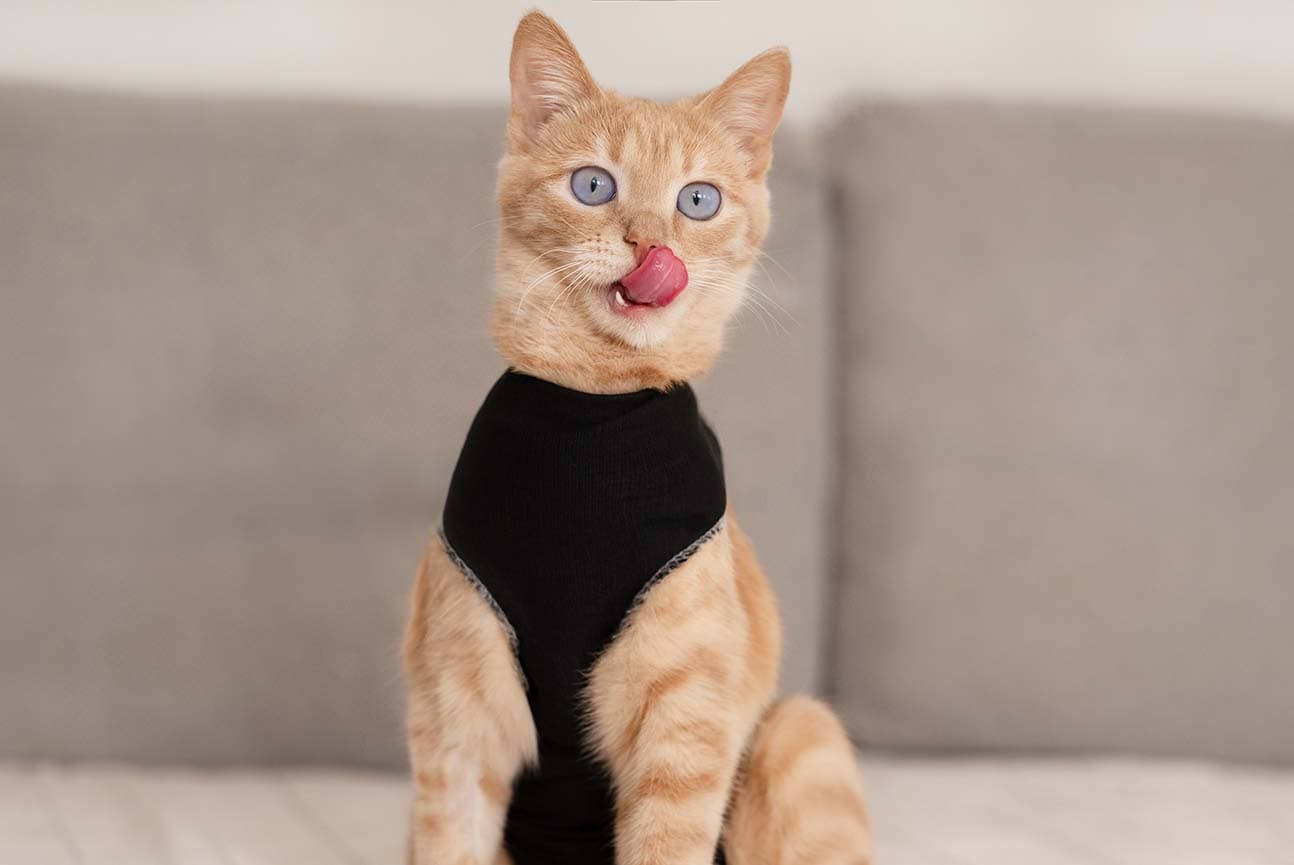
- Prevent licking with a buster (cone) collar or pet medical suit.
- Limit exercise and keep your cat indoors until the wound has healed.
- Administer all prescribed medications at the correct time and dose.
- Only use topical treatments recommended by your vet.
When to worry about wounds in cats
Seek urgent veterinary care if:
- The wound is deep or large
- Bleeding can’t be controlled
- Signs of infection develop, such as pus, redness, swelling, or a bad smell
- Your cat appears to be in pain or unwell
For smaller injuries or if you are unsure, contact your vet for guidance.
Concerned about your cat’s wound or injury? Book a check-up or emergency appointment today at Modern Vet Hospital in Dubai. Our experienced veterinary team provides expert wound assessment, cleaning, and treatment, along with follow-up care to support healing. Whether it’s a minor cut, abscess, or more serious injury, Modern Vet Hospital is here as your trusted clinic in Dubai for compassionate, comprehensive feline care.
Share this, choose your platform!
Reviewed by
Dr. Kirill Hammoud
DVM
Dr. Kirill was born in Belarus, that same year he and his family relocated to Lebanon. It was here that Dr. Kirill was raised and lived most of his formative years. He was brought up around animals and had many pets growing up, which he believes to be the reason behind his intense compassion and love for animals and his deep rooted drive to help them live better quality lives.


What Is Laparoscopic Spaying?
The laparoscopic spay involves making 2 or 3 very small openings into the abdomen, rather than one big opening as...

Why are Dog Vaccinations Important?
Dogs can be vaccinated against many diseases by introducing a weakened or inactivated form of the disease into...

Why are Cat Vaccinations Important?
Protecting your cat's long term health through vaccination is one of the most critical components of...

What Is Veterinary Oncology?
Veterinary oncology at our clinic focuses on how we diagnose, treat, and manage cancer to improve outcomes and quality...

Pet Relocation
Moving to a new home with your pet involves more than packing boxes and booking travel. Because pets thrive on routine and familiar...

Why Is Routine Grooming Essential?
01
Promotes Skin and Coat Health When you don't brush regularly, dead hair, dirt and oil will accumulate...

What is Holistic Veterinary Care?
Holistic veterinary care is a total medical care system in which your veterinarian evaluates every aspect of your...

Advanced Dental Services
at Modern Vet
We offer full service dental care for dogs and cats, from preventive care to advanced surgery, to ensure your...

What is Veterinary Neurology?
Veterinary neurology is a medical speciality concerned with diseases affecting the nervous system. Animals afflicted by...

What is a Wellness Exam?
A wellness exam is an all-inclusive examination of your pet's overall health and condition. A wellness exam is performed...

Why Does Your Pet Need Dermatology Care?
Many pet owners do not realize how significant it is to have their cat, dog, or other small animal receive...

Comprehensive Cat Health Services
Modern Vet offers comprehensive feline care through all phases of a cats life cycle, using advanced diagnostic...

Complete Pet Care for Dogs in Dubai The clinic has a wide variety of veterinary services that support canine health at all ages. Care is provided based...

Why is veterinary ophthalmology important?
Veterinary ophthalmology is concerned with diagnosing, treating and preventing disease in the eyes of...

Role of a Veterinary Cardiologist
A veterinary cardiologist is a veterinarian who has received advanced education and/or training in the diagnosis and...

Modern Rides Designed
for Pet Comfort
Modern Vet Dubai believes that pet transportation does not have to result in compromises. Many regular taxi...

Your Trusted Partner
in Your Pet’s Long Term Health The decision to have your pet spayed or neutered is one of the most responsible actions you can...

The Importance of Vaccination When your pet receives a vaccine, it trains their immune system to attack viruses and bacteria prior to them causing an...

A veterinary consultation is often the first and most important step in managing your pet’s health. When your dogs appear tired, your cats stop eating,...

For years, Modern Vet has been a trusted multi specialist veterinary provider for pet owners in Dubai. With the upgraded Modern Vet Mobile Clinic,...

Hydrotherapy for pets is one of the most rapidly adopted and effective rehabilitative techniques used today in veterinary medicine. The modality of...

Save our number now so you are prepared if the worst happens.
24-Hour Emergency Hotline: 800-82
Address: Umm Suqeim, Al Wasl Road, Villa #793,...

At Modern Veterinary Hospital, we know that being able to move comfortably is critical to your furry friends’ overall happiness and well-being....

Pet physiotherapy is an important and growing aspect of veterinary medicine, addressing recovery from injury, surgery, chronic conditions or poor...

You want the best for your pet’s health and longevity, but feeding them well-balanced meals can be difficult. The same principles apply to humans also...

The fastest-growing cities, including Dubai, need to prioritize pet welfare because their pet population exceeds available resources when not managed...

At ModernVet, we are committed wholeheartedly to improving the wellbeing of your faithful canines with our state-of-the-art dog spay and neuter services....

ModernVet offers professional cat spaying and neutering services that deliver top-level care to feline pets. The procedures form an essential part of...





 Chat
Chat


