

Reviewed by Dr. Nicoletta Nica
Updated on 24/06/2026
Reading time 4 min.
Overview
Severity: Low
Life stage: All
Canine pancreatitis occurs when there is inflammation in a dog’s pancreas which results in pain and interruption of normal digestion processes. A canine pancreas has two primary roles. It produces digestive enzymes that will assist in the breakdown of consumed foods.
Additionally, the pancreas produces hormones that will regulate the levels of glucose within the bloodstream. When a pancreas is inflamed, its own digestive enzymes will be activated prematurely, resulting in damage to the pancreas as well.
There are acute forms of pancreatitis and chronic forms. The acute form develops quickly and generally requires immediate veterinary treatment. The chronic form develops gradually and will result in long-term digestive disorders if the chronic disorder is not effectively managed.
Causes
Pancreatitis can have multiple causes and sometimes there isn’t an identifiable reason. A diet that contains too much fat, especially if eaten all at once, will often trigger pancreatitis.
Fried food, table scraps, etc., can cause this. Being obese can increase the chance of developing pancreatitis. Dogs that scavenge for food or eat anything they shouldn’t could develop pancreatitis.
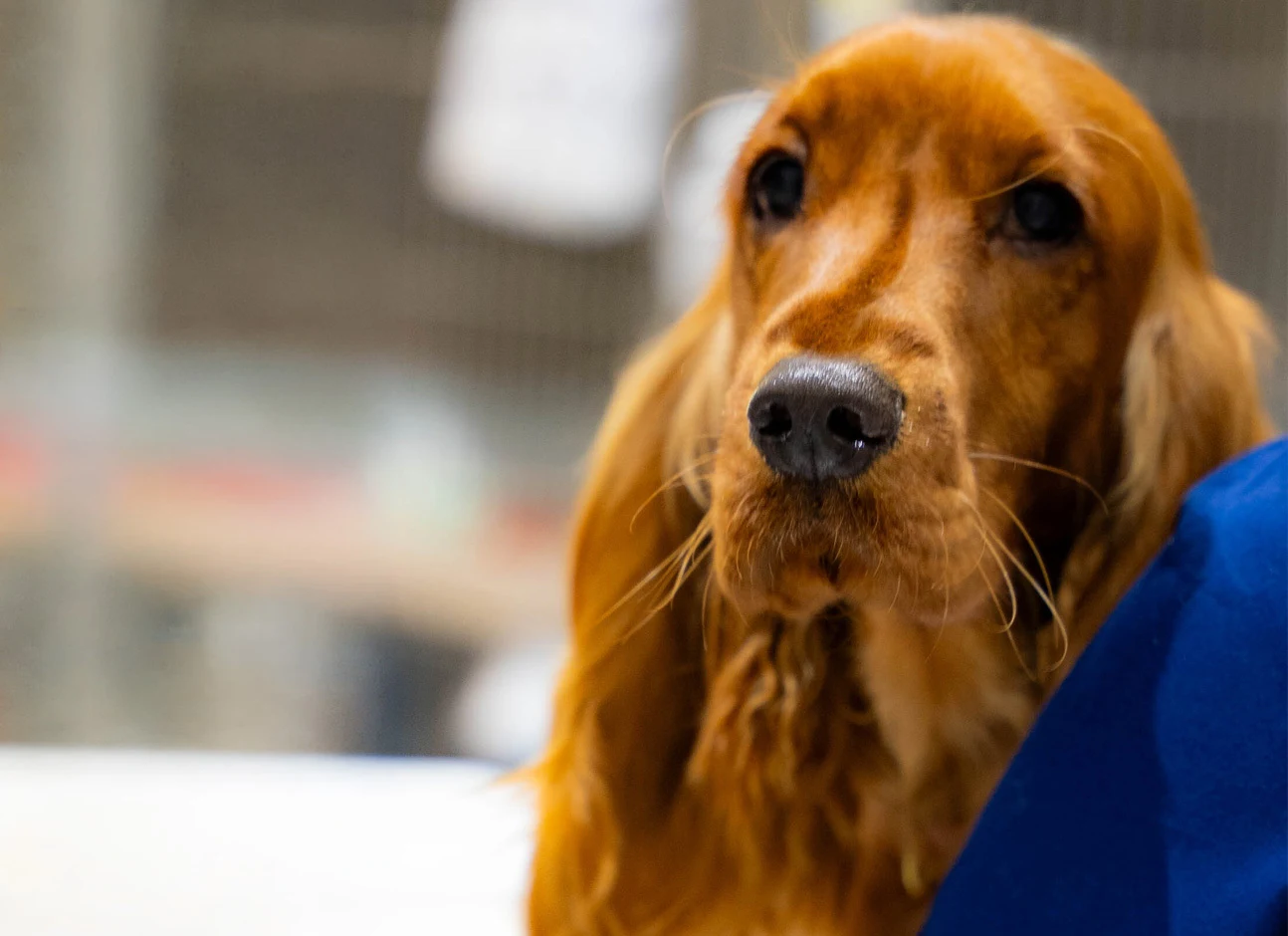
Other factors that could play a role include certain medications, hormonal disorders (such as Cushing’s) and metabolic disorders. Certain breeds appear to have a higher risk of developing pancreatitis, including Miniature Schnauzers, Yorkshire Terriers, Cocker Spaniels and some other small breed dogs.
Symptoms
The signs of pancreatitis are usually based on the level of severity and will frequently start immediately in an acute case.
Some common signs that develop quickly include:
- Vomiting repeatedly
- Lack of appetite
- Pain in the abdomen
- Lethargy
- Diarrhea or soft stools
- Dehydration
- Fevers occur in some cases
- Reluctance to move or touch around the abdominal area
In chronic cases, the signs may be less severe but recurring and may include occasional vomiting and loss of appetite.
Risks
If left untreated, pancreatitis is a potentially serious/life threatening disease.
If the inflammatory process spreads past the pancreas, it can cause problems with nearby organs such as the liver, intestines and abdominal cavity. In extreme cases, this could result in systemic inflammation, dehydration and shock.
Recurrent or chronic pancreatitis can cause permanent pancreatic damage, potentially leading to digestive insufficiency (exocrine pancreatic insufficiency) or diabetes mellitus due to impaired insulin production.
Diagnosis
Veterinarians use clinical signs along with diagnostic testing, such as blood work and radiographic images to identify whether your dog has pancreatitis.
Blood work is frequently employed to determine enzyme levels from the pancreas and to find evidence of inflammation. An example of this would be a test called canine pancreatic lipase immunoreactivity (cPLI) which provides an even more accurate result.
Abdominal ultrasound is commonly used to evaluate the pancreas and surrounding tissues. CT scans are less commonly performed and are generally reserved for selected cases. Depending on the results of these initial evaluations, there may need to be further testing to confirm that pancreatitis was the sole contributing factor to your dog’s symptoms.
Treatment
Depending on how severe the pancreatitis is, treatment will vary; however, the primary objectives include stabilizing your dog, reducing inflammation and controlling pain.
Hospital and Supportive Care
In addition to supportive care at home, many dogs with severe pancreatitis will require hospitalization so that IV fluids can be given to replenish lost fluids and maintain electrolytes.
Also, during their hospital stay, anti-nausea medication and pain medication will likely be prescribed to help alleviate your dog’s discomfort and vomiting.
Dietary Management
Current treatment approaches often encourage early nutritional support once vomiting is controlled, as prolonged fasting is no longer routinely recommended in many cases.
Once vomiting has been controlled, a gradual introduction to a low-fat, easily digestible diet will begin in small, frequent feedings. The long term goal of dietary restriction is to prevent future episodes of pancreatitis.
Medications
Managing pain is a large component of treating this disease, as the discomfort associated with pancreatitis can be extreme.
If there is evidence of a secondary infection, antibiotics may be used, not all infections require antibiotic treatment.
Prevention
Most people agree that reducing your dog’s risk of developing pancreatitis begins with their dietary and lifestyle habits. Dogs should never be fed table scraps or fatty foods; they should also avoid sudden diet changes.
By keeping your dog at an ideal weight, you will help to lower the strain on its pancreas and decrease your overall risks. Dogs who have experienced pancreatitis should be placed on a lifetime feeding plan that consists of a low fat diet.
In addition to a low fat diet, regular veterinary visits are essential in monitoring your dog’s health and identifying any underlying conditions which could elevate your dog’s risk.
Reviewed by
Dr. Nicoletta Nica
DVM, MRCVS
Dr. Nicoletta was born in Romania and studied veterinary medicine. After graduation Dr. Nicoletta worked for a small animal clinic.



What Is Laparoscopic Spaying?
The laparoscopic spay involves making 2 or 3 very small openings into the abdomen, rather than one big opening as...

Why are Dog Vaccinations Important?
Dogs can be vaccinated against many diseases by introducing a weakened or inactivated form of the disease into...

Why are Cat Vaccinations Important?
Protecting your cat's long term health through vaccination is one of the most critical components of...

What Is Veterinary Oncology?
Veterinary oncology at our clinic focuses on how we diagnose, treat, and manage cancer to improve outcomes and quality...

Pet Relocation
Moving to a new home with your pet involves more than packing boxes and booking travel. Because pets thrive on routine and familiar...

Why Is Routine Grooming Essential?
01
Promotes Skin and Coat Health When you don't brush regularly, dead hair, dirt and oil will accumulate...

What is Holistic Veterinary Care?
Holistic veterinary care is a total medical care system in which your veterinarian evaluates every aspect of your...

Advanced Dental Services
at Modern Vet
We offer full service dental care for dogs and cats, from preventive care to advanced surgery, to ensure...

What is Veterinary Neurology?
Veterinary neurology is a medical speciality concerned with diseases affecting the nervous system. Animals afflicted by...

What is a Wellness Exam?
A wellness exam is an all-inclusive examination of your pet's overall health and condition. A wellness exam is performed...

Why Does Your Pet Need Dermatology Care?
Many pet owners do not realize how significant it is to have their cat, dog, or other small animal receive...

Comprehensive Cat Health Services
Modern Vet offers comprehensive feline care through all phases of a cats life cycle, using advanced diagnostic...

Complete Pet Care for Dogs in Dubai The clinic has a wide variety of veterinary services that support canine health at all ages. Care is provided based...

Why is veterinary ophthalmology important?
Veterinary ophthalmology is concerned with diagnosing, treating and preventing disease in the eyes of...

Role of a Veterinary Cardiologist
A veterinary cardiologist is a veterinarian who has received advanced education and/or training in the diagnosis and...

Modern Rides Designed
for Pet Comfort
Modern Vet Dubai believes that pet transportation does not have to result in compromises. Many regular taxi...

Your Trusted Partner
in Your Pet’s Long Term Health The decision to have your pet spayed or neutered is one of the most responsible actions you can...

The Importance of Vaccination When your pet receives a vaccine, it trains their immune system to attack viruses and bacteria prior to them causing an...

A veterinary consultation is often the first and most important step in managing your pet’s health. When your dogs appear tired, your cats stop eating,...

For years, Modern Vet has been a trusted multi specialist veterinary provider for pet owners in Dubai. With the upgraded Modern Vet Mobile Clinic,...

Hydrotherapy for pets is one of the most rapidly adopted and effective rehabilitative techniques used today in veterinary medicine. The modality of...

Pet Emergency
Care in Dubai
Pet emergencies are unpredictable and time sensitive. Immediate veterinary care is essential for issues like toxin...

What Does Veterinary Orthopaedics Do?
Orthopaedic veterinary care focuses on providing diagnosis, treatment, surgical correction and prevention of...

Why does Veterinary
Physiotherapy Matter?
There are many musculoskeletal, neurologic, and post surgical conditions that can have a significant...

Food Delivery
Providing quality nutrition for your pet can be difficult. Pets have different needs than people do; however, both need the same basic...

The fastest-growing cities, including Dubai, need to prioritize pet welfare because their pet population exceeds available resources when not managed...

What Is Spaying & Neutering? Spaying and neutering are two common veterinary medical treatments which eliminate a dog's ability to reproduce....

What Is Spaying & Neutering?
Spaying or Neutering are two common medical procedures designed to limit the ability of cats to reproduce. Spaying is...