

Reviewed by Dr. Nicoletta Nica
Updated on 24/06/2026
Reading time 4 min.
Overview
Severity: Low
Life stage: All
Coughing in dogs is a common symptom that could indicate irritation or disease affecting the respiratory system, heart, or airways. It is a protective mechanism to expel mucus, foreign bodies, or infectious agents from the throat and lungs. Occasional coughing may occur in healthy dogs, but persistent, frequent, or worsening coughing often indicates an underlying condition that requires veterinary attention.
Dog owners may observe coughing at random times, i.e., while active, at night, or following excitement. The character of the cough, either dry, wet, or harsh, will give some idea of what may be causing it.
Causes
There are many reasons why dogs cough, depending on which part of the respiratory and cardiovascular systems they are involved with.
Infectious Causes
Respiratory infections are among the leading reasons for coughing. They can be:
- Kennel cough (infectious tracheobronchitis)
- Canine Influenza
- Viral infection (distemper)
- Bacteria (Bordetella bronchiseptica)
Kennel cough has been found to have high incidence rates when dogs are exposed to each other, such as in kennels, dog parks, etc., and in areas where dogs are groomed.
Heart related Reason
Heart disease can lead to fluid accumulation in the lungs or enlargement of the heart, which may place pressure on nearby airways and trigger coughing.
Airway and Lung Problems
Some chronic problems in the airways can lead to coughing:
- Chronic Bronchitis
- Collapsing Trachea (seen in smaller breeds)
- Pneumonia
- Allergic Airway Disease
Environmental Irritants
Dogs are sensitive to airborne irritants such as smoke, dust, strong perfumes, cleaning chemicals, or pollution. These can cause temporary coughing episodes, particularly in dogs who have extremely sensitive airways.
Parasites
There are certain parasitic exposures that dogs encounter that can affect their respiratory system and produce chronic coughing. Heartworms and lungworms can cause chronic coughing and other respiratory signs. If heartworm disease is not treated, then it can lead to death.
Other Causes
Less common causes of coughing include:
- A foreign object being stuck in the airways.
- A tumor located in the chest or throat.
- Irritation to the throat due to a collar or constant pulling on a leash.
Symptoms
Dogs that cough due to an illness will typically exhibit different symptoms than those caused by allergies. A coughing dog may produce a dry, moist, harsh, or hacking sound when coughing. Other common signs of coughing in dogs are;
- Persistent or occasional coughs
- Dry hacking or gagging sounds
- Wheezes or noisy breathing
- Coughing that worsens during exercise or excitement
- Nighttime or early morning coughs
- Nasal discharge (in some cases)
- Reduced physical activity or intolerance
- Lethargic behavior (more severe cases)
- Loss of appetite (severe cases)
Some dogs may also appear to be trying to vomit or attempting to “clear” their throats repeatedly.
Risks
Coughing itself is a symptom, and the root cause of the cough could have dire consequences for your dog’s health if it is not treated promptly.
Respiratory Complications
The chronic respiratory diseases that can result from coughing, i.e., bronchitis, collapsing trachea, etc., will continue to deteriorate over time with potentially serious complications, including long-term breathing difficulties and greatly reduced quality of life.
Heart Disease Progression
If the cough is directly associated with heart disease, then untreated cases could develop into congestive heart failure, fluid in the lungs, and/or respiratory distress.
Infection Spread
Infectious respiratory diseases, such as kennel cough, can spread rapidly between dogs in environments where they are housed or exercised together.
Reduced Quality of Life
A persistent cough can disrupt your dog’s sleep, reduce its exercise ability, induce fatigue, and generally decrease your dog’s overall quality of life.
Diagnosis
A veterinarian will use both clinical evaluation and diagnostic testing to identify what is causing your dog’s cough.
Physical Examination
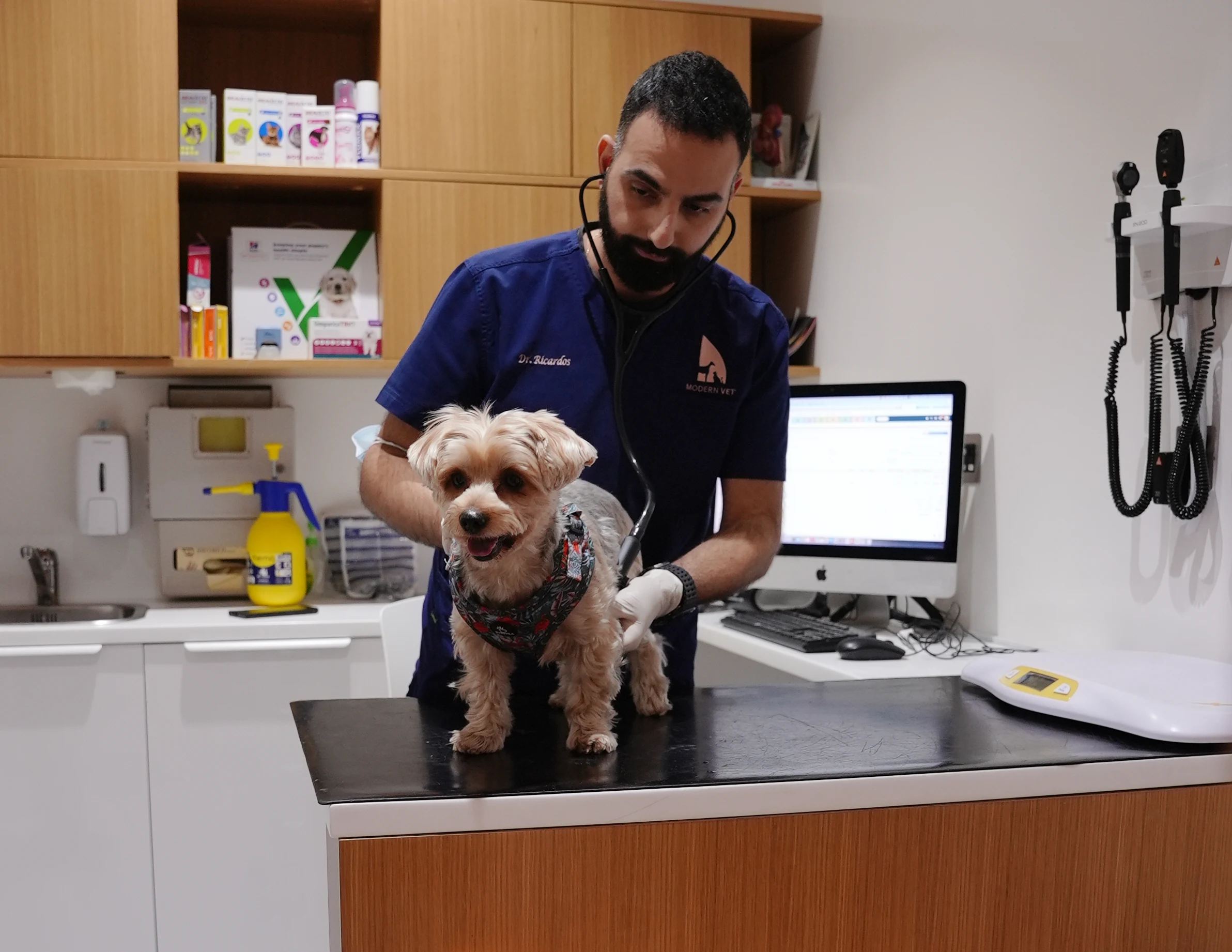
Your veterinarian will listen to your dog’s lungs with a stethoscope to assess the breathing pattern and sounds of the heart, as well as the overall condition.
Imaging
X-ray imaging is often used to assess your dog’s lungs, heart size, and airways. If the case becomes more complicated, additional imaging studies (such as ultrasounds or CT scans) may be necessary.
Laboratory Tests
Infections, inflammation, or dysfunction of organs can be identified through Blood work. Heartworm testing may be recommended in dogs with persistent coughing, particularly in regions where heartworm disease occurs.
Additional Tests
Based on what has been identified through Physical Examination and laboratory testing, additional testing may be recommended by your veterinarian, such as tracheal wash, bronchoscopy, or fecal parasite testing.
Treatment
The type of treatment provided by your veterinarian will depend solely on what has caused your dog’s cough.
Medical treatment
Some examples of medical treatments include:
- Antibiotics for bacterial infections
- Anti-inflammatory medications for chronic bronchitis or airway inflammation
- Cough suppressants when appropriate
- Bronchodilator therapy to improve the quality of airflow in cases of chronic airway disease
- Antiparasitic drugs to treat heartworms or lungworms.
Supportive care
- Rest and reduced physical activity
- Humidified air to ease breathing
- Proper hydration and nutrition
- Oxygen therapy in severe respiratory distress
Long Term Management
Chronic conditions such as collapsing trachea or chronic cardiac diseases are ongoing and require long term management through regular follow-up visits with your veterinarian, adjustment to lifestyle changes and ongoing medication administration.
Prevention
Some reasons for a cough may not be preventable; however, there are some ways to decrease your dog’s likelihood of developing a cough and possibly minimize its severity.
The most effective method of prevention is through vaccination against infectious diseases such as kennel cough and canine influenza. Limiting exposure to dogs showing signs of respiratory illness and avoiding high-risk environments during outbreaks can help reduce the risk of infection.
Protective measures can also be taken to keep your dog away from pollutants in the environment, including smoke, dust and chemicals, which can cause irritation to your dog’s sensitive airway. A good example of this protective measure would be using a harness on your dog instead of a collar because a collar can cause constant irritation to your dog’s trachea, especially if it is one of the smaller breeds.
Regular visits to your veterinarian will help detect many serious health problems early on, so they do not develop into major issues with your dog.
Reviewed by
Dr. Nicoletta Nica
DVM, MRCVS
Dr. Nicoletta was born in Romania and studied veterinary medicine. After graduation Dr. Nicoletta worked for a small animal clinic.



What Is Laparoscopic Spaying?
The laparoscopic spay involves making 2 or 3 very small openings into the abdomen, rather than one big opening as...

Why are Dog Vaccinations Important?
Dogs can be vaccinated against many diseases by introducing a weakened or inactivated form of the disease into...

Why are Cat Vaccinations Important?
Protecting your cat's long term health through vaccination is one of the most critical components of...

What Is Veterinary Oncology?
Veterinary oncology at our clinic focuses on how we diagnose, treat, and manage cancer to improve outcomes and quality...

Pet Relocation
Moving to a new home with your pet involves more than packing boxes and booking travel. Because pets thrive on routine and familiar...

Why Is Routine Grooming Essential?
01
Promotes Skin and Coat Health When you don't brush regularly, dead hair, dirt and oil will accumulate...

What is Holistic Veterinary Care?
Holistic veterinary care is a total medical care system in which your veterinarian evaluates every aspect of your...

Advanced Dental Services
at Modern Vet
We offer full service dental care for dogs and cats, from preventive care to advanced surgery, to ensure...

What is Veterinary Neurology?
Veterinary neurology is a medical speciality concerned with diseases affecting the nervous system. Animals afflicted by...

What is a Wellness Exam?
A wellness exam is an all-inclusive examination of your pet's overall health and condition. A wellness exam is performed...

Why Does Your Pet Need Dermatology Care?
Many pet owners do not realize how significant it is to have their cat, dog, or other small animal receive...

Comprehensive Cat Health Services
Modern Vet offers comprehensive feline care through all phases of a cats life cycle, using advanced diagnostic...

Complete Pet Care for Dogs in Dubai The clinic has a wide variety of veterinary services that support canine health at all ages. Care is provided based...

Why is veterinary ophthalmology important?
Veterinary ophthalmology is concerned with diagnosing, treating and preventing disease in the eyes of...

Role of a Veterinary Cardiologist
A veterinary cardiologist is a veterinarian who has received advanced education and/or training in the diagnosis and...

Modern Rides Designed
for Pet Comfort
Modern Vet Dubai believes that pet transportation does not have to result in compromises. Many regular taxi...

Your Trusted Partner
in Your Pet’s Long Term Health The decision to have your pet spayed or neutered is one of the most responsible actions you can...

The Importance of Vaccination When your pet receives a vaccine, it trains their immune system to attack viruses and bacteria prior to them causing an...

A veterinary consultation is often the first and most important step in managing your pet’s health. When your dogs appear tired, your cats stop eating,...

For years, Modern Vet has been a trusted multi specialist veterinary provider for pet owners in Dubai. With the upgraded Modern Vet Mobile Clinic,...

Hydrotherapy for pets is one of the most rapidly adopted and effective rehabilitative techniques used today in veterinary medicine. The modality of...

Pet EmergencyCare in Dubai Pet emergencies are unpredictable and time sensitive. Immediate veterinary care is essential for issues like toxin ingestion,...

What Does Veterinary Orthopaedics Do? Orthopaedic veterinary care focuses on providing diagnosis, treatment, surgical correction and prevention of...

Why does Veterinary
Physiotherapy Matter?
There are many musculoskeletal, neurologic, and post surgical conditions that can have a significant...

You want the best for your pet’s health and longevity, but feeding them well-balanced meals can be difficult. The same principles apply to humans also...

The fastest-growing cities, including Dubai, need to prioritize pet welfare because their pet population exceeds available resources when not managed...

What Is Spaying & Neutering? Spaying and neutering are two common veterinary medical treatments which eliminate a dog's ability to reproduce....

What Is Spaying & Neutering?
Spaying or Neutering are two common medical procedures designed to limit the ability of cats to reproduce. Spaying is...