

Reviewed by Dr. Luciano de Gatica
Updated on 18/12/2025
Reading time 4 min.
Overview
Severity: Low
Life stage: All
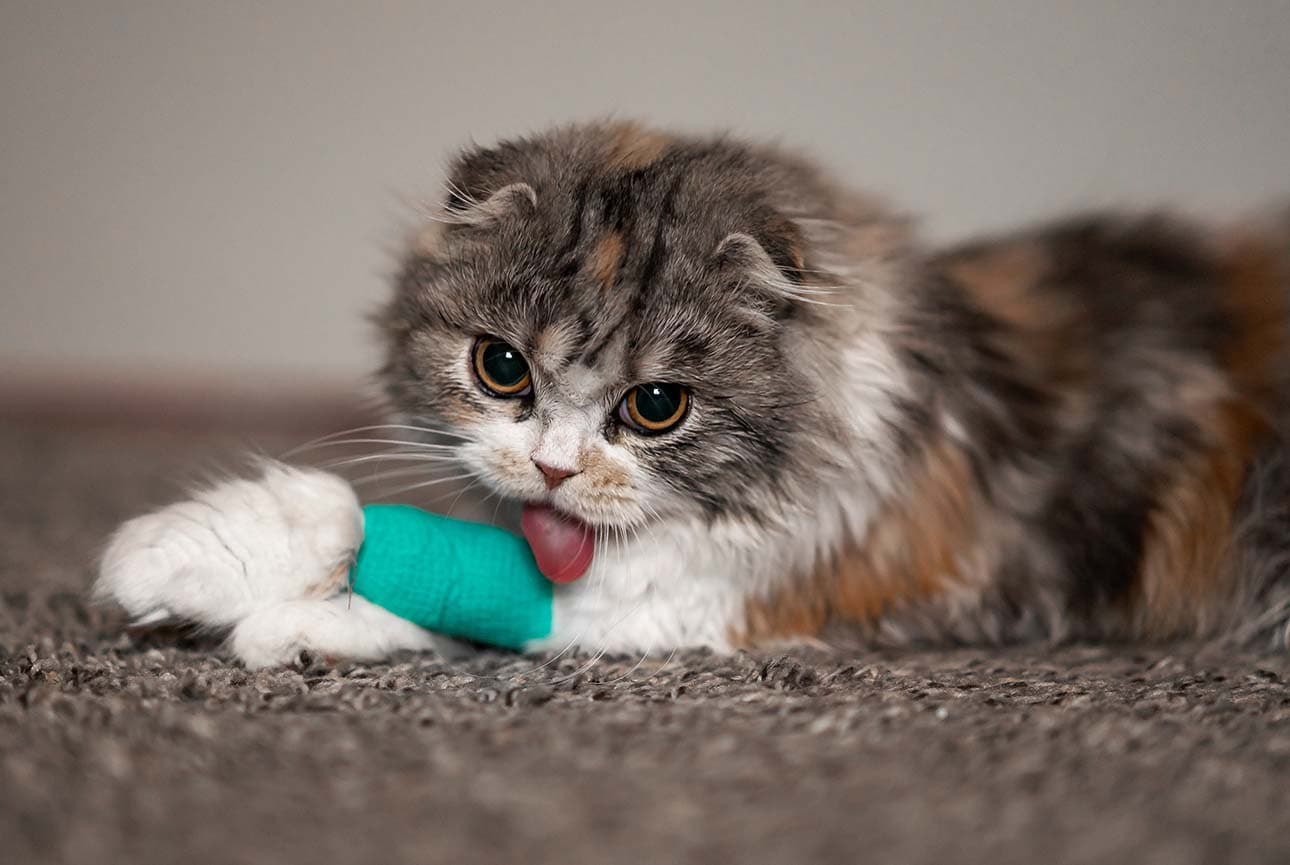
Sprains and strains are common soft tissue injuries that can affect cats of any age or breed. Most cats recover well from these injuries with prompt and appropriate care. In Dubai, extra precautions are important, such as securing balconies, supervising outdoor time, and being mindful of extreme temperatures.
What are sprains and strains in cats?
Sprains and strains are injuries to the soft tissues that support your cat’s joints and limbs. Though often used interchangeably, they’re actually different:
A sprain involves damage to a ligament, the tough band of tissue connecting bone to bone and supporting joints.
A strain affects the muscle and/or tendon, the strong cord of tissue attaching muscle to bone.
These injuries typically occur in:
- Wrist (carpus)
- Elbow
- Shoulder
- Hip
- Knee
- Hock (tarsus or ankle)
Just like in people, these injuries happen when your cat slips, falls, overstretches, or overexerts themselves.
Symptoms of sprains and strains
Cats are masters at hiding pain, which makes spotting injuries challenging. You might notice your cat limping one moment and walking normally the next. Here’s what to watch for:
Obvious signs:
- Sudden limping or favouring one leg
- Refusing to put weight on the affected limb
- Reacting when you touch the injured area (they may hiss, pull away, or even scratch)
- Stiffness when moving
- Reluctance to jump onto furniture or climb cat trees
- Difficulty using stairs
Subtle indicators:
- Excessive licking or grooming
- Swelling or warmth around a joint
- Moving more slowly
- Avoiding the litter tray or having accidents outside it
- Reduced appetite
- Becoming more withdrawn or hiding more often
Are some cats at higher risk?
Any cat can suffer a sprain or strain, but certain factors increase the likelihood:
Outdoor cats: jumping from heights or getting into scraps with other cats leads to a higher risk of injury.
Senior cats: ligaments become weaker with age and they have reduced flexibility, making them more vulnerable to soft tissue injuries.
Overweight cats: carrying more weight puts excess strain on their joints.
How do vets diagnose sprains and strains?
Sprains and strains are diagnosed using a combination of the following:
- Observing how your cat walks and moves
- Performing a hands-on orthopaedic examination to assess joint stability and pain responses
- Checking for swelling, heat, or abnormalities
Depending on the findings, your vet may recommend:
- X-rays: to rule out fractures or bone problems
- Ultrasound: to evaluate soft tissue damage
- Advanced imaging: such as MRI, for complex cases
Vet treatment options
The treatment approach depends on injury severity and your cat’s overall health.
Mild injuries
Many minor sprains and strains respond well to conservative management:
- Strict rest
- Cold therapy when tolerated
- Close monitoring for improvement
Moderate to severe injuries
More significant injuries may require:
- Anti-inflammatory medication to reduce pain and swelling
- Pain relief tailored to your cat’s specific needs
Advanced treatment
In some cases, we might recommend:
- Physiotherapy and rehabilitation to restore normal movement
- Referral to a specialist for complex injuries
- Alternative therapies such as laser therapy or acupuncture
Your vet will discuss all options with you and create a treatment plan that fits your cat’s needs and your circumstances.
Helping your cat recover
Most mild sprains and strains heal within a week with proper rest. Here’s how to support your cat’s recovery at home.
Strict rest:
- No stairs, jumping, or rough play during the recovery period
- Keep your cat in a single room with everything they need at ground level (food, water, litter tray, bed)
- Consider using a large crate
- Remove cat trees and ensure windows and balconies are securely closed
Gradual return to activity once your cat has recovered:
- Allow access to more of your home first
- Only permit outdoor access when they’re moving normally
- Monitor closely for any signs of re-injury
Cold therapy:
Applying a cold compress can help reduce inflammation and pain in the first few days after injury:
- Use a cold pack wrapped in a towel (never apply ice directly).
- Apply for 5-10 minutes at a time. Aim for 2-3 times daily.
- Only do this when your cat is relaxed; never force it.
Most cats won’t tolerate this well, so don’t worry if your cat refuses. Rest is the most important factor.
Prevention: Keeping your cat safe
Not every accident can be prevented, but these strategies can reduce injury risk.
Indoor living
Outdoor life in Dubai can be risky for cats due to extreme heat, busy roads, and high-rise buildings. Many owners find that keeping their cats indoors offers a safer and more comfortable environment, especially during the hot summer months.
If your cat does go outside, restrict access during the hottest parts of the day and avoid overnight outdoor time when visibility is poor and roads are busiest.
Maintain a healthy weight
Obesity significantly increases strain on joints. Work with your vet to:
- Assess your cat’s current body condition
- Develop an appropriate feeding plan
- Choose the right food for your cat’s life stage
- Set realistic weight loss goals if needed
Create a safe indoor environment
- Secure all balconies and windows with proper netting or screens
- Provide stable, non-slip surfaces for jumping
- Place non-slip mats on tiled floors
Regular vet check-ups
Routine examinations with your vet will help catch early signs of joint problems, obesity, or other health issues before they lead to injuries.
When to contact your vet
Seek urgent veterinary care if your cat:
- Refuses to put any weight on a leg
- Shows signs of severe pain (crying, aggressive behaviour when touched)
- Has visible swelling or deformity
For urgent concerns outside regular hours, Modern Vet provides emergency services. It’s always better to have an injury checked early rather than waiting. Prompt treatment leads to faster recovery and prevents complications.
If you’re concerned about your cat’s mobility or would like advice on injury prevention, the experienced team at Modern Vet is here to help. We understand the specific challenges Dubai cat owners face and can provide tailored guidance for your cat’s health and safety.
Share this, choose your platform!
Reviewed by
Dr. Luciano de Gatica
DVM
Luciano de Gatica graduated in 2005, as a Doctor of Veterinary Medicine, from Universidad Nacional de La Plata (UNLP) in Argentina. He gained extensive experience in the field of general and…


What Is Laparoscopic Spaying?
The laparoscopic spay involves making 2 or 3 very small openings into the abdomen, rather than one big opening as...

Why are Dog Vaccinations Important?
Dogs can be vaccinated against many diseases by introducing a weakened or inactivated form of the disease into...

Why are Cat Vaccinations Important?
Protecting your cat's long term health through vaccination is one of the most critical components of...

Pet Relocation
Moving to a new home with your pet involves more than packing boxes and booking travel. Because pets thrive on routine and familiar...

Why Is Routine Grooming Essential?
01
Promotes Skin and Coat Health When you don't brush regularly, dead hair, dirt and oil will accumulate and...

What is Holistic Veterinary Care?
Holistic veterinary care is a total medical care system in which your veterinarian evaluates every aspect of your...

Advanced Dental Services
at Modern Vet
We offer full service dental care for dogs and cats, from preventive care to advanced surgery, to ensure your...

What is Veterinary Neurology?
Veterinary neurology is a medical speciality concerned with diseases affecting the nervous system. Animals afflicted by...

What is a Wellness Exam?
A wellness exam is an all-inclusive examination of your pet's overall health and condition. A wellness exam is performed...

Why Does Your Pet Need Dermatology Care?
Many pet owners do not realize how significant it is to have their cat, dog, or other small animal receive...

Comprehensive Cat Health Services
Modern Vet offers comprehensive feline care through all phases of a cats life cycle, using advanced diagnostic...

Complete Pet Care for Dogs in Dubai The clinic has a wide variety of veterinary services that support canine health at all ages. Care is provided based...

Why is veterinary ophthalmology important?
Veterinary ophthalmology is concerned with diagnosing, treating and preventing disease in the eyes of...

Role of a Veterinary Cardiologist
A veterinary cardiologist is a veterinarian who has received advanced education and/or training in the diagnosis and...

Modern Rides Designed
for Pet Comfort
Modern Vet Dubai believes that pet transportation does not have to result in compromises. Many regular taxi...

Your Trusted Partner
in Your Pet’s Long Term Health The decision to have your pet spayed or neutered is one of the most responsible actions you can...

The Importance of Vaccination When your pet receives a vaccine, it trains their immune system to attack viruses and bacteria prior to them causing an...

A veterinary consultation is often the first and most important step in managing your pet’s health. When your dogs appear tired, your cats stop eating,...

Cancer is one of the most significant health challenges facing pets today, affecting millions of dogs and cats worldwide each year. A cancer diagnosis...

For years, Modern Vet has been a trusted multi specialist veterinary provider for pet owners in Dubai. With the upgraded Modern Vet Mobile Clinic,...

Hydrotherapy for pets is one of the most rapidly adopted and effective rehabilitative techniques used today in veterinary medicine. The modality of...

Save our number now so you are prepared if the worst happens.
24-Hour Emergency Hotline: 800-82
Address: Umm Suqeim, Al Wasl Road, Villa #793,...

At Modern Veterinary Hospital, we know that being able to move comfortably is critical to your furry friends’ overall happiness and well-being....

Pet physiotherapy is an important and growing aspect of veterinary medicine, addressing recovery from injury, surgery, chronic conditions or poor...

You want the best for your pet’s health and longevity, but feeding them well-balanced meals can be difficult. The same principles apply to humans also...

The fastest-growing cities, including Dubai, need to prioritize pet welfare because their pet population exceeds available resources when not managed...

At ModernVet, we are committed wholeheartedly to improving the wellbeing of your faithful canines with our state-of-the-art dog spay and neuter services....

ModernVet offers professional cat spaying and neutering services that deliver top-level care to feline pets. The procedures form an essential part of...





 Chat
Chat


