

Reviewed by Dr. Novi Tandria
Updated on 08/01/2026
Reading time 4 min.
Overview
Severity: Low
Life stage: All
Food allergies in dogs are surprisingly common. Around 10% of all allergies in dogs are linked to food. They can appear at any stage of your dog’s life and even if your dog has been eating the same diet for years. The most frequent signs include itchy skin, repeated ear infections, and digestive upsets such as vomiting or diarrhoea.
Food allergies can’t be cured, but they can be managed effectively. With the right diet and medications (if necessary), affected dogs can live full and happy lives. Dubai’s hot climate and imported foods can complicate symptoms, so early identification and treatment from your vet are essential.
What are food allergies in dogs?
Food allergies are caused by an abnormal reaction of your dog’s immune system defences to one or more ingredients in their diet. Unlike food intolerance (which doesn’t involve the immune system), food allergies will trigger inflammation in the skin or gut.
Key points:
- Any ingredient can cause a reaction, but proteins such as chicken, beef, dairy, or lamb are the most common triggers.
- Dogs can be allergic to more than one ingredient in their diet.
- Symptoms can develop at any age, regardless of how long your dog has been eating the same food.
- Once a food allergy develops, it can’t be cured.
- Symptoms can usually be controlled with the correct diet.
Allergies can severely impact your dog’s quality of life with severe itching and/or gastrointestinal problems. Talk to a vet for reliable expert advice as soon as you suspect a problem.
Symptoms of food allergies in dogs
Food allergies can show up in different ways in different dogs. The signs can overlap with environmental allergies (atopy) or flea bite reactions, so diagnosis can be difficult.
Common symptoms include:
- Itchy skin, especially paws and abdomen (tummy)
- Red skin, rashes, or hair loss
- Itchy ears and ear infections that keep coming back, despite treatment
- Vomiting, soft stools, or diarrhoea
- Weight loss or poor condition, despite continuing to eat well
- Lack of energy (lethargy), excessive tiredness
- Flatulence (excessive gas) or a noisy, gurgly stomach
In Dubai, heat stress and high humidity can make skin irritation worse and may mask the underlying food allergy. That’s why any persistent itching or digestive upset should be checked by your vet.
Dogs at greater risk of food allergies
Food allergies can affect any dog, but certain factors may increase the risk:
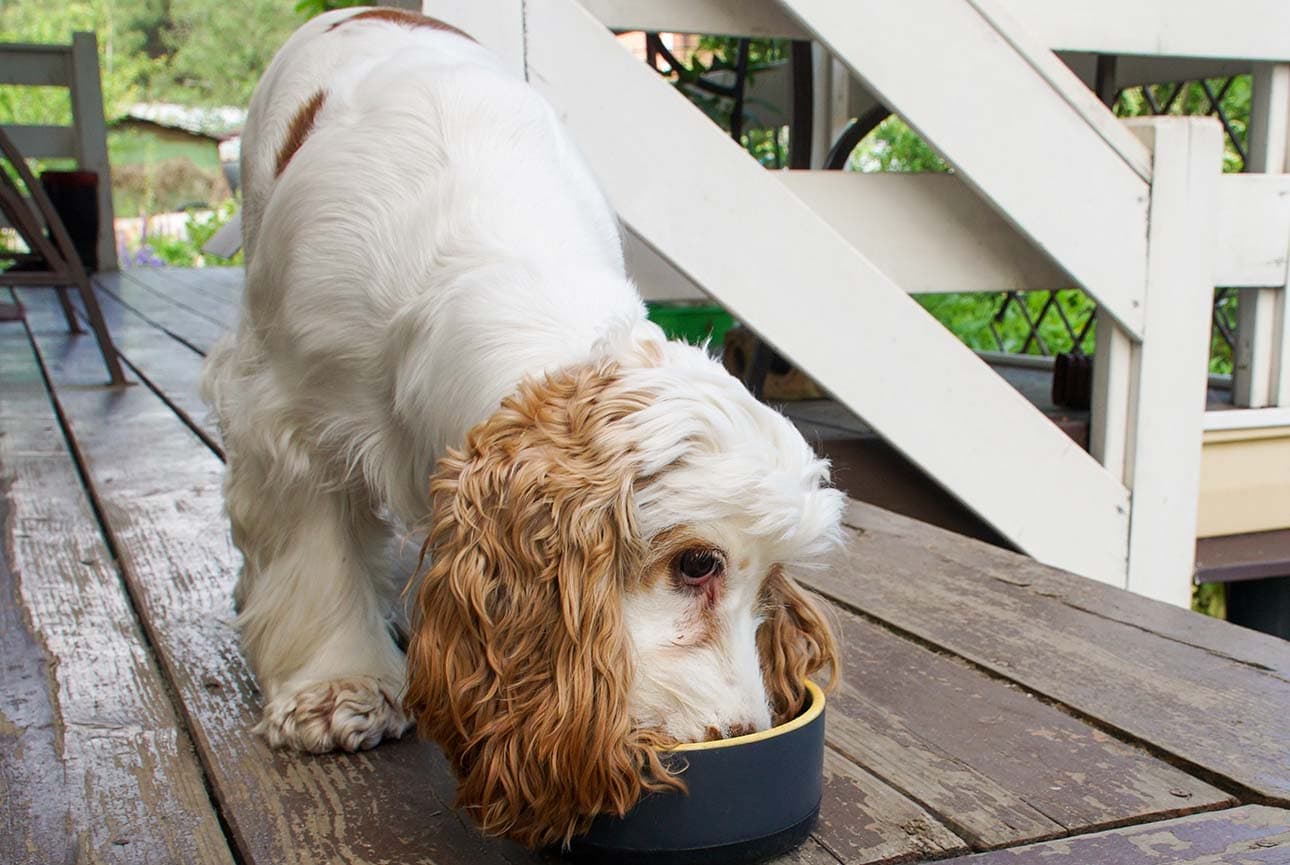
- Certain breeds: Labradors, West Highland White Terriers, French Bulldogs, Cocker Spaniels, and Irish Setters are more commonly affected.
- Young age: Most cases appear between 6 months and 3 years of age.
- Living conditions: Dogs in multi-pet households or those fed varied commercial treats will likely be exposed to more potential allergens.
- Environmental stressors: In Dubai, hot summers and frequent use of imported foods may contribute to flare-ups or complicate diagnosis.
Can humans or other pets catch food allergies?
No. Food allergies are not contagious. They don’t spread between dogs or from dogs to humans.
How are food allergies diagnosed in dogs?
Diagnosing food allergies requires careful testing, as many other conditions have similar symptoms. Tests include:
- A thorough physical examination: checking for other potential causes of symptoms
- Skin tests: skin scrapes, biopsies, or hair plucks
- Blood and urine tests: general health and organ function
- Imaging: X-rays or ultrasound of the abdomen if digestive symptoms are severe
- Stool tests to check for parasites
- The ideal test is an elimination diet trial
What’s involved in an elimination diet trial:
- Feeding a hydrolysed (allergen-free) or novel protein diet exclusively for at least 6–8 weeks.
- Avoiding all other food sources, including treats, chews, or flavoured medications.
- Improved symptoms suggest a food allergy.
- Reintroducing the original diet to see if symptoms return confirms the diagnosis.
Veterinary treatment for food allergies in dogs
Food allergies often require a multimodal treatment approach. This may include:
- Anti-itch medication: such as steroids, antihistamines, Apoquel tablets, or Cytopoint injection (for severe flare-ups).
- Antibiotics: where indicated, for secondary skin or ear infections.
- Strict parasite control: fleas or mites can worsen symptoms.
- Pain relief if the skin is very sore.
Once the allergy is identified, most dogs can be managed purely by a controlled diet. For complicated cases, your vet may refer you to a dermatologist (a skin specialist).
Home care for a dog with food allergies
Long-term management focuses on avoiding the allergens and supporting healthy skin and digestion.
- Hydrolysed protein diets: proteins broken down into tiny pieces so the immune system doesn’t react to them. Talk to a vet for advice on specialised prescription diets.
- Novel protein diets: foods made of proteins your dog hasn’t eaten before, such as venison, duck, egg or insect-based diets.
- Home-cooked diets: only advisable under veterinary guidance or supervision from a nutritionist (dietary expert).
Other supportive measures:
- Clean ears regularly with vet-approved cleaners: ideally every 7–10 days. Talk to your vet or vet nurse for advice on the most effective cleaning technique
- Use omega oil supplements to reduce itching and support skin health.
- Bathe with medicated or soothing shampoos as recommended by your vet.
- Offer probiotics to help with chronic diarrhoea or soft stools.
- Use medical body suits, boots, or buster collars if your dog is causing themselves trauma with scratching, chewing or biting.
Tips on how to prevent food allergies in dogs
Unfortunately, it isn’t possible to completely prevent food allergies. However, you can reduce risks by:
- Feeding a consistent, balanced diet: ask your vet for recommendations.
- Introducing new diets and proteins slowly.
- Avoid unnecessary supplements, chews, or treats that contain multiple ingredients.
- Monitor your dog for early signs of itching or stomach upset.
When to worry about food allergies in dogs
Call your vet if you notice:
- Persistent itching, especially if your dog is damaging their skin.
- Ongoing vomiting or diarrhoea, especially if it contains any blood.
- Weight loss despite eating normally.
Schedule a veterinary check for mild but ongoing issues, such as ear infections, itchy skin, or soft stools. Food trials and supportive treatments can greatly improve your dog’s comfort and quality of life.
Worried about your dog’s skin symptoms and a possible food allergy? Book a consultation today at Modern Vet Hospital in Dubai. Their experienced veterinary team can provide accurate diagnosis, allergy testing, and tailored diet plans to help manage your dog’s symptoms. From ongoing skin care to long-term nutritional support, Modern Vet Hospital is your trusted partner in Dubai for compassionate and comprehensive allergy management.
Share this, choose your platform!
Reviewed by
Dr. Novi Tandria
DVM
Dr. Novi Tandria is a compassionate veterinarian with over 10 years of experience in small animal internal medicine and soft tissue surgery. She graduated from IPB University, Indonesia, in 2012 and has extensive…


Modern Rides Designed
for Pet Comfort
Modern Vet Dubai believes that pet transportation does not have to result in compromises. Many regular taxi...

Your Trusted Partner
in Your Pet’s Long Term Health The decision to have your pet spayed or neutered is one of the most responsible actions you can...

The Importance of Vaccination When your pet receives a vaccine, it trains their immune system to attack viruses and bacteria prior to them causing an...
A veterinary consultation is often the first and most important step in managing your pet’s health. When your dogs appear tired, your cats stop eating,...

Cancer is one of the most significant health challenges facing pets today, affecting millions of dogs and cats worldwide each year. A cancer diagnosis...

Spaying is an important part of being a responsible pet owner. It helps keep the number of pets down and is very good for the health of female dogs and...
For years, Modern Vet has been providing Dubai pet owners with a multi-specialist veterinary provider and service. With the launch of the updated Modern...

Hydrotherapy for pets is one of the most rapidly adopted and effective rehabilitative techniques used today in veterinary medicine. The modality of...

Moving to a new house is a life-altering situation, and it is not only about packing the boxes and securing plane tickets when you have pets. Your furry...

At Modern Vet, proactive preventative healthcare lays the foundation for your pet's long and happy life. From standard blood tests to urinalysis or...

Save our number now so you are prepared if the worst happens.
24-Hour Emergency Hotline: 800-82
Address: Umm Suqeim, Al Wasl Road, Villa #793,...

Your pet’s eyes are one of their most sensitive and important organs. Like people, animals rely on vision to get around the world, communicate with you,...

At Modern Veterinary Hospital, we know that being able to move comfortably is critical to your furry friends’ overall happiness and well-being....

Your pet requires proper oral health maintenance for their general health and wellness. Gum disease, tooth decay and infections affect dogs and cats...

Pet physiotherapy is an important and growing aspect of veterinary medicine, addressing recovery from injury, surgery, chronic conditions or poor...

Your pet requires the best care, including nutritious food, veterinary visits, and professional grooming services for year-round comfort, cleanliness,...

Holistic pet medicine originated in ancient times and now exists as a contemporary integrative system that focuses on treating the complete animal...

You want the best for your pet’s health and longevity, but feeding them well-balanced meals can be difficult. The same principles apply to humans also...
Family pets hold a special place in family life, just like human family members, because they develop various skin and coat issues as they age. Skin...

The fastest-growing cities, including Dubai, need to prioritize pet welfare because their pet population exceeds available resources when not managed...

Here at Modern Veterinary Hospital, we are aware of the fact that having your furry friend deal with neurological disease can be incredibly traumatizing....

Pet cardiology functions as a veterinary medical speciality that diagnoses, treats, and controls Heart and circulatory diseases in animals. A strong...

At ModernVet, we are committed wholeheartedly to improving the wellbeing of your faithful canines with our state-of-the-art dog spay and neuter services....

ModernVet offers professional cat spaying and neutering services that deliver top-level care to feline pets. The procedures form an essential part of...

A powerful alliance based in Dubai's center has established new benchmarks for animal medical care. Modern Vet operates as a top veterinary hospital...

For every devoted cat owner, ensuring the long-term health and happiness of their feline companion is a top priority. Protecting cats from infectious...

The Modern Vet Clinic in Dubai is a top-tier animal hospital providing complete veterinary services for dogs. Our clinic provides veterinary care for...

The Modern Vet clinic in Dubai operates as the leading facility which provides specialized healthcare solutions for cats in the city. The clinic provides...