
Reviewed by Dr. Rocio Mena
Updated on 25/12/2025
Reading time 4 min.
Overview
Severity: Low
Life stage: All
As a cat owner, you may have noticed your feline friend occasionally coughing or vomiting a small, tubular mass of fur, commonly known as a hairball. While this is a normal part of a cat’s grooming process, frequent hairballs can be a sign of underlying issues that require attention.
Hairballs are a common issue for many cats, but with the right care, they can usually be prevented and managed. In this article, we’ll take a closer look at what causes hairballs, simple steps to prevent them, and how to help your cat if they become a problem.
What are hairballs?
Hairballs, or trichobezoars, are clumps of fur that cats ingest during grooming. Cats have barbed tongues that catch loose hair, which is then swallowed. Most of this hair passes through the digestive system and is evacuated in the stool. However, some hair can accumulate in the stomach, forming a hairball that is eventually vomited.
Occasional hairballs can be considered normal, but frequent episodes may indicate underlying problems such as excessive grooming, gastrointestinal issues, or skin conditions.
Causes of hairballs in cats
Several factors can contribute to the formation of hairballs:
- Overgrooming: Cats that groom themselves excessively can swallow more hair, which may lead to hairballs. Overgrooming is often linked to behavioural issues, such as stress or conditions causing discomfort and pain.
- Skin conditions: Allergies, parasites, or infections can cause itching, leading to increased grooming.
- Dietary issues: Certain conditions can slow digestion, increasing the likelihood of hairball formation.
- Environmental factors: In a hot and humid climate, cats may shed more fur, increasing the amount of hair they ingest.
Symptoms of hairballs
Common signs that your cat may be experiencing issues with hairballs include:
- Coughing or gagging: A dry cough or retching sound that sounds like there is something stuck in the throat
- Vomiting: Bringing up a hairball, sometimes with undigested food
- Loss of appetite or reluctance to eat
- Decreased energy levels or hiding more than usual
- Straining to pass stools
If your cat shows these symptoms frequently, it’s important to speak to a veterinarian for a thorough evaluation.
Risk factors
Understanding the risk factors for hairballs can help in prevention:
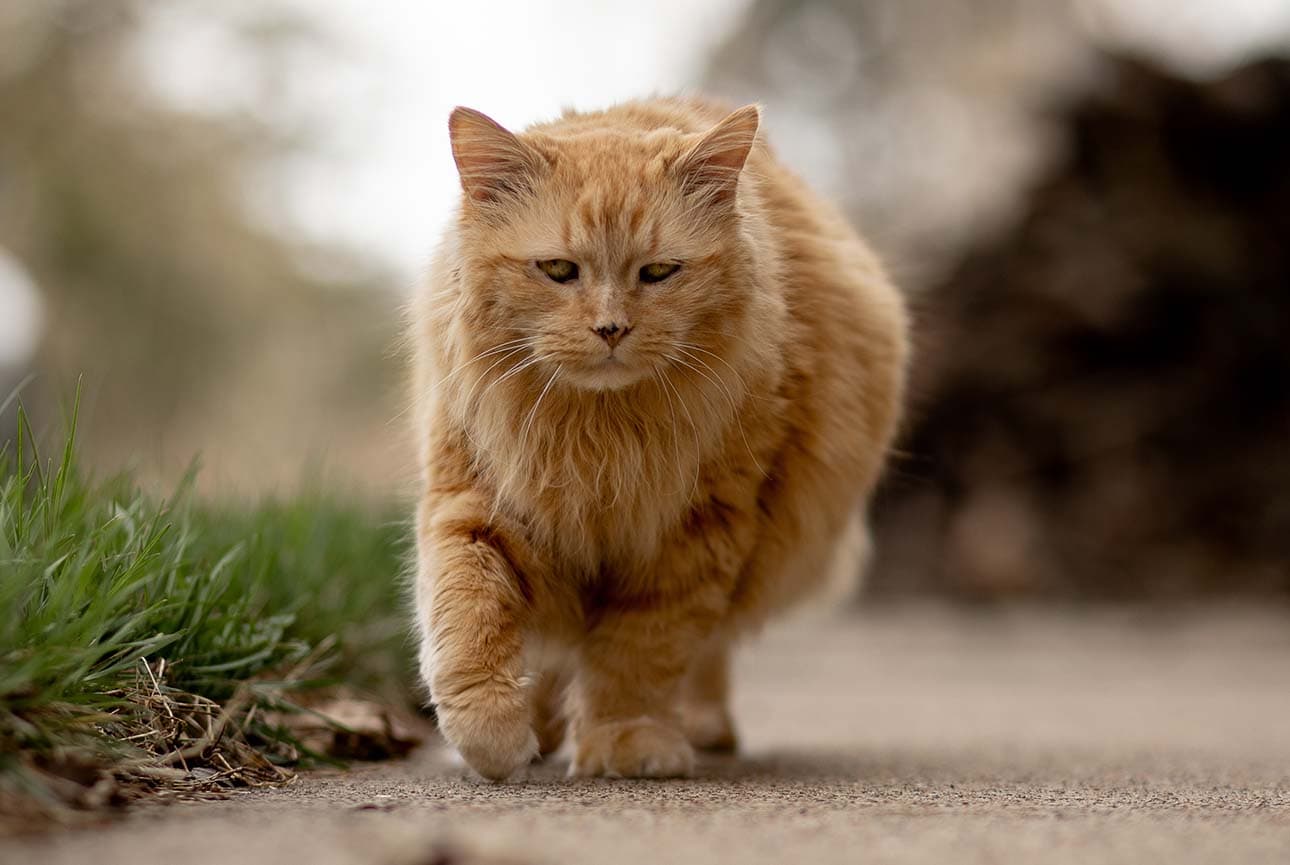
- Breed and coat: Long-haired breeds, such as Persians and Maine Coons, are more prone to hairballs due to their dense fur coats.
- Age: Older cats are more likely to develop arthritis or other chronic pains, which can lead to overgrooming. They may also have slower digestion, making them more prone to hairballs.
- Allergies and skin conditions: Cats with chronic skin problems are more prone to overgrooming, leading to hairballs.
Diagnosis and treatment of hairballs
If your cat is experiencing frequent hairballs, a veterinarian will conduct a thorough examination to determine the cause:
- Physical examination: To assess your cat’s overall health and check for signs of skin and gastrointestinal issues.
- Blood tests: To evaluate organ function and identify any underlying health conditions.
- Imaging: X-rays or ultrasounds may be used to detect any blockages or abnormalities in the digestive tract.
Treatment options for hairballs
If your cat is experiencing frequent hairballs, treatment options may include:
- Laxative pastes: These can help move hair through the digestive tract and are available over the counter.
- Specialty diets: High-fibre diets formulated to reduce hairballs.
- Medications: In cases where underlying health issues are present, medications may be prescribed.
Always consult with your veterinarian before starting any treatment to ensure it’s appropriate for your cat’s specific needs.
Preventing hairballs in cats
Preventing hairballs involves a combination of grooming, diet, and environmental management.
- Regular brushing helps remove loose fur and reduces the amount of hair your cat ingests. Use an appropriate grooming tool for your cat’s coat type.
- Feeding your cat a diet high in fibre can aid in the passage of hair through the digestive system. Specially formulated hairball control diets are available and can be discussed with your veterinarian.
- Ensure your cat has constant access to fresh water. Proper hydration supports healthy digestion and can help prevent hairballs.
- Stress can lead to overgrooming. Provide a calm environment and engage your cat in interactive play to help reduce stress levels.
In addition to regular home grooming, professional grooming services can help manage your cat’s coat and reduce hairball formation. Several pet grooming salons offer services tailored to cats.
When to worry about hairballs
While occasional hairballs are normal, you should seek veterinary care if:
- Your cat vomits hairballs more than once a week.
- There is a noticeable change in appetite or energy levels.
- Your cat has signs of digestive distress, such as constipation or diarrhoea.
- Your cat is overgrooming or showing signs of skin irritation.
Worried that your cat has hairballs? Book a check-up today at Modern Vet Hospital in Dubai. Our experienced team can assess your cat’s symptoms, provide gentle diagnostic tests, and recommend the best care to keep them comfortable and healthy. From routine check-ups to urgent treatment, Modern Vet Hospital is here for compassionate, expert care tailored to your cat’s needs.
Share this, choose your platform!
Reviewed by
Dr. Rocio Mena
DVM
Dr. Rocio Mena was born in Spain and discovered her passion for veterinary medicine early in life. She pursued this dream and graduated from CEU University in Spain in 2018 with a degree in…


What Is Laparoscopic Spaying?
The laparoscopic spay involves making 2 or 3 very small openings into the abdomen, rather than one big opening as...

Why are Dog Vaccinations Important?
Dogs can be vaccinated against many diseases by introducing a weakened or inactivated form of the disease into...

Why are Cat Vaccinations Important?
Protecting your cat's long term health through vaccination is one of the most critical components of...

Pet Relocation
Moving to a new home with your pet involves more than packing boxes and booking travel. Because pets thrive on routine and familiar...

Why Is Routine Grooming Essential?
01
Promotes Skin and Coat Health When you don't brush regularly, dead hair, dirt and oil will accumulate and...

What is Holistic Veterinary Care?
Holistic veterinary care is a total medical care system in which your veterinarian evaluates every aspect of your...

Advanced Dental Services
at Modern Vet
We offer full service dental care for dogs and cats, from preventive care to advanced surgery, to ensure your...

What is Veterinary Neurology?
Veterinary neurology is a medical speciality concerned with diseases affecting the nervous system. Animals afflicted by...

What is a Wellness Exam?
A wellness exam is an all-inclusive examination of your pet's overall health and condition. A wellness exam is performed...

Why Does Your Pet Need Dermatology Care?
Many pet owners do not realize how significant it is to have their cat, dog, or other small animal receive...

Comprehensive Cat Health Services
Modern Vet offers comprehensive feline care through all phases of a cats life cycle, using advanced diagnostic...

Complete Pet Care for Dogs in Dubai The clinic has a wide variety of veterinary services that support canine health at all ages. Care is provided based...

Why is veterinary ophthalmology important?
Veterinary ophthalmology is concerned with diagnosing, treating and preventing disease in the eyes of...

Role of a Veterinary Cardiologist
A veterinary cardiologist is a veterinarian who has received advanced education and/or training in the diagnosis and...

Modern Rides Designed
for Pet Comfort
Modern Vet Dubai believes that pet transportation does not have to result in compromises. Many regular taxi...

Your Trusted Partner
in Your Pet’s Long Term Health The decision to have your pet spayed or neutered is one of the most responsible actions you can...

The Importance of Vaccination When your pet receives a vaccine, it trains their immune system to attack viruses and bacteria prior to them causing an...

A veterinary consultation is often the first and most important step in managing your pet’s health. When your dogs appear tired, your cats stop eating,...

Cancer is one of the most significant health challenges facing pets today, affecting millions of dogs and cats worldwide each year. A cancer diagnosis...

For years, Modern Vet has been a trusted multi specialist veterinary provider for pet owners in Dubai. With the upgraded Modern Vet Mobile Clinic,...

Hydrotherapy for pets is one of the most rapidly adopted and effective rehabilitative techniques used today in veterinary medicine. The modality of...

Save our number now so you are prepared if the worst happens.
24-Hour Emergency Hotline: 800-82
Address: Umm Suqeim, Al Wasl Road, Villa #793,...

At Modern Veterinary Hospital, we know that being able to move comfortably is critical to your furry friends’ overall happiness and well-being....

Pet physiotherapy is an important and growing aspect of veterinary medicine, addressing recovery from injury, surgery, chronic conditions or poor...

You want the best for your pet’s health and longevity, but feeding them well-balanced meals can be difficult. The same principles apply to humans also...

The fastest-growing cities, including Dubai, need to prioritize pet welfare because their pet population exceeds available resources when not managed...

At ModernVet, we are committed wholeheartedly to improving the wellbeing of your faithful canines with our state-of-the-art dog spay and neuter services....

ModernVet offers professional cat spaying and neutering services that deliver top-level care to feline pets. The procedures form an essential part of...