
 Updated: 05/06/2026
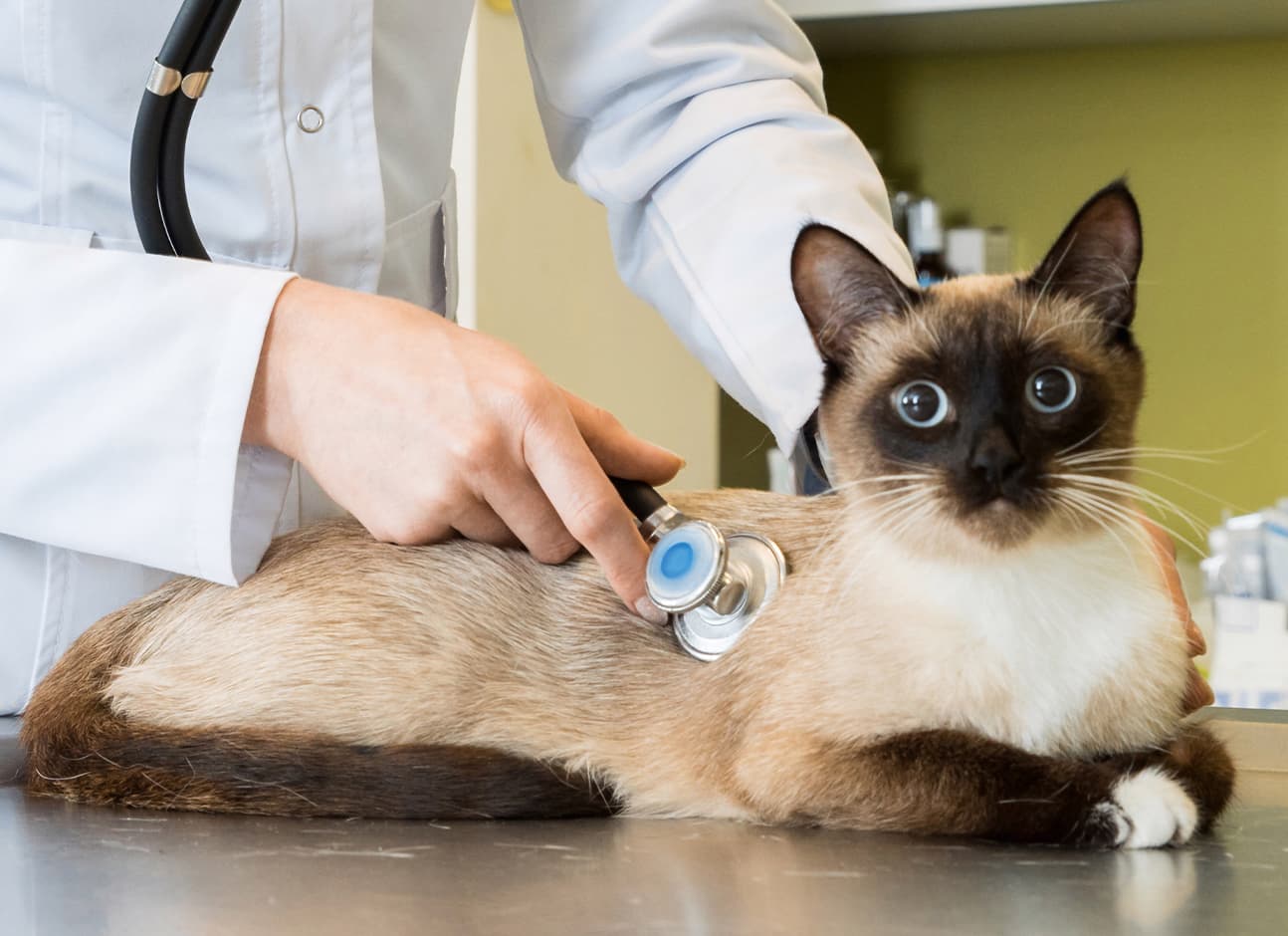
HEART MURMUR IN CATS
Heart murmurs are actually abnormal cardiac sounds caused by a disruption in blood flow inside the heart. In cats, heart murmurs can also be an indication of a more serious underlying condition that requires timely medical intervention.
 Updated: 10/07/2026
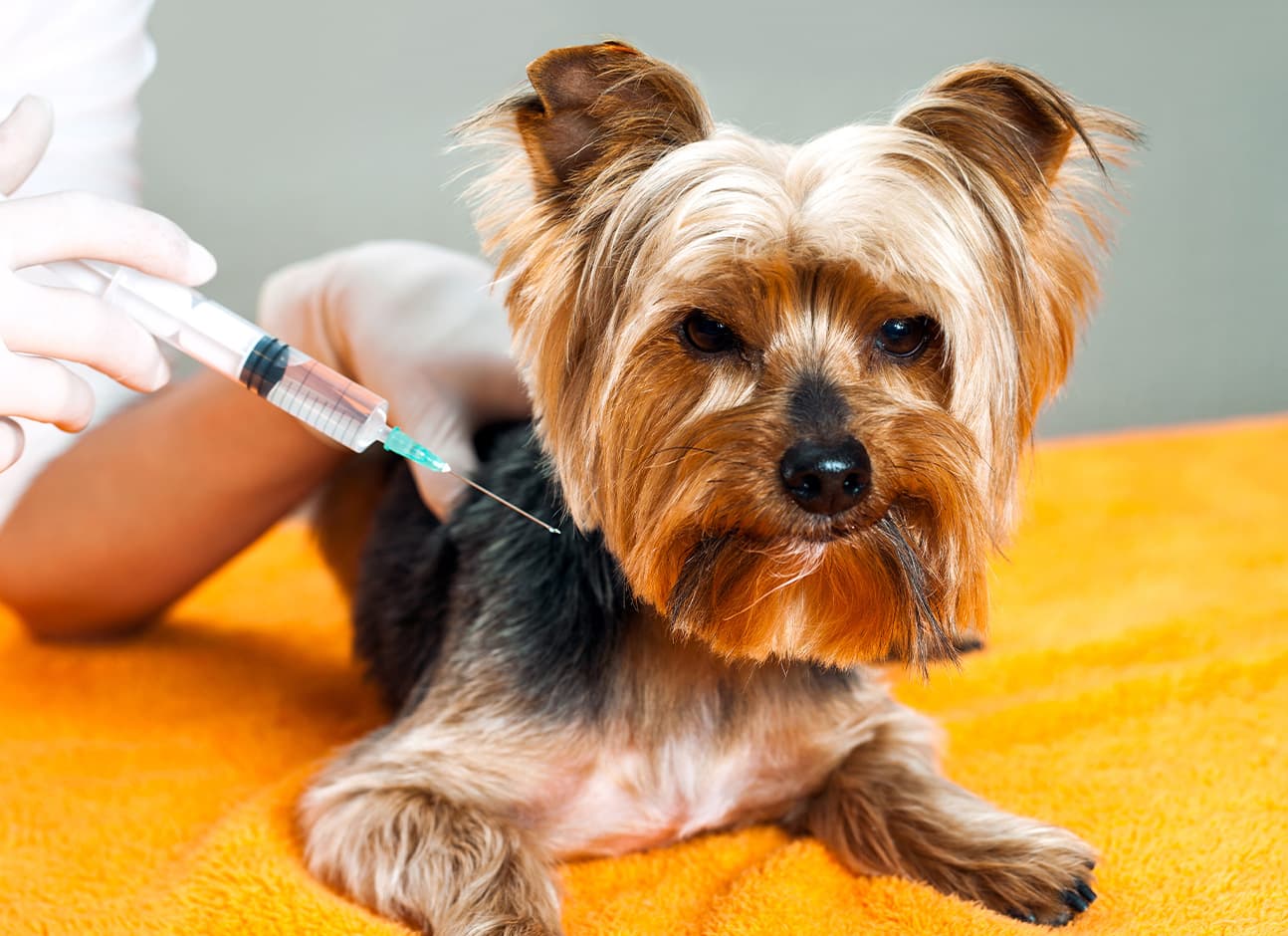
LYMPHOMA IN DOGS
Lymphoma, which is the cancer of the lymph nodes and the lymphatic system, affects both humans and dogs alike. It leads to visibly enlarged lymph nodes both externally and internally.
 Updated: 10/07/2026
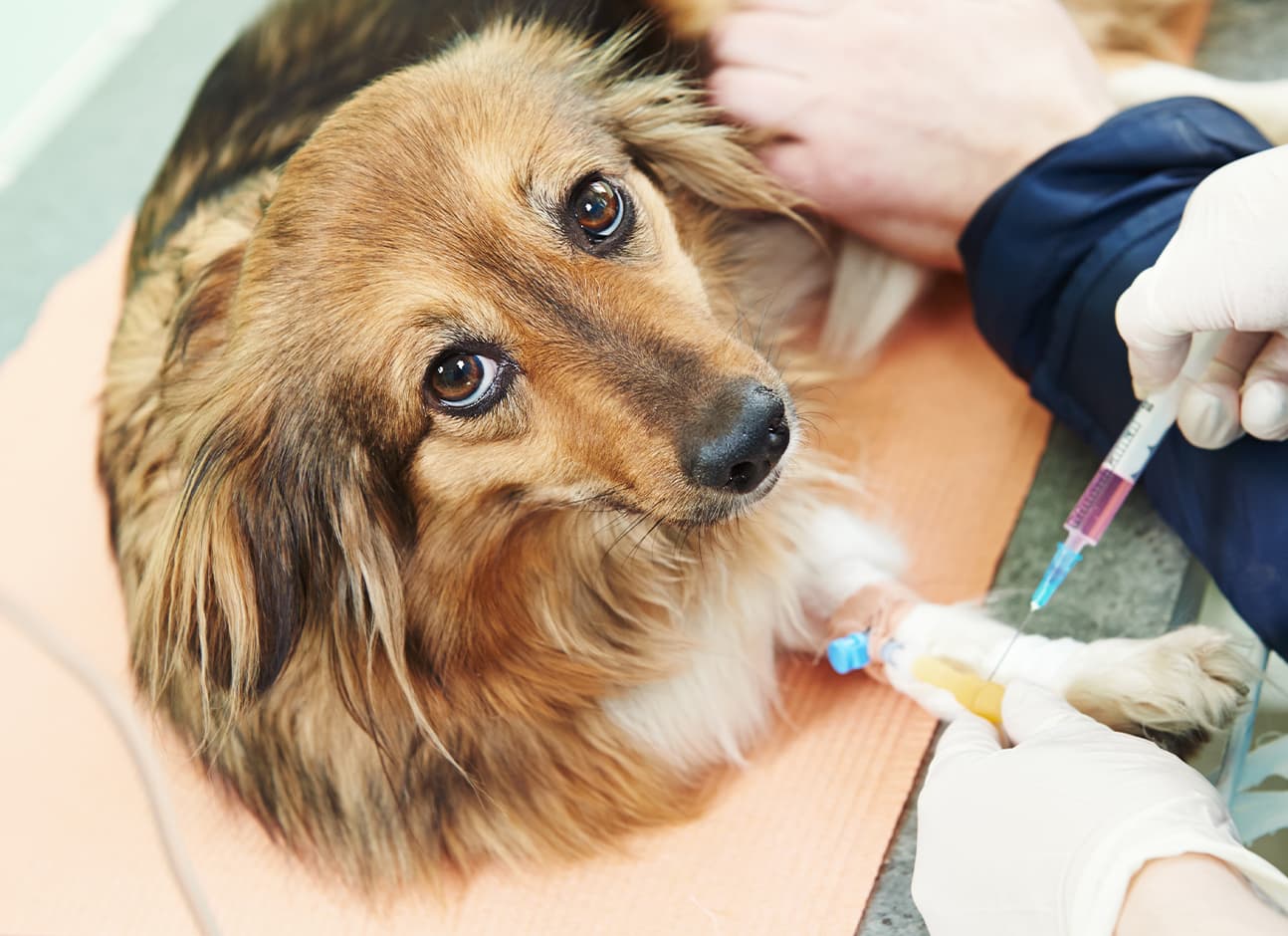
HYPOTHYROIDISM IN DOGS
Hypothyroidism is a common endocrine disease among the canine population. It occurs when the thyroid gland becomes less active and produces less amounts of thyroxine (T4) and triiodothyronine (T3), which slows down the metabolic rate of the body.
 Updated: 10/07/2026
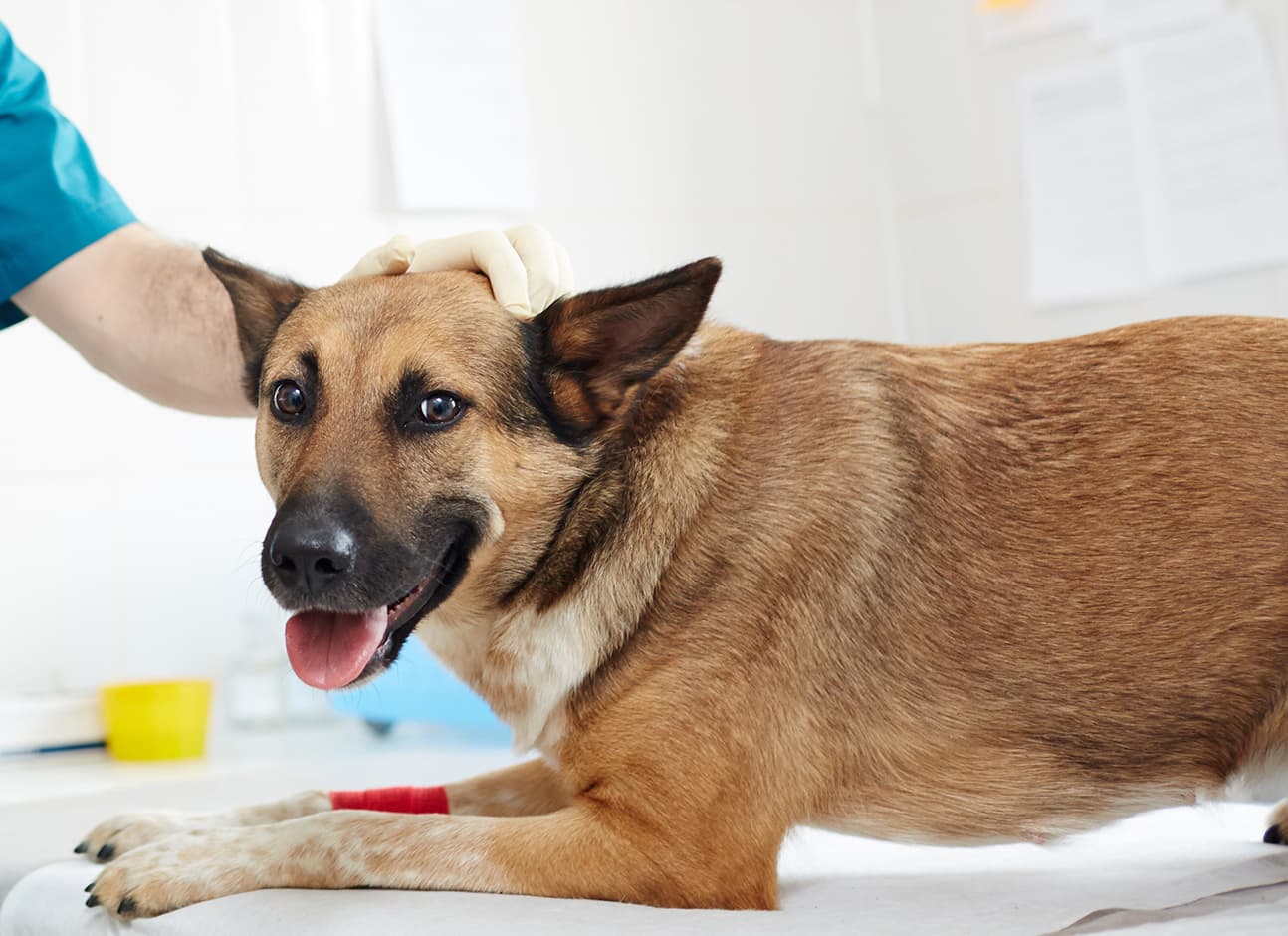
HOT SPOTS IN DOGS
Canine hot spots are one of the most common skin diseases in dogs. Also called moist dermatitis or “summer sores”, they usually occur during the summer months when the weather is hot.
 Updated: 10/07/2026
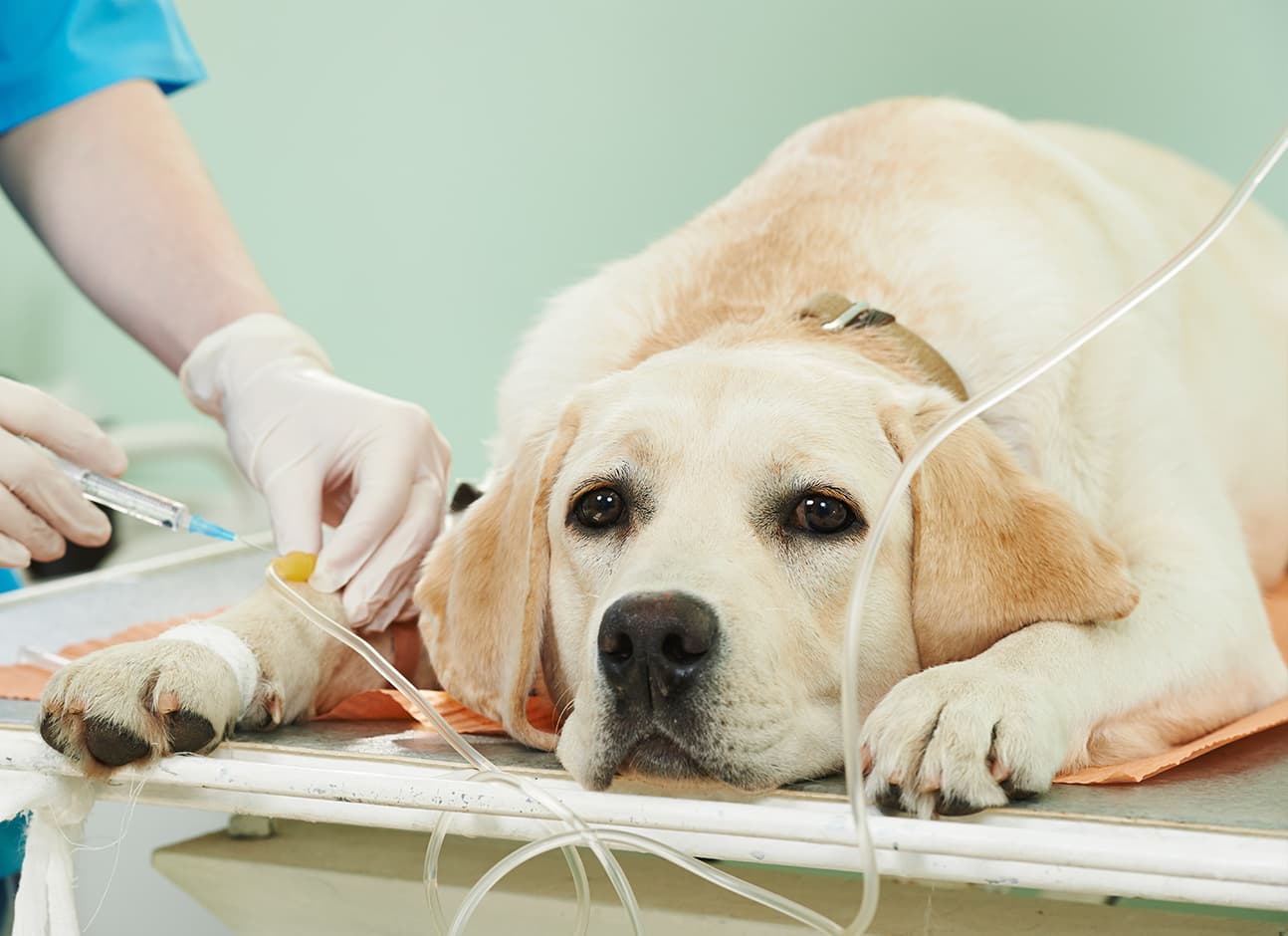
LIVER SHUNT IN DOGS
Portosystemic shunt (PSS) or liver shunt is a condition where the blood draining from the stomach, intestines, spleen, and pancreas bypasses the liver and flows directly into circulation without being purified by the liver.
 Updated: 09/04/2026
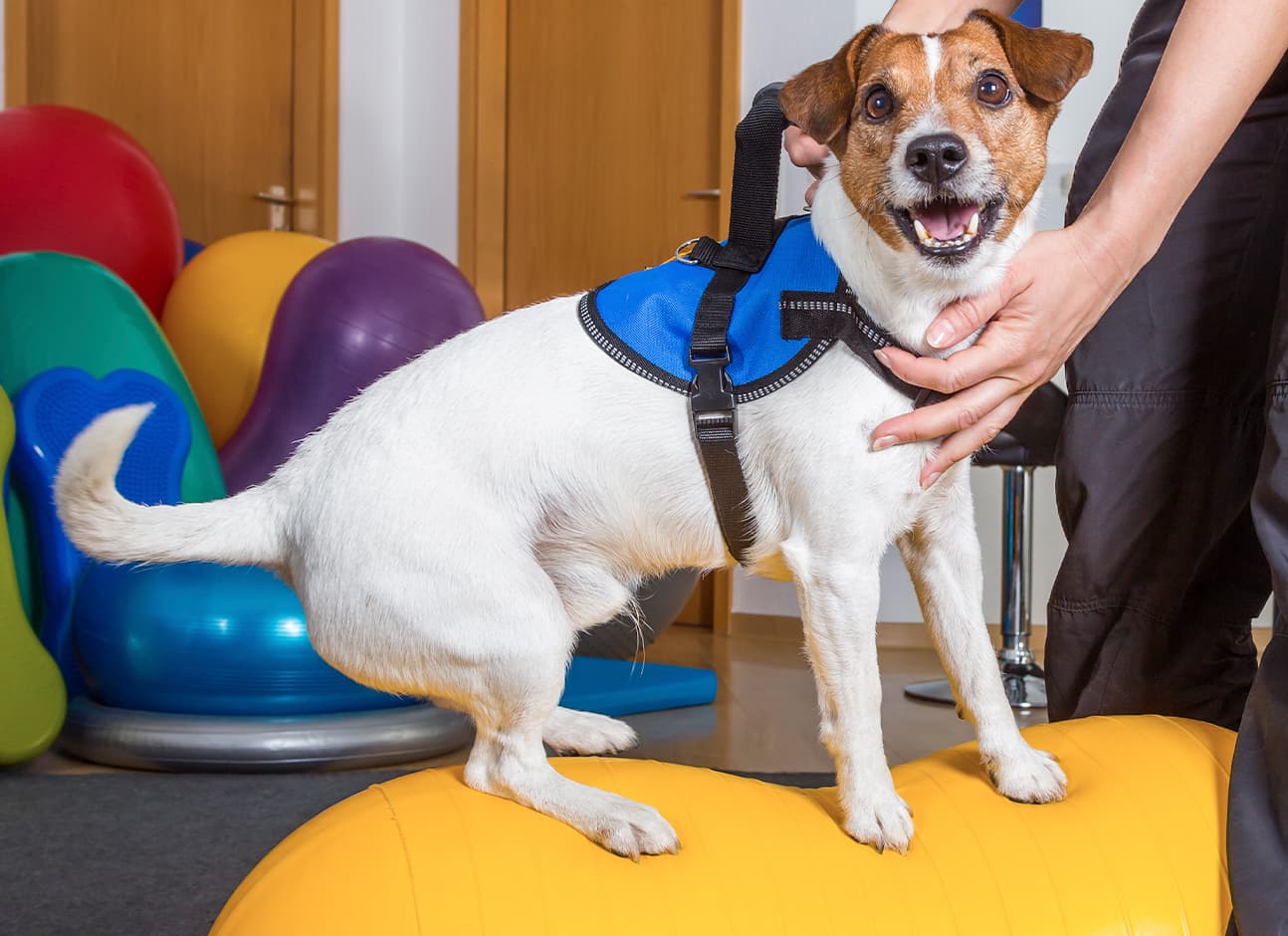
PHYSICAL REHABILITATION IN DOGS
Canine physical therapy is a term used to describe the process of rehabilitating dogs. Many of the same procedures used in human physiotherapy are used in canine or veterinary physical rehabilitation to enhance an animal's physical well-being.
 Updated: 05/06/2026
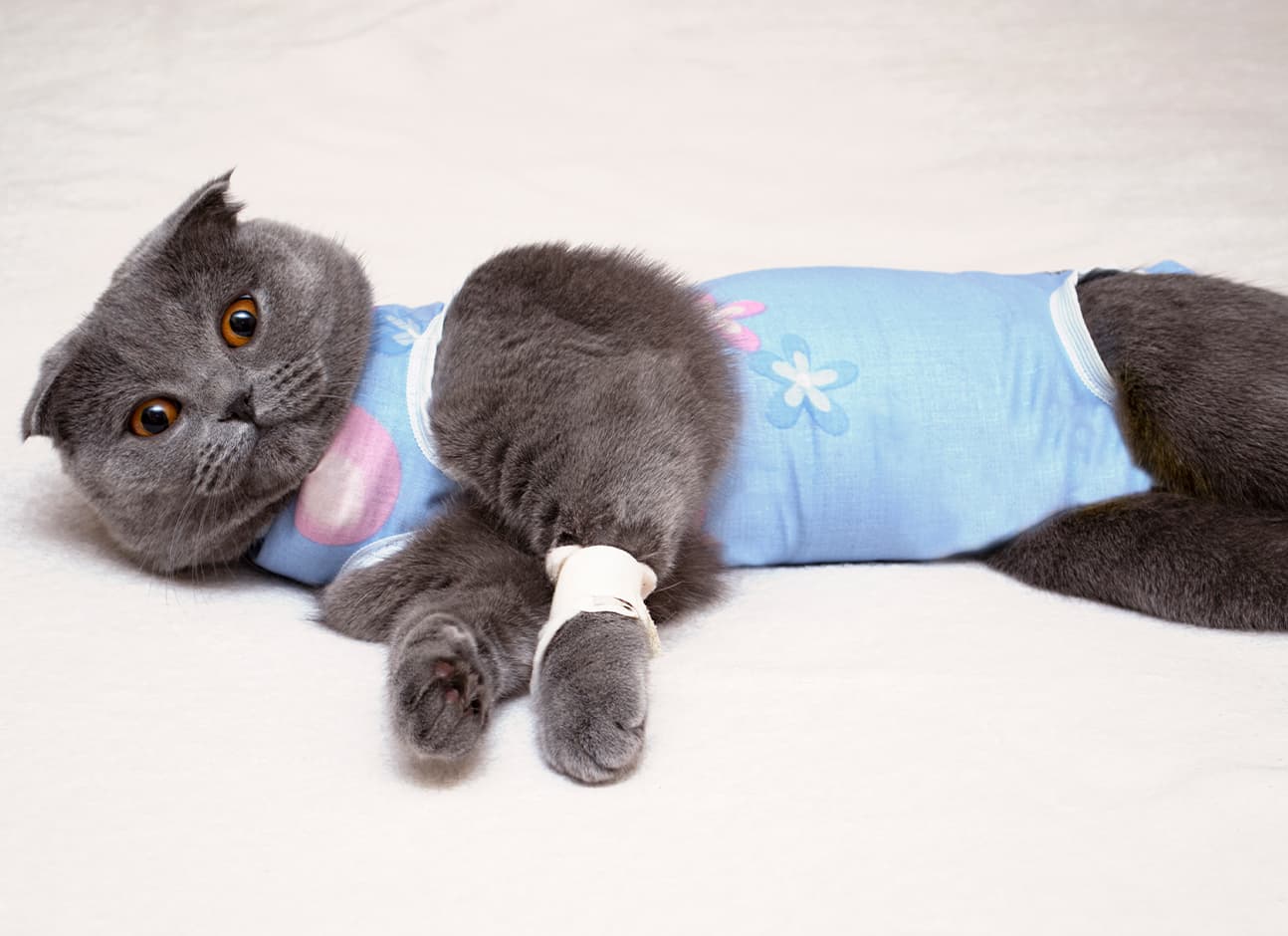
PHYSICAL REHABILITATION IN CATS
Much like in their human counterparts, feline physical rehabilitation is geared towards enhancing physical mobility and to increase the rate of healing and recovery. What makes physical rehabilitation more desirable is that it minimizes pain in your feline friend depending on the severity of the condition.
 Updated: 10/07/2026
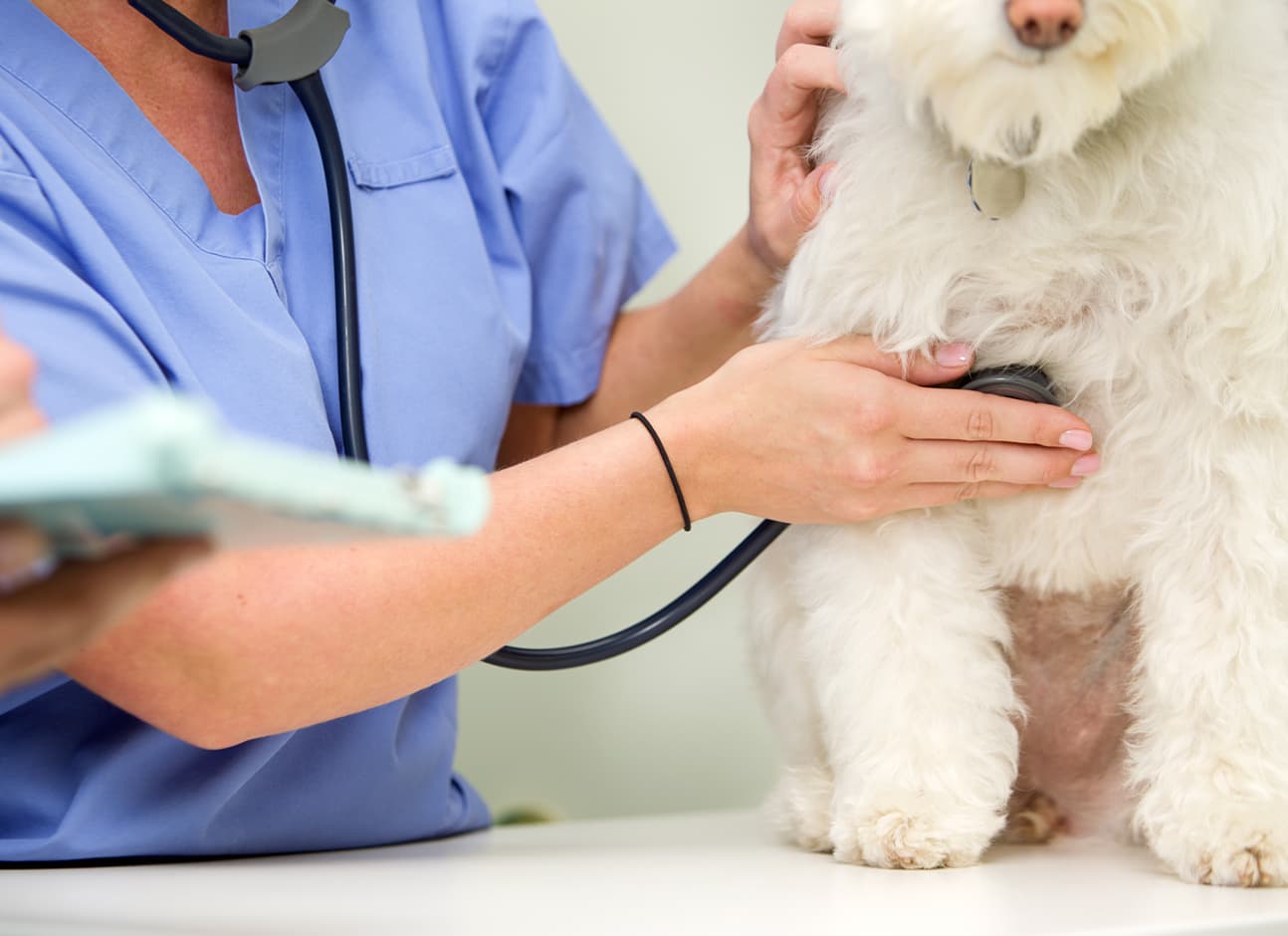
HEART DISEASE IN DOGS AND CATS
Diseases of the heart in dogs and cats include diseases that cause the heart to have difficulty pumping sufficient amounts of blood through the entire body. Since the heart supplies oxygen and nutrients to every organ in the body, any type of heart problem will be able to eventually affect overall health
 Updated: 10/07/2026
INTERVERTEBRAL DISC DISEASE (IVDD) IN DOGS
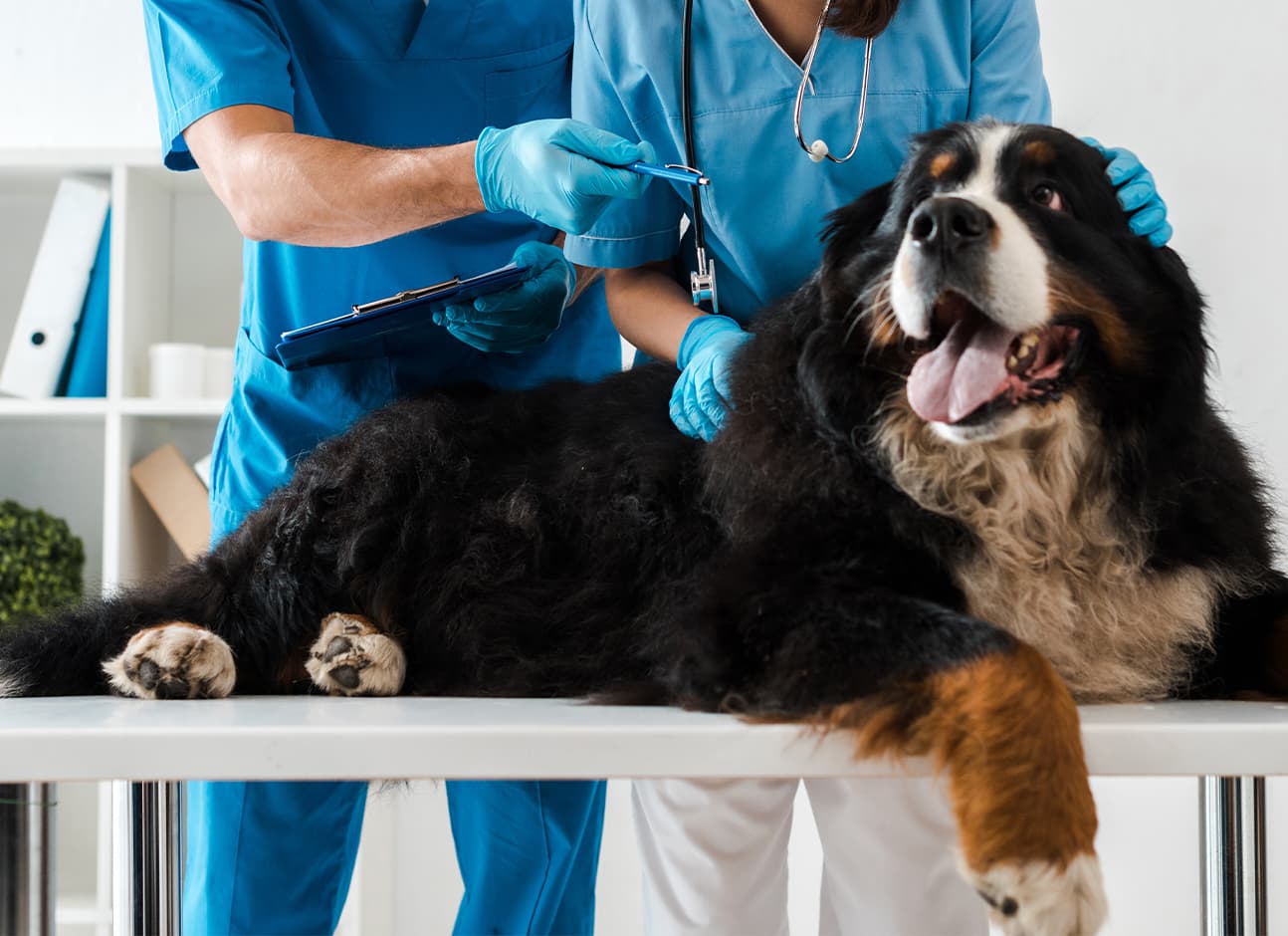
The degeneration of the intervertebral discs, leading to bulging or rupturing of the discs, causes the compression of the spinal cord and therefore Intervertebral Disk Disease (IVDD). The normal function of the intervertebral discs is to be a cushion, absorb shock, and provide for spinal flexure.
 Updated: 05/06/2026
Are dogs immune to tear gas?
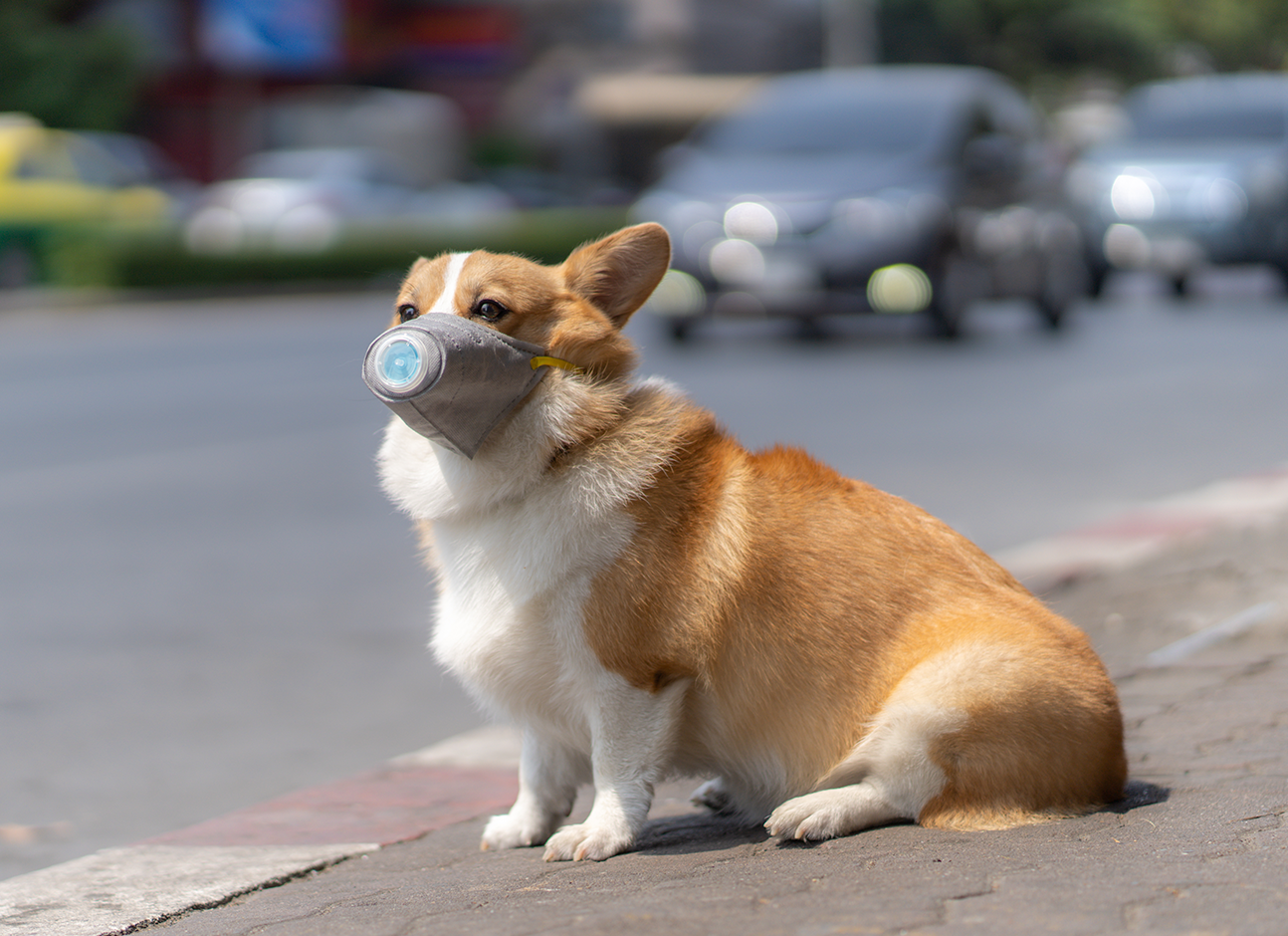
Tear gas is chemical weapon police can use to force people to stop fighting and surrender. It's been used in riots and protests for decades but recently gained notoriety as a weapon of choice for law enforcement agencies.
 Updated: 10/07/2026
LUXATING PATELLA OR DISLOCATED KNEECAP IN CATS
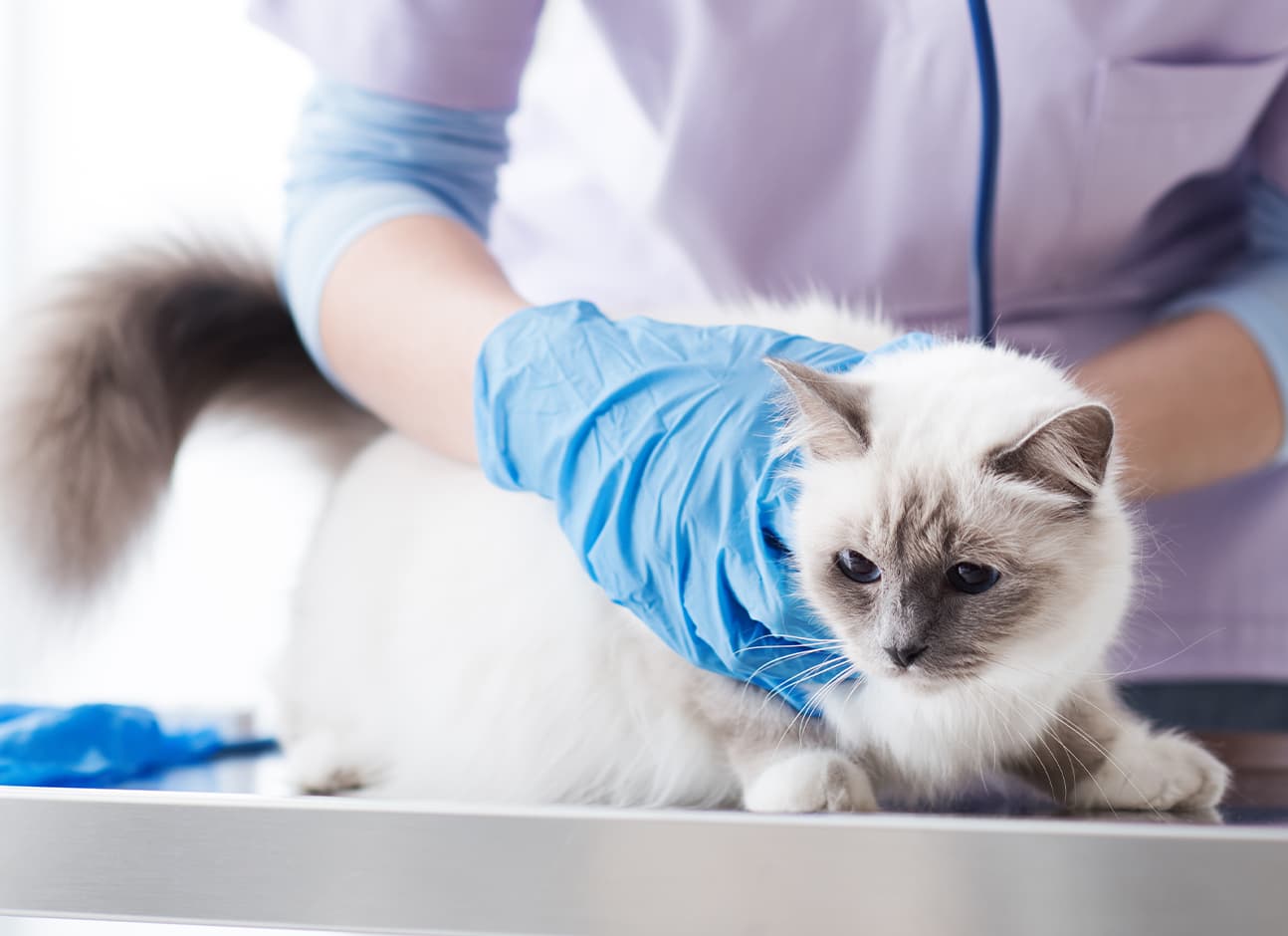
Luxating patella (kneecap dislocation) is a condition where the kneecap does not remain in its normal location and slides into either the inside or outside of the thigh bone joint groove.
 Updated: 10/07/2026
CANCER WARNING SIGNS IN DOGS
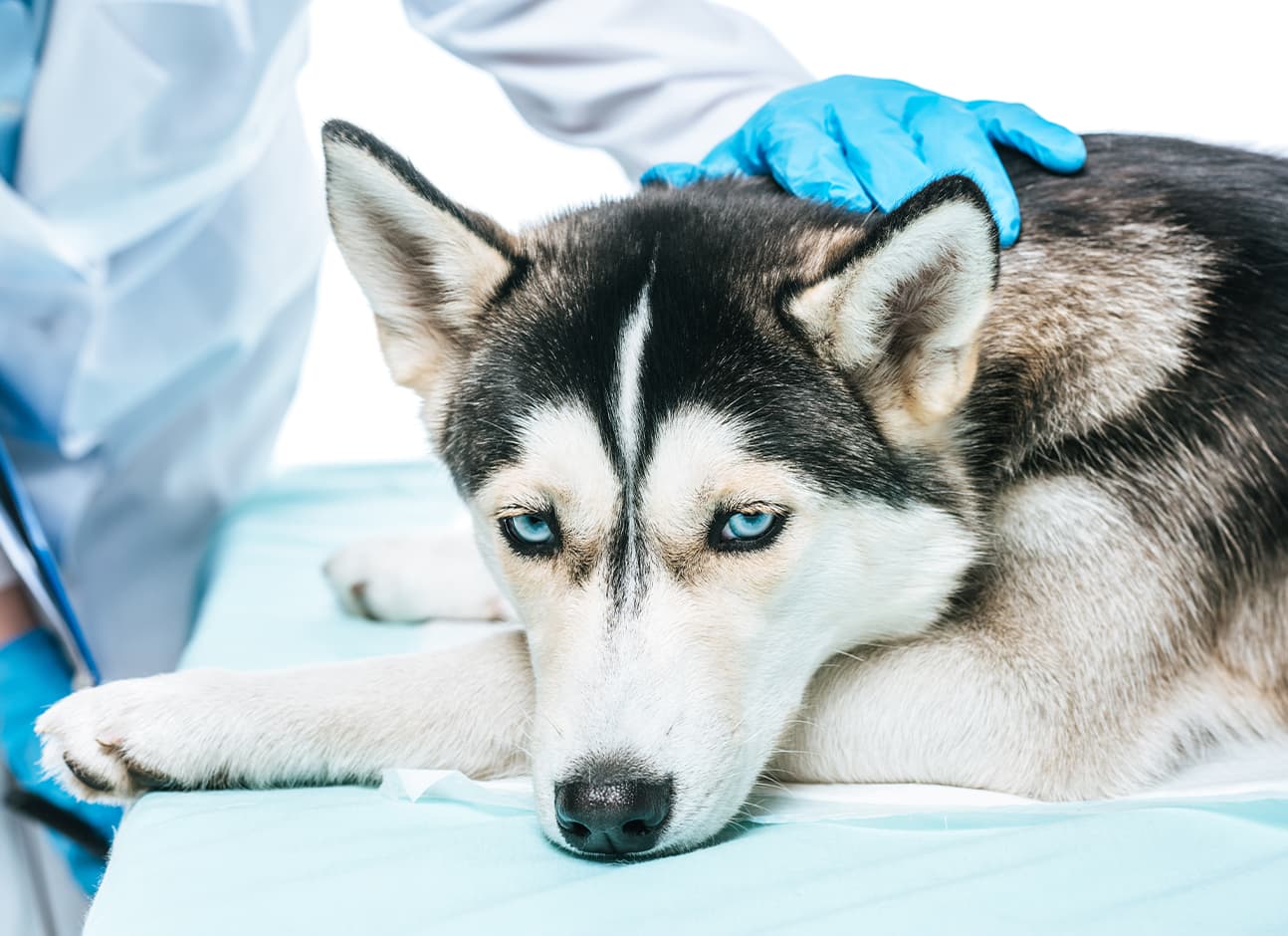
Cancer has grown to become a much-dreaded word over the years. Much like in human beings, cancer is also quite common among animals and is one of the leading causes of pet deaths.