

Reviewed by Dr. Nicoletta Nica
Updated on 24/06/2026
Reading time 3 min.
Overview
Severity: Low
Life stage: All
Limping in cats is often an indication that something has impacted a cat’s ability to move normally. A limp may develop suddenly due to an accident or gradually as a result of a long term medical condition. Based on the cause of the limp, your cat may favor one leg over the others, refrain from putting weight on one limb, or show reluctance to jump, climb, run, etc.
While many cases are caused by minor traumas which will resolve with rest, other cases can be indicative of serious conditions such as orthopedic issues, neurological problems and infectious disorders which require veterinary attention.
Reasons for Limping
Limping can result from a wide range of issues, from minor paw injuries to more complex diseases affecting the bones, joints, muscles, nerves, etc.
Common reasons include:
- Sprains & strains
- Fractures & dislocations
- Cuts, wounds, bruises
- Injuries to the paw pad
- Torn or infected nails
- A foreign object lodged in the paw
- Arthritis or joint disease
- Bite wound or abscess
- Metabolic bone diseases or joint disorders
- Nerve injuries, neurological conditions
Trauma is by far the most frequent cause of limping in cats. Falls, jumping accidents, road traffic incidents and fights with other animals all have the potential to lead to injuries that will impact mobility. In older cats, arthritis is a common cause of chronic limping and stiffness.
Symptoms
The severity of symptoms will often relate to the underlying cause and how much pain there is. Some cats may show only a slight change in their gait, while others may not be able to carry any weight at all on the affected limb.
Signs associated with Limping include:
- Favoring one leg
- Walking with an irregular gait
- Reluctance to jump or climb
- Reduced activity levels
- Swelling around the joints of the limbs
- Excessive licking or chewing of the affected area
- Hiding or avoiding interaction with people
- Irritability when touched
- Visible wounds or deformities
Most cats will continue to walk and actively behave as they did before, despite experiencing significant discomfort. Careful observation is important.
Risks
Limping allows the underlying disease to deteriorate and increases the possibility of long term complications.
Chronic Pain
Untreated injuries and chronic diseases in the joints can cause constant pain, which can significantly reduce a cat’s quality of life.
Reduced Mobility
Prolonged pain will reduce a cat’s ability to run, jump, groom, and carry out normal daily tasks.
Progression of Underlying Disease
Without proper treatment, conditions such as arthritis, infection, fracture, or neurological disorder could become worse, resulting in more serious health issues.
Secondary Injuries
Cats who change their gait to alleviate pain may put additional pressure on the remaining limbs and joints and increase the chance of future injury.
Diagnosis
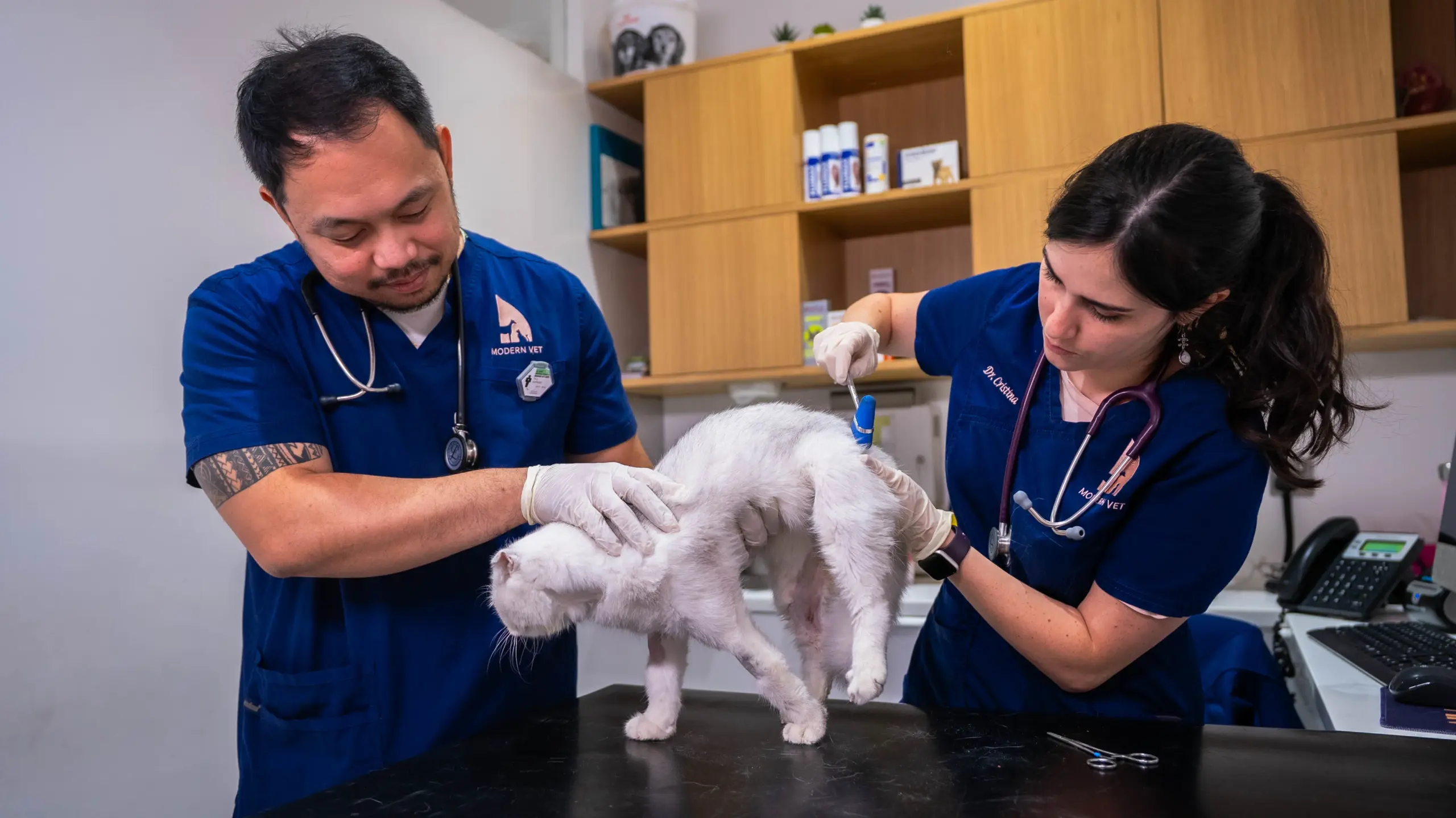
The first step to diagnose the condition is through a veterinary exam. A vet will look over your cat’s past medical record and physically examine your cat to assess the area of lameness, swelling, instability, or injury. Each limb, joint, and muscle will be thoroughly evaluated, and your veterinarian will also evaluate your cat’s gait by observing how they walk.
Any additional testing is based on what was found from the physical evaluation. Testing can consist of taking X-rays to view bones and joints; Blood work to check for infections or inflammation; or Advanced imaging such as CT scans or MRI for more complicated conditions.
Treatment
Treatment of a limping cat is based solely on the original condition causing the lameness. Rest and temporary reduction in activity might help minor soft tissue injuries.
If your cat has wounds, abscesses, or infections, they will need to have the wound cleaned, drained, treated with antibiotics, and relieved of pain.
Most bone fractures and joint dislocations need a lot more extensive treatment, such as splinting, casting, or surgery.
Longer-term care for cats suffering from arthritis can involve treating their symptoms with pain medication, maintaining their body weight, providing joint-support products, and modifying their environment.
Rehabilitation programs will also be beneficial. Cats suffering from neurologic conditions should receive treatments specifically targeting the underlying disorder of their nervous system.
Regardless of the cause of the lameness, relieving your cat’s pain is essential for improving movement and quality of life.
Prevention
Not every reason for a cat’s limping can be avoided, but there are things you can do to make sure fewer instances occur.
Keeping your cat in a safe area will decrease the likelihood of your cat falling down, getting into some kind of accident, or getting into a fight with another pet.
A healthier body weight will place less strain on the joints, which could help prevent future mobility problems associated with arthritis.
Regular visits to the vet will enable you to find out about potential health problems earlier in their development. Regular inspections of your cat’s paws and nails will help you catch any possible injuries or unwanted items prior to your cat experiencing too much pain.
Reviewed by
Dr. Nicoletta Nica
DVM, MRCVS
Dr. Nicoletta was born in Romania and studied veterinary medicine. After graduation Dr. Nicoletta worked for a small animal clinic.


What Is Laparoscopic Spaying?
The laparoscopic spay involves making 2 or 3 very small openings into the abdomen, rather than one big opening as...

Why are Dog Vaccinations Important?
Dogs can be vaccinated against many diseases by introducing a weakened or inactivated form of the disease into...

Why are Cat Vaccinations Important?
Protecting your cat's long term health through vaccination is one of the most critical components of...

What Is Veterinary Oncology?
Veterinary oncology at our clinic focuses on how we diagnose, treat, and manage cancer to improve outcomes and quality...

Pet Relocation
Moving to a new home with your pet involves more than packing boxes and booking travel. Because pets thrive on routine and familiar...

Why Is Routine Grooming Essential?
01
Promotes Skin and Coat Health When you don't brush regularly, dead hair, dirt and oil will accumulate...

What is Holistic Veterinary Care?
Holistic veterinary care is a total medical care system in which your veterinarian evaluates every aspect of your...

Advanced Dental Services
at Modern Vet
We offer full service dental care for dogs and cats, from preventive care to advanced surgery, to ensure...

What is Veterinary Neurology?
Veterinary neurology is a medical speciality concerned with diseases affecting the nervous system. Animals afflicted by...

What is a Wellness Exam?
A wellness exam is an all-inclusive examination of your pet's overall health and condition. A wellness exam is performed...

Why Does Your Pet Need Dermatology Care?
Many pet owners do not realize how significant it is to have their cat, dog, or other small animal receive...

Comprehensive Cat Health Services
Modern Vet offers comprehensive feline care through all phases of a cats life cycle, using advanced diagnostic...

Complete Pet Care for Dogs in Dubai The clinic has a wide variety of veterinary services that support canine health at all ages. Care is provided based...

Why is veterinary ophthalmology important?
Veterinary ophthalmology is concerned with diagnosing, treating and preventing disease in the eyes of...

Role of a Veterinary Cardiologist
A veterinary cardiologist is a veterinarian who has received advanced education and/or training in the diagnosis and...

Modern Rides Designed
for Pet Comfort
Modern Vet Dubai believes that pet transportation does not have to result in compromises. Many regular taxi...

Your Trusted Partner
in Your Pet’s Long Term Health The decision to have your pet spayed or neutered is one of the most responsible actions you can...

The Importance of Vaccination When your pet receives a vaccine, it trains their immune system to attack viruses and bacteria prior to them causing an...

A veterinary consultation is often the first and most important step in managing your pet’s health. When your dogs appear tired, your cats stop eating,...

For years, Modern Vet has been a trusted multi specialist veterinary provider for pet owners in Dubai. With the upgraded Modern Vet Mobile Clinic,...

Hydrotherapy for pets is one of the most rapidly adopted and effective rehabilitative techniques used today in veterinary medicine. The modality of...

Pet Emergency
Care in Dubai
Pet emergencies are unpredictable and time sensitive. Immediate veterinary care is essential for issues like toxin...

What Does Veterinary Orthopaedics Do?
Orthopaedic veterinary care focuses on providing diagnosis, treatment, surgical correction and prevention of...

Why does Veterinary
Physiotherapy Matter?
There are many musculoskeletal, neurologic, and post surgical conditions that can have a significant...

Food Delivery
Providing quality nutrition for your pet can be difficult. Pets have different needs than people do; however, both need the same basic...

The fastest-growing cities, including Dubai, need to prioritize pet welfare because their pet population exceeds available resources when not managed...

What Is Spaying & Neutering? Spaying and neutering are two common veterinary medical treatments which eliminate a dog's ability to reproduce....

What Is Spaying & Neutering?
Spaying or Neutering are two common medical procedures designed to limit the ability of cats to reproduce. Spaying is...