
Reviewed by Dr. Nicoletta Nica
Updated on 29/06/2026
Reading time 4 min.
Overview
Severity: Low
Life stage: All
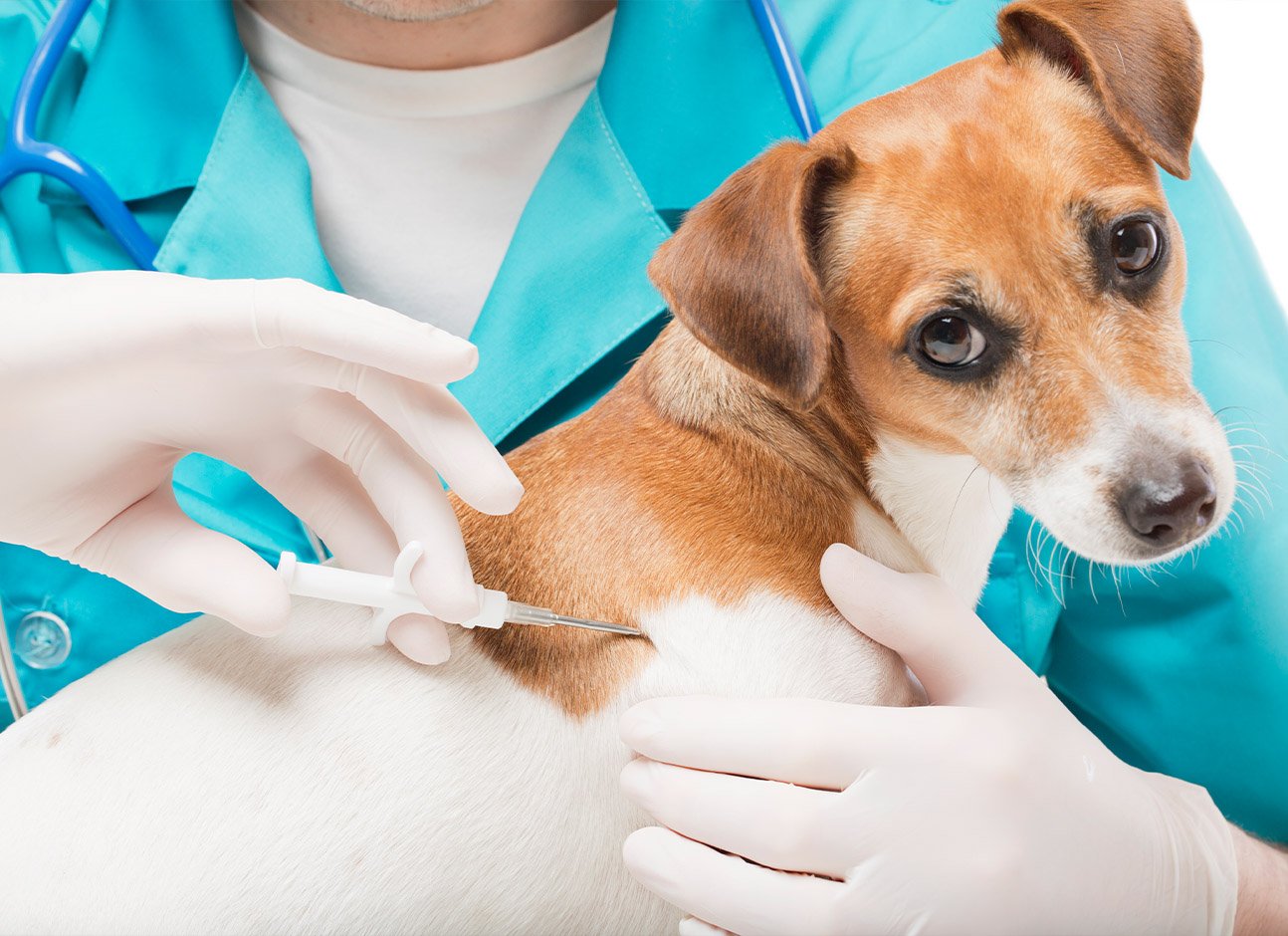
Microchipping your pets is a safe and permanent means of identification to help locate lost pets and unite them with their owners. A microchip is about the size of a grain of rice and is implanted under the skin between the shoulder blades.
Each microchip contains a unique identifier number that will display on a scanning machine that reads the number and connects it to the pet’s owner’s name and contact information stored in a database.
Since there are no moving parts, no batteries, and no GPS capabilities, a microchip does not track the location of the animal; it is a very reliable form of identification for pets that are found.
How Microchipping Works?
A veterinarian can insert a microchip by giving the pet an injection. The procedure is very quick and involves little to no pain.
The microchip does not activate unless it is scanned. When scanned, the microchip transmits its unique identification number to the scanner so that you can retrieve the registered owner’s information from the database.
Benefits of Microchipping
There are some great benefits of microchipping your pet. These include:
Permanent pet identification
One of the biggest advantages of microchips is that they provide permanent identification. Since a collar or tag can break or become dislodged, a microchip remains attached to the pet indefinitely. Also, since this is internal identification, it doesn’t matter what condition the pet is in or how dirty it may be.
Increased Chance of Reuniting Lost Pets
According to the American Veterinary Medical Association, microchipped pets have much greater odds of getting reunited with their owners. Many animal shelters and veterinary clinics use scanners to identify lost pets. If your pet gets lost, this increases the chances of finding your pet quickly.
Reliable Proof of Ownership
If there were ever a dispute about who owns a pet, having a microchip registered in your name can help establish ownership. It also proves that you are taking responsible care of your pet.
Widely Accepted System
Microchipping has international recognition. In many places, particularly those requiring pets to register prior to traveling abroad, you’ll need to have your pet micro-chipped before leaving.
Simple and Quick Procedure
Implanting a microchip into your pet is an extremely quick, easy, and non-invasive procedure. The microchip can generally be implanted in your pet by your veterinarian as part of a regular check-up (no sedation necessary), which makes it very easy on you as well as your pet.
Low Maintenance and Long-Term Safety
After being implanted, the microchip will never need any additional care, charging, or replacing. The microchip was made to remain in your pet for its entire life span and will continue to be safely located within your pet’s body.
Safety and Side Effects
Many experts consider microchipping a very low risk and generally safe for animals. Most pets only feel some minor, short-term pain or discomfort that is comparable to receiving an ordinary shot.
The possibility of serious complications from microchipping is very low.
After being microchipped, many Pets will only show a small amount of swelling or redness at the point where the Microchip was implanted; however, most resolve on their own in no time and do not require any medical treatment. Microchips do not hinder your pet’s ability to move around normally or affect its overall health.
When Should You Microchip Your Pet?
You can microchip your pet just about anytime you like. Early microchipping ensures permanent identification before pets become more independent or are at risk of getting lost. Adult or senior pets can also be safely microchipped at any time. Younger pets are much more likely to get lost while exploring than older pets.
Registration and Importance of Updated Information
In order for microchipping to work effectively, the owner must register the Microchip with a pet recovery service after it has been implanted. As such, the owner must take care to input all necessary contact information into the registration form. Additionally, it is essential to keep information up-to-date if there have been any changes in either phone numbers, addresses, or ownership. If there is no valid information associated with a Microchip, then it will not be able to assist in reconnecting a lost pet with its owner.
Limitations of Microchipping
Although microchipping is very effective, there are disadvantages associated with using it. A major disadvantage is that it is not capable of functioning as a GPS tracking device, nor will it give you the current location of your pet. Also, scanning a Microchip typically takes place at a veterinarian clinic or animal shelter.
Prevention of Pet Loss
Responsible pet ownership is necessary to achieve maximum effectiveness from your pet’s microchip.
Microchip use should include a combination of:
- An identification tag attached to your pet’s collar
- Securing all doors and/or gates to prevent escape
- Pet training for recalling to you quickly in case of separation
- Taking great care in monitoring your pets while they are out in public and/ or unfamiliar territories
Combining microchip technology and responsible pet ownership will make your pet safer than either method alone.
Reviewed by
Dr. Nicoletta Nica
DVM, MRCVS
Dr. Nicoletta was born in Romania and studied veterinary medicine. After graduation Dr. Nicoletta worked for a small animal clinic.


What Is Laparoscopic Spaying?
The laparoscopic spay involves making 2 or 3 very small openings into the abdomen, rather than one big opening as...

Why are Dog Vaccinations Important?
Dogs can be vaccinated against many diseases by introducing a weakened or inactivated form of the disease into...

Why are Cat Vaccinations Important?
Protecting your cat's long term health through vaccination is one of the most critical components of...

What Is Veterinary Oncology?
Veterinary oncology at our clinic focuses on how we diagnose, treat, and manage cancer to improve outcomes and quality...

Pet Relocation
Moving to a new home with your pet involves more than packing boxes and booking travel. Because pets thrive on routine and familiar...

Why Is Routine Grooming Essential?
01
Promotes Skin and Coat Health When you don't brush regularly, dead hair, dirt and oil will accumulate...

What is Holistic Veterinary Care?
Holistic veterinary care is a total medical care system in which your veterinarian evaluates every aspect of your...

Advanced Dental Services
at Modern Vet
We offer full service dental care for dogs and cats, from preventive care to advanced surgery, to ensure...

What is Veterinary Neurology?
Veterinary neurology is a medical speciality concerned with diseases affecting the nervous system. Animals afflicted by...

What is a Wellness Exam?
A wellness exam is an all-inclusive examination of your pet's overall health and condition. A wellness exam is performed...

Why Does Your Pet Need Dermatology Care?
Many pet owners do not realize how significant it is to have their cat, dog, or other small animal receive...

Comprehensive Cat Health Services
Modern Vet offers comprehensive feline care through all phases of a cats life cycle, using advanced diagnostic...

Complete Pet Care for Dogs in Dubai The clinic has a wide variety of veterinary services that support canine health at all ages. Care is provided based...

Why is veterinary ophthalmology important?
Veterinary ophthalmology is concerned with diagnosing, treating and preventing disease in the eyes of...

Role of a Veterinary Cardiologist
A veterinary cardiologist is a veterinarian who has received advanced education and/or training in the diagnosis and...

Modern Rides Designed
for Pet Comfort
Modern Vet Dubai believes that pet transportation does not have to result in compromises. Many regular taxi...

Your Trusted Partner
in Your Pet’s Long Term Health The decision to have your pet spayed or neutered is one of the most responsible actions you can...

The Importance of Vaccination When your pet receives a vaccine, it trains their immune system to attack viruses and bacteria prior to them causing an...

A veterinary consultation is often the first and most important step in managing your pet’s health. When your dogs appear tired, your cats stop eating,...

For years, Modern Vet has been a trusted multi specialist veterinary provider for pet owners in Dubai. With the upgraded Modern Vet Mobile Clinic,...

Hydrotherapy for pets is one of the most rapidly adopted and effective rehabilitative techniques used today in veterinary medicine. The modality of...

Pet EmergencyCare in Dubai Pet emergencies are unpredictable and time sensitive. Immediate veterinary care is essential for issues like toxin ingestion,...

What Does Veterinary Orthopaedics Do? Orthopaedic veterinary care focuses on providing diagnosis, treatment, surgical correction and prevention of...

Why does Veterinary
Physiotherapy Matter?
There are many musculoskeletal, neurologic, and post surgical conditions that can have a significant...

You want the best for your pet’s health and longevity, but feeding them well-balanced meals can be difficult. The same principles apply to humans also...

The fastest-growing cities, including Dubai, need to prioritize pet welfare because their pet population exceeds available resources when not managed...

What Is Spaying & Neutering? Spaying and neutering are two common veterinary medical treatments which eliminate a dog's ability to reproduce....

What Is Spaying & Neutering?
Spaying or Neutering are two common medical procedures designed to limit the ability of cats to reproduce. Spaying is...