
Reviewed by Dr. Nicoletta Nica
Updated on 22/06/2026
Reading time 4 min.
Overview
Severity: Low
Life stage: All
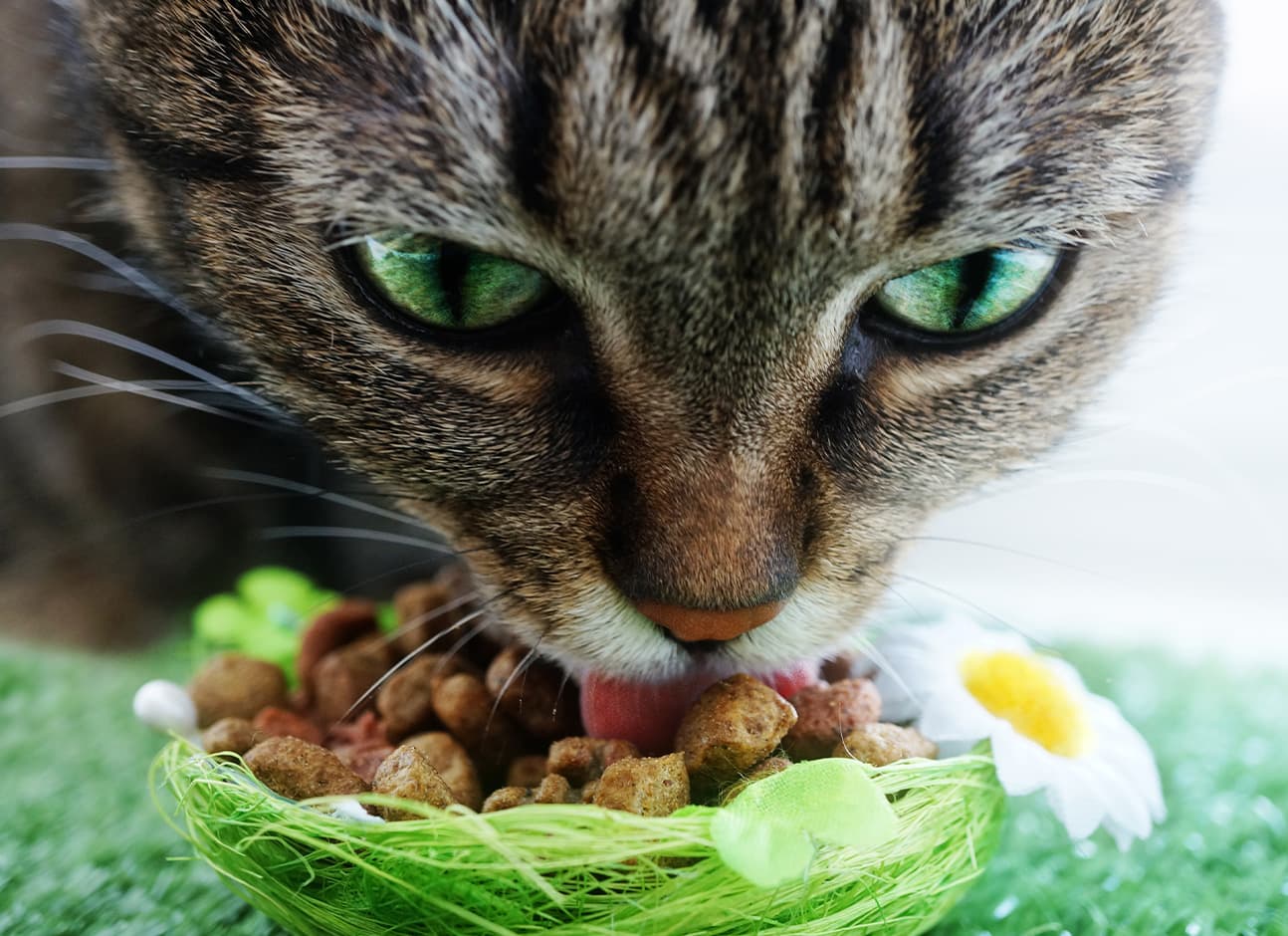
Cat nutrition refers to providing a balanced intake of nutrients required for growth, energy and overall health. Since cats are obligate carnivores (they have to consume animal protein to maintain health), it is essential for them to obtain their necessary nutrients from the protein portion of their diet. Proper nutrition supports immune function, maintains healthy body weight, promotes skin and coat health and reduces the risk of disease.
Proper nutrition does not consist only of feeding enough food; however, it involves feeding the appropriate foods at the correct amount based on the life stage and general state of your cat’s physical health. Poor nutrition could cause your cat to become obese, develop digestive problems and may lead to additional chronic health issues.
Key Nutritional Requirements
Cats are like no other animals when it comes to their nutritional requirements. Cats require a diet of the highest quality with the following characteristics:
- High quality animal protein as the primary energy source
- Essential amino acids (e.g., taurine) required to maintain heart function and vision
- Adequate amounts of healthy fats for energy production and skin maintenance
- Vitamins and minerals necessary to support all physiological processes in the body
- Sufficient water intake; this can be particularly difficult for cats that consume dried foods.
Types of Cat Food
Cat owners have a variety of choices about what to feed their cats, based on their preferences and their cats’ health needs.
Commercial Diets
Most cat owners use commercial foods that are formulated by the manufacturer to meet specific nutritional requirements.
- Commercial dry foods (also called kibble) are easy to provide for your cat and help keep teeth clean; however, they contain relatively low amounts of moisture compared to other options available.
- Canned or pouched wet foods contain more moisture than dry foods and most cats find them easier to eat.
It is common practice to feed some combination of both dry and wet foods to allow your cat adequate hydration as well as good nutrition.
Homemade Diets
Some owners choose home prepared diets for their cats. However, those who prepare home diets must ensure that all necessary nutrients are provided in correct proportions. If the diet does not include sufficient quantities of taurine or certain vitamins, then serious problems could develop in the cat’s body due to malnutrition.
Raw Diets
Raw diets are also sometimes chosen by owners. Raw diets carry potential risks, including bacterial contamination (such as Salmonella or E. coli) and nutritional imbalance if not properly formulated. Therefore, when considering a raw diet for your pet, you should consult with a veterinarian to discuss how best to manage that choice.
Nutritional Needs by Life Stage
The needs for cats when it comes to nutrition will vary based on the cat’s age and condition.
For example, kittens have very high protein and caloric demands because of the rate at which they grow and develop. On the other hand, adult cats require a well balanced diet that provides them with enough calories and energy to maintain a healthy weight.
Additionally, senior cats often need to follow a lower calorie diet rich in easily digested nutrients to help meet the changing needs of their aging bodies. Finally, pregnant/nursing cats need more energy and nutrients so they can provide both themselves and their kittens with what they need.
Common Nutritional Problems
Poor or unbalanced nutrition has been associated with numerous feline health problems. Some examples include:
- Obesity due to overfeeding (or feeding too many high calorie foods)
- Malnutrition resulting from feeding your cat poor quality or incomplete foods
- Digestive disorders (such as vomiting/diarrhea)
- Urinary Tract Disorders (caused by an imbalance of minerals in the urine), etc.
Feeding Guidelines
In addition to providing your cat with the right type of food, proper feeding methods are also crucial. For instance:
Measuring how much you feed your cat can be helpful in helping to control his weight.
Fresh water must be provided at all times; this is vital in maintaining the overall health of your cat’s kidneys and urinary system.
A routine feeding schedule should be developed for your cat and treats should be given sparingly in order to minimize excess calorie consumption.
Prevention of Nutritional Issues
Good nutrition for your feline is achieved through regularity and knowledge.
High quality complete cat foods are the basis of good health. Routine visits to the veterinarian will assist you with identifying early warning signs of nutritional imbalances or weight changes in your pet. Feeding your cat based on their age, activity level and any health related conditions that may exist is a very important aspect for maintaining long term health.
Reviewed by
Dr. Nicoletta Nica
DVM, MRCVS
Dr. Nicoletta was born in Romania and studied veterinary medicine. After graduation Dr. Nicoletta worked for a small animal clinic.


Pet Relocation
Moving to a new home with your pet involves more than packing boxes and booking travel. Because pets thrive on routine and familiar...

Why Is Routine Grooming Essential?
01
Promotes Skin and Coat Health When you don't brush regularly, dead hair, dirt and oil will accumulate...

What is Holistic Veterinary Care?
Holistic veterinary care is a total medical care system in which your veterinarian evaluates every aspect of your...

Advanced Dental Services
at Modern Vet
We offer full service dental care for dogs and cats, from preventive care to advanced surgery, to ensure...

What is Veterinary Neurology?
Veterinary neurology is a medical speciality concerned with diseases affecting the nervous system. Animals afflicted by...

What is a Wellness Exam?
A wellness exam is an all-inclusive examination of your pet's overall health and condition. A wellness exam is performed...
Why Does Your Pet Need Dermatology Care?
Many pet owners do not realize how significant it is to have their cat, dog, or other small animal receive...

Comprehensive Cat Health Services
Modern Vet offers comprehensive feline care through all phases of a cats life cycle, using advanced diagnostic...

Complete Pet Care for Dogs in Dubai The clinic has a wide variety of veterinary services that support canine health at all ages. Care is provided based...

Why is veterinary ophthalmology important?
Veterinary ophthalmology is concerned with diagnosing, treating and preventing disease in the eyes of...

Role of a Veterinary Cardiologist
A veterinary cardiologist is a veterinarian who has received advanced education and/or training in the diagnosis...

Modern Rides Designed
for Pet Comfort
Modern Vet Dubai believes that pet transportation does not have to result in compromises. Many regular taxi...

Your Trusted Partner
in Your Pet’s Long Term Health The decision to have your pet spayed or neutered is one of the most responsible actions you can...

The Importance of Vaccination When your pet receives a vaccine, it trains their immune system to attack viruses and bacteria prior to them causing an...

A veterinary consultation is often the first and most important step in managing your pet’s health. When your dogs appear tired, your cats stop eating,...

Cancer is one of the most significant health challenges facing pets today, affecting millions of dogs and cats worldwide each year. A cancer diagnosis...

Spaying is an important part of being a responsible pet owner. It helps keep the number of pets down and is very good for the health of female dogs and...

For years, Modern Vet has been a trusted multi specialist veterinary provider for pet owners in Dubai. With the upgraded Modern Vet Mobile Clinic,...

Hydrotherapy for pets is one of the most rapidly adopted and effective rehabilitative techniques used today in veterinary medicine. The modality of...

Save our number now so you are prepared if the worst happens.
24-Hour Emergency Hotline: 800-82
Address: Umm Suqeim, Al Wasl Road, Villa #793,...

At Modern Veterinary Hospital, we know that being able to move comfortably is critical to your furry friends’ overall happiness and well-being....

Pet physiotherapy is an important and growing aspect of veterinary medicine, addressing recovery from injury, surgery, chronic conditions or poor...

You want the best for your pet’s health and longevity, but feeding them well-balanced meals can be difficult. The same principles apply to humans also...

The fastest-growing cities, including Dubai, need to prioritize pet welfare because their pet population exceeds available resources when not managed...

At ModernVet, we are committed wholeheartedly to improving the wellbeing of your faithful canines with our state-of-the-art dog spay and neuter services....

ModernVet offers professional cat spaying and neutering services that deliver top-level care to feline pets. The procedures form an essential part of...

A powerful alliance based in Dubai's center has established new benchmarks for animal medical care. Modern Vet operates as a top veterinary hospital...

For every devoted cat owner, ensuring the long-term health and happiness of their feline companion is a top priority. Protecting cats from infectious...