

Reviewed by Dr. Nicoletta Nica
Updated on 23/06/2026
Reading time 3 min.
Overview
Severity: Low
Life stage: All
Dental disease in dogs is one of the most prevalent pet health issues seen by veterinarians in clinics for adult and senior animals. Periodontal disease is an inflammatory process that progresses through the supportive tissues of the teeth (periodontium), which include the gingiva (gums), periodontal ligament, and alveolar bone. Typically, the progression of periodontal disease begins with a build-up of plaque around the teeth, and can ultimately develop into a more serious infection if left untreated.
Because many pet owners do not recognize early-stage dental disease due to its non-painful nature and possible lack of visible symptoms, the effects of periodontal disease become increasingly apparent when the disease has advanced.
Causes
The primary source for the development of periodontal disease is the formation of an excessive amount of plaque on the teeth from the accumulation of bacteria, food particles, and saliva. If the plaque is not consistently cleaned off, it will become hardened into a substance called calculus (tartar). This tartar forms on the tooth surface and below the gum line.
The potential for developing the disease may be influenced by several factors, including:
- Poor oral hygiene or infrequent dental care
- Soft diets that do not provide mechanical plaque removal
- Small-breed dogs have crowded teeth and are therefore more susceptible to developing the disease than larger breeds.
- Age: Older dogs are at greater risk of developing the disease.
- Genetic predisposition to develop the disease in certain breeds.
- Underlying medical issues that compromise the dog’s ability to fight infection.
As soon as bacteria establish colonies under the gum line, they induce an immune response. The immune response damages both soft tissues and bones. As a result, there is progressive periodontal destruction.
Symptoms
Early warning signs of periodontal disease in dogs tend to be mild at first; however, the more severe they get, the easier they will be noticed.
Some common symptoms of periodontal disease in dogs include:
- Bad breath (Halitosis)
- Teeth with yellow or brown tartar buildup
- Red, inflamed, or bleeding gums
- Difficulty chewing (dropping food from their mouths)
- Increased drooling
- Pawing at the mouth or face
- Loose or missing teeth
- Decreased appetite or preference for softer food
As the disease progresses in severity and affects the dog’s overall health status, it is possible that the dog could appear irritable, painful, and lose weight because of decreased ability to consume adequate amounts of nutrients through solid food.
Risks
Untreated dental disease due to poor oral hygiene can be quite dangerous. If dental disease is left untreated, there could potentially be some serious issues with it.
Some of the key dangers associated with dental issues include:
- Destruction of bone that supports your dog tooth(s) resulting in tooth loss
- Affecting your pet’s quality of life by creating chronic oral pain
- Creating abscesses and other types of infections within the mouth
- Some forms of dental bacteria enter the bloodstream, causing bacteremia
- May contribute to systemic inflammation and has been associated with changes in organs such as the heart, liver, and kidneys
The potential for these diseases to become systemic, spreading bacteria and inflammation throughout the body, makes it difficult to consider periodontal disease as simply being a problem related to the mouth; rather, this is an entire-body health risk.
Diagnosis
Veterinary professionals use a combination of oral examinations and assessments of your pet’s teeth to diagnose periodontal disease.
When a veterinarian conducts an examination of your pet’s teeth, they will evaluate their appearance visually. The veterinarian will look at signs of possible irritation, possible gum inflammation, and any evidence that may suggest discomfort. A complete evaluation, however, will require dental X-rays. The veterinarian will have to sedate your pet to obtain these X-rays because they are taken under general anesthesia. Once obtained, these X-ray images allow the veterinarian to see how much bone has been lost and to also locate the amount of disease located beneath the gum line.
Treatment
Treatment for Periodontal Disease depends on how badly your dog’s gums are affected.
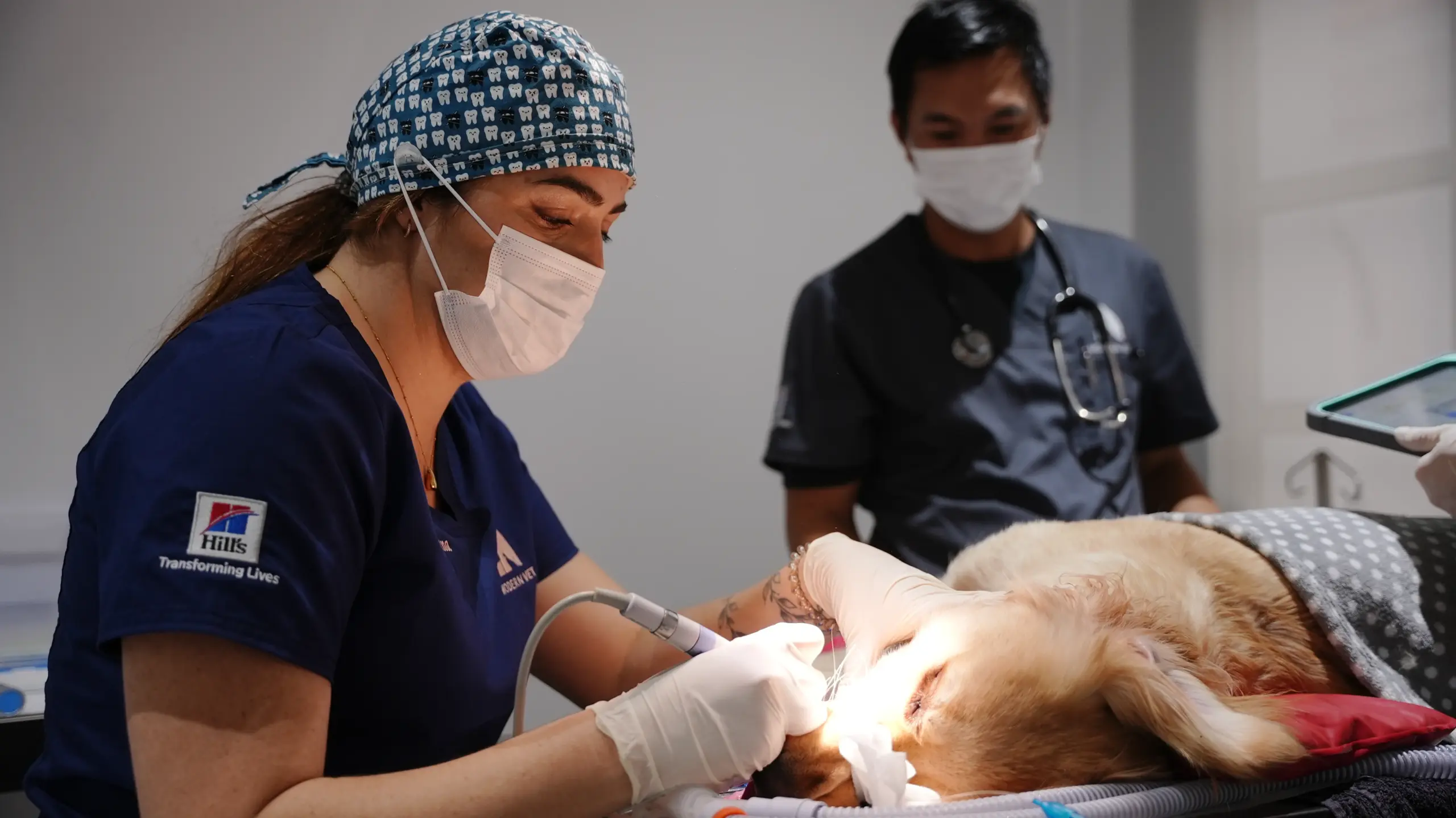
Mildly affected dogs can usually get their teeth cleaned with a professional dental cleaning. The process will include a deep scale that removes all plaque and tartar from both above and below the gum line. Afterward, they will polish each tooth to make it harder for plaque/tartar to build up in the future.
Moderate to severely affected dogs may need additional treatments such as:
- A deep clean of the teeth while the dog is under general anesthesia
- Extraction of teeth that are severely rotted or loose
- Antibiotics to stop/kill the infection
- Pain management medications
- Anti-inflammatory treatments
Eventually, some dogs reach a point where extracting the diseased teeth is the best course of action, especially when trying to prevent further pain and discomfort.
Prevention
Preventing periodontal disease is much cheaper to do and simpler than to treat. It all comes down to consistent dental health for your pet.
Strategies to prevent periodontal diseases are simple and can be implemented into your pet’s daily routine:
- Brushing their teeth daily using dog-safe toothpaste
- Scheduling regular veterinary dental exams
- Fed dental diets or fed specifically designed chew toys to help remove plaque from your dogs’ teeth
- Follow professional cleaning recommendations by your veterinarian
- Avoid feeding too many soft foods to avoid an increase in plaque building up on your pets’ teeth
Early Start of Dental Health in Dogs Helps Reduce Risk of Disease Later.
Reviewed by
Dr. Nicoletta Nica
DVM, MRCVS
Dr. Nicoletta was born in Romania and studied veterinary medicine. After graduation Dr. Nicoletta worked for a small animal clinic.


What Is Laparoscopic Spaying?
The laparoscopic spay involves making 2 or 3 very small openings into the abdomen, rather than one big opening as...

Why are Dog Vaccinations Important?
Dogs can be vaccinated against many diseases by introducing a weakened or inactivated form of the disease into...

Why are Cat Vaccinations Important?
Protecting your cat's long term health through vaccination is one of the most critical components of...

Pet Relocation
Moving to a new home with your pet involves more than packing boxes and booking travel. Because pets thrive on routine and familiar...

Why Is Routine Grooming Essential?
01
Promotes Skin and Coat Health When you don't brush regularly, dead hair, dirt and oil will accumulate and...

What is Holistic Veterinary Care?
Holistic veterinary care is a total medical care system in which your veterinarian evaluates every aspect of your...

Advanced Dental Services
at Modern Vet
We offer full service dental care for dogs and cats, from preventive care to advanced surgery, to ensure your...

What is Veterinary Neurology?
Veterinary neurology is a medical speciality concerned with diseases affecting the nervous system. Animals afflicted by...

What is a Wellness Exam?
A wellness exam is an all-inclusive examination of your pet's overall health and condition. A wellness exam is performed...

Why Does Your Pet Need Dermatology Care?
Many pet owners do not realize how significant it is to have their cat, dog, or other small animal receive...

Comprehensive Cat Health Services
Modern Vet offers comprehensive feline care through all phases of a cats life cycle, using advanced diagnostic...

Complete Pet Care for Dogs in Dubai The clinic has a wide variety of veterinary services that support canine health at all ages. Care is provided based...

Why is veterinary ophthalmology important?
Veterinary ophthalmology is concerned with diagnosing, treating and preventing disease in the eyes of...

Role of a Veterinary Cardiologist
A veterinary cardiologist is a veterinarian who has received advanced education and/or training in the diagnosis and...

Modern Rides Designed
for Pet Comfort
Modern Vet Dubai believes that pet transportation does not have to result in compromises. Many regular taxi...

Your Trusted Partner
in Your Pet’s Long Term Health The decision to have your pet spayed or neutered is one of the most responsible actions you can...

The Importance of Vaccination When your pet receives a vaccine, it trains their immune system to attack viruses and bacteria prior to them causing an...

A veterinary consultation is often the first and most important step in managing your pet’s health. When your dogs appear tired, your cats stop eating,...

Cancer is one of the most significant health challenges facing pets today, affecting millions of dogs and cats worldwide each year. A cancer diagnosis...

For years, Modern Vet has been a trusted multi specialist veterinary provider for pet owners in Dubai. With the upgraded Modern Vet Mobile Clinic,...

Hydrotherapy for pets is one of the most rapidly adopted and effective rehabilitative techniques used today in veterinary medicine. The modality of...

Save our number now so you are prepared if the worst happens.
24-Hour Emergency Hotline: 800-82
Address: Umm Suqeim, Al Wasl Road, Villa #793,...

At Modern Veterinary Hospital, we know that being able to move comfortably is critical to your furry friends’ overall happiness and well-being....

Pet physiotherapy is an important and growing aspect of veterinary medicine, addressing recovery from injury, surgery, chronic conditions or poor...

You want the best for your pet’s health and longevity, but feeding them well-balanced meals can be difficult. The same principles apply to humans also...

The fastest-growing cities, including Dubai, need to prioritize pet welfare because their pet population exceeds available resources when not managed...

At ModernVet, we are committed wholeheartedly to improving the wellbeing of your faithful canines with our state-of-the-art dog spay and neuter services....

ModernVet offers professional cat spaying and neutering services that deliver top-level care to feline pets. The procedures form an essential part of...