

Reviewed by Dr. Nicoletta Nica
Updated on 30/06/2026
Reading time 4 min.
Overview
Severity: Low
Life stage: All
A normal pregnancy in dogs (also referred to as gestation) occurs when a fertilized egg grows from an embryo to pups within the uterus. The average gestational length for a dog is approximately 63 days; however, some breeds or individual dogs may have gestations that are longer than or shorter than this average.
During the pregnancy of a dog, many physical and hormonal changes help promote the growth of the developing fetuses. Normal pregnancies will follow a typical progression and result in the birth of healthy puppies.
Abnormalities with either the mom or the pups can develop at any point during the pregnancy process; these abnormalities can be detrimental to the health of one or both and will typically need veterinary assistance.
Normal Pregnancy in Dogs
Beginning with conception, a normal pregnancy will go through several developmental stages. Each stage has its own unique physiological and behavioral changes that occur in the dog’s body.
Early Stage (0 to 3 weeks)
In this first phase of pregnancy, the fertilized embryo travels down the fallopian tube and implants itself in the lining of the uterus. During this time, there can be little evidence from the outside of an impending pregnancy but some pregnant dogs do exhibit small behavior changes such as reduced interest in food etc.
Mid Stage (3 to 6 weeks)
The middle phase of fetal development is also known as the peak growth rate. This is when the fetus develops at its fastest rate and the mother’s belly starts to expand. It is during these times that weight gain for the mother will become noticeable and her appetite should increase.
Common signs include:
- Enlarged abdomen
- Increased appetite
- Mild mammary gland development
- Slight behavioral changes such as increased calmness
Late Stage (6 to 9 weeks)
As a dog’s pregnancy reaches its last stage, fetal growth has essentially completed. As an impending delivery nears, some behaviors exhibited by the mother may be indicative of nearing delivery. They can demonstrate a variety of behaviors including nesting (pacing back-and-forth), being restless and having less of an interest in food.
Some other signs to look for are;
- A noticeable increase in movement of the puppy
- Swollen breasts, which may have started to produce milk
- Lower than normal body temperatures just prior to labor
- Frequent urination due to the increased pressure on the bladder
Normal Labor and Delivery
A normal birth, also referred to as parturition, is defined as one that does not involve any complications. Normal births will normally progress through three distinct phases, uterine contractions, birthing of puppies and expulsion of placenta. The length of time required to complete each phase will vary based on the number of puppies in the litter.
Pathological Pregnancy in Dogs
Pathological pregnancy can be described as an abnormal situation affecting either the mother or her developing pups at some point through gestation or birth. The variety of pathological pregnancies can range from hormone imbalance to an emergency.
Causes of Abnormal Pregnancy
There are several reasons why there can be complications with pregnancy. Reasons are infections, hormonal disorders, genetic anomalies, malnutrition, uterine issues and trauma.
One reason for reproductive failures (pregnancy) in the dog is Brucellosis, a bacterial infection. Hormonal imbalance can result in “false” pregnancy or loss of the puppy. Also, the uterus can become infected during or after the pregnancy, known as pyometra and this can cause serious illness or death of the female.
Common Pathological Conditions
Miscarriage (Spontaneous Abortion)
Beginning with miscarriage which is the term used when an embryo or fetus loses its viability before reaching full term; this can happen at any point during the reproductive cycle, but most commonly due to infection, hormone imbalances, physical injury, or anatomical defects of the fetus. The clinical presentation can involve either vaginal discharge, abdominal pain, or abrupt cessation of all previously observed pregnancy-related symptoms.
Pyometra
Pyometra is a very serious infection of the uterus that can develop in a non-pregnant female. Pyometra can also complicate or mimic other reproductive conditions, such as pregnancy. When pyometra develops, pus accumulates within the uterus and rapidly becomes life threatening if left untreated. Symptoms may include fever, lethargy, vomiting, extreme thirst and purulent vaginal discharge.
Resorption of Fetus
When an embryo is resorbed early in pregnancy, the body absorbs the tissues rather than allowing them to continue development. A resorbed pregnancy often has no visible clinical manifestations and appears to progress through the reproductive cycle until the disappearance of what was once considered a viable pregnancy.
Dystocia
The term dystocia describes difficult labor for whelping. Dystocia is typically caused by large offspring, improper fetal alignment relative to pelvic dimensions, uterine fatigue, or too small of pelvis for delivery. Dystocia represents a veterinary emergency requiring either medical intervention or surgical procedure (C-section).
Eclampsia (Milk Fever)
Eclampsia is characterized by low serum calcium levels and this condition is commonly found in late stages of pregnancy or early stages of lactation. Eclampsia can produce many different clinical manifestations including convulsions, muscular twitching, irritability, fever and seizures. If eclampsia is allowed to progress without treatment, death will follow.
Symptoms of Pathological Pregnancy
Recognizing abnormal signs early is crucial for timely intervention.
Early Warning Signs
- Unusual or bad smelling uterus secretions
- Not wanting to eat, or a drop in appetite
- Not being active, or showing lower amounts of energy
- Discomfort or pain in the stomach
- Elevated body temperature (fever), or other indications of infection
Severe Signs
- Inability to give birth after numerous episodes of trying
- Lengthy birthing period (greater than normal)
- Having seizures or shaking muscles
- Severe weakness or collapse
- Not feeling any fetal moves in the last three months of pregnancy
If your pet exhibits any of these signs, there is an immediate need for a veterinarian.
Diagnosis
Diagnosis of pregnancy status and complications involves both clinical diagnosis and diagnostic imaging.
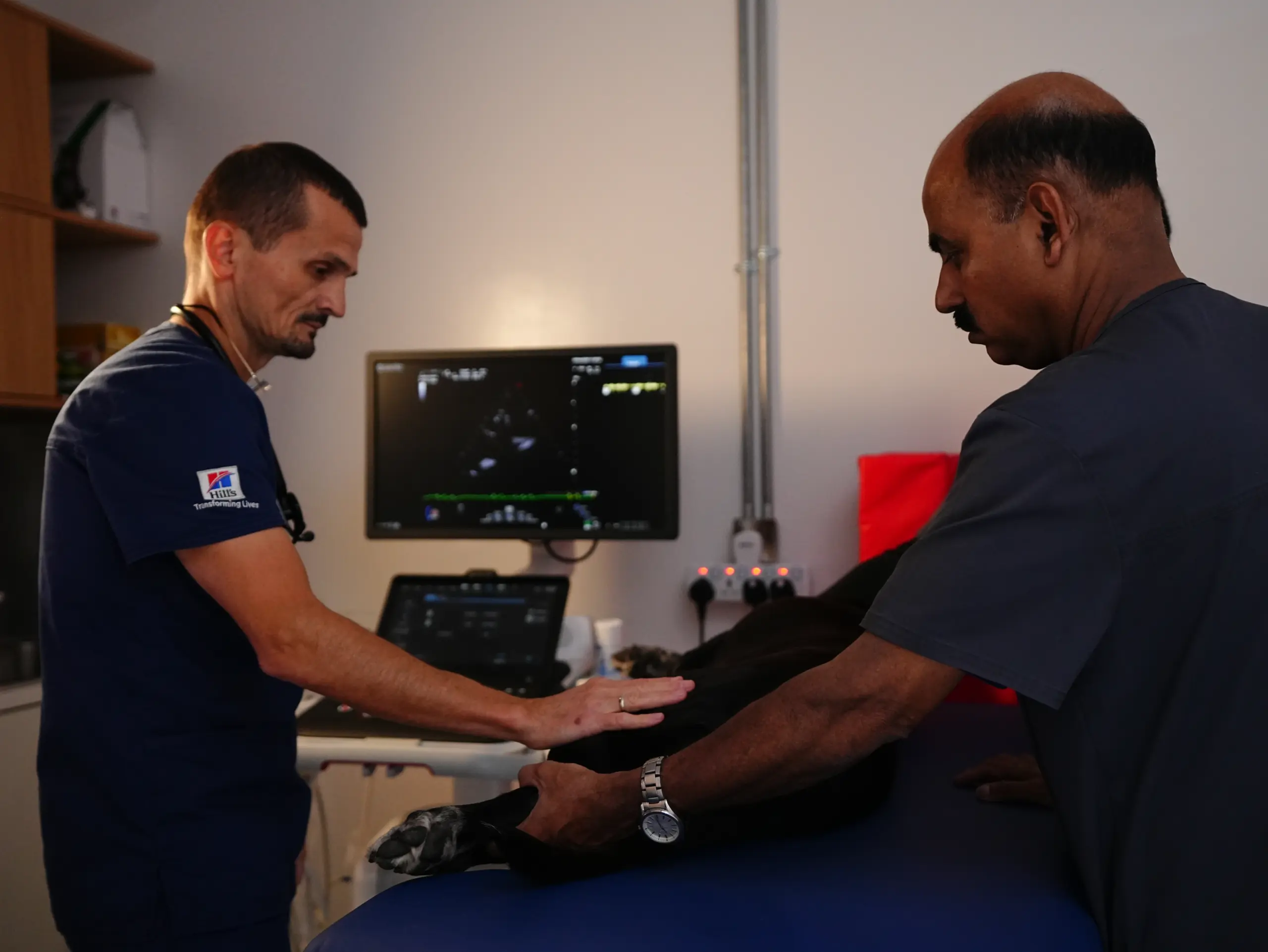
The most common use of ultrasound during the first and middle trimesters is to confirm viability and normal growth. Ultrasound can also identify potential problems with the fetus, including fetal demise and uterine anomalies.
X-ray will usually provide better information on litter size, position of the fetus at time of delivery and readiness for birth than ultrasound. Blood tests can aid in assessing if an animal has an infection or abnormal hormonal levels. If a pathological condition is suspected, further testing, such as a bacterial culture or hormone assay may be indicated.
Treatment
Treatment depends on whether pregnancy is normal or complicated.
Management of Normal Pregnancy
Proper nutrition, exercise and routine veterinary attention are essential for a healthy dog pregnancy. Diet should be well balanced and include a sufficient energy source to meet the needs of the growing fetus. Careful veterinary oversight is also necessary for successful vaccination and parasite control programs.
Medical Treatment of Complications
- Antibiotic treatment of bacterial infections including Pyometra
- Calcium supplementation for Eclampsia
- Hormonal therapies may be indicated in select reproductive disorders
- Fluid replacement therapy if dehydrated or systemically ill
Surgical Intervention
If the above mentioned care is not successful, surgical intervention may be required. A cesarean section procedure normally takes place when a normal delivery isn’t possible or fetal or maternal distress is identified. In the case of a life threatening uterine infection, an emergency surgery may occur.
Prevention
The breeder’s accountability in breeding and providing proper health care before, during and after the pregnancy reduces complications.
- Conducting reproductive health checks and evaluations before breeding.
- Providing proper nutrition and weight control.
- Avoiding breeding dogs with injuries or genetic or reproductive conditions.
- Scheduling regular prenatal veterinary visits.
- Monitoring the dog closely during late-term pregnancy and delivery.
- Providing a safe and calming atmosphere for the dog to deliver.
A strong emphasis on early identification and prevention of complications results in significantly better outcomes for pregnant dogs and their puppies.
Reviewed by
Dr. Nicoletta Nica
DVM, MRCVS
Dr. Nicoletta was born in Romania and studied veterinary medicine. After graduation Dr. Nicoletta worked for a small animal clinic.



What is Holistic Veterinary Care?
Holistic veterinary care is a total medical care system in which your veterinarian evaluates every aspect of your...

Advanced Dental Services
at Modern Vet
We offer full service dental care for dogs and cats, from preventive care to advanced surgery, to ensure...

What is Veterinary Neurology?
Veterinary neurology is a medical speciality concerned with diseases affecting the nervous system. Animals afflicted by...

What is a Wellness Exam?
A wellness exam is an all-inclusive examination of your pet's overall health and condition. A wellness exam is performed...

Why Does Your Pet Need Dermatology Care?
Many pet owners do not realize how significant it is to have their cat, dog, or other small animal receive...

Comprehensive Cat Health Services
Modern Vet offers comprehensive feline care through all phases of a cats life cycle, using advanced diagnostic...

Complete Pet Care for Dogs in Dubai The clinic has a wide variety of veterinary services that support canine health at all ages. Care is provided based...

Why is veterinary ophthalmology important?
Veterinary ophthalmology is concerned with diagnosing, treating and preventing disease in the eyes of...

Role of a Veterinary Cardiologist
A veterinary cardiologist is a veterinarian who has received advanced education and/or training in the diagnosis...

Modern Rides Designed
for Pet Comfort
Modern Vet Dubai believes that pet transportation does not have to result in compromises. Many regular taxi...

Your Trusted Partner
in Your Pet’s Long Term Health The decision to have your pet spayed or neutered is one of the most responsible actions you can...

The Importance of Vaccination When your pet receives a vaccine, it trains their immune system to attack viruses and bacteria prior to them causing an...

A veterinary consultation is often the first and most important step in managing your pet’s health. When your dogs appear tired, your cats stop eating,...

Cancer is one of the most significant health challenges facing pets today, affecting millions of dogs and cats worldwide each year. A cancer diagnosis...

Spaying is an important part of being a responsible pet owner. It helps keep the number of pets down and is very good for the health of female dogs and...

For years, Modern Vet has been a trusted multi specialist veterinary provider for pet owners in Dubai. With the upgraded Modern Vet Mobile Clinic,...

Hydrotherapy for pets is one of the most rapidly adopted and effective rehabilitative techniques used today in veterinary medicine. The modality of...

Moving to a new house is a life-altering situation, and it is not only about packing the boxes and securing plane tickets when you have pets. Your furry...

Save our number now so you are prepared if the worst happens.
24-Hour Emergency Hotline: 800-82
Address: Umm Suqeim, Al Wasl Road, Villa #793,...

At Modern Veterinary Hospital, we know that being able to move comfortably is critical to your furry friends’ overall happiness and well-being....

Pet physiotherapy is an important and growing aspect of veterinary medicine, addressing recovery from injury, surgery, chronic conditions or poor...

Your pet requires the best care, including nutritious food, veterinary visits, and professional grooming services for year-round comfort, cleanliness,...

You want the best for your pet’s health and longevity, but feeding them well-balanced meals can be difficult. The same principles apply to humans also...

The fastest-growing cities, including Dubai, need to prioritize pet welfare because their pet population exceeds available resources when not managed...

At ModernVet, we are committed wholeheartedly to improving the wellbeing of your faithful canines with our state-of-the-art dog spay and neuter services....

ModernVet offers professional cat spaying and neutering services that deliver top-level care to feline pets. The procedures form an essential part of...

A powerful alliance based in Dubai's center has established new benchmarks for animal medical care. Modern Vet operates as a top veterinary hospital...

For every devoted cat owner, ensuring the long-term health and happiness of their feline companion is a top priority. Protecting cats from infectious...