

Reviewed by Dr. Nicoletta Nica
Updated on 22/06/2026
Reading time 4 min.
Overview
Severity: Low
Life stage: All
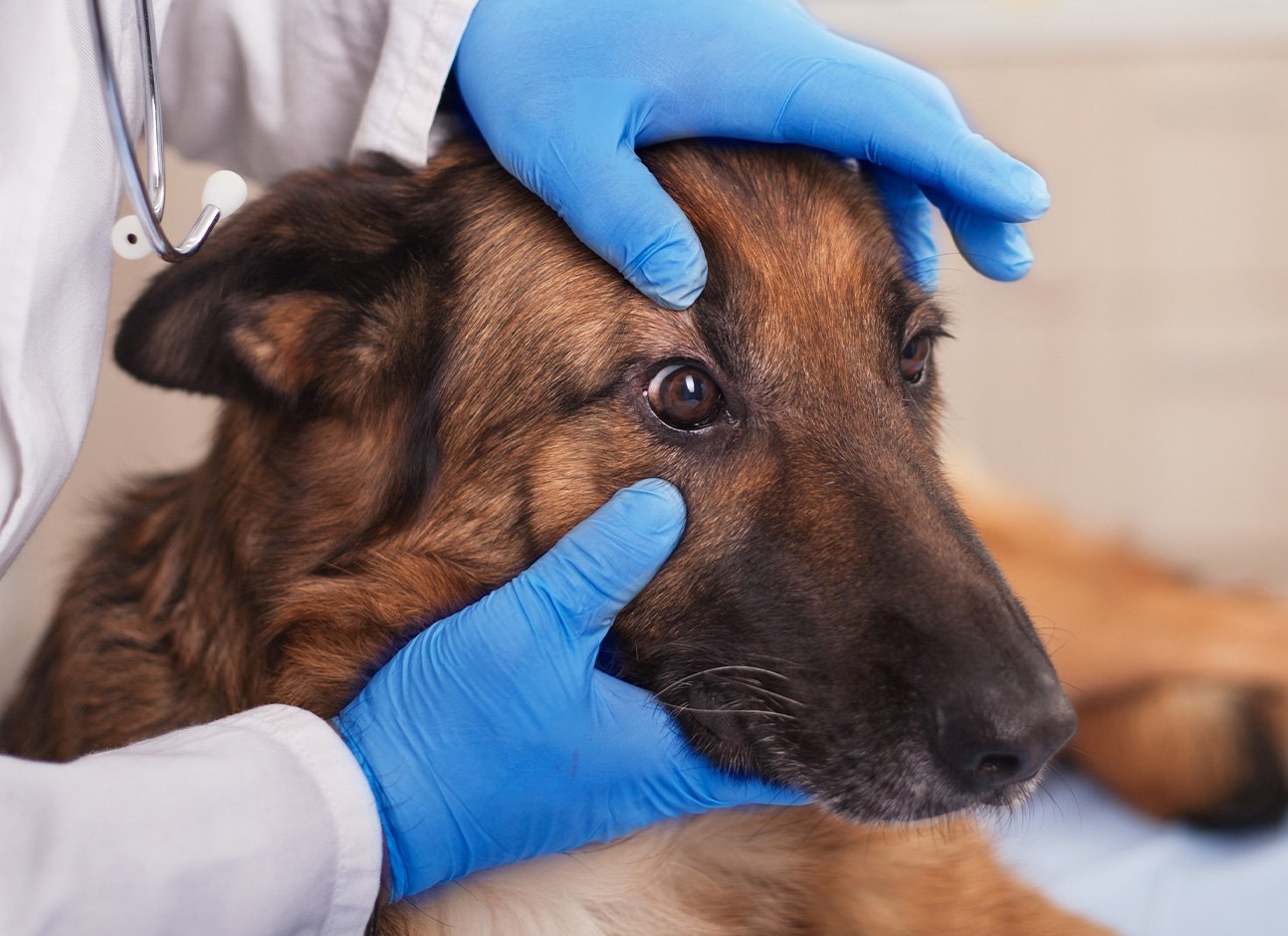
Increased intraocular pressure in the dog’s eye due to the inability of the eye to drain excess fluids results in serious ocular disease known as glaucoma. Inability of the eye to drain excess fluids causes intraocular pressure increase which then puts pressure on the retina and optic nerve, causing them to become damaged.
Damage to the optic nerve occurs because this nerve transmits all of the visual information from the retina to the brain, and if damaged, it will result in either total blindness or at least some degree of blindness. A sudden onset of glaucoma is referred to as acute, whereas a gradual development is chronic.
Chronic glaucoma may be less immediately severe than acute glaucoma; however, both forms have potential for permanent vision loss. Due to its irreversible nature and rapid progression, glaucoma is viewed as an emergency medical condition by veterinarians.
Causes
Glaucoma happens because there has been an imbalance in the rate at which the eye produces fluids versus the rate at which these fluids drain from the eye. Fluid buildup within the eye may occur either due to a normal developmental issue (abnormality) of the drainage system in the eye itself or due to an existing disease affecting the eye.
Primary (Inherited) Glaucoma
The most common type of glaucoma is called primary glaucoma; it occurs when no other underlying eye condition exists and is typically inherited. Primary glaucoma is due to a developmental abnormality of the drainage angle in the eye, causing an inability to properly drain fluid.
Dog breeds more commonly affected with this hereditary disorder include:
- Cocker Spaniels
- Basset Hounds
- Beagles
- Shih Tzus
- Siberian Huskies
These breeds have a genetic predisposition to developing primary glaucoma, which often occurs during adulthood or middle age.
Secondary Glaucoma
Secondary glaucoma occurs due to a pre-existing eye condition or accident that obstructs the drainage of fluids through the eye. Some examples of conditions leading to secondary glaucoma include:
- Uveitis
- Cataracts (advanced stage cataract)
- Lens Luxation (lens displacement)
- Eye injuries or accidents
- Tumor formation in the eye
Chronic eye infections or damage
Symptoms
Glaucoma’s signs will depend upon if you have acute glaucoma or chronic glaucoma; however, both forms are usually very painful and noticeable.
The most common signs for each form of glaucoma include:
- Redness of the eye
- The cornea appears cloudy or bluish
- Excessive tearing or eye discharge
- Squints to keep the eye shut
- Pupil becomes dilated and does not react as normal when exposed to light
- Eye becomes bulging or swollen
- Vision loss or impaired vision
- Behavioral changes associated with eye pain, such as irritability or restlessness
- Rubbing or pawing at the eye
Symptoms of Acute Glaucoma may come on fast and become extremely uncomfortable over a period of hours.
Risks
One of the most serious eye diseases in dogs is the quick and irreversible effects of glaucoma.
Permanent Vision Loss
The high pressure in your dog’s eye will cause damage to the optic nerve. Increased intraocular pressure can rapidly and permanently damage the optic nerve, leading to irreversible vision loss if not treated promptly.
Severe Eye Pain
Your dog with glaucoma is very uncomfortable and is experiencing extreme eye pain. There is a constant headache-like sensation that your dog will experience. Dogs may become withdrawn, restless, or irritable because of the significant pain associated with glaucoma.
Structural Eye Damage
Increased pressure for an extended period of time on your dog’s eyes can cause stretching and destruction to the shape of your dog’s eyes. This can cause buphthalmos (enlargement of your dog’s eye) and corneal degeneration.
Loss of the Eye
If your dog has suffered enough pain and pressure in either the early stages or the later stages of glaucoma that the condition cannot be managed, surgery to remove the eye may be performed to maintain the quality of your dog’s life.
Diagnosis
The sooner that you diagnose your pet’s glaucoma, the better chance they have of maintaining their vision and controlling pain.
Tonometry (Eye Pressure Measurement)
A tonometer can be used by a veterinarian or technician to determine whether there has been an increase in intraocular pressure. Intraocular pressure is increased in cases of glaucoma.
Eye Examination
A complete ophthalmic examination helps assess the cornea, lens, iris, retina and other structures that may be affected by glaucoma.
Additional Diagnostic Tests
The veterinarian may also perform other diagnostic testing depending upon what is happening with your pet, such as:
- Performing gonioscopy to see the structure of the drainage angle
- Using ultrasound to look at damage internally
- Performing fluorescein staining to detect injury to the cornea
- Conducting general health testing to find secondary glaucoma
Treatment
Treatment focuses on lowering intraocular pressure, relieving pain, and preserving vision whenever possible.
Medical Management
The first treatments will probably be oral and/or topical, with options including:
- Treatment by eye drops that help reduce the production of fluids within the eye and promote a better flow through the trabecular meshwork
- Oral medications to lower the IOP
- Anti-inflammatory medications to control swelling and pain
- Medications to provide pain relief
In acute glaucoma situations, immediate treatment is necessary so you can have an increased chance of retaining your remaining vision.
Surgical Treatment
If medical therapy is insufficient or vision cannot be preserved, then surgical therapy should be considered. Your surgeon has several options
- A laser procedure to stop the production of additional aqueous humor
- Surgical implants designed to enhance the outflow of aqueous humor from the eye
- Removal of the affected eye (enucleation) may be recommended for eyes that are permanently blind and painful.
Even when vision cannot be saved, medical and surgical treatments can help relieve pain and maintain a good quality of life.
Prevention
Not all types of Glaucoma are preventable. Inherited types of Glaucoma cannot be prevented. However, early detection and ongoing monitoring may help reduce the risk of severe complications and vision loss.
Regular Eye Examinations
By having your pet’s eyes checked by a veterinarian on a routine basis, you will be able to recognize any changes in their eye that could lead to long-term vision loss.
Breed Awareness
Owners of breeds predisposed to glaucoma should monitor their dogs closely for signs of eye disease and seek veterinary attention promptly if abnormalities develop.
Early Treatment of Eye Diseases
Any eye condition, including but not limited to uveitis, cataract, or injury, needs to be addressed quickly so that secondary Glaucoma does not develop.
Monitoring for Early Signs
Redness, Cloudy eyes, squinting, or other behavior that indicates possible eye pain; all need to be taken seriously.
Reviewed by
Dr. Nicoletta Nica
DVM, MRCVS
Dr. Nicoletta was born in Romania and studied veterinary medicine. After graduation Dr. Nicoletta worked for a small animal clinic.


What Is Laparoscopic Spaying?
The laparoscopic spay involves making 2 or 3 very small openings into the abdomen, rather than one big opening as...

Why are Dog Vaccinations Important?
Dogs can be vaccinated against many diseases by introducing a weakened or inactivated form of the disease into...

Why are Cat Vaccinations Important?
Protecting your cat's long term health through vaccination is one of the most critical components of...

What Is Veterinary Oncology?
Veterinary oncology at our clinic focuses on how we diagnose, treat, and manage cancer to improve outcomes and quality...

Pet Relocation
Moving to a new home with your pet involves more than packing boxes and booking travel. Because pets thrive on routine and familiar...

Why Is Routine Grooming Essential?
01
Promotes Skin and Coat Health When you don't brush regularly, dead hair, dirt and oil will accumulate...

What is Holistic Veterinary Care?
Holistic veterinary care is a total medical care system in which your veterinarian evaluates every aspect of your...

Advanced Dental Services
at Modern Vet
We offer full service dental care for dogs and cats, from preventive care to advanced surgery, to ensure your...

What is Veterinary Neurology?
Veterinary neurology is a medical speciality concerned with diseases affecting the nervous system. Animals afflicted by...

What is a Wellness Exam?
A wellness exam is an all-inclusive examination of your pet's overall health and condition. A wellness exam is performed...

Why Does Your Pet Need Dermatology Care?
Many pet owners do not realize how significant it is to have their cat, dog, or other small animal receive...

Comprehensive Cat Health Services
Modern Vet offers comprehensive feline care through all phases of a cats life cycle, using advanced diagnostic...
Complete Pet Care for Dogs in Dubai The clinic has a wide variety of veterinary services that support canine health at all ages. Care is provided based...

Why is veterinary ophthalmology important?
Veterinary ophthalmology is concerned with diagnosing, treating and preventing disease in the eyes of...

Role of a Veterinary Cardiologist
A veterinary cardiologist is a veterinarian who has received advanced education and/or training in the diagnosis and...

Modern Rides Designed
for Pet Comfort
Modern Vet Dubai believes that pet transportation does not have to result in compromises. Many regular taxi...

Your Trusted Partner
in Your Pet’s Long Term Health The decision to have your pet spayed or neutered is one of the most responsible actions you can...

The Importance of Vaccination When your pet receives a vaccine, it trains their immune system to attack viruses and bacteria prior to them causing an...
A veterinary consultation is often the first and most important step in managing your pet’s health. When your dogs appear tired, your cats stop eating,...
For years, Modern Vet has been a trusted multi specialist veterinary provider for pet owners in Dubai. With the upgraded Modern Vet Mobile Clinic,...

Hydrotherapy for pets is one of the most rapidly adopted and effective rehabilitative techniques used today in veterinary medicine. The modality of...

Pet EmergencyCare in Dubai Pet emergencies are unpredictable and time sensitive. Immediate veterinary care is essential for issues like toxin ingestion,...

What Does Veterinary Orthopaedics Do? Orthopaedic veterinary care focuses on providing diagnosis, treatment, surgical correction and prevention of...

Why does Veterinary Physiotherapy Matter?
There are many musculoskeletal, neurologic, and post surgical conditions that can have a significant impact...

You want the best for your pet’s health and longevity, but feeding them well-balanced meals can be difficult. The same principles apply to humans also...

The fastest-growing cities, including Dubai, need to prioritize pet welfare because their pet population exceeds available resources when not managed...

What Is Spaying & Neutering? Spaying and neutering are two common veterinary medical treatments which eliminate a dog's ability to reproduce....

What Is Spaying & Neutering?
Spaying or Neutering are two common medical procedures designed to limit the ability of cats to reproduce. Spaying is...





 Chat
Chat


