
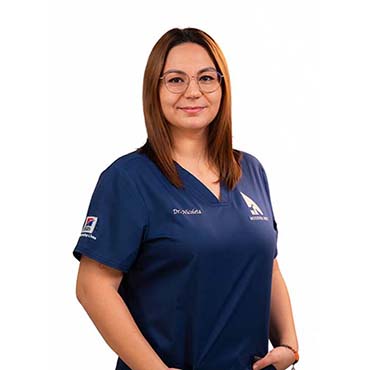
Reviewed by Dr. Nicoletta Nica
Updated on 24/06/2026
Reading time 4 min.
Overview
Severity: Low
Life stage: All
The accumulation of excess body fat to the point of affecting the dog’s ability to move, its health and the quality of its life constitutes obesity in dogs. Obesity is one of the most common nutrition-related health problems seen in companion animals and typically develops gradually over time. Due to an increase in food intake and a decrease in physical activity, this type of problem will develop in a slow manner over a period of time.
As the weight gain occurs gradually, many pet owners do not realize there is a problem until later stages. Moderate levels of obesity can result in substantial stress on all joints, the heart, lungs, etc. Therefore, if left unmanaged, it may also shorten the animal’s lifespan and lead to chronic health problems.
Causes
Obesity occurs in dogs when their daily calorie consumption exceeds the amount of calories their body burns consistently. More often than not, obesity is linked to lifestyle and eating habits, rather than an individual disease.
Overeating is one of the leading causes of obesity in dogs and many times, overeating will occur through being fed excessively large amounts at meals, receiving multiple treats throughout the day, or eating table scraps.
Dogs that are not regularly exercised are another group that has a high risk for developing obesity, especially if they live indoors or do not have a sufficient opportunity to walk.
Neutering or spaying can contribute to weight gain by altering hormone levels, which may reduce metabolic rate and increase appetite.
Another factor is age; senior dogs typically develop decreased physical activity. Although rare, obesity may sometimes result from underlying medical conditions such as hypothyroidism and Cushing’s disease.
Symptoms
Generally speaking, obesity in dogs can be detected by changes to their physical appearance as well as an obvious decrease in active movement.
- A loss of the abdominal waistline and a rounder body profile
- The ribs are difficult to feel beneath the layer of body fat
- Fat accumulation on the abdomen (belly), chest area and base of the dog’s tail
- Becomes tired easily and may be reluctant to participate in physical activity
- Difficulty climbing stairs, jumping, or completing longer walks
- Reduced stamina and exercise tolerance
- Some dogs may exhibit mild shortness of breath while exercising.
Risks
Excess body weight has an impact on almost every system in the body of a dog and can result in many health issues.
Excess body weight places continuous strain on the joints, increasing the risk of arthritis, ligament injuries and chronic discomfort. It also puts increased pressure on the heart and lungs, making it difficult to sustain normal activity and circulate oxygen.
Dogs that have excess body weight have an increased risk of developing metabolic disorders like diabetes mellitus. Dogs with excess body weight often cannot tolerate heat well and when the weather is hot, they become even more at risk. Ultimately, excess body weight decreases mobility, comfort and life expectancy.
Diagnosis
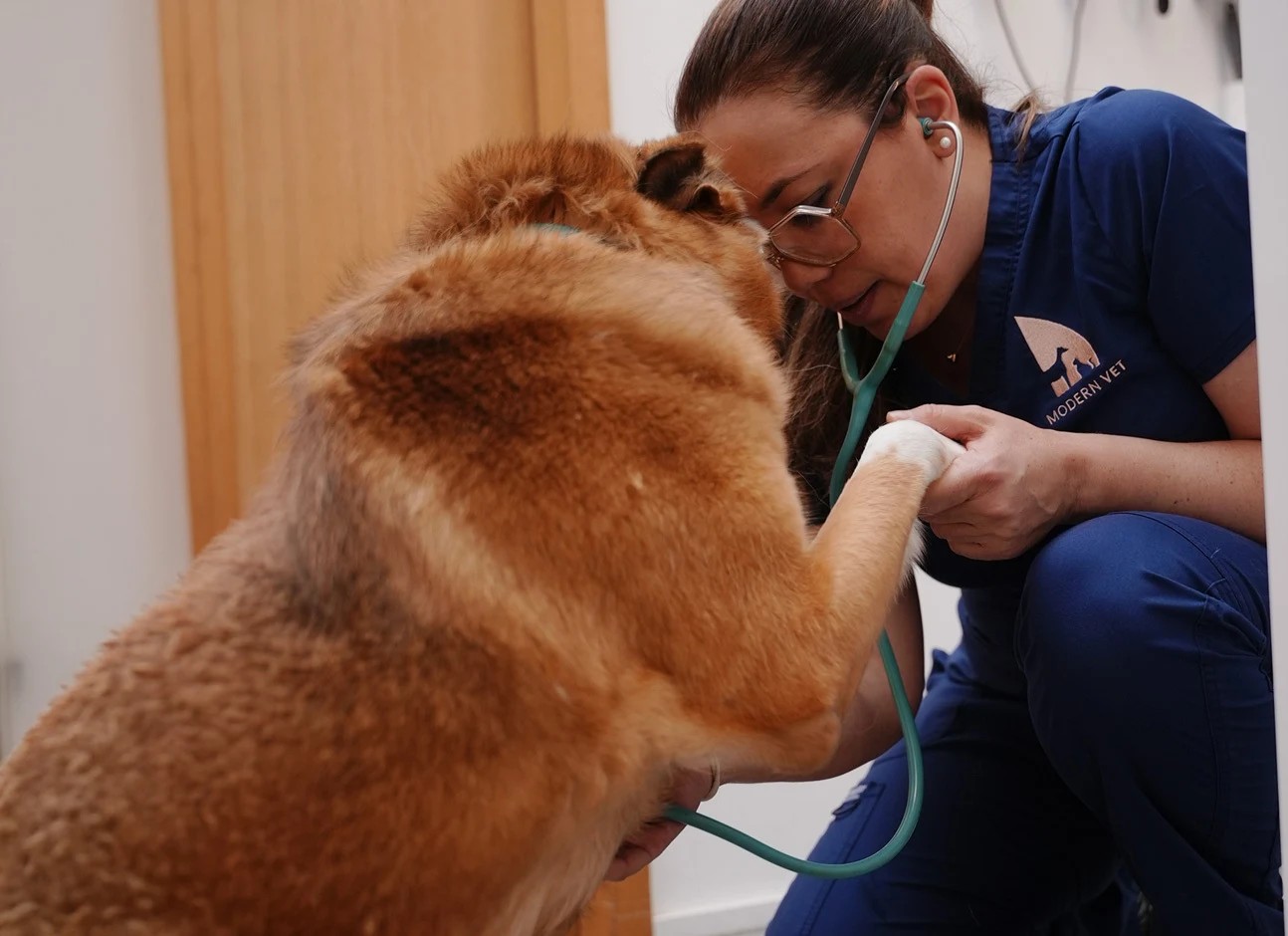
Excess body weight is diagnosed by veterinarians through a combination of a physical exam and a structured assessment tool. The Body Condition Score (BCS) method is used most frequently to measure the degree of fat cover over the ribcage, back and abdominal area, allowing veterinarians to decide if your dog is underweight, ideal weight, overweight or obese.
Vets will look at total body weight, muscle condition and how the fat is distributed. At times, vets will perform a series of blood tests or do additional testing to confirm that no existing medical issue is causing the excessive body weight.
Treatment
The goal of treatment is slow, controlled weight loss with diet modification, exercise and routine evaluation.
Diet Management
Dogs are often transitioned to a calorie controlled diet that is higher in protein and fiber to help maintain satiety while reducing overall calorie intake. It is necessary for portion management, as well as to eliminate free feeding or frequent treat giving.
Exercise Plan
Gradual introduction of physical activity is made according to how fit the dog is. Recommended activities may include regular walks, controlled play sessions, and other low-impact exercises. For dogs who are very obese, an increase in activity needs to occur at a slow pace so as not to damage joints and cause cardiac issues.
Throughout the entire treatment process, veterinary supervision is needed to make sure weight loss occurs safely and steadily. Weight loss must not happen too quickly because this can result in significant muscle loss along with several other potential complications.
Prevention
Preventing your pet from becoming obese is far easier than treating a pet that has become overweight or obese. In most cases, it simply boils down to establishing and maintaining daily routines for food and activity.
- Feed controlled amounts (measured) rather than allowing free feeding
- Treats should be limited and table scraps are best avoided
- Daily regular walks should be established
- Weight monitoring through routine vet visits
- Dietary adjustments may be necessary after neutering and as dogs age.
Maintaining consistency in diet and activity is the key factor in long-term weight control.
Reviewed by
Dr. Nicoletta Nica
DVM, MRCVS
Dr. Nicoletta was born in Romania and studied veterinary medicine. After graduation Dr. Nicoletta worked for a small animal clinic.

Pet Relocation
Moving to a new home with your pet involves more than packing boxes and booking travel. Because pets thrive on routine and familiar...

Why Is Routine Grooming Essential?
01
Promotes Skin and Coat Health When you don't brush regularly, dead hair, dirt and oil will accumulate...

What is Holistic Veterinary Care?
Holistic veterinary care is a total medical care system in which your veterinarian evaluates every aspect of your...
Advanced Dental Services
at Modern Vet
We offer full service dental care for dogs and cats, from preventive care to advanced surgery, to ensure...

What is Veterinary Neurology?
Veterinary neurology is a medical speciality concerned with diseases affecting the nervous system. Animals afflicted by...

What is a Wellness Exam?
A wellness exam is an all-inclusive examination of your pet's overall health and condition. A wellness exam is performed...
Why Does Your Pet Need Dermatology Care?
Many pet owners do not realize how significant it is to have their cat, dog, or other small animal receive...

Comprehensive Cat Health Services
Modern Vet offers comprehensive feline care through all phases of a cats life cycle, using advanced diagnostic...
Complete Pet Care for Dogs in Dubai The clinic has a wide variety of veterinary services that support canine health at all ages. Care is provided based...

Why is veterinary ophthalmology important?
Veterinary ophthalmology is concerned with diagnosing, treating and preventing disease in the eyes of...
Role of a Veterinary Cardiologist
A veterinary cardiologist is a veterinarian who has received advanced education and/or training in the diagnosis...

Modern Rides Designed
for Pet Comfort
Modern Vet Dubai believes that pet transportation does not have to result in compromises. Many regular taxi...

Your Trusted Partner
in Your Pet’s Long Term Health The decision to have your pet spayed or neutered is one of the most responsible actions you can...

The Importance of Vaccination When your pet receives a vaccine, it trains their immune system to attack viruses and bacteria prior to them causing an...
A veterinary consultation is often the first and most important step in managing your pet’s health. When your dogs appear tired, your cats stop eating,...

Cancer is one of the most significant health challenges facing pets today, affecting millions of dogs and cats worldwide each year. A cancer diagnosis...

Spaying is an important part of being a responsible pet owner. It helps keep the number of pets down and is very good for the health of female dogs and...
For years, Modern Vet has been a trusted multi specialist veterinary provider for pet owners in Dubai. With the upgraded Modern Vet Mobile Clinic,...

Hydrotherapy for pets is one of the most rapidly adopted and effective rehabilitative techniques used today in veterinary medicine. The modality of...

Save our number now so you are prepared if the worst happens.
24-Hour Emergency Hotline: 800-82
Address: Umm Suqeim, Al Wasl Road, Villa #793,...

At Modern Veterinary Hospital, we know that being able to move comfortably is critical to your furry friends’ overall happiness and well-being....

Pet physiotherapy is an important and growing aspect of veterinary medicine, addressing recovery from injury, surgery, chronic conditions or poor...

You want the best for your pet’s health and longevity, but feeding them well-balanced meals can be difficult. The same principles apply to humans also...

The fastest-growing cities, including Dubai, need to prioritize pet welfare because their pet population exceeds available resources when not managed...

At ModernVet, we are committed wholeheartedly to improving the wellbeing of your faithful canines with our state-of-the-art dog spay and neuter services....

ModernVet offers professional cat spaying and neutering services that deliver top-level care to feline pets. The procedures form an essential part of...

A powerful alliance based in Dubai's center has established new benchmarks for animal medical care. Modern Vet operates as a top veterinary hospital...

For every devoted cat owner, ensuring the long-term health and happiness of their feline companion is a top priority. Protecting cats from infectious...