
 Updated: 29/06/2026
COVID-19 AND PETS – WHAT YOU NEED TO KNOW
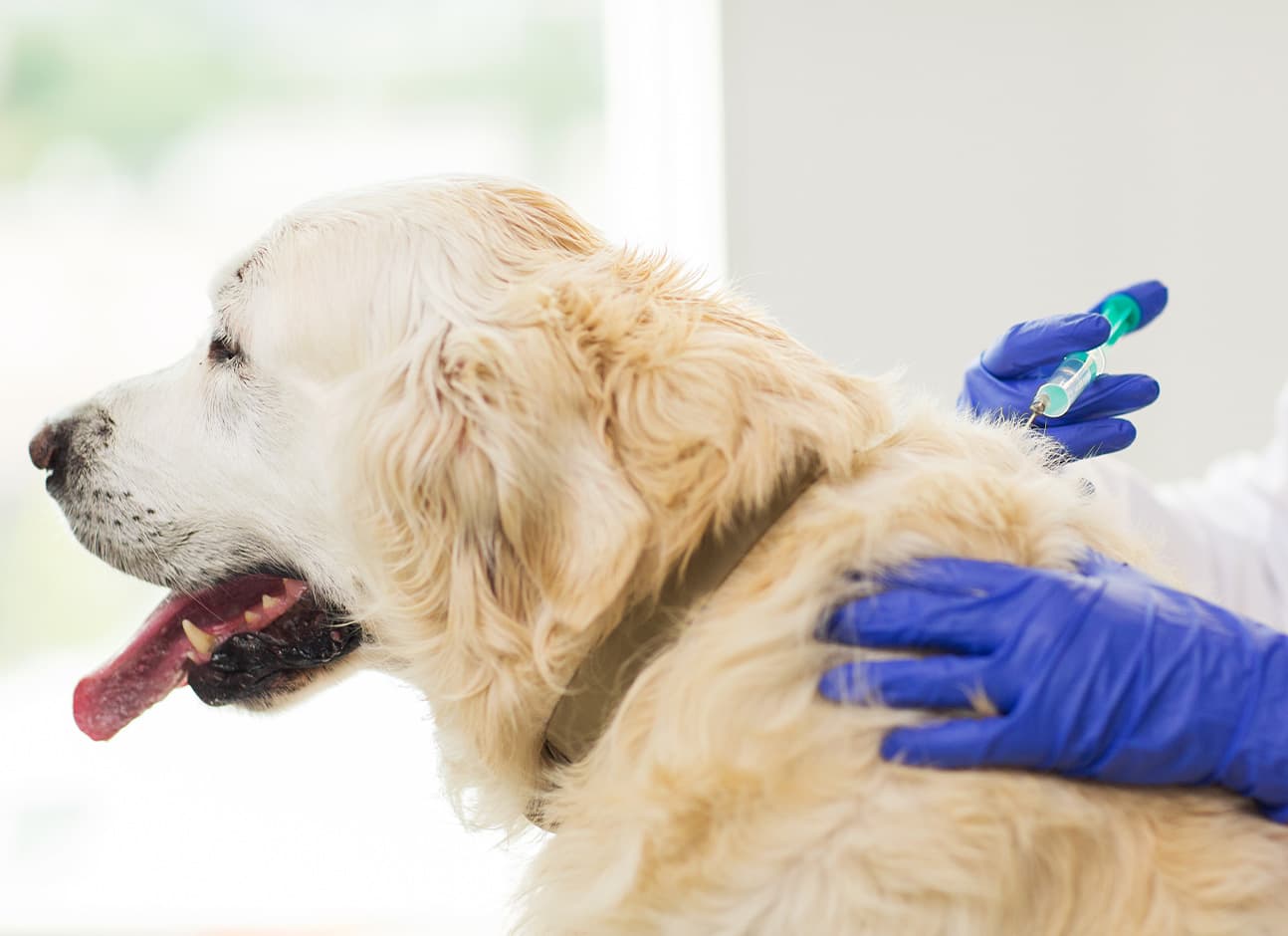
The ongoing COVID-19 pandemic has undeniably derailed our lives in the most unimaginable ways possible. Although we were able to adjust to the routine of social distancing and working / studying from home for the most part, this new change can be and has been especially bizarre for our furry family.
 Updated: 16/09/2026
DIABETES IN DOGS
Diabetic dogs suffer from an ongoing disorder of the endocrine system, which impairs their ability to manage blood sugar levels. The disorder is caused by either insufficient production of Insulin or ineffective use of Insulin. Insulin is a hormone that allows glucose in the bloodstream to enter cells.
 Updated: 30/06/2026
DIARRHEA IN CATS
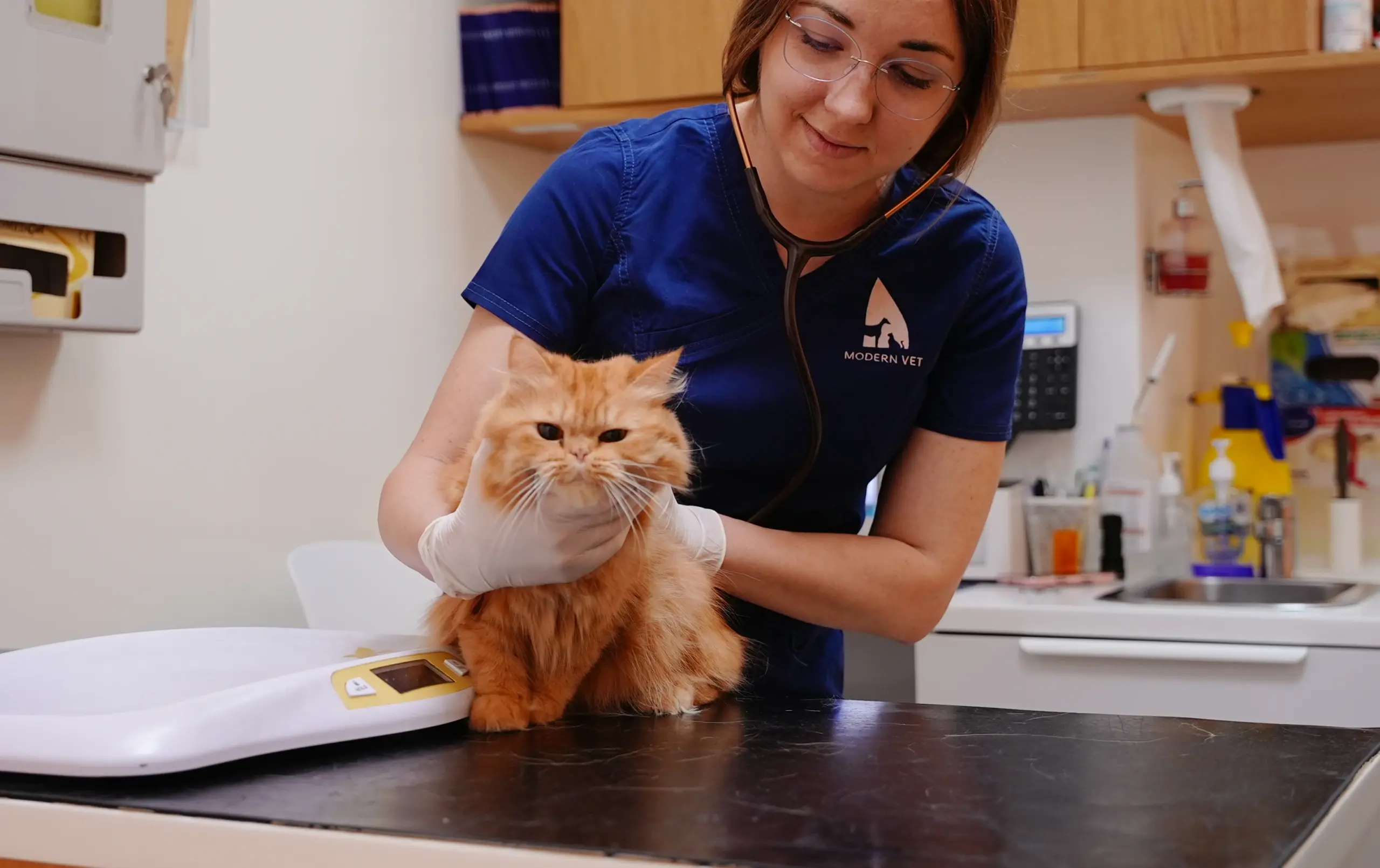
Diarrhea in cats is one of the most frequently diagnosed digestive disorders that can be described as loose, wet, or more than usual number of stools. The primary reason for diarrhea is the small intestine's inability to adequately absorb water and nutrients, which affects the stools water content.
 Updated: 05/06/2026
Fleas in Dogs and Puppies: Signs, Treatment Methods, and Key Features
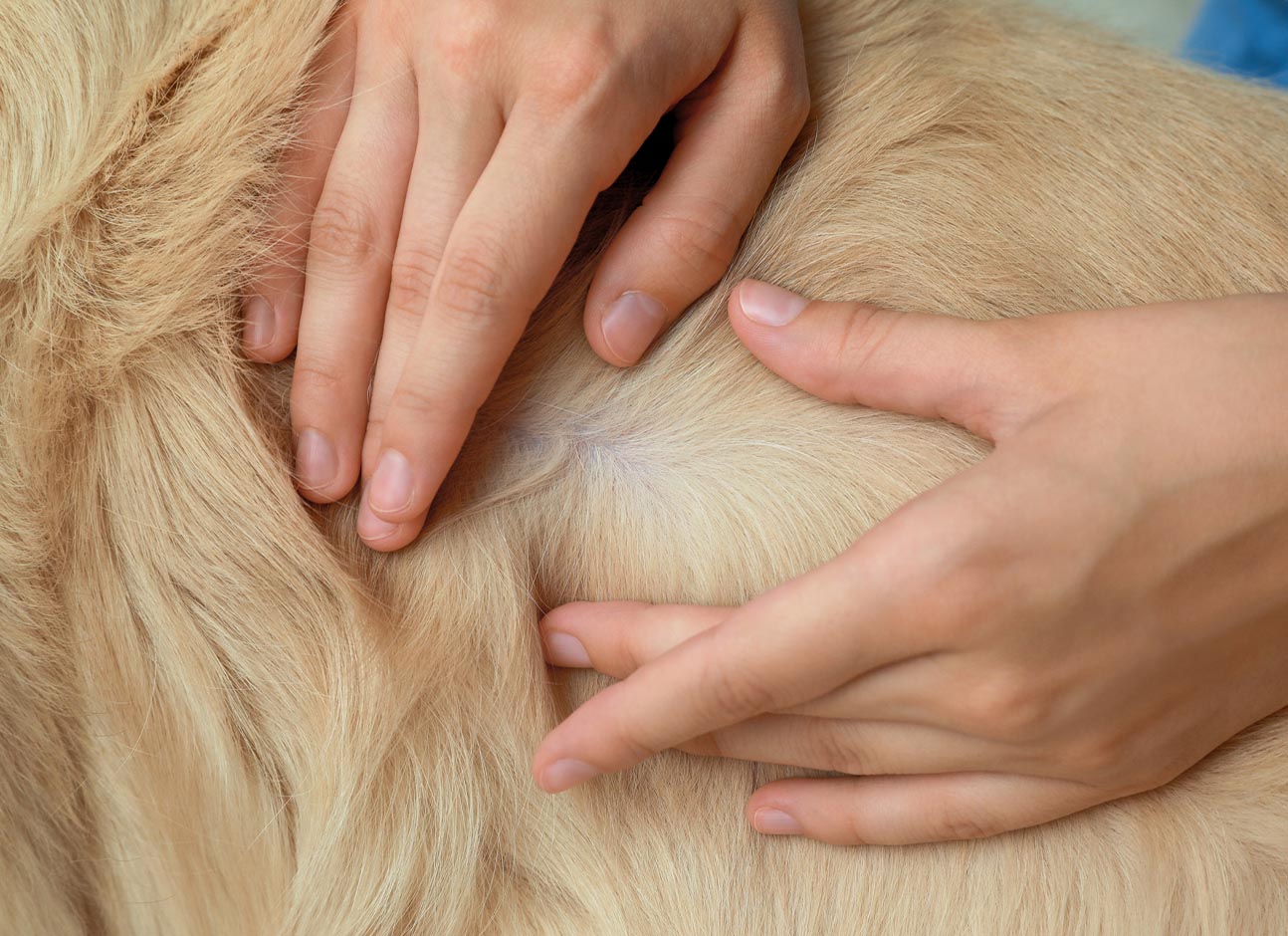
Fleas are blood-sucking parasitic insects that live in the coats of animals, reproduce actively, and can jump from one host to another. Even if you don't take your pet for walks, there is still a risk of flea infestation.
 Updated: 30/06/2026
DIARRHEA IN DOGS
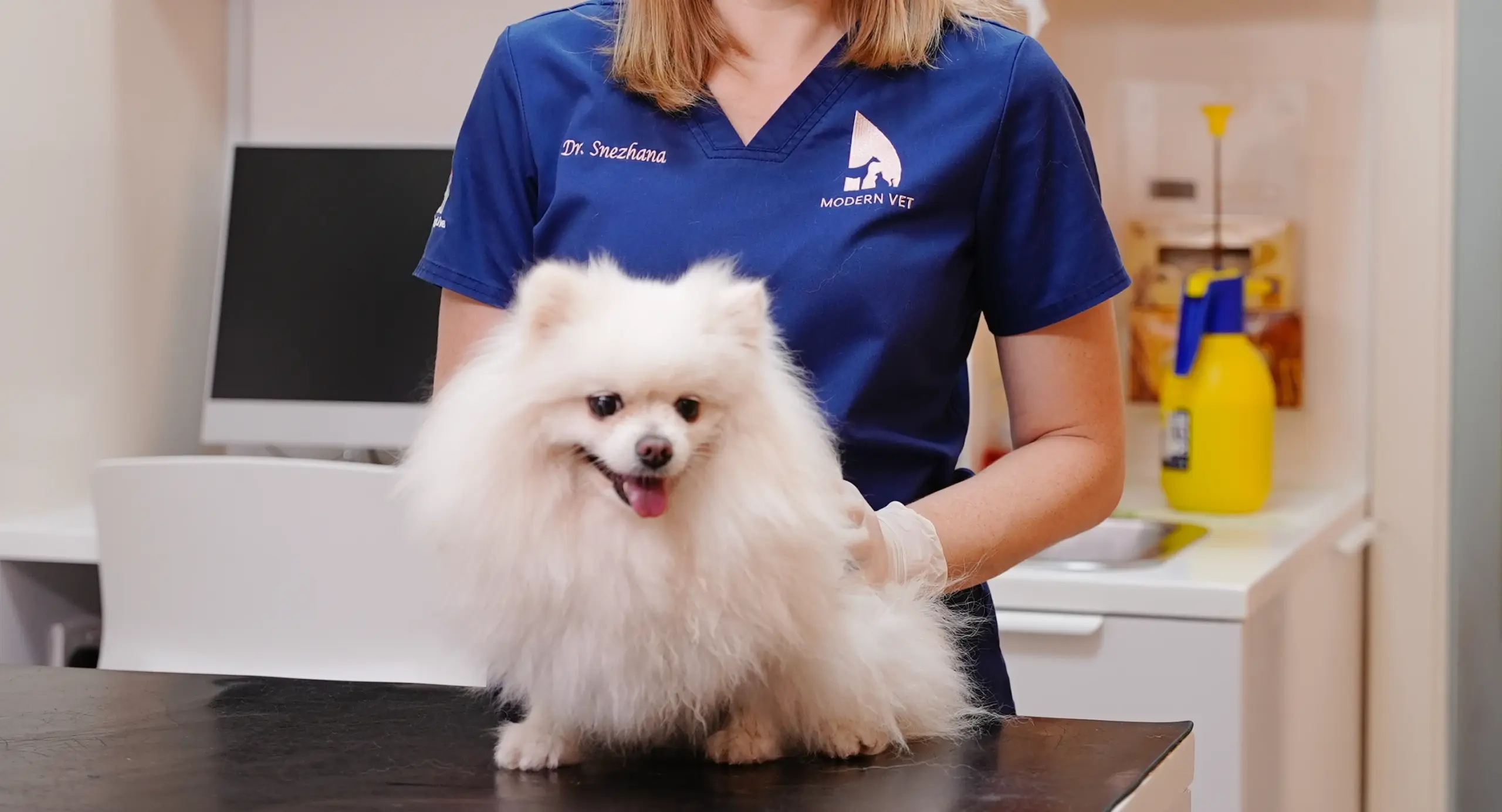
Diarrhea has never been a pleasant topic to discuss let alone experience. However, it is a common occurrence among dogs much to the displeasure of their owners. Varying in regularity, extent and intensity, diarrhea differs from dog to dog.
 Updated: 22/06/2026
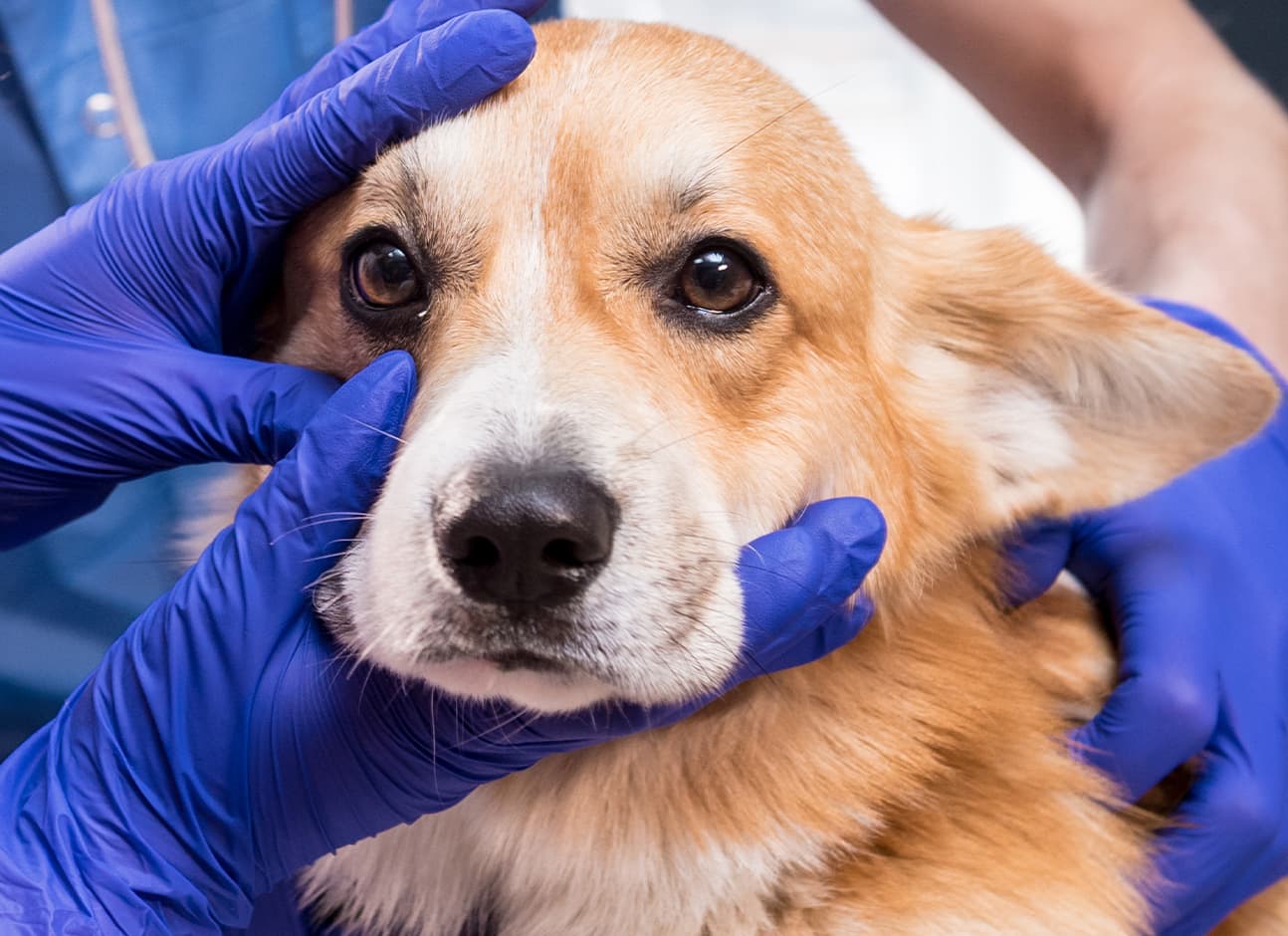
CATARACTS IN DOGS
Cataract is an eye condition which involves the increasing opacity of the lens leading to a loss of vision eventually. Unlike in humans -- who can usually speak for themselves -- cataracts in pets are more difficult to detect simply because they cannot voice their problems the way we can.
 Updated: 24/06/2026
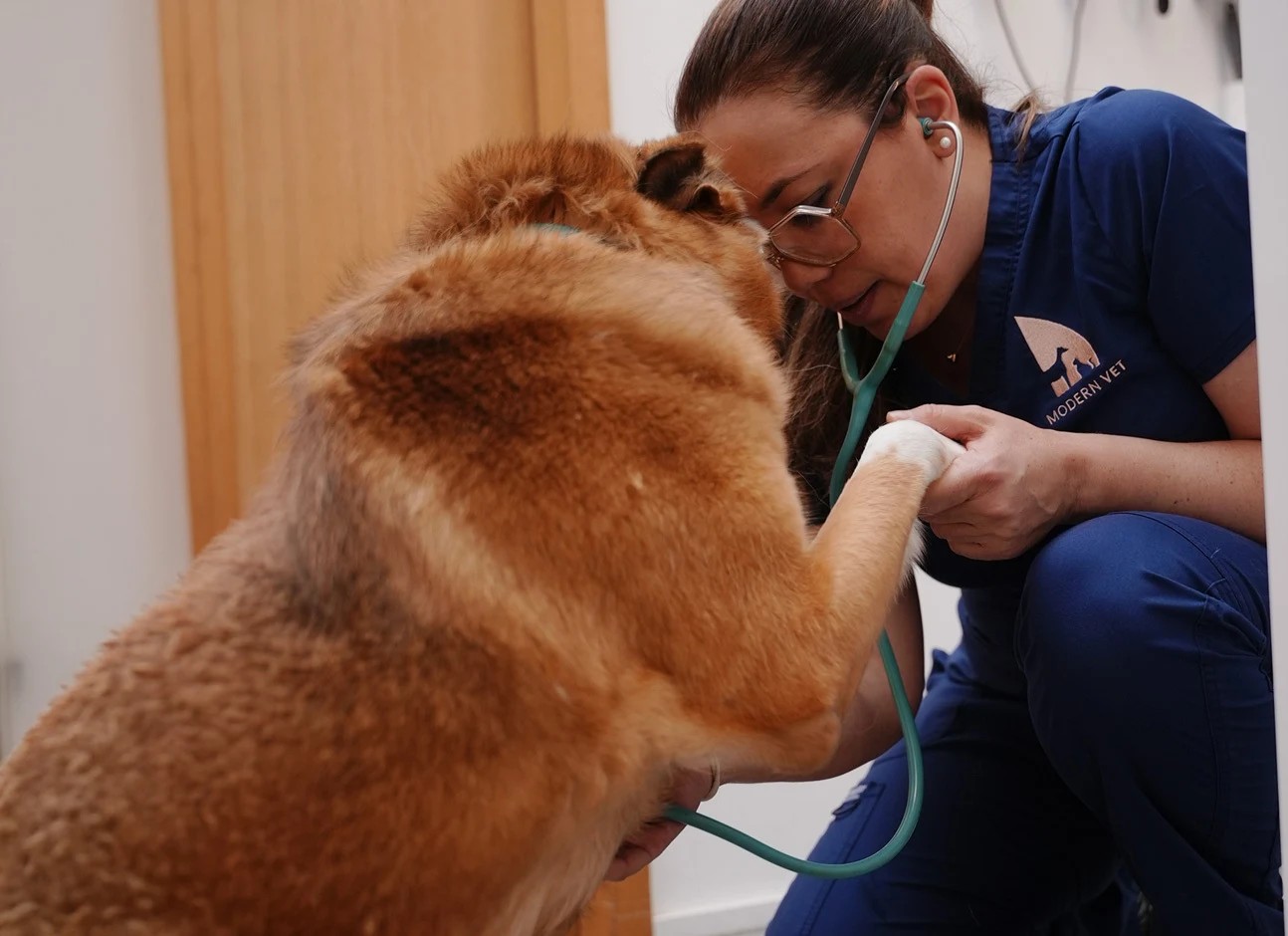
OBESITY IN DOGS
Obesity is a health problem not restricted to humans alone. In dogs it is one of the leading health concerns resulting from extreme body fat that contributes to weight gain. Much like in humans, it is caused by inadequate exercise coupled with the lack of a well-balanced diet in pets.
 Updated: 22/06/2026
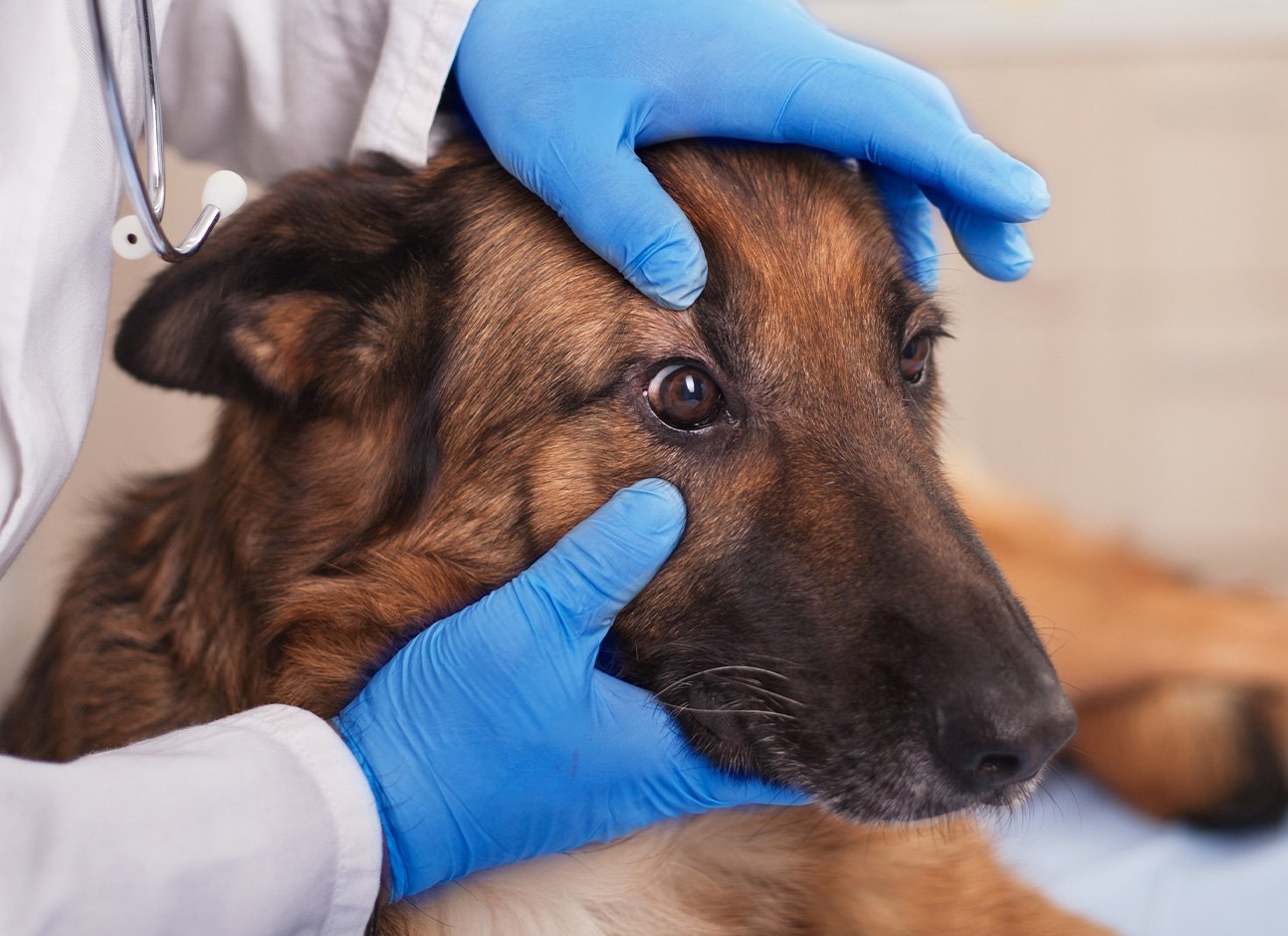
GLAUCOMA IN DOGS
Increased intraocular pressure in the dog's eye due to the inability of the eye to drain excess fluids results in serious ocular disease known as glaucoma. Inability of the eye to drain excess fluids causes intraocular pressure increase which then puts pressure on the retina and optic nerve, causing them to become damaged.
 Updated: 10/07/2026
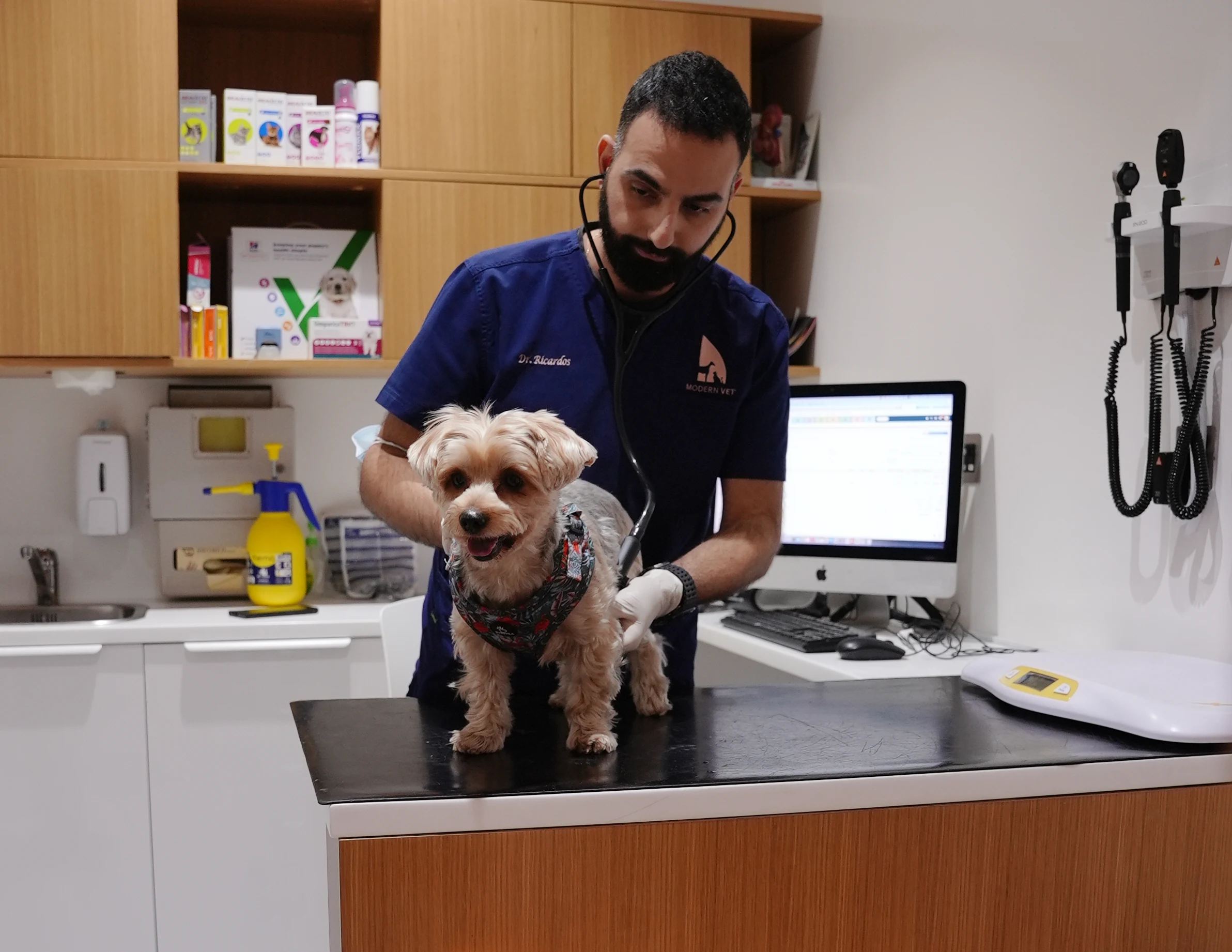
COUGHING IN DOGS
Coughing in dogs is a common symptom that could indicate irritation or disease affecting the respiratory system, heart, or airways. It is a protective mechanism to expel mucus, foreign bodies, or infectious agents from the throat and lungs. Occasional coughing may occur in healthy dogs, but persistent, frequent, or worsening coughing often indicates an underlying condition that requires veterinary attention.
 Updated: 24/06/2026
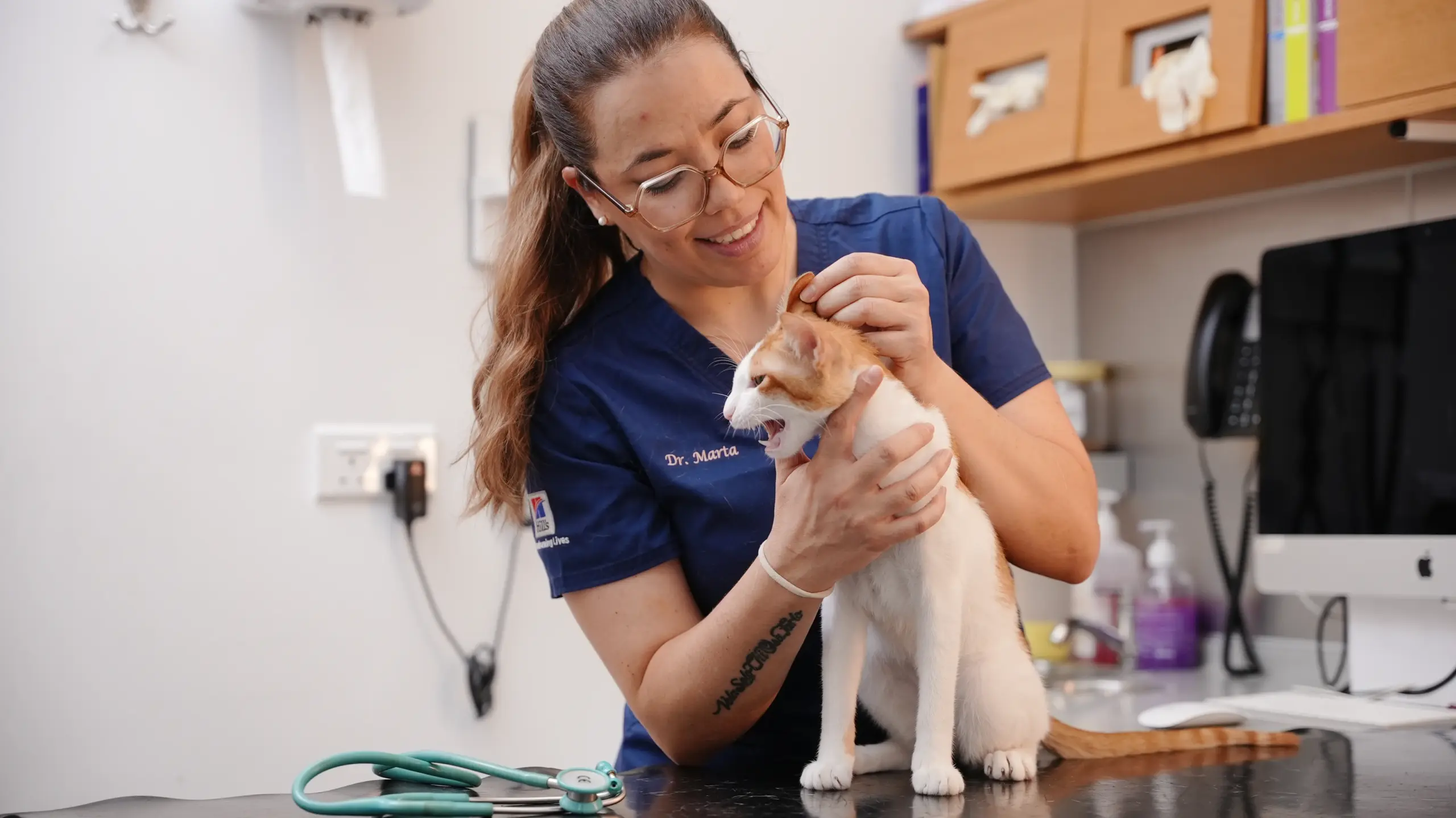
COUGHING IN CATS
Coughing in cats is generally an involuntary action to remove an irritant, mucus, or foreign object from the respiratory tract. Since cats do not cough like dogs, coughing in cats most often indicates some type of respiratory or systemic condition that requires veterinary care.
 Updated: 24/06/2026
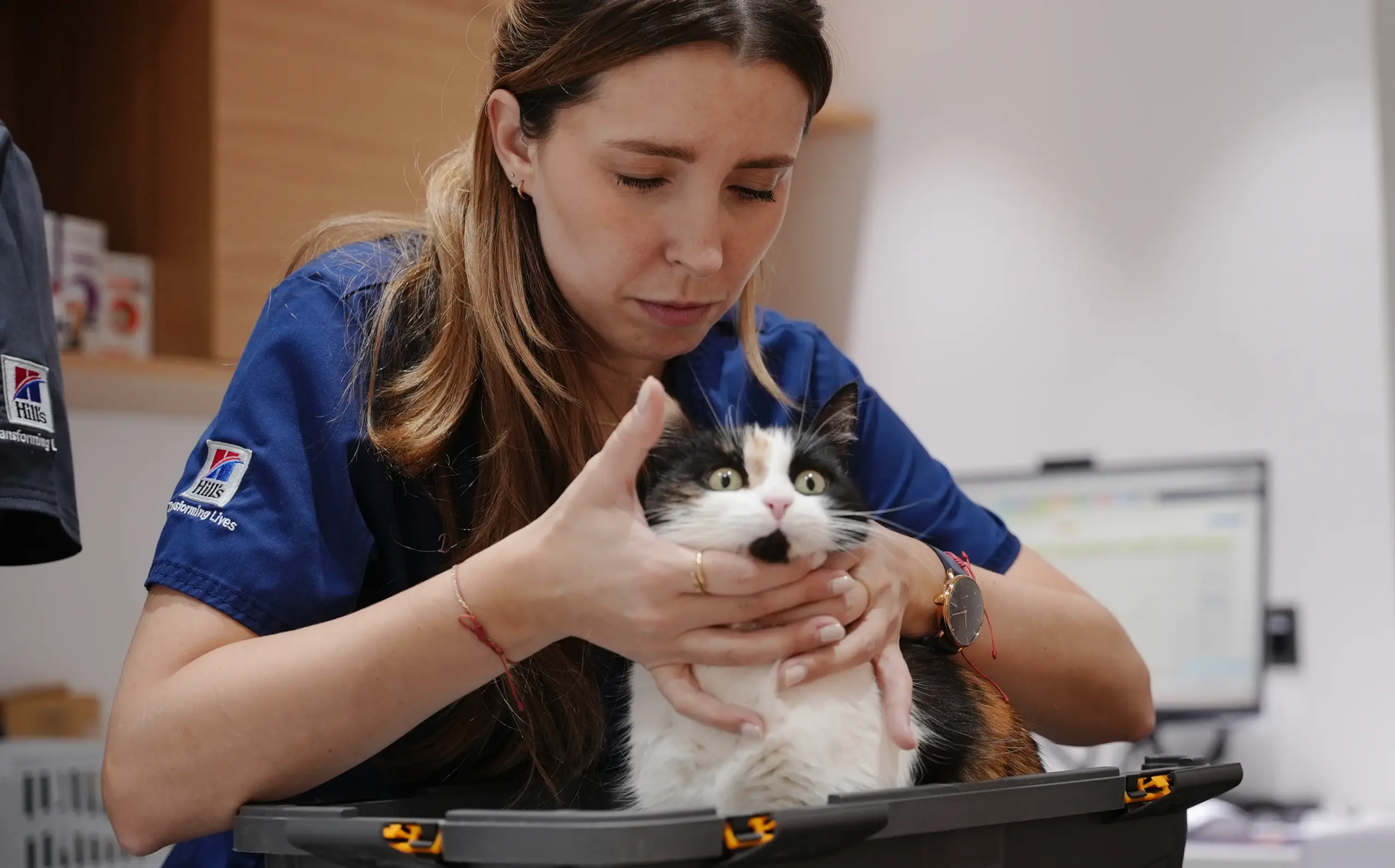
FELINE IMMUNODEFICIENCY VIRUS (FIV)
Feline Immunodeficiency Virus (FIV) is a viral infection that affects only cats. An uncommon condition in cats, it results in a comparatively weaker immune system. A very small group of cats exhibit physical symptoms of the infection which means that a majority of cat owners miss the signs of FIV in their pets.
 Updated: 24/06/2026
PANCREATITIS IN DOGS
Pancreatitis is essentially the inflammation of the pancreas. It is a dangerous disorder made more so by the fact that its warning signs are not that clear and can be easily mistaken for something trivial.